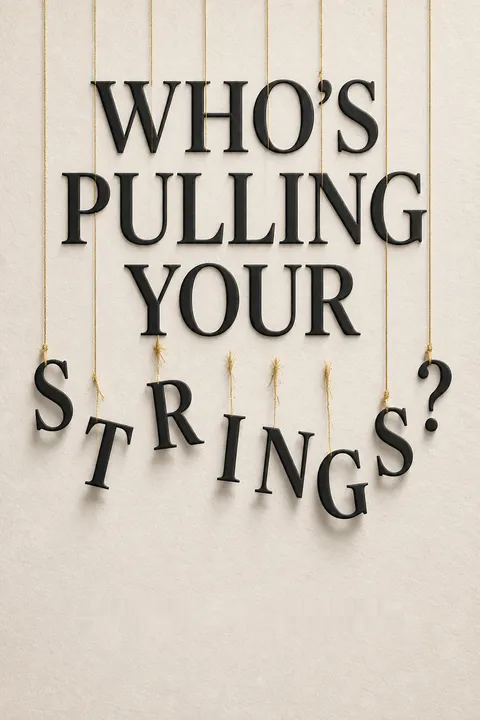

Principais Lições
1. Reconheça os Sinais de Manipulação nas Relações
A manipulação é utilizada porque funciona.
Sinais de alerta de manipulação: Fique atento a sinais como confusão sobre os motivos da outra pessoa, sentir-se pressionado a ceder a pedidos e sentir culpa ou ansiedade quando não corresponde às expectativas dela. As relações manipuladoras envolvem frequentemente:
- Desequilíbrio de poder e controlo
- Comunicação pouco clara ou oscilante
- Exploração das suas vulnerabilidades
- Uso da culpa, do medo ou da obrigação como moeda de troca
Impacto na vítima: A manipulação pode levar à perda de autoestima, confusão de identidade e a uma sensação de impotência. As vítimas sentem frequentemente:
- Stresse e ansiedade crónicos
- Dificuldade em tomar decisões
- Ressentimento e raiva reprimida
- Sensação de estar encurralado ou incapaz de abandonar a relação
2. Compreenda as Motivações e Táticas dos Manipuladores
Os manipuladores agem com base em três motivações interpessoais principais: precisam de promover os seus próprios objetivos e o seu ganho pessoal a praticamente qualquer custo para os outros.
Traços comuns do manipulador:
- Narcisismo
- Baixa empatia
- Forte necessidade de controlo
- Sentimento de que tem direito a tudo
- Incapacidade de assumir responsabilidades
Táticas de manipulação:
- Charme e lisonja
- Tratamento de silêncio
- Chantagem emocional e indução de culpa
- Gaslighting (distorção da realidade)
- Intimidação e ameaças
- Fazer-se de vítima
Os manipuladores utilizam frequentemente uma combinação de reforço positivo (recompensas) e reforço negativo (eliminar o desconforto) para controlar os seus alvos. Podem começar com táticas subtis e, com o tempo, passar para formas de controlo mais diretas.
3. Identifique as Suas Vulnerabilidades à Manipulação
Os seus pontos fracos estão à vista.
Autoavaliação: Avalie a sua suscetibilidade à manipulação considerando estas vulnerabilidades comuns:
- Tendência para querer agradar a todos
- Necessidade de aprovação e aceitação
- Medo do conflito ou do confronto
- Dificuldade em dizer "não"
- Sentido de identidade pessoal pouco claro
- Baixa autoconfiança
- Locus de controlo externo
Impacto das vulnerabilidades: Estes traços podem torná-lo um alvo fácil para os manipuladores. Eles podem explorar o seu desejo de ser aceite, o seu medo da rejeição ou a sua tendência para colocar as necessidades dos outros à frente das suas. Reconhecer estas vulnerabilidades é o primeiro passo para se proteger da manipulação.
4. Desenvolva Táticas de Resistência para Combater a Manipulação
A melhor forma de parar um manipulador é simplesmente desativar as suas táticas — tornar a sua manipulação ineficaz porque deixou de ceder às suas exigências, desejos, pedidos ou à sua pressão subtil ou mesmo explícita.
Estratégias-chave de resistência:
- Ganhe tempo antes de responder a pedidos
- Use a técnica do "disco riscado" para repetir a sua posição
- Dessensibilize-se em relação à ansiedade, ao medo e à culpa
- Identifique e exponha a manipulação de forma explícita
- Desative a manipulação afirmando que ela não vai funcionar
- Defina termos claros para a relação
- Aprenda a ceder e a negociar de forma justa
Implementação: Pratique estas táticas em situações de menor importância para ganhar confiança. Lembre-se de que o objetivo não é mudar o manipulador, mas sim mudar as suas próprias reações às táticas dele.
5. Aprenda a Definir Limites e a Afirmar-se
Deve isolar e rotular estas emoções autodestrutivas exatamente como aquilo que são — sentimentos, não factos.
Passos para definir limites:
- Identifique os seus limites e valores pessoais
- Comunique os seus limites de forma clara e calma
- Esteja preparado para aplicar consequências
- Pratique dizer "não" sem culpa
Técnicas de assertividade:
- Use frases na primeira pessoa ("eu") para expressar os seus sentimentos e necessidades
- Mantenha o contacto visual e uma linguagem corporal confiante
- Evite pedir desculpa por estabelecer os seus limites
- Reconheça o seu direito de ter e expressar as suas próprias opiniões
Desenvolver limites fortes e competências de assertividade não só o protegerá da manipulação, como também melhorará a qualidade geral das suas relações.
6. Transforme-se num Alvo Difícil
Ao pensar como um alvo difícil, irá tornar-se num.
Reestruturação cognitiva: Substitua a mentalidade de "alvo fácil" por crenças de "alvo difícil":
- Desafie os pensamentos de necessidade de agradar a todos
- Corrija a dependência da aprovação alheia
- Redefina os medos do conflito e do confronto
- Fortaleça o seu sentido de identidade
- Melhore a sua autoconfiança e capacidade de decisão
- Desenvolva um locus de controlo interno
Passos práticos:
- Mantenha um diário de pensamentos para identificar a mentalidade de alvo fácil
- Pratique a redefinição de pensamentos negativos
- Envolva-se em atividades que aumentem a autoestima e a independência
- Procure o apoio de um terapeuta ou de um amigo de confiança neste processo
Lembre-se de que mudar os seus padrões de pensamento exige tempo e esforço, mas é um passo crucial para se tornar resistente à manipulação.
7. Mantenha Relações Saudáveis e Equilibradas
As relações saudáveis são equilibradas e interdependentes.
Características das relações saudáveis:
- Respeito e confiança mútuos
- Comunicação aberta e honesta
- Equilíbrio entre dar e receber
- Apoio ao crescimento individual e à autonomia
- Capacidade de resolver conflitos de forma construtiva
Estratégias para a saúde das relações:
- Avalie regularmente o equilíbrio de poder nas suas relações
- Pratique a escuta ativa e a empatia
- Expresse apreço e gratidão
- Aborde os problemas de forma rápida e direta
- Mantenha os seus próprios interesses e amizades fora da relação
Ao cultivar estas qualidades nas suas relações, cria um ambiente onde é muito mais difícil a manipulação instalar-se. Lembre-se de que as relações saudáveis exigem um esforço e um compromisso contínuos de todas as partes envolvidas.
Resumo das Resenhas
"Quem Mexe os Seus Cordelinhos?" recebeu críticas geralmente positivas, com os leitores a elogiarem os seus conselhos práticos sobre como identificar e lidar com a manipulação. Muitos consideraram-no esclarecedor e capacitador, em particular para quem se encontra em relações difíceis. Alguns críticos apontaram a repetitividade e a excessiva simplificação de questões complexas. A abordagem interativa do livro e os exemplos da vida real foram apreciados, embora alguns leitores tenham sentido falta de nuance na abordagem às dinâmicas de poder. No geral, a maioria dos leitores encontrou valor nas suas estratégias para a assertividade e para quebrar ciclos de manipulação.
Outros Também Leram








Perguntas Frequentes
What's Who's Pulling Your Strings? about?
- Focus on Manipulation: The book delves into the dynamics of emotional and psychological manipulation across various relationships, including personal, professional, and familial.
- Understanding Vulnerability: It highlights how certain personality traits make individuals more susceptible to manipulation and offers insights into recognizing these traits.
- Empowerment Strategies: Dr. Harriet B. Braiker provides practical strategies and resistance tactics to help readers regain control and break free from manipulative relationships.
- Real-Life Case Studies: The book includes case studies that illustrate the principles discussed, offering both cautionary tales and sources of inspiration.
Why should I read Who's Pulling Your Strings??
- Gain Insight: The book offers valuable insights into the nature of manipulation, helping readers understand why they may feel controlled or exploited.
- Practical Advice: It provides actionable advice and techniques to identify manipulators and protect oneself from their tactics.
- Universal Relevance: Manipulation is a common experience, and the book addresses a wide audience, making it relevant for anyone who has felt manipulated.
- Empowerment and Self-Discovery: It encourages self-reflection and personal growth, helping readers identify vulnerabilities and develop a stronger sense of self.
What are the key takeaways of Who's Pulling Your Strings??
- Recognizing Manipulation: Understanding the signs of manipulation and the common tactics used by manipulators is crucial for self-protection.
- Identifying Vulnerabilities: The book encourages readers to assess their own vulnerabilities and needs, which can be exploited by manipulators.
- Empowerment through Resistance: It emphasizes the importance of developing resistance tactics to reclaim control over one’s life and decisions.
- Five Methods of Control: The book outlines five primary methods manipulators use: positive reinforcement, negative reinforcement, intermittent reinforcement, punishment, and traumatic one-trial learning.
What are the best quotes from Who's Pulling Your Strings? and what do they mean?
- "If you are the victim...": This quote reassures readers that manipulation is widespread, and they are not alone in their experiences.
- "Manipulation respects no relationship boundaries.": It highlights that manipulation can occur in any relationship, emphasizing the need for vigilance.
- "You hold the key...": This quote empowers readers by reminding them they can change the dynamics of a manipulative relationship.
- "Manipulation is a form of emotional blackmail.": It underscores the coercive nature of manipulation, suggesting the use of emotional pressure to control victims.
How does manipulation work according to Who's Pulling Your Strings??
- Promise of Gain or Loss: Manipulation often hinges on the promise of a reward or the threat of a loss, compelling compliance.
- Levers of Control: Manipulators use various levers, such as money, power, love, and approval, to exert influence.
- Gradual Process: Manipulation typically evolves over time, making it harder for victims to recognize the shift from benign influence to coercive control.
- Five Methods of Control: The book details methods like positive and negative reinforcement, intermittent reinforcement, punishment, and traumatic one-trial learning.
What are the common personality types of manipulators described in Who's Pulling Your Strings??
- Machiavellian Personality: Characterized by manipulativeness and a self-serving nature, using charm and deceit to achieve goals.
- Narcissistic Personality Disorder: These individuals have an inflated self-image and a strong sense of entitlement, often disregarding others' needs.
- Borderline Personality Disorder: Marked by unstable relationships and intense emotional responses, manipulating through evoking strong feelings in others.
What are the tactics used by manipulators in Who's Pulling Your Strings??
- Charm: Manipulators may use flattery and affection to gain compliance from their targets.
- Silent Treatment: This tactic involves withdrawing communication to pressure the victim into compliance.
- Coercion: Manipulators may resort to threats or aggressive behavior to force compliance.
- Intermittent Reinforcement: Creating unpredictability in rewards, making victims more likely to seek approval or validation.
How can I identify if I am being manipulated?
- Emotional Reactions: Frequent feelings of confusion, anxiety, or guilt in a relationship may indicate manipulation.
- Loss of Control: A feeling of losing autonomy over decisions and actions can suggest manipulation.
- Patterns of Compliance: Consistently giving in to uncomfortable demands is a sign to reassess the relationship dynamics.
- Self-Reflection: Assess feelings and reactions; if you feel responsible for another's emotions, it may indicate manipulation.
What resistance tactics are suggested in Who's Pulling Your Strings??
- Setting Boundaries: Establish clear limits on what you will and will not tolerate to protect yourself from manipulation.
- Assertiveness Training: Develop the ability to say no and express your needs confidently to resist manipulative tactics.
- Playing for Time: Take a moment to think before responding to a manipulator's request to regain control.
- Labeling the Manipulation: Directly naming the manipulative behavior can disrupt the cycle of control.
How does Who's Pulling Your Strings? suggest I assess my vulnerabilities?
- Self-Inventory: Take a personal inventory of needs and fears to identify areas of vulnerability.
- Recognizing Hooks: Understand what you most desire or fear losing to recognize how manipulators might exploit these vulnerabilities.
- Reflective Writing: Writing about your needs and fears helps clarify your emotional landscape, making it easier to spot manipulation.
What are the emotional impacts of being manipulated as discussed in Who's Pulling Your Strings??
- Confusion and Anxiety: Victims often experience confusion about the manipulator's motives and feel anxious about their reactions.
- Resentment and Anger: Over time, manipulation can foster feelings of resentment and anger towards the manipulator.
- Diminished Self-Esteem: Being manipulated can erode self-esteem and self-worth, leading to feelings of inadequacy.
- Helplessness: Emotional turmoil from manipulation can lead to a sense of helplessness and frustration.
How can I maintain my status as a hardened target after reading Who's Pulling Your Strings??
- Regular Self-Reflection: Continue to journal and reflect on thoughts and feelings to identify any soft-target thinking.
- Practice Resistance Tactics: Regularly use resistance tactics to reinforce boundaries and assert needs.
- Seek Support: Surround yourself with supportive individuals who respect your boundaries and encourage growth.
- Consistency: Consistently applying learned strategies will strengthen your resolve against manipulation.
Sobre o Autor
Outros livros de Harriet B. Braiker

Baixar PDF
Baixar EPUB
.epub digital book format is ideal for reading ebooks on phones, tablets, and e-readers.








































