
Kluczowe wnioski
1. Określ swoją grupę docelową i stwórz przekonujący przekaz
„Jeśli ich zdezorientujesz, stracisz ich.”
Skuteczny marketing to marketing ukierunkowany. Precyzyjne zdefiniowanie grupy docelowej pozwala stworzyć komunikat, który trafia prosto do serca idealnych klientów. Takie podejście przynosi:
- Wyższe wskaźniki konwersji
- Niższe koszty pozyskania klienta
- Zwiększoną lojalność klientów
Wypracuj unikalną propozycję wartości (USP). Twoja USP powinna jednoznacznie odpowiadać na pytanie: „Dlaczego mam kupić u ciebie, a nie u konkurencji?” Silna USP:
- Wyróżnia cię na tle konkurencji
- Odpowiada na potrzeby i problemy klientów
- Pozycjonuje cię jako najlepsze rozwiązanie
Unikaj ogólników typu „najlepsza jakość” czy „świetna obsługa”. Skup się na konkretnych korzyściach, które rozwiązują problemy twojej grupy docelowej.
2. Zbieraj leady i pielęgnuj je wartościową treścią
„Pieniądze są w follow-upie.”
Buduj bazę marketingową. Celem reklamy nie musi być natychmiastowa sprzedaż, lecz znalezienie osób zainteresowanych twoją ofertą. Dzięki temu możesz:
- Złapać potencjalnych klientów, którzy nie są gotowi na zakup od razu
- Budować z nimi relacje w czasie
- Zwiększyć ogólny wskaźnik konwersji
Dostarczaj wartość regularnie. Po zdobyciu leadów pielęgnuj je, oferując wartościowe materiały:
- Edukacyjne raporty, filmy, webinary
- Branżowe porady i analizy
- Ekskluzywne oferty i promocje
To buduje twoją pozycję eksperta i zaufanie, co ułatwia późniejszą sprzedaż.
3. Konwertuj klientów przez sprzedaż opartą na zaufaniu
„Bądź mile widzianym gościem, a nie uciążliwym natrętem.”
Pozycjonuj się jako doradca. Zamiast stosować agresywne techniki sprzedaży, skup się na edukacji i rozwiązywaniu problemów klientów. Takie podejście:
- Buduje zaufanie i wiarygodność
- Zmniejsza opór przed zakupem
- Przyciąga wartościowych, długoterminowych klientów
Zaoferuj odwrócenie ryzyka. Wprowadź gwarancje, które przenoszą ryzyko z klienta na ciebie, np.:
- Gwarancje zwrotu pieniędzy
- Programy „spróbuj przed zakupem”
- Ceny uzależnione od efektów
Zmniejszając postrzegane ryzyko, ułatwiasz klientom podjęcie decyzji „tak”.
4. Zapewnij światowej klasy doświadczenie klienta
„Produkty przynoszą pieniądze, systemy – fortunę.”
Stwórz systemy dla spójności. Opracuj udokumentowane procedury, które pozwolą twojemu biznesowi działać bez twojej ciągłej obecności. Obejmują one:
- Systemy marketingowe
- Systemy sprzedaży
- Systemy realizacji zamówień
- Systemy administracyjne
Skup się na podróży klienta. Zmapuj każdy punkt styku klienta z twoją firmą i optymalizuj go, uwzględniając:
- Doświadczenie przed zakupem
- Proces zakupu
- Obsługę posprzedażową
- Wsparcie klienta
Dostarczając konsekwentnie doskonałe doświadczenia, zamieniasz klientów w gorących ambasadorów marki, którzy polecają twoją firmę innym.
5. Zwiększaj wartość klienta w czasie
„Prawdziwy zysk tkwi w tym, jak sprzedawać więcej obecnym i byłym klientom oraz zwiększać ich wartość przez cały czas.”
Wdrażaj strategie podnoszące wartość klienta:
- Strategiczne podnoszenie cen
- Upselling i cross-selling produktów lub usług komplementarnych
- Zwiększanie częstotliwości zakupów przez przypomnienia i subskrypcje
- Reaktywacja dawnych klientów za pomocą ukierunkowanych kampanii
Skup się na klientach o wysokiej wartości. Nie wszyscy klienci są jednakowi. Zidentyfikuj najlepszych i inwestuj w ich utrzymanie oraz rozwój relacji, oferując:
- Programy VIP
- Spersonalizowane oferty
- Priorytetową obsługę
- Ekskluzywne wydarzenia lub treści
Zwiększając wartość istniejących klientów, znacznie poprawisz rentowność bez konieczności ponoszenia kosztów pozyskania nowych.
6. Aktywnie stymuluj polecenia
„Organizowanie i stymulowanie poleceń to proces aktywny.”
Stwórz system poleceń. Nie polegaj wyłącznie na biernym marketingu szeptanym. Wprowadź strategie, które systematycznie generują polecenia:
- Programy nagród za polecenia
- Kampanie „poleć znajomemu”
- Partnerstwa strategiczne z firmami komplementarnymi
Ułatwiaj polecanie. Zapewnij klientom narzędzia i informacje potrzebne do polecania:
- Materiały do udostępniania
- Karty lub kody poleceń
- Jasne instrukcje, jak polecać
Aktywne pozyskiwanie poleceń to jedna z najskuteczniejszych i najbardziej opłacalnych form marketingu.
7. Buduj systemy dla skalowalnego wzrostu
„Systemy pozwalają zwykłym ludziom prowadzić niezwykły biznes.”
Dokumentuj swoje procesy. Stwórz szczegółowe procedury dla każdego kluczowego obszaru działalności:
- Pozyskiwanie klientów
- Realizacja produktów i usług
- Zarządzanie finansami
- Zarządzanie zasobami ludzkimi
Wykorzystuj technologię. Wdrażaj narzędzia i oprogramowanie, które automatyzują i usprawniają działanie firmy:
- Systemy CRM
- Platformy automatyzacji marketingu
- Narzędzia do zarządzania projektami
- Programy księgowe
Budując skalowalne systemy, tworzysz biznes, który może rosnąć niezależnie od twojej osobistej obecności i staje się cennym aktywem.
8. Skup się na marketingu bezpośrednim
„Najszybsza droga do pieniędzy.”
Priorytetuj marketing mierzalny. Zamiast reklam budujących świadomość marki, stosuj taktyki marketingu bezpośredniego, które:
- Zawierają jasne wezwanie do działania
- Są śledzone i mierzalne
- Przynoszą natychmiastowe efekty
Testuj i optymalizuj. Nieustannie doskonal swoje działania marketingowe poprzez:
- Testy A/B różnych elementów (nagłówki, oferty itp.)
- Monitorowanie kluczowych wskaźników (konwersje, ROI)
- Skupianie się na tym, co działa, i eliminowanie tego, co nie przynosi efektów
Takie podejście oparte na danych gwarantuje ciągły wzrost efektywności i zwrotu z inwestycji.
9. Wykorzystuj technologię i automatyzację
„Celem każdej nowej technologii w twoim biznesie jest eliminacja tarcia.”
Usprawnij interakcje z klientami. Wykorzystaj technologię, by ułatwić klientom współpracę z twoją firmą:
- Systemy rezerwacji online
- Portale samoobsługowe
- Automatyczne follow-upy i przypomnienia
Automatyzuj procesy wewnętrzne. Wdrażaj systemy, które zmniejszają pracę manualną i zwiększają efektywność:
- Ocena i kierowanie leadów
- Generowanie faktur i obsługa płatności
- Zarządzanie zapasami
Dzięki efektywnemu wykorzystaniu technologii możesz świadczyć lepsze usługi przy niższych kosztach, zyskując czas na działania o wysokiej wartości.
10. Mierz i poprawiaj kluczowe wskaźniki marketingowe
„Co jest mierzone, tym można zarządzać.”
Monitoruj najważniejsze liczby. Śledź i optymalizuj kluczowe wskaźniki wpływające na biznes:
- Koszt pozyskania klienta (CAC)
- Wartość klienta w czasie (LTV)
- Wskaźniki konwersji na każdym etapie lejka sprzedażowego
- Średnia wartość transakcji
Korzystaj z dashboardu biznesowego. Stwórz wizualizację kluczowych wskaźników, aby:
- Szybko identyfikować trendy i problemy
- Podejmować decyzje oparte na danych
- Utrzymywać zespół w zgodzie i odpowiedzialności
Konsekwentne doskonalenie tych wskaźników pozwoli znacznie zwiększyć rentowność i rozwój twojego biznesu.
Inni czytali również







FAQ
What's "The 1-Page Marketing Plan" about?
- Purpose and Focus: "The 1-Page Marketing Plan" by Allan Dib is about creating a simple, actionable marketing plan that fits on a single page. It aims to help small businesses grow quickly by focusing on direct response marketing.
- Three Phases: The book is structured around three phases of marketing: Before, During, and After. Each phase guides the reader on how to attract, convert, and retain customers.
- Implementation Breakthrough: Dib emphasizes that the book is not about new marketing concepts but about implementing proven strategies effectively. The goal is to simplify marketing for small businesses.
- Direct Response Marketing: The book focuses on direct response marketing, which is designed to evoke an immediate response and is trackable and measurable.
Why should I read "The 1-Page Marketing Plan"?
- Practical Guidance: The book provides practical, step-by-step guidance on creating a marketing plan that is easy to implement and manage.
- Focus on Results: It emphasizes strategies that lead to quick business growth and increased profitability, making it ideal for small business owners.
- Simplifies Marketing: By reducing the marketing plan to a single page, it simplifies the process, making it accessible even to those with little marketing experience.
- Proven Strategies: The book is based on proven direct response marketing strategies, ensuring that readers are applying methods that have been successful in the past.
What are the key takeaways of "The 1-Page Marketing Plan"?
- Target Market: Identifying and focusing on a specific target market is crucial for effective marketing. The book provides tools like the PVP index to help with this.
- Crafting a Message: Creating a compelling message that resonates with the target market is essential. The book offers strategies for crafting offers that stand out.
- Lead Capture and Nurturing: Capturing leads and nurturing them through a structured process is vital for converting prospects into customers.
- Customer Lifetime Value: Increasing the lifetime value of customers through upselling, cross-selling, and providing a world-class experience is a major focus.
How does the "1-Page Marketing Plan" work?
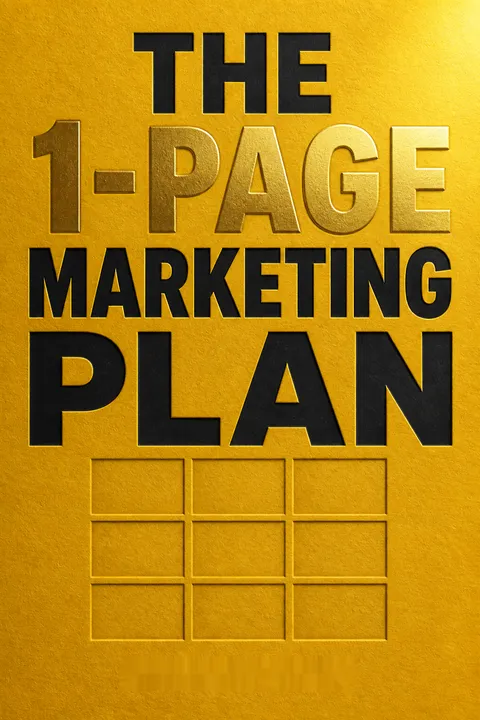
- Nine Squares: The plan is divided into nine squares, each representing a key component of the marketing process. These are split into the three phases: Before, During, and After.
- Step-by-Step Process: Each square guides the reader through a specific step, from selecting a target market to orchestrating referrals.
- Action-Oriented: The plan is designed to be filled out as the reader progresses through the book, ensuring that they have a complete, actionable marketing plan by the end.
- Living Document: The 1-Page Marketing Plan is meant to be a living document that can be refined and updated as the business grows.
What is the "Before" phase in "The 1-Page Marketing Plan"?
- Target Market Selection: This phase involves selecting a specific target market to focus marketing efforts on, ensuring that the message resonates with the right audience.
- Crafting the Message: It includes crafting a compelling message that addresses the needs and desires of the target market.
- Reaching Prospects: The phase also covers selecting the right advertising media to reach prospects effectively and efficiently.
What is the "During" phase in "The 1-Page Marketing Plan"?
- Lead Capture: This phase focuses on capturing leads through various methods and adding them to a database for future follow-up.
- Lead Nurturing: It involves nurturing leads by providing value and building trust, positioning the business as an authority in its field.
- Sales Conversion: The phase aims to convert leads into paying customers by creating enough trust and demonstrating enough value.
What is the "After" phase in "The 1-Page Marketing Plan"?
- Delivering a World-Class Experience: This phase emphasizes providing an exceptional customer experience to turn customers into raving fans.
- Increasing Customer Lifetime Value: It involves strategies to increase the lifetime value of customers through upselling, cross-selling, and repeat business.
- Orchestrating Referrals: The phase focuses on actively stimulating referrals to create a continuous flow of new business.
What are the best quotes from "The 1-Page Marketing Plan" and what do they mean?
- "The fastest path to the money." This quote emphasizes the book's focus on practical, results-oriented marketing strategies that lead to quick business growth.
- "Knowing and not doing is the same as not knowing." It highlights the importance of implementation, urging readers to take action on the strategies outlined in the book.
- "Marketing is the strategy you use for getting your ideal target market to know you, like and trust you enough to become a customer." This quote defines marketing in simple terms, focusing on building relationships with the target market.
How does Allan Dib suggest handling pricing in "The 1-Page Marketing Plan"?
- Positioning Indicator: Price is a critical positioning indicator and should reflect the value and quality of the product or service.
- Avoid Competing on Price: Dib advises against competing solely on price, as it can lead to a race to the bottom and erode profit margins.
- Value Over Discounts: Instead of discounting, businesses should focus on increasing the perceived value of their offerings through bundling and added services.
- Ultra High Ticket Items: Offering ultra high ticket items can attract affluent customers and make other products seem more reasonably priced by comparison.
What role does technology play in "The 1-Page Marketing Plan"?
- Reduce Friction: Technology should be used to reduce friction in the customer experience, making it easier for customers to do business with you.
- Automation: Automation tools can help manage lead capture, nurturing, and follow-up, freeing up time for more strategic activities.
- Professional Presentation: Technology can help small businesses present themselves as larger and more professional, leveling the playing field with bigger competitors.
- Efficiency and Scalability: Proper use of technology can improve efficiency and scalability, allowing businesses to grow without a proportional increase in resources.
How does "The 1-Page Marketing Plan" address customer retention?
- World-Class Experience: Delivering a world-class experience is key to retaining customers and turning them into raving fans.
- Regular Communication: Regular communication through newsletters, emails, and other channels helps maintain relationships and keep the business top of mind.
- Upselling and Cross-Selling: These strategies increase customer lifetime value by encouraging customers to purchase additional products or services.
- Feedback and Improvement: Actively seeking customer feedback and making improvements based on it helps ensure customer satisfaction and loyalty.
How can businesses stimulate referrals according to "The 1-Page Marketing Plan"?
- Active Process: Referrals should be actively orchestrated and stimulated rather than passively hoped for.
- Asking for Referrals: Businesses should not hesitate to ask satisfied customers for referrals, providing them with incentives or reasons to do so.
- Joint Ventures: Partnering with complementary businesses can create a steady stream of referrals and new customers.
- Building Brand Equity: Delivering exceptional experiences and building brand equity naturally leads to more referrals as customers become advocates for the business.
Pobierz PDF
Pobierz EPUB
.epub digital book format is ideal for reading ebooks on phones, tablets, and e-readers.








































