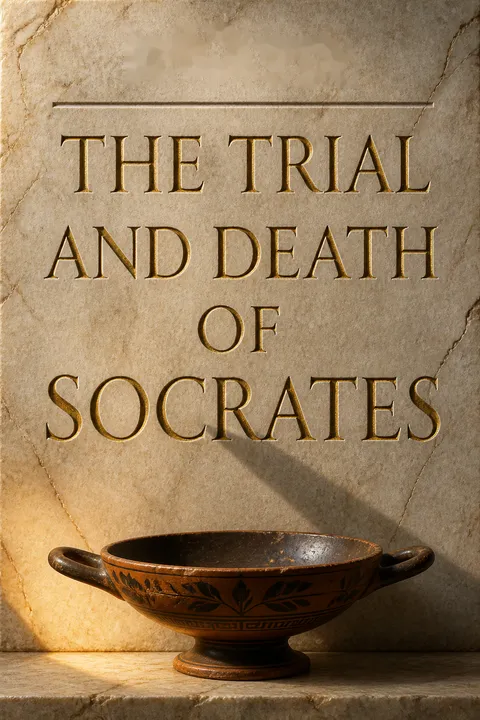

Belangrijkste inzichten
1. Het Ongeëxamineerde Leven is Het Leven Niet Waard
"Een ongeëxamineerd leven is het niet waard om geleefd te worden."
Filosofische zelfreflectie. Socrates was ervan overtuigd dat het belangrijkste doel van het menselijk bestaan is om kritisch je eigen overtuigingen, handelingen en wereldbeeld te onderzoeken. Deze diepgaande uitspraak suggereert dat simpelweg bestaan zonder grondige introspectie neerkomt op een vorm van intellectuele en morele dood.
Manieren van onderzoek. Socrates ontwikkelde een systematische aanpak voor zelfonderzoek door middel van dialoog en het stellen van vragen. Hij ging gesprekken aan die de inconsistenties in iemands overtuigingen blootlegden, waardoor men gedwongen werd dieper na te denken over eigen aannames. Deze methode, bekend als de socratische methode, omvat:
- Het stellen van prikkelende vragen
- Het uitdagen van gevestigde overtuigingen
- Het blootleggen van logische tegenstrijdigheden
- Het aanmoedigen van intellectuele nederigheid
Persoonlijke groei door bevragen. Het nastreven van wijsheid vereist voortdurende zelfkritiek en de bereidheid om eigen onwetendheid te erkennen. Door onze inzichten steeds opnieuw ter discussie te stellen, openen we ons voor diepere inzichten en persoonlijke transformatie.
2. Intellectuele Eerlijkheid Vereist Het In Vraag Stellen van Overtuigingen
"Ik denk niet dat ik weet wat ik niet weet."
Intellectuele nederigheid. Socrates omarmde het radicale idee dat ware wijsheid begint met het erkennen van de grenzen van je eigen kennis. In tegenstelling tot veel tijdgenoten die expertise claimden, was hij bereid zijn eigen onwetendheid toe te geven en voortdurend naar begrip te streven.
Het uitdagen van maatschappelijke en persoonlijke aannames:
- Religieuze overtuigingen bevragen
- Politieke structuren onderzoeken
- Populaire meningen ter discussie stellen
- Ongeëxamineerde tradities afwijzen
Het gevaar van valse zekerheid. Veel mensen verwarren zelfvertrouwen met kennis, waardoor er gevaarlijke blinde vlekken in hun begrip ontstaan. Door een houding van intellectuele openheid te behouden, beschermen we ons tegen dogmatisme en blijven we ontvankelijk voor nieuwe inzichten.
3. Ware Wijsheid Schuilt in Het Erkennen van Eigen Onwetendheid
"Ik ben wijzer dan deze man, want geen van ons lijkt iets waardevols te weten, maar hij denkt iets te weten terwijl dat niet zo is, terwijl ik, als ik iets niet weet, ook niet denk dat ik het weet."
Paradox van kennis. Socrates ontdekte in zijn gesprekken dat degenen die beweerden wijs te zijn vaak het minst wisten. Zijn unieke vorm van wijsheid kwam voort uit het besef dat ware kennis begint met het erkennen van hoe weinig men eigenlijk weet.
Gevolgen van intellectuele eerlijkheid:
- Onzekerheid omarmen
- Voortdurend leren
- Afwijzen van pretentieuze deskundigheid
- Waarderen van oprechte kennis boven oppervlakkige informatie
Socratische paradox. Door zijn eigen onwetendheid toe te geven, positioneerde Socrates zichzelf als een eeuwige leerling van het leven, altijd open voor groei en nieuwe inzichten. Deze benadering was revolutionair in een samenleving die vaak retorische vaardigheid boven echte kennis stelde.
4. Morele Integriteit Weegt Zwaarder Dan Persoonlijke Veiligheid
"Het zou vreselijk zijn als ik mijn post had verlaten uit angst voor de dood of iets anders."
Een principieel bestaan. Socrates geloofde dat leven volgens je morele principes belangrijker is dan zelfbehoud. Wanneer hij moest kiezen tussen het opgeven van zijn overtuigingen of het riskeren van de dood, koos hij steeds voor integriteit.
Moed van overtuiging:
- Weigeren ethische normen te compromitteren
- Gevolgen van principiële keuzes accepteren
- Morele waarheid boven persoonlijk comfort stellen
- Filosofische en persoonlijke consistentie bewaren
Een transformerende morele houding. Door zijn filosofische missie niet te verraden, zelfs niet onder dreiging van de dood, toonde Socrates aan dat ware vrijheid voortkomt uit trouw blijven aan je diepste overtuigingen, ongeacht externe druk.
5. Filosofisch Onderzoek is Een Burgerplicht
"Ik loop rond en doe niets anders dan jong en oud onder jullie overtuigen om niet meer om je lichaam of rijkdom te geven dan om de best mogelijke staat van je ziel."
Filosofisch activisme. Socrates zag filosofisch onderzoek niet als een academische bezigheid, maar als een essentiële maatschappelijke verantwoordelijkheid. Hij zag zijn rol als het uitdagen van burgers om dieper na te denken over deugd, rechtvaardigheid en persoonlijke groei.
Manieren van maatschappelijke betrokkenheid:
- Gevestigde overtuigingen bevragen
- Kritisch denken stimuleren
- Ethische zelfreflectie bevorderen
- Maatschappelijke zelfgenoegzaamheid uitdagen
Transformerend onderwijs. Door burgers in dialoog te betrekken, wilde Socrates een meer reflectieve en ethisch bewuste samenleving creëren, overtuigd dat individuele morele groei essentieel is voor collectieve vooruitgang.
6. Moed Betekent Opkomen Voor Je Principes
"Bang zijn voor de dood, heren, is niets anders dan denken dat je wijs bent terwijl dat niet zo is."
Filosofische moed. Socrates toonde aan dat ware moed niet draait om fysieke kracht, maar om het vasthouden aan je principes ondanks overweldigende tegenstand. Zijn proces en weigering om toe te geven zijn hiervan het perfecte voorbeeld.
Dimensies van morele moed:
- Onrechtvaardige vervolging trotseren
- Filosofische integriteit bewaren
- Sociale druk weerstaan
- Persoonlijke gevolgen accepteren
Angst overstijgen. Door de dood niet te zien als het ultieme gevaar, maar als een mogelijke overgang, transformeerde Socrates het traditionele begrip van moed en legde hij de nadruk op morele overtuiging boven lichamelijk overleven.
7. Rechtvaardigheid Staat Boven Persoonlijk Gemak
"Men mag nooit kwaad met kwaad vergelden, noch iemand schade toebrengen, ongeacht wat hij jou heeft aangedaan."
Ethisch absolutisme. Socrates geloofde in universele morele principes die zwaarder wegen dan persoonlijk gemak of direct eigenbelang. Zijn toewijding aan rechtvaardigheid was gebaseerd op het geloof in absolute ethische normen.
Principes van universele rechtvaardigheid:
- Wraak afwijzen
- Ethische consistentie bewaren
- Morele integriteit vooropstellen
- Persoonlijke emoties overstijgen
Filosofische rechtvaardigheid. Door niet te ontsnappen uit de gevangenis en zijn principes niet te compromitteren, liet Socrates zien dat ware rechtvaardigheid onwankelbare toewijding aan ethische idealen vereist, ook als dat ongemakkelijk is.
8. De Dood Moet Niet Worden Gevreesd
"Niemand weet of de dood niet de grootste zegen voor een mens is, toch vrezen mensen haar alsof ze weten dat het het grootste kwaad is."
Filosofisch perspectief op sterfelijkheid. Socrates daagde de gangbare angst voor de dood uit door te stellen dat onze beperkte kennis ons verhindert haar ware aard te begrijpen. Hij zag de dood als een mogelijke overgang of bevrijding.
Perspectieven op sterfelijkheid:
- Onzekerheid omarmen
- Irrationele angsten afwijzen
- De dood als kans zien
- Filosofische kalmte bewaren
Existentiële angst overstijgen. Door de dood te herinterpreteren als een onbekende ervaring in plaats van een definitief einde, bood Socrates een revolutionaire benadering van het menselijk sterfelijkheidsbegrip.
9. De Deugd van de Ziel Weegt Zwaarder Dan Het Lichamelijke Leven
"Rijkdom brengt geen uitmuntendheid, maar uitmuntendheid maakt rijkdom en alles wat goed is voor mensen."
Spirituele prioriteit. Socrates legde de nadruk op de ontwikkeling van de geest en het intellect boven materiële bezittingen. Hij geloofde dat het cultiveren van innerlijke deugd veel belangrijker is dan het vergaren van uiterlijke rijkdom.
Strategieën voor spirituele groei:
- Ethische groei vooropstellen
- Voortdurende zelfreflectie
- Materialistische waarden afwijzen
- Wijsheid nastreven boven rijkdom
Transformerend zelfinzicht. Door de ontwikkeling van de ziel centraal te stellen, stelde Socrates een holistische benadering van het menselijk bestaan voor, waarin innerlijke groei zwaarder weegt dan uiterlijke prestaties.
10. Het Uitdagen van Maatschappelijke Normen is Essentieel voor Vooruitgang
"Het ongeëxamineerde leven is het niet waard om geleefd te worden."
Filosofisch verzet. Socrates toonde aan dat maatschappelijke vooruitgang voortkomt uit het voortdurend bevragen van gevestigde normen, overtuigingen en aannames. Zijn methode van bevragen was een krachtig instrument voor intellectuele en sociale transformatie.
Strategieën voor constructieve uitdaging:
- Logische inconsistenties blootleggen
- Kritisch denken stimuleren
- Intellectuele nederigheid bevorderen
- Dogmatische overtuigingen weerstaan
Evolutionair denken. Door maatschappelijke structuren voortdurend ter discussie te stellen, bood Socrates een model voor intellectuele en sociale vooruitgang dat waarde hecht aan voortdurende dialoog en kritisch onderzoek.
Samenvatting van recensies
De rechtszaak en de dood van Socrates wordt door lezers zeer gewaardeerd vanwege de filosofische diepgang en historische betekenis. Velen vinden Socrates’ verdediging in de Apologie krachtig en ontroerend. Lezers waarderen Plato’s weergave van Socrates’ onverzettelijke principes en intellectuele eerlijkheid, al vinden sommigen hem soms ook frustrerend. De dialogen worden gezien als prikkelend en fundamenteel voor de westerse filosofie, waarbij vooral de Apologie en Phaedo bijzondere lof ontvangen. Sommige lezers merken op dat het lastig kan zijn om Plato’s ideeën te onderscheiden van de werkelijke woorden en daden van Socrates.
Anderen lazen ook




Veelgestelde vragen
What's "The Trial and Death of Socrates" by Plato about?
- Overview: The book is a collection of dialogues by Plato that detail the trial, imprisonment, and execution of Socrates in 399 B.C. It includes four main dialogues: Euthyphro, Apology, Crito, and Phaedo.
- Socrates' Philosophy: It explores Socrates' philosophical ideas, particularly his views on ethics, virtue, and the immortality of the soul.
- Historical Context: The dialogues provide insight into the political and social climate of Athens during Socrates' time, including the tension between democracy and philosophical inquiry.
- Socratic Method: The book showcases Socrates' method of questioning to expose ignorance and stimulate critical thinking.
Why should I read "The Trial and Death of Socrates" by Plato?
- Philosophical Insight: It offers profound insights into fundamental philosophical questions about ethics, justice, and the nature of the soul.
- Historical Significance: The dialogues are crucial for understanding the historical context of ancient Athens and the philosophical landscape of the time.
- Socratic Method: Readers can learn about the Socratic method of inquiry, which is foundational to Western philosophy and critical thinking.
- Literary Value: Plato's dialogues are not only philosophical texts but also literary masterpieces that have influenced countless thinkers and writers.
What are the key takeaways of "The Trial and Death of Socrates" by Plato?
- Virtue is Knowledge: Socrates argues that true knowledge leads to virtuous behavior and that wrongdoing is a result of ignorance.
- The Unexamined Life: Socrates famously claims that "the unexamined life is not worth living," emphasizing the importance of self-reflection and philosophical inquiry.
- Justice and Duty: The dialogues explore the tension between individual conscience and societal laws, as seen in Socrates' refusal to escape from prison.
- Immortality of the Soul: In Phaedo, Socrates discusses the immortality of the soul, suggesting that death is not to be feared by those who have lived a virtuous life.
What is the Socratic Method as presented in "The Trial and Death of Socrates"?
- Questioning Technique: The Socratic method involves asking a series of questions to stimulate critical thinking and illuminate ideas.
- Exposing Ignorance: Socrates uses this method to reveal the ignorance of those who claim to have knowledge, encouraging them to seek true understanding.
- Dialogue Form: The method is presented through dialogues, where Socrates engages with various interlocutors to explore philosophical concepts.
- Philosophical Inquiry: It emphasizes the importance of questioning and dialogue in the pursuit of truth and wisdom.
What are the main themes in "The Trial and Death of Socrates" by Plato?
- Justice and Injustice: The dialogues examine the nature of justice, both in the context of Socrates' trial and in broader philosophical terms.
- The Role of the Philosopher: Socrates' life and death raise questions about the role of the philosopher in society and the value of philosophical inquiry.
- Mortality and the Soul: The theme of death and the immortality of the soul is central, particularly in the Phaedo dialogue.
- Ethics and Virtue: The book explores the relationship between knowledge, ethics, and virtuous living, a core aspect of Socratic philosophy.
How does "The Trial and Death of Socrates" by Plato depict Socrates' trial?
- Accusations: Socrates is accused of corrupting the youth and not believing in the gods of Athens, charges brought by Meletus and others.
- Defense Speech: In the Apology, Socrates delivers a defense that is more a justification of his life and philosophy than a plea for acquittal.
- Philosophical Stance: Socrates maintains his commitment to truth and virtue, refusing to compromise his principles even in the face of death.
- Outcome: Despite his defense, Socrates is found guilty and sentenced to death, a verdict he accepts with composure and dignity.
What is the significance of the dialogue "Euthyphro" in "The Trial and Death of Socrates"?
- Definition of Piety: The dialogue centers on Socrates' discussion with Euthyphro about the nature of piety and impiety.
- Philosophical Inquiry: It exemplifies the Socratic method of questioning to explore complex ethical concepts.
- Religious Beliefs: The dialogue highlights the tension between traditional religious beliefs and philosophical reasoning.
- Introduction to Trial: It sets the stage for Socrates' trial by introducing themes of justice and moral responsibility.
What are the best quotes from "The Trial and Death of Socrates" by Plato and what do they mean?
- "The unexamined life is not worth living." This quote from the Apology emphasizes the importance of self-reflection and philosophical inquiry for a meaningful life.
- "Virtue is knowledge." Socrates' belief that true knowledge leads to virtuous behavior, suggesting that moral failings are due to ignorance.
- "I know that I know nothing." A statement of Socratic humility, acknowledging the limits of one's knowledge and the importance of continuous learning.
- "No evil can happen to a good man, either in life or after death." Socrates' belief in the protection of the virtuous soul, regardless of earthly circumstances.
How does "The Trial and Death of Socrates" by Plato address the concept of justice?
- Socrates' Trial: The dialogues explore the concept of justice through the legal proceedings against Socrates and his defense.
- Moral vs. Legal Justice: Socrates distinguishes between legal justice and moral justice, often challenging the former with philosophical reasoning.
- Obedience to Law: In Crito, Socrates discusses the importance of obeying the laws of the state, even when they result in personal harm.
- Philosophical Justice: The dialogues suggest that true justice involves living a virtuous life in accordance with reason and truth.
What is the role of Crito in "The Trial and Death of Socrates" by Plato?
- Friendship and Loyalty: Crito represents the loyalty and concern of Socrates' friends, urging him to escape from prison.
- Moral Dilemma: The dialogue between Crito and Socrates explores the moral implications of escaping versus accepting the legal verdict.
- Philosophical Discussion: Crito serves as a foil to Socrates, allowing for a deeper exploration of justice, duty, and the individual's relationship to the state.
- Resolution: Ultimately, Crito's arguments are unable to sway Socrates, who remains committed to his principles and accepts his fate.
How does "The Trial and Death of Socrates" by Plato explore the theme of the soul's immortality?
- Phaedo Dialogue: The Phaedo focuses on Socrates' arguments for the immortality of the soul, presented on the day of his execution.
- Philosophical Arguments: Socrates offers several arguments, including the Theory of Recollection and the Argument from Opposites, to support the soul's eternal nature.
- Mythical Imagery: Socrates uses mythological imagery to describe the soul's journey after death and its dwelling places.
- Consolation in Death: The belief in the soul's immortality provides comfort to Socrates and his followers, reinforcing the idea that death is not to be feared.
What is the significance of Socrates' final moments in "The Trial and Death of Socrates" by Plato?
- Calm Acceptance: Socrates faces his death with calmness and composure, reflecting his philosophical beliefs and acceptance of fate.
- Final Instructions: He gives instructions to his friends, emphasizing the importance of caring for their souls and living virtuously.
- Symbolic Gesture: Socrates' last words about offering a cock to Asclepius suggest that death is a cure for the ills of life.
- Legacy: His final moments underscore the enduring impact of his teachings and the philosophical life he championed.
Over de auteur




PDF downloaden
EPUB downloaden
.epub digital book format is ideal for reading ebooks on phones, tablets, and e-readers.








































