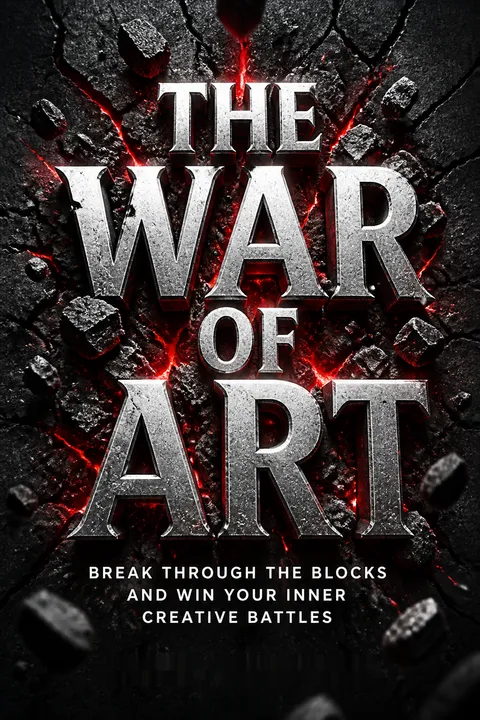

Punti chiave
1. La resistenza è il nemico della creatività e della crescita personale
La resistenza è la forza più tossica del pianeta. È la radice di più infelicità di povertà, malattia e disfunzione erettile.
Cos’è la resistenza: La resistenza è una forza invisibile e interna che si oppone a ogni tentativo di crescita creativa e personale. Si manifesta come:
- Procrastinazione
- Dubbio su se stessi
- Paura
- Razionalizzazione
- Dipendenza
- Autosabotaggio
Superare la resistenza: Per combattere la resistenza:
- Riconoscila come una forza universale, non come un fallimento personale
- Comprendi che più un progetto è importante, più la resistenza sarà forte
- Impegnati a presentarti e a lavorare ogni giorno, indipendentemente da come ti senti
- Concentrati sul processo, non sul risultato
2. Diventare professionisti è la chiave per superare la resistenza
Il momento in cui un artista diventa professionista è epocale come la nascita del suo primo figlio. Con un solo gesto, tutto cambia.
Caratteristiche del professionista:
- Si presenta ogni giorno, a prescindere da tutto
- Si impegna a lungo termine
- Accetta un compenso per il proprio lavoro
- Non si identifica eccessivamente con l’opera
- Padroneggia le tecniche del mestiere
- Ha senso dell’umorismo riguardo al proprio lavoro
Dilettante vs Professionista: I dilettanti si lasciano sconfiggere dalla resistenza, i professionisti la superano. I professionisti sanno che paura e dubbio fanno parte del percorso, non sono motivi per arrendersi. Si concentrano sull’azione costante, senza aspettare ispirazione o condizioni perfette.
3. La paura è un segnale di ciò che conta e va affrontata
Sei paralizzato dalla paura? È un buon segno. La paura è buona. Come il dubbio, è un indicatore. La paura ci dice cosa dobbiamo fare.
Capire la paura: La paura spesso indica:
- L’importanza di un progetto o obiettivo
- Un’opportunità di crescita e apprendimento
- Il potenziale per un cambiamento o impatto significativo
Affrontare la paura: Per superarla:
- Riconoscila come parte naturale del processo creativo
- Usala come bussola per orientarti verso ciò che conta davvero
- Agisci nonostante la paura
- Comprendi che il coraggio non è assenza di paura, ma agire nonostante essa
4. Il professionalismo richiede disciplina, impegno e pazienza
Il professionista ha imparato meglio. Rispetta la resistenza. Sa che se cede oggi, per quanto plausibile sia la scusa, domani sarà due volte più facile cedere.
Come sviluppare il professionalismo:
- Stabilisci una routine di lavoro costante
- Definisci confini chiari tra lavoro e vita personale
- Punta a obiettivi a lungo termine, non a gratificazioni immediate
- Coltiva pazienza e perseveranza
- Migliora continuamente competenze e conoscenze
Vantaggi del professionalismo:
- Maggiore produttività
- Resilienza più forte di fronte alle difficoltà
- Qualità del lavoro superiore
- Reputazione e credibilità accresciute
5. Il sé autentico è la nostra vera vocazione e destino
Il nostro compito in questa vita non è trasformarci in un ideale che immaginiamo di dover essere, ma scoprire chi siamo già e diventarlo.
Scoprire il sé autentico:
- Rifletti sugli interessi e inclinazioni dell’infanzia
- Presta attenzione alle attività che ti portano gioia e flusso
- Considera cosa faresti se il denaro non fosse un problema
- Identifica valori e convinzioni fondamentali
Vivere autenticamente:
- Allinea scelte di carriera e vita al tuo vero sé
- Resisti alla pressione sociale di conformarti alle aspettative altrui
- Abbraccia i tuoi talenti e la tua prospettiva unici
- Affina ed esprimi continuamente la tua voce autentica
6. L’ispirazione proviene da un regno superiore o dalla mente inconscia
Quando ci sediamo ogni giorno e facciamo il nostro lavoro, il potere si concentra intorno a noi. La Musa prende nota della nostra dedizione. Approva. Abbiamo guadagnato il suo favore.
Fonti di ispirazione:
- La mente inconscia
- Un regno spirituale superiore
- La coscienza collettiva umana
- Esperienze e ricordi personali
Coltivare l’ispirazione:
- Stabilisci una pratica creativa costante
- Crea spazi per solitudine e riflessione
- Esponiti a idee ed esperienze diverse
- Abbi fiducia nel processo creativo, anche quando l’ispirazione sembra sfuggente
7. Il Sé, non l’Ego, è la fonte di creatività e crescita
Il Sé desidera creare, evolvere. L’Ego preferisce che tutto resti com’è.
Il Sé vs l’Ego:
- Il Sé: connesso al divino, cerca crescita ed evoluzione
- L’Ego: concentrato sull’esistenza materiale, resiste al cambiamento
Accedere al Sé:
- Pratica meditazione o consapevolezza
- Impegnati in attività creative
- Cerca esperienze che espandano la coscienza
- Coltiva autoconsapevolezza e introspezione
8. Il successo spesso significa uscire dalle zone di comfort e dalle appartenenze tribali
Temiamo di scoprire che siamo più di quanto pensiamo. Più di quanto pensino genitori, figli, insegnanti. Temiamo di possedere davvero il talento che quella voce calma e piccola ci sussurra.
Abbracciare la crescita:
- Riconosci che evolvere può allontanare alcune persone
- Sii disposto a superare vecchie identità e relazioni
- Cerca nuove comunità che sostengano la tua crescita
- Confida che connessioni autentiche sostituiranno quelle perse
Superare la paura del successo:
- Ammetti la paura di lasciare il familiare
- Comprendi che crescere spesso richiede disagio
- Concentrati sui benefici potenziali del successo
- Costruisci una rete di supporto che incoraggi la tua evoluzione
9. Gli artisti devono concentrarsi sul mestiere e demistificare il processo creativo
Il professionista considera il proprio lavoro un mestiere, non arte. Non perché pensi che l’arte sia priva di dimensione mistica. Al contrario. Sa che ogni impresa creativa è sacra, ma non si sofferma su questo.
Demistificare la creatività:
- Concentrati sullo sviluppo delle abilità tecniche
- Stabilisci una routine di lavoro costante
- Suddividi i progetti in compiti gestibili
- Studia le tecniche di artisti di successo nel tuo campo
Equilibrio tra mestiere e ispirazione:
- Rispetta gli aspetti misteriosi della creatività
- Lascia spazio sia al lavoro disciplinato sia all’ispirazione spontanea
- Riconosci che la padronanza del mestiere amplia la libertà creativa
- Confida che l’impegno costante porterà a svolte importanti
10. Invocare la Musa può aiutare nelle imprese creative
Sei mai stato a Santa Fe? C’è una sottocultura della “guarigione”. L’idea è che ci sia qualcosa di terapeutico nell’atmosfera. Un luogo sicuro dove ritrovare se stessi.
Il concetto di Musa:
- Personificazione di ispirazione e creatività
- Connessione a un regno superiore o all’inconscio collettivo
- Un modo per esternalizzare e rispettare il processo creativo
Invocare la Musa:
- Crea un rituale personale per iniziare il lavoro creativo
- Dedica uno spazio specifico alla tua arte
- Usa meditazione o visualizzazione per connetterti con l’ispirazione
- Coltiva un atteggiamento di apertura e ricettività alle idee
Sintesi delle recensioni
La guerra dell’arte suscita opinioni contrastanti. C’è chi la considera una spinta motivazionale efficace per superare i blocchi creativi, apprezzandone i consigli pratici su disciplina e professionalità. Altri, invece, la criticano per contenuti ripetitivi, affermazioni non sempre supportate e suggerimenti che talvolta possono risultare dannosi. Molti lettori trovano illuminanti le prime due sezioni, ma non gradiscono la parte spirituale finale. Si riconosce a Pressfield una sincerità disarmante e uno stile di scrittura essenziale, anche se alcuni ne percepiscono il tono come giudicante. Il messaggio centrale del libro, quello di vincere la “Resistenza”, risuona profondamente in molti creativi, nonostante le controversie che lo accompagnano.
Altri hanno letto anche

FAQ
What's "The War of Art" about?
- Author's Focus: "The War of Art" by Steven Pressfield is about overcoming the internal barriers that prevent creative individuals from achieving their goals.
- Central Theme: The book identifies "Resistance" as the primary enemy of creativity, which manifests as procrastination, self-doubt, and fear.
- Structure: It is divided into three parts: "Defining the Enemy," "Combating Resistance," and "Beyond Resistance," each offering insights and strategies to conquer creative blocks.
- Purpose: The book aims to inspire and guide artists, writers, and entrepreneurs to push through their internal struggles and realize their creative potential.
Why should I read "The War of Art"?
- Practical Advice: It provides actionable strategies for overcoming procrastination and self-doubt, common issues faced by creatives.
- Inspiration: The book is motivational, encouraging readers to pursue their true calling and not succumb to fear or societal pressures.
- Insightful Concepts: It introduces the concept of "Resistance" as a universal force that hinders creativity, offering a new perspective on personal struggles.
- Empowerment: Reading it can empower you to take control of your creative process and commit to your work with a professional mindset.
What are the key takeaways of "The War of Art"?
- Resistance as the Enemy: Recognize that Resistance is a natural force that opposes creative endeavors and must be confronted daily.
- Turning Pro: Adopt a professional attitude towards your creative work, showing up consistently and treating it with seriousness and dedication.
- Inspiration and the Muse: Understand that inspiration often comes after you start working, not before, and that invoking the Muse can help in the creative process.
- Territorial vs. Hierarchical Thinking: Focus on your work for its own sake (territorial) rather than for external validation (hierarchical).
How does Steven Pressfield define "Resistance"?
- Universal Force: Resistance is described as a destructive force within human nature that opposes any act that might lead to personal growth or creativity.
- Manifestations: It can appear as procrastination, self-doubt, fear, rationalization, and other forms of self-sabotage.
- Internal Origin: Resistance is self-generated and arises from within, often disguised as legitimate reasons not to pursue creative work.
- Impersonal Nature: It is not out to get you personally; it is a natural force that acts objectively, like gravity.
What is the "Turning Pro" concept in "The War of Art"?
- Professional Mindset: Turning Pro means adopting a professional attitude towards your creative work, treating it as a vocation rather than a hobby.
- Commitment: It involves showing up every day, regardless of circumstances, and dedicating yourself fully to your craft.
- Discipline and Routine: Professionals work through fear and Resistance by establishing routines and maintaining discipline.
- Focus on Mastery: The professional focuses on mastering the craft, understanding that success is a by-product of consistent effort.
What role does "Inspiration" play in "The War of Art"?
- Result of Work: Inspiration is seen as a result of consistent work rather than a prerequisite for starting.
- Invocation of the Muse: Pressfield suggests invoking the Muse, a metaphor for divine inspiration, to aid in the creative process.
- Concentration of Power: When you sit down to work, power concentrates around you, attracting ideas and insights.
- Higher Realm: Inspiration is linked to a higher realm, suggesting that creativity is a divine or spiritual process.
How does "The War of Art" address procrastination?
- Common Manifestation: Procrastination is identified as the most common form of Resistance, often rationalized as harmless.
- Habitual Nature: It can become a habit, leading to a lifetime of unfulfilled potential and regret.
- Immediate Action: The book emphasizes the power of starting immediately, as every moment holds the potential to change your life.
- Overcoming Procrastination: The key is to recognize it as Resistance and to act in spite of it, committing to your work daily.
What are the best quotes from "The War of Art" and what do they mean?
- "Resistance is the most toxic force on the planet." This highlights the destructive power of Resistance in preventing individuals from achieving their potential.
- "The more important a call or action is to our soul’s evolution, the more Resistance we will feel toward pursuing it." This suggests that the level of Resistance is directly proportional to the importance of the task.
- "The professional loves it so much he dedicates his life to it." This emphasizes the commitment and dedication required to overcome Resistance and succeed in creative endeavors.
- "When we sit down each day and do our work, power concentrates around us." This illustrates the idea that consistent effort attracts inspiration and creative energy.
How does "The War of Art" differentiate between "Territory" and "Hierarchy"?
- Territorial Orientation: Working territorially means focusing on your work for its own sake, deriving satisfaction from the act itself.
- Hierarchical Orientation: Working hierarchically involves seeking external validation and defining success by others' opinions.
- Sustenance from Territory: A territory provides sustenance and fulfillment without external input, while hierarchy can lead to insecurity and dependence on others.
- Creative Focus: The book advocates for a territorial approach, encouraging artists to concentrate on their craft rather than external recognition.
What is the significance of "The Higher Realm" in "The War of Art"?
- Source of Inspiration: The Higher Realm is where inspiration and creativity originate, a place beyond the material world.
- Divine Assistance: Pressfield suggests that unseen forces, like muses or angels, support and sustain creative efforts.
- Connection to the Self: The Higher Realm is linked to the Self, the part of us that is connected to the divine and seeks to create.
- Spiritual Dimension: Creativity is portrayed as a spiritual journey, with the Higher Realm providing guidance and insight.
How does "The War of Art" suggest dealing with fear?
- Fear as an Indicator: Fear is seen as a sign of what we must do, indicating the importance of the task to our soul's growth.
- Direct Proportion: The more fear we feel, the more significant the task is to our personal evolution.
- Acting Despite Fear: The book encourages acting in the face of fear, understanding that it is a natural part of the creative process.
- Fear of Success: It also addresses the fear of success, which can be as paralyzing as the fear of failure, urging readers to embrace their potential.
What is the role of "Self" and "Ego" in "The War of Art"?
- Ego's Beliefs: The Ego is concerned with material existence, self-preservation, and external validation, often hindering creative efforts.
- Self's Connection: The Self is connected to the divine, seeking growth, creativity, and unity with others.
- Conflict: The Ego and the Self are in constant conflict, with the Ego producing Resistance to maintain the status quo.
- Creative Alignment: Aligning with the Self allows for true creative expression, as it is the source of inspiration and authenticity.
Sull'autore
Altri libri di Steven Pressfield

Scarica PDF
Scarica EPUB
.epub digital book format is ideal for reading ebooks on phones, tablets, and e-readers.








































