
Summary Temporarily Unavailable
This summary is temporarily unavailable and is currently being updated. You can still explore the FAQs and other metadata below.
Punti chiave
1. Product Management: Creare Prodotti che Risolvono Problemi Reali
Il compito del product manager è costruire prodotti (digitali) che rispondano ai problemi dei clienti, li soddisfino e generino valore per l’organizzazione.
Responsabilità principali. Il product manager deve comprendere i problemi degli utenti, condurre esperimenti, offrire valore attraverso funzionalità, massimizzare il ritorno sull’investimento e ottimizzare i prodotti esistenti. Deve affrontare sfide legate al valore, all’usabilità, alla fattibilità e alla sostenibilità del business.
Competenze essenziali. Un ottimo product manager possiede:
- Intelligenza elevata e curiosità innata
- Passione per creare prodotti amati dai clienti
- Mentalità di apprendimento continuo
- Empatia e ottime capacità comunicative
- Abilità analitiche e di problem solving
- Competenza tecnologica
Approccio olistico. I product manager efficaci bilanciano la scoperta del prodotto (“costruire il prodotto GIUSTO”) con la sua realizzazione (“costruire il prodotto NEL MODO GIUSTO”), utilizzando framework e tecniche adeguate per entrambe le fasi.
2. Pianificazione Strategica del Prodotto: Visione, Strategia e Obiettivi
Una visione di prodotto efficace si caratterizza per essere Direttiva, Chiara, Stimolante e Focalizzata.
Visione del prodotto. Una visione chiara costituisce la base per la strategia e la roadmap. Deve essere direttiva, indicando una meta precisa; chiara, definendo il pubblico di riferimento; stimolante, motivando il team; e focalizzata, permettendo di dire no alle distrazioni.
Strategia di prodotto. Occorre sviluppare una strategia che spieghi come trasformare le idee in prodotti sostenibili e redditizi. Considera:
- Analisi di mercato e previsioni di crescita
- Vantaggi competitivi e proposte uniche di valore
- Clienti target e loro bisogni
- Capacità e punti di forza dell’azienda
- Panorama competitivo
- Indicatori chiave di performance (KPI)
Obiettivi e Risultati Chiave (OKR). Definisci obiettivi concreti che facilitino l’esecuzione della strategia e avvicinino alla visione. Concentrati su OKR orientati ai risultati, non solo alle attività. Assicurati che siano allineati con gli obiettivi aziendali, la visione e la strategia, bilanciando iniziative di scoperta e realizzazione.
3. Costruire una Roadmap di Prodotto Efficace
La roadmap non elenca semplicemente funzionalità, ma contiene temi e iniziative.
Roadmap basate su temi. Abbandona le roadmap tradizionali in stile piano di progetto e adotta quelle basate su temi, che si concentrano su:
- Temi: problemi degli utenti o del business da risolvere
- Iniziative: opportunità per risolvere problemi e raggiungere risultati desiderati
- Intervalli temporali: Ora, Dopo, Più tardi (anziché date specifiche)
Prioritizzazione. Usa framework come il punteggio ICE (Impatto, Fiducia, Facilità) per dare priorità alle iniziative. Considera:
- Allineamento con obiettivi aziendali e strategia di prodotto
- Impatto potenziale (valore per utenti e business)
- Facilità di implementazione
- Fiducia nel successo
Flessibilità e comunicazione. Tratta la roadmap come un documento vivo, aggiornandola regolarmente in base a nuove informazioni e priorità mutate. Garantire trasparenza e comunicazione proattiva su progressi e ostacoli verso tutti gli stakeholder.
4. Product Discovery: Comprendere Bisogni e Problemi degli Utenti
La product discovery è fondamentale per identificare problemi degli utenti che vale la pena risolvere e validare soluzioni potenziali in modo snello, risparmiando tempo e risorse.
Metodi di ricerca. Utilizza diverse tecniche per comprendere bisogni e problemi degli utenti:
- Sondaggi: raccogli dati quantitativi da un ampio gruppo
- Interviste: ottieni insight qualitativi con colloqui individuali
- Analisi della concorrenza: studia soluzioni esistenti e lacune di mercato
- Analisi dei dati di prodotto: esamina il comportamento degli utenti attuali
- Jobs to be Done (JTBD): interpreta i bisogni come “compiti” che gli utenti cercano di svolgere
Analisi dei dati. Interpreta i dati raccolti con strumenti come:
- Personas: definisci profili utente target basati sulla ricerca
- Framework JTBD: individua motivazioni e risultati desiderati dagli utenti
- Dashboard analitiche: visualizza e interpreta dati quantitativi
Individuazione delle opportunità. Sulla base dei risultati, definisci opportunità di prodotto promettenti e coerenti con obiettivi e strategia aziendale. Mantieni un backlog di discovery per tracciare e prioritizzare queste opportunità.
5. Ideazione e Prototipazione della Soluzione: Dal Concetto al Prodotto Testabile
Ricorda che non serve un prototipo perfetto nella fase di ideazione. Concentrati sul far convergere il team su un’idea approssimativa della soluzione.
Tecniche di ideazione. Sfrutta diversi metodi per esplorare soluzioni:
- Opportunity-solution tree: deriva soluzioni dalle opportunità identificate
- Impact mapping: individua cosa costruire in base agli impatti desiderati
- Design sprint: workshop di team per prototipare e testare rapidamente
- Tecnica “How might we”: formula sfide come domande aperte
Prototipazione. Crea prototipi per visualizzare e testare le soluzioni:
- Prototipi su carta: visualizzazioni rapide e semplici
- Prototipi digitali: mockup cliccabili o prototipi funzionali
- Landing page: siti semplici per valutare l’interesse verso il prodotto
Soluzioni no-code. Usa strumenti no-code per costruire prototipi funzionali rapidamente senza risorse tecniche estese. Questo consente test e iterazioni veloci prima dello sviluppo completo.
6. Validazione delle Soluzioni: Garantire il Product-Market Fit
Per validare la soluzione esistono molti framework e metodi comuni: test di usabilità, A/B test, sondaggi, smoke test/fake door, rollout graduale, MVP concierge, MVP Wizard of Oz, lettera di intenti, prevendita o crowdfunding.
Metodi di validazione. Scegli il metodo più adatto in base a:
- Tipo di ipotesi da testare (desiderabilità, fattibilità, sostenibilità)
- Evidenze già disponibili
- Vincoli temporali e momenti decisionali
Metriche e obiettivi. Definisci metriche e obiettivi chiari per ogni esperimento:
- Metriche quantitative: iscrizioni, tassi di conversione, tempo di utilizzo, ecc.
- Feedback qualitativi: sentiment degli utenti, insight sull’usabilità, ecc.
- Significatività statistica: campioni sufficienti per test quantitativi
Iterazione e miglioramento. Sulla base dei risultati:
- Migliora conversioni ed esperienza utente
- Aumenta il valore della proposta
- Valuta pivot o modifiche se i risultati sono deludenti
- Sii pronto a scartare idee senza prospettive
7. Consegna Agile del Prodotto: Costruire il Prodotto Giusto nel Modo Giusto
In definitiva, non conta il framework usato, ma raggiungere gli obiettivi, avanzare verso la visione e mantenere produttività nel team.
Principi Agile. Abbraccia i valori agile:
- Persone e interazioni più che processi e strumenti
- Software funzionante più che documentazione esaustiva
- Collaborazione con il cliente più che negoziazione contrattuale
- Risposta al cambiamento più che seguire un piano
Scelta del framework. Opta tra Scrum e Kanban in base alle esigenze del team e caratteristiche del prodotto. Adatta il framework scelto alle peculiarità dell’organizzazione.
Pratiche efficaci:
- Retrospettive regolari per migliorare continuamente i processi
- Creazione e mantenimento di una guida agile per chiarezza e allineamento
- Scrittura di user story chiare e orientate agli obiettivi
- Standup quotidiani focalizzati per mantenere allineamento e rimuovere ostacoli
- Rilasci lean e approcci MVP per raccogliere feedback rapidamente
8. Crescita e Ottimizzazione del Prodotto Guidate dai Dati
Lavorare con i dati è essenziale per i product manager in ogni momento. Uno dei compiti più importanti è assicurarsi che tutti i dati degli utenti siano tracciati correttamente e analizzati regolarmente.
Categorie chiave di metriche:
- Acquisizione: tasso di abbandono, tasso di conversione, costo di acquisizione cliente (CAC)
- Attivazione: tempo al valore, tasso di completamento onboarding
- Fidelizzazione: tasso di abbandono, tasso di retention, metriche di engagement
- Ricavi: ricavo medio per utente (ARPU), valore a vita del cliente (LTV)
- Referral: Net Promoter Score (NPS), coefficiente virale
Decisioni basate sui dati. Monitora e analizza regolarmente le metriche per:
- Misurare i progressi verso gli OKR
- Identificare aree di miglioramento del prodotto
- Informare discovery e prioritizzazione
Ottimizzazione continua. Usa gli insight per:
- Raffinare esperienze e funzionalità
- Ottimizzare strategie di acquisizione e retention
- Guidare decisioni sulla roadmap e priorità
- Validare o confutare ipotesi su comportamenti e preferenze degli utenti
Ultimo aggiornamento:
Report IssueSintesi delle recensioni
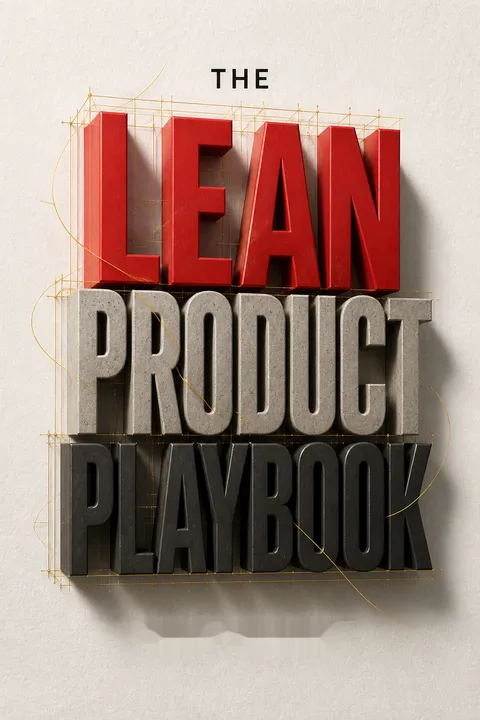
The Lean Product Playbook ha ricevuto recensioni entusiastiche, lodato per il suo approccio pratico alla gestione del prodotto. I lettori apprezzano il quadro chiaro che offre per sviluppare prodotti di successo, partendo dall’identificazione del problema fino al raggiungimento dell’adattamento al mercato. Molti lo considerano prezioso sia per chi si avvicina per la prima volta al tema, sia per professionisti esperti, sottolineandone la copertura esaustiva delle diverse fasi dello sviluppo del prodotto. Il libro viene elogiato per la sua struttura logica, gli esempi concreti e i consigli applicabili. Alcuni recensori osservano come riesca a sintetizzare concetti provenienti da altre metodologie lean, mentre pochi lo ritengono troppo elementare per chi ha già una solida esperienza nel settore.
Altri hanno letto anche




FAQ
What's "The Product Manager’s Playbook" about?
- Comprehensive Guide: "The Product Manager’s Playbook" by Stefan Richter is a comprehensive guide for both new and experienced product managers. It covers essential steps and principles of product planning, discovery, and delivery.
- Frameworks and Techniques: The book provides various product frameworks and techniques that can be customized to fit specific organizational needs, emphasizing that there is no one-size-fits-all approach.
- Holistic Overview: It offers a holistic overview of the latest product management practices used successfully in organizations worldwide, aiming to elevate product management organizations.
- Resourceful Reference: The book includes numerous references to external resources for further reading, making it a valuable resource for continuous learning.
Why should I read "The Product Manager’s Playbook"?
- Practical Insights: The book offers practical insights into building great products and elevating product management organizations, making it a valuable resource for anyone in the field.
- Experienced Author: Written by Stefan Richter, a seasoned product and tech leader, the book draws from his extensive experience in helping startups thrive.
- Actionable Advice: It provides actionable advice and frameworks that can be applied to both launching new products and growing existing ones.
- Continuous Learning: The book encourages continuous learning and adaptation of product management practices to fit specific organizational needs.
What are the key takeaways of "The Product Manager’s Playbook"?
- Product Planning: Learn how to define a product strategy and roadmap that aligns with your vision and organizational goals.
- Product Discovery: Understand the importance of building the right product by identifying key opportunities and validating solutions.
- Product Delivery: Focus on building the product right through agile development, data-driven decisions, and continuous improvement.
- Customization and Adaptation: Emphasize the need to customize frameworks and techniques to fit the specific needs of your organization or team.
What is the role of a Product Manager according to Stefan Richter?
- Customer-Centric Approach: A product manager's job is to build digital products that solve customer problems and create value for the organization.
- Key Responsibilities: Responsibilities include listening to customers, running experiments, delivering value with a team, and optimizing existing products.
- Risk Management: Product managers face challenges like value risk, usability risk, feasibility risk, and business viability risk, which they must mitigate.
- Essential Skills: Important skills include curiosity, passion for building products, empathy, communication, problem-solving, and technological proficiency.
How does "The Product Manager’s Playbook" differentiate between a Product Manager and a Product Owner?
- Role Clarity: The book clarifies that a product owner is a specific role within the Scrum framework, focusing on feature requirements and backlog management.
- Holistic Role: A product manager has a more holistic role, responsible for discovering and delivering impactful solutions and defining product strategy and roadmap.
- Empowerment: Emphasizes the importance of having empowered product managers who can handle both product discovery and delivery.
- Title and Responsibilities: Encourages organizations to clarify titles and responsibilities to ensure effective product management.
What is the importance of a Product Vision in "The Product Manager’s Playbook"?
- Foundation for Strategy: A product vision describes the dream product and lays the foundation for product strategy and roadmap.
- Characteristics: A compelling product vision is directive, clear, challenging, and focusing, guiding the team towards a common goal.
- Continuous Alignment: The vision should be aligned with the team and stakeholders, requiring continuous iteration and adaptation.
- Crafting the Vision: Crafting a product vision involves collaboration with the team and stakeholders to ensure it is meaningful and ambitious.
How does "The Product Manager’s Playbook" suggest creating a Product Strategy?
- Long-term Plan: A product strategy is a long-term plan that outlines how to turn concepts into sustainable products that drive profits and create customer value.
- Strategy Document: The strategy can be documented to provide space for thoughts and reasons, evolving over time with feedback from stakeholders.
- Key Questions: The strategy should answer key questions about problems, target groups, market development, and success measurement.
- Collaborative Effort: Emphasizes that product strategy is a collaborative and cross-functional effort, requiring alignment with company goals.
What are OKRs and how are they used in "The Product Manager’s Playbook"?
- Objective-Key Results: OKRs are a well-known way to set goals for the organization, typically planned and reviewed every three months.
- Alignment and Contribution: OKRs should align with company goals and contribute to the product strategy, ensuring relevance and focus.
- Outcome vs. Output: The book emphasizes focusing on outcomes rather than outputs, concentrating on problems instead of solutions.
- Challenging Goals: OKRs should be challenging but realistic, inspiring teams to achieve 70-80% completion on average.
How does "The Product Manager’s Playbook" approach Product Roadmaps?
- Theme-Based Roadmaps: Advocates for theme-based roadmaps that focus on outcomes rather than features, avoiding unnecessary planning work.
- Three Buckets: Initiatives are separated into three buckets: Now, Next, Later, prioritizing based on impact and ease.
- Collaborative Planning: Roadmap planning involves cross-functional collaboration and alignment with stakeholders to ensure commitment.
- Living Document: A roadmap should be a living document, representing team priorities based on the latest insights and changes.
What is the Product Discovery process in "The Product Manager’s Playbook"?
- Identifying Opportunities: Product discovery involves identifying user problems worth solving and validating potential solutions in a lean way.
- Five Phases: The process consists of problem research, solution ideation, prototyping, solution validation, and solution refinement.
- Hypothesis-Driven: Encourages a hypothesis-driven environment that values experiments and data-driven decision-making.
- Continuous Learning: Emphasizes the importance of continuous learning and adaptation to build the right product.
How does "The Product Manager’s Playbook" suggest validating solutions?
- Validation Methods: Common methods include usability tests, A/B tests, surveys, smoke tests, and staged rollouts.
- Choosing Methods: Choose validation methods based on the type of hypothesis, existing evidence, and time constraints.
- Defining Success: Define hypotheses and key metrics to measure the success of experiments, ensuring they align with goals.
- Iterative Process: Validation is an iterative process, allowing for pivots or modifications based on user feedback and data.
What are the key principles of Agile Development in "The Product Manager’s Playbook"?
- Agile Values: Agile development focuses on flexibility, collaboration, and continuous improvement, guided by agile values and principles.
- Scrum vs. Kanban: The book discusses the differences between Scrum and Kanban, emphasizing that neither is a one-size-fits-all solution.
- Agile Guide: Suggests creating an agile guide to document delivery processes, ensuring clarity and alignment within the team.
- User Stories: User stories are essential for capturing user needs and desires, helping prioritize features and functions in product development.
Sull'autore
Dan Olsen è un imprenditore, consulente ed esperto nello sviluppo di prodotti Lean. È autore di The Lean Product Playbook, un libro che nasce dalla sua vasta esperienza nella Silicon Valley. Olsen ha conseguito una laurea in ingegneria elettrica presso la Northwestern, un MBA a Stanford e un master in ingegneria industriale alla Virginia Tech, dove ha approfondito i principi della lean manufacturing. Condivide attivamente le sue conoscenze attraverso incontri mensili dedicati al Lean Product nella Silicon Valley, oltre a numerosi interventi e workshop. Il suo percorso unisce competenze tecniche a una solida preparazione manageriale, rendendolo una voce autorevole nel campo del product management e delle metodologie Lean.
Scarica PDF
Scarica EPUB
.epub digital book format is ideal for reading ebooks on phones, tablets, and e-readers.








































