मुख्य बातें
1. अहंकार व्यक्तिगत और व्यावसायिक विकास का सबसे बड़ा बाधक है
अहंकार उस चीज़ का दुश्मन है जो आप चाहते हैं और जो आपके पास है: किसी कला में महारत हासिल करने का। असली रचनात्मक अंतर्दृष्टि का। दूसरों के साथ अच्छे से काम करने का। वफादारी और समर्थन बनाने का। दीर्घायुता का। अपनी सफलता को दोहराने और बनाए रखने का।
अहंकार प्रगति में बाधा डालता है। यह हमें अपनी कमजोरियों से अनजान रखता है, दूसरों से सीखने से रोकता है, और गलत निर्णय लेने पर मजबूर करता है। अहंकार हमारी क्षमताओं को अधिक आंकता है और चुनौतियों को कमतर समझता है, जिससे असफलता का रास्ता बनता है।
नम्रता इसका इलाज है। अपनी सीमाओं को पहचानकर और प्रतिक्रिया के लिए खुले रहकर हम निरंतर सुधार और अनुकूलन कर सकते हैं। नम्रता हमें सक्षम बनाती है:
- मार्गदर्शकों की तलाश करने और उनके अनुभवों से सीखने के लिए
- रचनात्मक आलोचना स्वीकार करने और उसे विकास के लिए उपयोग करने के लिए
- दूसरों के साथ प्रभावी सहयोग करने के लिए, विविध ताकतों का लाभ उठाते हुए
- वास्तविकता में बने रहने के लिए, अतिआत्मविश्वास और संतुष्टि से बचते हुए
नम्रता का मतलब आत्मविश्वास या महत्वाकांक्षा की कमी नहीं है, बल्कि यह यथार्थवादी आत्म-मूल्यांकन और विकास की मानसिकता बनाए रखने का नाम है।
2. जुनून नहीं, नम्रता और उद्देश्य के साथ आकांक्षा रखें
जुनून—सब कुछ जुनून के बारे में है। अपना जुनून खोजो। जुनून के साथ जियो। अपनी दुनिया को अपने जुनून से प्रेरित करो।
उद्देश्य, जुनून से बेहतर है। जहाँ जुनून प्रारंभिक प्रेरणा दे सकता है, वह अक्सर क्षणिक और अविश्वसनीय होता है। वहीं उद्देश्य दीर्घकालिक सफलता के लिए स्थायी प्रेरणा प्रदान करता है।
स्पष्ट उद्देश्य विकसित करें:
- अपनी मूल मान्यताओं और जो आपके लिए वास्तव में महत्वपूर्ण है, उसे पहचानें
- ऐसे सार्थक लक्ष्य निर्धारित करें जो आपकी मान्यताओं के अनुरूप हों
- केवल व्यक्तिगत लाभ नहीं, बल्कि उस प्रभाव पर ध्यान दें जो आप बनाना चाहते हैं
- अपने उद्देश्य की प्राप्ति में धैर्य और दृढ़ता विकसित करें
जब आप अपनी आकांक्षाओं को जुनून के बजाय उद्देश्य पर आधारित करते हैं, तो आप चुनौतियों और असफलताओं का सामना बेहतर तरीके से कर पाएंगे। उद्देश्य दिशा और लचीलापन प्रदान करता है जब प्रारंभिक उत्साह कम हो जाता है।
3. सफलता के लिए निरंतर सीखना और आत्म-सुधार आवश्यक है
ज्ञान का दिखावा हमारी सबसे खतरनाक बुराई है, क्योंकि यह हमें बेहतर बनने से रोकता है। अध्ययनशील आत्म-मूल्यांकन इसका इलाज है।
जीवन भर सीखने को अपनाएं। सफलता कोई मंजिल नहीं, बल्कि निरंतर विकास और अनुकूलन की यात्रा है। जो लोग नम्र और जिज्ञासु रहते हैं, वे दीर्घकालिक सफलता के लिए सबसे बेहतर स्थिति में होते हैं।
छात्र की मानसिकता विकसित करें:
- नए अनुभवों और चुनौतियों की तलाश करें
- सवाल पूछें और दूसरों की बात ध्यान से सुनें
- अपने क्षेत्र और उससे परे व्यापक और गहरा अध्ययन करें
- अपने अनुभवों पर नियमित रूप से विचार करें और उनसे सबक निकालें
- जो नहीं जानते उसे स्वीकार करने और मदद मांगने के लिए तैयार रहें
सीखने की मानसिकता बनाए रखकर आप बदलाव के सामने लचीले रहेंगे और अपने करियर में निरंतर विकास करेंगे।
4. वास्तविकता में बने रहें और आत्म-महिमांकरण से बचें
अहंकार के साथ, यह कभी भी पर्याप्त नहीं होता। नहीं, हमें मान्यता चाहिए। हमें पुरस्कार चाहिए। खासकर यह समस्या तब होती है जब हमें वह मिल भी जाता है।
वास्तविकता में बने रहें। सफलता नशे की तरह हो सकती है, जो आत्म-महत्व की भावना को बढ़ा देती है। दीर्घकालिक सफलता और व्यक्तिगत विकास के लिए नजरिया बनाए रखना बेहद जरूरी है।
नजरिया बनाए रखने के उपाय:
- अपनी सीमाओं और सुधार के क्षेत्रों को नियमित रूप से याद दिलाएं
- भरोसेमंद मार्गदर्शकों और साथियों से ईमानदार प्रतिक्रिया लें
- अपनी सफलता में दूसरों के योगदान के लिए कृतज्ञता प्रकट करें
- खुद की तुलना दूसरों से करने या लगातार मान्यता खोजने से बचें
- बाहरी मान्यता या पुरस्कार की बजाय काम पर ध्यान केंद्रित करें
अपने और अपनी उपलब्धियों के प्रति यथार्थवादी दृष्टिकोण बनाए रखकर आप सफलता और असफलता दोनों को बेहतर तरीके से संभाल पाएंगे।
5. असफलता को सीखने का अवसर समझें
लगभग हमेशा, आपकी जीत का रास्ता 'असफलता' नामक जगह से होकर गुजरता है।
असफलता को विकास के रूप में देखें। असफलता किसी भी महत्वाकांक्षी प्रयास का अनिवार्य हिस्सा है। जो लोग असफलता से सीखकर उसे सुधार की प्रेरणा बनाते हैं, वे दीर्घकालिक सफलता हासिल करते हैं।
असफलता को अपनाने के उपाय:
- असफलताओं का वस्तुनिष्ठ विश्लेषण करें और मूल्यवान सबक निकालें
- असफलताओं को अस्थायी और विशिष्ट समझें, न कि स्थायी या सर्वव्यापी
- असफलता को कड़ी मेहनत और समझदारी से काम करने की प्रेरणा बनाएं
- नियंत्रण में रहने वाली बातों पर ध्यान केंद्रित करके लचीलापन विकसित करें
- रास्ते में छोटे-छोटे सफलताओं और प्रगति का जश्न मनाएं
असफलता के साथ अपने संबंध को बदलकर आप बाधाओं को विकास और नवाचार के अवसर में बदल सकते हैं।
6. केवल परिणामों पर नहीं, प्रयास और प्रक्रिया पर ध्यान दें
सक्रिय व्यक्ति के लिए महत्वपूर्ण है सही काम करना; सही काम हो या न हो, उसे चिंता नहीं करनी चाहिए।
यात्रा पर जोर दें। परिणाम महत्वपूर्ण होते हैं, लेकिन केवल परिणामों पर ध्यान केंद्रित करने से अल्पकालिक सोच और अनैतिक व्यवहार हो सकता है। प्रयास और प्रक्रिया को प्राथमिकता देकर आप स्थायी सफलता बनाते हैं।
अपना ध्यान बदलें:
- परिणाम-उन्मुख लक्ष्यों के साथ-साथ प्रक्रिया-उन्मुख लक्ष्य निर्धारित करें
- लगातार प्रयास और छोटे सुधारों का जश्न मनाएं
- दीर्घकालिक सफलता के लिए सिस्टम और आदतें विकसित करें
- निर्णयों का मूल्यांकन केवल परिणामों के आधार पर न करें, बल्कि तर्क की गुणवत्ता पर करें
- काम में आंतरिक प्रेरणा खोजें, न कि केवल बाहरी पुरस्कारों में
प्रयास और प्रक्रिया को महत्व देकर आप लचीलापन बनाए रखते हैं और असफलताओं या विलंबित संतुष्टि के बावजूद प्रेरित रहते हैं।
7. विपरीत परिस्थितियों में लचीलापन और आत्म-जागरूकता विकसित करें
यह एक तरह की "मागी का उपहार" विडंबना है कि हम उस चीज़ के पीछे भागते हैं जो वास्तव में सुखद नहीं होगी।
भावनात्मक बुद्धिमत्ता विकसित करें। विपरीत परिस्थितियाँ अनिवार्य हैं, लेकिन हम उनका सामना कैसे करते हैं, यह हमारी सफलता तय करता है। आत्म-जागरूकता और भावनात्मक नियंत्रण चुनौतियों को प्रभावी ढंग से पार करने के लिए आवश्यक हैं।
लचीलापन विकसित करने के उपाय:
- माइंडफुलनेस और आत्म-चिंतन का अभ्यास करें
- चुनौतियों को अवसर के रूप में देखने वाली विकास मानसिकता अपनाएं
- मार्गदर्शकों, साथियों और मित्रों का समर्थन नेटवर्क बनाएं
- जो नियंत्रित कर सकते हैं उस पर ध्यान दें और जो नहीं कर सकते उसे स्वीकार करें
- दीर्घकालिक परिणामों को ध्यान में रखकर नजरिया बनाए रखें
लचीलापन और आत्म-जागरूकता विकसित करके आप असफलताओं का सामना बेहतर करेंगे, दबाव में सही निर्णय लेंगे, और विपरीत परिस्थितियों में अपनी ईमानदारी बनाए रखेंगे।
8. आत्म-अनुशासन और भावनात्मक नियंत्रण का अभ्यास करें
कोई प्रदर्शन करने वाला नहीं है। केवल काम करना है और हमारे चारों ओर से सबक सीखना है।
अपनी भावनाओं पर नियंत्रण रखें। आत्म-अनुशासन और भावनात्मक नियंत्रण ध्यान बनाए रखने, सही निर्णय लेने, और मजबूत संबंध बनाने के लिए आवश्यक हैं।
आत्म-अनुशासन के उपाय:
- अपने लक्ष्यों का समर्थन करने वाली स्पष्ट दिनचर्या और आदतें विकसित करें
- विलंबित संतुष्टि और आवेग नियंत्रण का अभ्यास करें
- अपनी भावनात्मक ट्रिगर्स को पहचानना और प्रबंधित करना सीखें
- माइंडफुलनेस तकनीकों का उपयोग करके वर्तमान में बने रहें और ध्यान केंद्रित करें
- अपने कार्यों और उनकी आपकी मान्यताओं के साथ संगति पर नियमित रूप से विचार करें
आत्म-अनुशासन और भावनात्मक नियंत्रण विकसित करके आप चुनौतियों का सामना बेहतर करेंगे, प्रलोभनों का विरोध करेंगे, और अपने लक्ष्यों की ओर स्थिरता से बढ़ेंगे।
9. अल्पकालिक लाभों से ऊपर दीर्घकालिक चरित्र को प्राथमिकता दें
असली असफलता केवल अपने सिद्धांतों को छोड़ देना है। जिसे आप प्यार करते हैं उसे मार देना क्योंकि उससे दूर होना सहन नहीं कर सकते, स्वार्थी और मूर्खतापूर्ण है।
स्थायी चरित्र बनाएं। सच्ची सफलता केवल बाहरी उपलब्धियों के बारे में नहीं, बल्कि ईमानदारी और सिद्धांतों वाला व्यक्ति बनने के बारे में है।
स्थायी गुण विकसित करें:
- अपनी मूल मान्यताओं को परिभाषित करें और उन्हें निर्णय लेने के मार्गदर्शक के रूप में उपयोग करें
- अल्पकालिक लाभों की बजाय दीर्घकालिक प्रतिष्ठा चुनें
- कठिनाइयों में भी ईमानदारी और पारदर्शिता का अभ्यास करें
- अपने कार्यों की जिम्मेदारी लें और गलतियों से सीखें
- दूसरों के साथ लगातार सम्मान और दयालुता से पेश आएं
चरित्र विकास को प्राथमिकता देकर आप स्थायी सफलता और व्यक्तिगत संतुष्टि की नींव रखते हैं, जो बाहरी उपलब्धियों से कहीं अधिक गहरी होती है।
समीक्षा सारांश
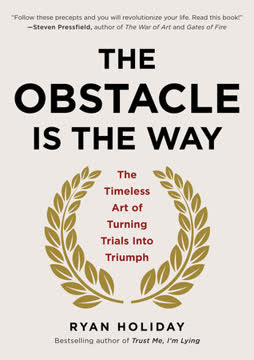
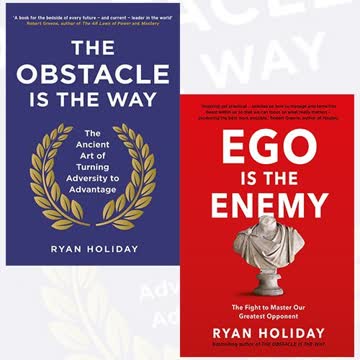
The Obstacle is the Way / Ego is the Enemy को अधिकांश पाठकों से सकारात्मक प्रतिक्रिया मिली है, और इसकी औसत रेटिंग 5 में से 4.39 है। पाठक इस पुस्तक को ज्ञानवर्धक और उपयोगी मानते हैं, खासकर इसकी वह क्षमता कि यह पाठक को असहज महसूस कराते हुए अहंकार की विनाशकारी प्रकृति पर प्रभावशाली कहानियाँ प्रस्तुत करती है। कई लोग इसकी स्टोइक दर्शनशास्त्र की सराहना करते हैं और इसे जीवन सुधारने के लिए एक महत्वपूर्ण साधन मानते हैं। हालांकि, कुछ पाठकों को यह पुस्तक जटिल लगी या वे इसके संदेश से सहमत नहीं थे। कुल मिलाकर, यह पुस्तक अहंकार की भूमिका को सफलता और सुख में समझने के लिए एक गहन और विचारोत्तेजक प्रयास के रूप में देखी जाती है।
लोग यह भी पढ़ते हैं



 इमर्सिव
 इमर्सिव


 इमर्सिव
 इमर्सिव


अक्सर पूछे जाने वाले प्रश्न
1. What’s "Ego Is the Enemy" by Ryan Holiday about?
- Core Premise: The book explores how ego—defined as an unhealthy belief in our own importance—undermines ambition, success, and resilience.
- Three-Part Structure: Holiday organizes the book into three stages of life: Aspire, Success, and Failure, showing how ego is a threat at each stage.
- Historical and Modern Examples: The book uses stories from history, business, sports, and the author’s own life to illustrate how ego can sabotage or support our goals.
- Practical Philosophy: Drawing heavily from Stoic philosophy, Holiday offers actionable advice for recognizing, managing, and overcoming ego in pursuit of personal and professional growth.
2. Why should I read "Ego Is the Enemy" by Ryan Holiday?
- Universal Relevance: Ego is a challenge for anyone with ambition, talent, or drive, making the book relevant to a wide audience—leaders, creatives, entrepreneurs, and students alike.
- Actionable Insights: The book provides practical strategies and mindsets to help readers avoid self-sabotage and achieve lasting success.
- Real-World Stories: Holiday’s use of vivid historical and contemporary examples makes the lessons memorable and relatable.
- Personal Growth: Readers will learn how to cultivate humility, discipline, and resilience, which are essential for both personal fulfillment and professional achievement.
3. What are the key takeaways from "Ego Is the Enemy"?
- Ego Undermines Success: Ego can blind us to reality, make us resistant to feedback, and lead to poor decisions, especially when we’re aspiring, succeeding, or failing.
- Humility and Self-Awareness: Lasting achievement comes from humility, continuous learning, and honest self-assessment, not from arrogance or self-promotion.
- Focus on the Work, Not Recognition: True confidence is earned through effort and results, not through external validation or storytelling.
- Resilience in Adversity: Managing ego helps us recover from setbacks, learn from failure, and avoid compounding mistakes with denial or blame.
4. How does Ryan Holiday define "ego" in "Ego Is the Enemy"?
- Unhealthy Self-Importance: Ego is described as an unhealthy belief in our own importance, characterized by arrogance, entitlement, and self-centered ambition.
- Separation from Reality: Ego is what separates us from the world, distorts our perception, and makes us resistant to feedback and growth.
- Not Just Confidence: Holiday distinguishes ego from healthy confidence; ego is delusional and self-anointed, while confidence is earned and grounded in reality.
- A Universal Challenge: Ego is not limited to "egomaniacs"—it’s a subtle, pervasive force that can affect anyone, especially those with ambition.
5. What is the three-part structure (Aspire, Success, Failure) in "Ego Is the Enemy" and why is it important?
- Aspire: This stage covers the dangers of ego when we’re starting out—overconfidence, talking instead of doing, and seeking validation over mastery.
- Success: Here, ego can make us complacent, entitled, or paranoid, leading to poor decisions and the erosion of what we’ve built.
- Failure: In adversity, ego can prevent us from learning, accepting responsibility, or recovering, often making setbacks worse.
- Continuous Cycle: Holiday emphasizes that we move fluidly between these stages throughout life, and ego is a threat at every point.
6. What are the main strategies Ryan Holiday recommends for overcoming ego in "Ego Is the Enemy"?
- Become a Lifelong Student: Always seek to learn, accept feedback, and recognize that you don’t know everything, no matter your level of success.
- Focus on the Work: Prioritize action and results over talk, recognition, or storytelling about your achievements.
- Practice Restraint and Humility: Resist the urge to react emotionally, seek credit, or assert your importance—especially in challenging situations.
- Maintain Perspective: Regularly remind yourself of your place in the larger world, and meditate on the immensity of life to keep ego in check.
7. What is the "Canvas Strategy" in "Ego Is the Enemy" and how can it help me?
- Definition: The Canvas Strategy means clearing the path for others, supporting their success, and creating opportunities for them to shine.
- Long-Term Payoff: By helping others and subsuming your ego, you build relationships, learn diverse skills, and become indispensable.
- Humility in Action: It’s about being willing to do grunt work, defer credit, and focus on contribution rather than recognition.
- Control the Direction: Ultimately, those who clear the path for others often end up shaping the direction of projects and organizations.
8. How does "Ego Is the Enemy" address the difference between passion and purpose?
- Passion as a Weakness: Holiday warns that unbridled passion can lead to overconfidence, poor preparation, and burnout.
- Purpose as Strength: Purpose is described as passion with boundaries—deliberate, focused, and resilient in the face of obstacles.
- Realism Over Zeal: The book advocates for realism, patience, and methodical progress rather than impulsive, passionate action.
- Sustainable Success: Purpose, not passion, is what sustains long-term achievement and helps avoid the pitfalls of ego.
9. What are some of the most powerful stories or examples used in "Ego Is the Enemy"?
- William Tecumseh Sherman: His humility, realism, and willingness to defer credit are contrasted with more egotistical leaders.
- Howard Hughes: Serves as a cautionary tale of how unchecked ego can lead to self-destruction, waste, and misery.
- Katharine Graham: Her journey through adversity at the Washington Post illustrates resilience and the importance of humility in leadership.
- Tom Brady and the Patriots: Their focus on continuous improvement and internal standards over external validation exemplifies ego management.
10. What are the best quotes from "Ego Is the Enemy" and what do they mean?
- “Ego is the enemy—giving us wicked feedback, disconnected from reality.” This highlights how ego distorts our self-perception and hinders growth.
- “The first principle is that you must not fool yourself—and you are the easiest person to fool.” (Richard Feynman) Used to emphasize the importance of self-honesty.
- “Be humble in your aspirations, gracious in your success, and resilient in your failures.” This is the book’s core prescription for navigating life’s stages.
- “It is impossible to learn that which one thinks one already knows.” (Epictetus) A reminder that ego blocks learning and improvement.
11. How does "Ego Is the Enemy" relate to Stoic philosophy and other classical wisdom?
- Stoic Influence: The book draws heavily from Stoic thinkers like Marcus Aurelius, Seneca, and Epictetus, emphasizing self-mastery, humility, and acceptance.
- Virtue and Self-Control: Holiday echoes Stoic teachings that virtue, not external success, is the highest good, and that self-control is essential for a meaningful life.
- Historical Analogies: The book uses analogies like Aristotle’s “warped wood” to illustrate the need for constant correction and self-awareness.
- Timeless Lessons: By grounding advice in classical wisdom, Holiday shows that the struggle with ego is universal and enduring.
12. What should I do after reading "Ego Is the Enemy" to continue managing my ego and applying its lessons?
- Daily Practice: Treat ego management as a daily discipline, like sweeping the floor—ego accumulates and must be regularly addressed.
- Continuous Learning: Keep reading, seeking feedback, and challenging your assumptions to stay humble and open-minded.
- Reflect and Reassess: Regularly evaluate your motivations, actions, and reactions to ensure they’re not driven by ego.
- Focus on Character: Strive to perfect your personal virtues—humility, resilience, and selflessness—as these are the foundation for lasting success and fulfillment.
लेखक के बारे में
अन्य किताबें — रायन हॉलिडे