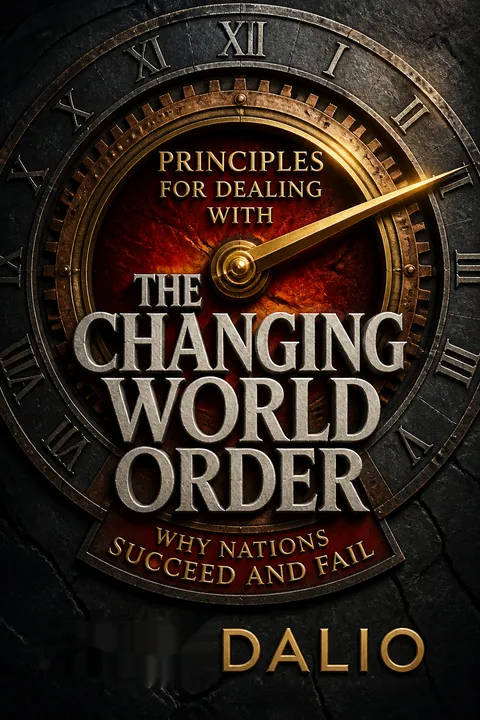

मुख्य बातें
1. बड़ा चक्र: साम्राज्य उभरते और गिरते हैं एक निश्चित क्रम में
"जो कुछ भी हुआ है और जो कुछ भी होगा, उसके पीछे ऐसे कारण होते हैं जो उसे संभव बनाते हैं।"
बड़ा चक्र फ्रेमवर्क इतिहास में साम्राज्यों के उत्थान और पतन को समझाता है। यह चक्र आमतौर पर लगभग 250 वर्षों (थोड़ा ऊपर-नीचे 150 साल) में पूरा होता है और इसके कई चरण होते हैं:
- उभार: एक नया क्रम मजबूत नेतृत्व और संस्थानों के साथ शुरू होता है
- शिखर: साम्राज्य अपनी समृद्धि और शक्ति की चरम सीमा पर पहुँचता है
- पतन: आंतरिक संघर्ष और बाहरी चुनौतियाँ उभरती हैं
- संकट: आर्थिक, सामाजिक और राजनीतिक दबाव चरम पर पहुँचते हैं
- मंदी/क्रांति/युद्ध: पुराना क्रम टूट जाता है
- नया क्रम: पुनर्गठित प्रणालियों के साथ एक नया चक्र शुरू होता है
इस चक्र को चलाने वाले मुख्य कारक हैं:
- आर्थिक ताकत और उत्पादकता
- तकनीकी नवाचार और शिक्षा
- सैन्य शक्ति और वैश्विक प्रभाव
- ऋण स्तर और वित्तीय स्थिरता
- सामाजिक एकता और धन वितरण
2. पैसा, क्रेडिट और ऋण आर्थिक चक्र और शक्ति के बदलाव को संचालित करते हैं
"अगर आप पैसे और क्रेडिट कैसे काम करते हैं यह नहीं समझते, तो आप सिस्टम को नहीं समझ सकते, और अगर सिस्टम को नहीं समझेंगे तो आने वाले बदलावों को भी नहीं समझ पाएंगे।"
ऋण चक्र आर्थिक और शक्ति के समीकरणों को आकार देने में अहम भूमिका निभाता है। यह चक्र दो मुख्य भागों में बंटा है:
-
अल्पकालिक ऋण चक्र (5-8 साल):
- विस्तार: आसान क्रेडिट से आर्थिक विकास होता है
- संकुचन: कड़ी क्रेडिट से मंदी आती है
-
दीर्घकालिक ऋण चक्र (75-100 साल):
- दशकों में ऋण का संचय
- ऋण बुलबुला और अंततः संकट
- ऋण कम करना और आर्थिक पुनर्गठन
इन चक्रों को समझना मदद करता है:
- आर्थिक उछाल और गिरावट की भविष्यवाणी में
- मुद्रास्फीति और मूल्यह्रास के रुझानों को जानने में
- मुद्रा के मूल्य और विनिमय दरों को समझने में
- वैश्विक आर्थिक शक्ति के बदलावों का अनुमान लगाने में
3. आंतरिक व्यवस्था और अव्यवस्था राष्ट्र की दिशा तय करती है
"लोग एक-दूसरे के साथ कैसे हैं, यह उनके परिणामों का मुख्य कारण होता है।"
आंतरिक स्थिरता किसी राष्ट्र की सफलता और दीर्घायु के लिए अत्यंत आवश्यक है। आंतरिक व्यवस्था और अव्यवस्था का चक्र आमतौर पर इन चरणों से गुजरता है:
- मजबूत नेतृत्व सत्ता को मजबूत करता है
- प्रभावी संस्थान बनाए जाते हैं
- शांति और समृद्धि फलती-फूलती है
- खर्च और ऋण में अत्यधिक वृद्धि होती है
- धन का असमान वितरण सामाजिक तनाव बढ़ाता है
- आंतरिक संघर्ष बढ़ते हैं, जो गृहयुद्ध तक पहुंच सकते हैं
आंतरिक व्यवस्था को प्रभावित करने वाले कारक:
- नेतृत्व और शासन की गुणवत्ता
- संस्थानों की मजबूती और कानून का शासन
- आर्थिक अवसर और सामाजिक गतिशीलता
- धन वितरण और सामाजिक एकता
- शिक्षा और साझा मूल्य
4. बाहरी संघर्ष और भू-राजनीति वैश्विक शक्ति के समीकरण को प्रभावित करते हैं
"सभी देशों के पास समय के साथ ऐसे सिस्टम या व्यवस्थाएं होती हैं जो यह तय करती हैं कि वे एक-दूसरे से कैसे निपटेंगे।"
भू-राजनीतिक संबंध वैश्विक शक्ति के संतुलन को आकार देते हैं। बाहरी व्यवस्था और अव्यवस्था के मुख्य पहलू हैं:
- गठबंधनों और प्रतिद्वंद्विताओं का निर्माण
- आर्थिक और व्यापारिक संबंध
- सैन्य संघर्ष और हथियारों की दौड़
- कूटनीतिक वार्ताएं और संधियां
- संसाधनों और प्रभाव के लिए प्रतिस्पर्धा
राष्ट्रों के बीच संघर्ष के प्रकार:
- व्यापार/आर्थिक युद्ध
- तकनीकी युद्ध
- भू-राजनीतिक युद्ध
- पूंजी युद्ध
- सैन्य युद्ध
इन गतिशीलताओं को समझना वैश्विक शक्ति के बदलाव और संभावित संघर्ष क्षेत्रों की भविष्यवाणी में मदद करता है।
5. शिक्षा, नवाचार और प्रतिस्पर्धा राष्ट्रीय सफलता के ईंधन हैं
"मानव उत्पादकता वह सबसे महत्वपूर्ण शक्ति है जो समय के साथ विश्व की कुल संपत्ति, शक्ति और जीवन स्तर को बढ़ाती है।"
मानव पूंजी विकास किसी राष्ट्र की दीर्घकालिक सफलता के लिए अनिवार्य है। मुख्य कारक हैं:
- शिक्षा प्रणाली की गुणवत्ता और पहुँच
- अनुसंधान और विकास में निवेश
- उद्यमशीलता संस्कृति और समर्थन
- तकनीकी नवाचार और अपनाना
- कार्यबल के कौशल और अनुकूलन क्षमता
मजबूत मानव पूंजी के लाभ:
- आर्थिक उत्पादकता में वृद्धि
- उच्च जीवन स्तर
- वैश्विक प्रतिस्पर्धा में बढ़त
- सामाजिक चुनौतियों को हल करने की बेहतर क्षमता
- बदलावों के सामने लचीलापन
जो देश इन क्षेत्रों को प्राथमिकता देते हैं, वे वैश्विक शक्ति रैंकिंग में ऊपर उठते हैं और अपनी स्थिति लंबे समय तक बनाए रखते हैं।
6. धन असमानता और सामाजिक अशांति बड़े शक्ति बदलावों से पहले आती है
"इतिहास में विभिन्न समूहों (जैसे जनजातियाँ, राज्य, देश आदि) ने धन और शक्ति हासिल की है—या तो खुद बनाकर, दूसरों से लेकर, या जमीन में खोजकर।"
धन असमानता अक्सर सामाजिक और राजनीतिक अस्थिरता का कारण बनती है। इसका सामान्य क्रम है:
- आर्थिक विकास का लाभ कुछ चुनिंदा लोगों को मिलता है
- समय के साथ धन का अंतर बढ़ता है
- सामाजिक तनाव बढ़ते हैं
- जनवादी आंदोलन सक्रिय होते हैं
- राजनीतिक ध्रुवीकरण गहरा होता है
- क्रांति या बड़े सुधार की संभावना बढ़ती है
धन असमानता के कारण:
- शिक्षा और अवसरों की असमान पहुँच
- तकनीकी बदलाव से श्रम बाजार में व्यवधान
- वैश्वीकरण और आउटसोर्सिंग
- कर नीतियाँ जो पूंजी को श्रम पर प्राथमिकता देती हैं
- कॉर्पोरेट शक्ति का केंद्रीकरण
धन असमानता को कम करना सामाजिक स्थिरता बनाए रखने और विनाशकारी संघर्षों को रोकने के लिए आवश्यक है।
7. आरक्षित मुद्रा का दर्जा विशेषाधिकार और संवेदनशीलता दोनों लाता है
"आरक्षित मुद्रा होना तब तक अच्छा है जब तक वह बनी रहती है क्योंकि यह देश को असाधारण उधार लेने और खर्च करने की शक्ति देता है, साथ ही विश्व में किसे पैसा और क्रेडिट मिलेगा, इस पर भी महत्वपूर्ण प्रभाव डालता है।"
आरक्षित मुद्रा की गतिशीलता वैश्विक आर्थिक शक्ति में अहम भूमिका निभाती है। इसके लाभ और जोखिम हैं:
लाभ:
- जारीकर्ता देश के लिए कम उधार लागत
- मुद्रा और उसके ऋण की वैश्विक मांग
- बड़े व्यापार घाटे चलाने की क्षमता
- वित्तीय प्रणाली के माध्यम से भू-राजनीतिक प्रभाव
जोखिम:
- मुद्रा में वैश्विक विश्वास बनाए रखने का दबाव
- अत्यधिक ऋण संचय की संभावना
- वैश्विक मनोवृत्ति में बदलाव के प्रति संवेदनशीलता
- अंततः आरक्षित मुद्रा का दर्जा खोने का खतरा
ऐतिहासिक आरक्षित मुद्राएं:
- डच गिल्डर
- ब्रिटिश पाउंड
- अमेरिकी डॉलर
इन गतिशीलताओं को समझना वैश्विक आर्थिक शक्ति और मुद्रा मूल्यों में संभावित बदलावों की भविष्यवाणी में मदद करता है।
8. अमेरिका-चीन प्रतिद्वंद्विता ऐतिहासिक शक्ति संक्रमण की गूँज है
"विश्व व्यवस्था अब तेजी से ऐसे महत्वपूर्ण बदलावों से गुजर रही है जो हमारे जीवनकाल में पहले कभी नहीं हुए, लेकिन इतिहास में कई बार हो चुके हैं।"
वर्तमान अमेरिका-चीन संबंध उभरती और स्थापित शक्तियों के ऐतिहासिक पैटर्न की नकल करते हैं। इस प्रतिद्वंद्विता के मुख्य पहलू हैं:
-
आर्थिक प्रतिस्पर्धा:
- व्यापार विवाद
- तकनीकी दौड़
- मुद्रा और पूंजी बाजार
-
भू-राजनीतिक तनाव:
- क्षेत्रीय विवाद (जैसे दक्षिण चीन सागर, ताइवान)
- प्रभाव के क्षेत्र में प्रतिस्पर्धा
- सैन्य आधुनिकीकरण और शक्ति प्रदर्शन
-
वैचारिक अंतर:
- राजनीतिक प्रणालियाँ (लोकतंत्र बनाम राज्य पूंजीवाद)
- मानवाधिकार और शासन दर्शन
- वैश्विक शासन के दृष्टिकोण
ऐतिहासिक समानताएं:
- प्राचीन ग्रीस में एथेंस और स्पार्टा
- प्रथम विश्व युद्ध से पहले ब्रिटेन और जर्मनी
- शीत युद्ध के दौरान अमेरिका और सोवियत संघ
इन गतिशीलताओं को समझना दोनों शक्तियों के बीच संभावित संघर्ष और सहयोग के क्षेत्रों का अनुमान लगाने में मदद करता है।
9. निवेश रणनीतियाँ दीर्घकालिक आर्थिक चक्रों के अनुसार ढलनी चाहिए
"सभी बाजार मुख्य रूप से चार कारणों से चलते हैं: विकास, मुद्रास्फीति, जोखिम प्रीमियम, और छूट दरें।"
दीर्घकालिक आर्थिक चक्रों के निवेश पर प्रभाव महत्वपूर्ण हैं। मुख्य विचार हैं:
-
परिसंपत्ति आवंटन:
- देशों, मुद्राओं और परिसंपत्ति वर्गों में विविधता लाएं
- ऋण चक्र के चरण को ध्यान में रखकर निर्णय लें
- आर्थिक और भू-राजनीतिक परिवर्तनों के अनुसार अनुकूलित करें
-
मुद्रा जोखिम:
- संभावित मुद्रा अवमूल्यन से सावधान रहें
- सोना और अन्य ठोस संपत्तियों को हेज के रूप में देखें
-
ऋण स्तर:
- सरकारी और निजी क्षेत्र के ऋण स्तरों पर नजर रखें
- प्रणाली में अत्यधिक उधारी से बचें
-
तकनीकी व्यवधान:
- नवाचार को बढ़ावा देने वाले क्षेत्रों और कंपनियों में निवेश करें
- तकनीकी बदलाव से प्रभावित उद्योगों से सतर्क रहें
-
भू-राजनीतिक जोखिम:
- व्यापार तनाव और संघर्षों के प्रभाव को समझें
- विभिन्न भू-राजनीतिक क्षेत्रों में विविधता लाएं
इन दीर्घकालिक चक्रों को समझकर निवेशक भविष्य के आर्थिक और बाजार परिवर्तनों के लिए बेहतर स्थिति में रह सकते हैं।
10. भविष्य की विश्व व्यवस्था वर्तमान वैश्विक रुझानों से आकार लेगी
"शांति और समृद्धि के लिए, एक समाज में वह उत्पादकता होनी चाहिए जिससे अधिकांश लोगों को लाभ मिले।"
उभरते वैश्विक रुझान भविष्य की विश्व व्यवस्था को प्रभावित करेंगे। मुख्य कारक हैं:
-
तकनीकी प्रगति:
- कृत्रिम बुद्धिमत्ता और स्वचालन
- जैव प्रौद्योगिकी और स्वास्थ्य नवाचार
- स्वच्छ ऊर्जा और स्थिरता समाधान
-
जनसांख्यिकीय बदलाव:
- विकसित देशों में वृद्ध होती आबादी
- उभरते बाजारों में बढ़ती मध्यवर्गीय आबादी
- प्रवासन पैटर्न और शहरीकरण
-
जलवायु परिवर्तन:
- अर्थव्यवस्थाओं पर पर्यावरणीय प्रभाव
- स्थायी ऊर्जा स्रोतों की ओर संक्रमण
- संसाधन आधारित संघर्षों की संभावना
-
वैश्विक संस्थानों का विकास:
- अंतरराष्ट्रीय संगठनों में सुधार
- नए गठबंधन और आर्थिक ब्लॉक
- वैश्विक शासन मॉडल में बदलाव
-
सांस्कृतिक और सामाजिक परिवर्तन:
- काम के नए तरीके (जैसे दूरस्थ कार्य)
- उपभोक्ता प्राथमिकताओं में बदलाव
- सामाजिक मूल्यों और प्राथमिकताओं में बदलाव
इन रुझानों को समझकर व्यक्ति, व्यवसाय और नीति निर्माता बेहतर तैयारी कर सकते हैं और भविष्य की विश्व व्यवस्था को आकार दे सकते हैं।
समीक्षा सारांश
रे डेलियो की पुस्तक "परिवर्तनशील विश्व व्यवस्था से निपटने के सिद्धांत" वैश्विक शक्ति के इतिहासिक चक्रों का गहन विश्लेषण प्रस्तुत करती है। पाठक डेलियो की आर्थिक और भू-राजनीतिक प्रवृत्तियों, विशेषकर अमेरिका-चीन संबंधों पर उनकी सूक्ष्म समझ की सराहना करते हैं। पुस्तक का आंकड़ों पर आधारित दृष्टिकोण और दीर्घकालिक नजरिया प्रशंसनीय हैं, हालांकि कुछ लोग इसकी पुनरावृत्ति और संभावित पक्षपात की आलोचना भी करते हैं। जहां कई पाठक इसकी सामग्री को विचारोत्तेजक पाते हैं, वहीं डेलियो की भविष्यवाणियों और व्याख्याओं पर मतभेद भी देखने को मिलते हैं। पुस्तक की संरचना और लेखन शैली को लेकर भी मिश्रित प्रतिक्रियाएं हैं; कुछ इसे गहन और सूचनाप्रद मानते हैं, तो कुछ इसकी शब्दावली की अधिकता से जूझते हैं।
लोग यह भी पढ़ते हैं





अक्सर पूछे जाने वाले प्रश्न
What's Principles for Dealing with the Changing World Order about?
- Historical Cycles: The book examines the rise and fall of empires, focusing on the cyclical nature of wealth and power dynamics. It highlights how these cycles are driven by universal principles.
- Big Cycle Framework: Ray Dalio introduces the "Big Cycle," which includes economic, political, and social factors influencing the rise and fall of nations.
- Current Global Dynamics: The book discusses contemporary geopolitical tensions, especially between the US and China, and how these dynamics may evolve.
Why should I read Principles for Dealing with the Changing World Order?
- Timely Insights: Given current global uncertainties, Dalio's analysis offers valuable perspectives on anticipating and responding to significant changes.
- Practical Application: The book provides actionable advice based on historical precedents, applicable to personal and professional life, especially in investment and economic decision-making.
- Expertise of the Author: Ray Dalio's experience as a successful investor lends credibility to his analysis, making it a valuable resource for understanding global macroeconomic trends.
What are the key takeaways of Principles for Dealing with the Changing World Order?
- Cycles of Rise and Decline: All empires experience cycles of growth and decay, influenced by economic, political, and social factors. Recognizing these cycles can help predict future trends.
- Importance of Adaptability: Nations and individuals must adapt to changing circumstances, with flexibility and a willingness to learn from history being crucial for success.
- Wealth and Power Dynamics: The book highlights how wealth and power concentration among a small elite can lead to societal tensions, emphasizing the need to address these disparities.
What are the best quotes from Principles for Dealing with the Changing World Order and what do they mean?
- "The times ahead will be radically different from those we’ve experienced in our lifetimes.": This quote underscores the inevitability of change and the importance of preparing for it.
- "Understanding history in this way also raises questions whose answers provide us with valuable clues on what the future will be like.": It emphasizes the value of historical study in informing present and future decisions.
- "The biggest thing affecting most people in most countries through time is the struggle to make, take, and distribute wealth and power.": This encapsulates the central theme of the book, highlighting the ongoing conflict over resources.
What is the "Big Cycle" as defined in Principles for Dealing with the Changing World Order?
- Definition of Big Cycle: The "Big Cycle" refers to recurring patterns of rise and decline that nations experience over time, encompassing economic, political, and social factors.
- Stages of the Cycle: Dalio outlines stages such as the rise of new leadership, periods of prosperity, and eventual decline due to internal and external pressures.
- Historical Examples: The book provides examples of empires like the Dutch, British, and American, illustrating how they followed similar patterns.
How does Ray Dalio define the long-term debt cycle in Principles for Dealing with the Changing World Order?
- Definition of the Cycle: The long-term debt cycle lasts 50 to 75 years and involves debt accumulation leading to a crisis, with stages including initial prosperity and eventual defaults.
- Stages of the Cycle: Dalio outlines six stages, from low debt and hard money to increased borrowing and crises, reflecting economic conditions and responses.
- Impact on Economies: This cycle affects both individual nations and the global economy, helping anticipate economic downturns and necessary adjustments.
How does Principles for Dealing with the Changing World Order explain the decline of empires?
- Common Themes in Decline: Dalio identifies themes like growing inequality, fiscal problems, and internal conflict, often leading to civil unrest and revolutions.
- Economic Mismanagement: Empires often face economic mismanagement, leading to excessive debt and inflation, eroding public trust and destabilizing politics.
- External Pressures: External pressures, such as military conflicts and competition from rising powers, can accelerate an empire's decline.
What are the implications of the US-China relationship discussed in Principles for Dealing with the Changing World Order?
- Rising Tensions: The book highlights increasing tensions between the US and China in trade, technology, and military domains as part of a broader struggle for dominance.
- Potential for Conflict: Dalio warns that competition could lead to military conflict, especially over issues like Taiwan, emphasizing careful management of differences.
- Global Impact: The US-China relationship affects global trade, economics, and geopolitics, making understanding it essential for anticipating future developments.
How does Principles for Dealing with the Changing World Order address the concept of monetary systems?
- Types of Monetary Systems: Dalio discusses hard currency, commodity-backed currency, and fiat currency, each with implications for economic stability and growth.
- Historical Patterns: The book outlines transitions between these systems throughout history, often leading to inflation and economic crises.
- China's Monetary Evolution: Dalio highlights China's historical experiences with monetary systems, informing current Chinese monetary policy and global finance approach.
How does Ray Dalio define populism in Principles for Dealing with the Changing World Order?
- Political and Social Phenomenon: Populism arises when ordinary people feel ignored by elites, leading to leaders who claim to represent the common man.
- Emotional Appeal: Populist leaders appeal to emotions rather than rational discourse, fostering division and conflict between factions.
- Historical Examples: The book references historical instances like communism and fascism to illustrate populism's potential consequences.
How does Principles for Dealing with the Changing World Order suggest nations can prepare for future challenges?
- Long-term Planning: Dalio advocates for strategic planning, emphasizing understanding historical patterns to inform current decisions.
- Adaptability and Resilience: Nations must be adaptable and resilient, prepared for economic downturns, social unrest, and geopolitical conflicts.
- Collaboration and Understanding: Building relationships based on respect and shared interests can help mitigate conflicts and foster stability.
How can I apply the principles from Principles for Dealing with the Changing World Order to my personal life?
- Financial Awareness: Dalio encourages assessing financial situations critically, understanding income, expenses, and debt levels for informed decisions.
- Long-term Thinking: The book promotes a long-term perspective on investments and personal goals, focusing on sustainable growth.
- Engagement in Societal Issues: Understanding wealth and power dynamics can motivate engagement in social and political issues, contributing to positive change.
लेखक के बारे में
अन्य किताबें — रे डालियो

PDF डाउनलोड करें
EPUB डाउनलोड करें
.epub digital book format is ideal for reading ebooks on phones, tablets, and e-readers.








































