
मुख्य बातें
1. मनुष्य पृथ्वी के मूल निवासी नहीं हैं
"जब आप इस पुस्तक को पढ़ेंगे और हमारे चारों ओर मौजूद रोजमर्रा के साक्ष्यों की गहराई से जानकारी हासिल करेंगे, तो मुझे यकीन है कि आप भी मेरे जैसे ही निष्कर्ष पर पहुंचेंगे: मनुष्य निश्चित रूप से पृथ्वी के मूल निवासी नहीं हैं।"
जैविक असंगति। मनुष्यों में कई ऐसे गुण पाए जाते हैं जो दर्शाते हैं कि हम मूल रूप से पृथ्वी पर रहने के लिए उपयुक्त नहीं हैं। हमारा शरीर सूरज की रोशनी के प्रति अत्यंत संवेदनशील है, हमें पर्यावरणीय चुनौतियों से बचाव के लिए प्राकृतिक सुरक्षा नहीं मिली है, और हम तकनीकी सहायता के बिना जीवित रहना मुश्किल पाते हैं।
प्रमुख शारीरिक असंगतियाँ:
- पराबैंगनी विकिरण के प्रति अत्यधिक संवेदनशीलता
- शरीर के तापमान को स्वाभाविक रूप से नियंत्रित न कर पाना
- कमजोर त्वचा और सीमित प्राकृतिक सुरक्षा
- पृथ्वी के मूल जीवों में न देखे जाने वाले दीर्घकालिक स्वास्थ्य समस्याएँ
जीवित रहने की चुनौतियाँ। पृथ्वी के अन्य जीवों के विपरीत, मनुष्यों को जीवित रहने के लिए व्यापक तकनीकी और चिकित्सा सहायता की आवश्यकता होती है। हमारी अंतर्निहित शारीरिक कमजोरियाँ यह संकेत देती हैं कि हमारा उद्गम किसी अन्य ग्रह पर हुआ होगा, जहाँ पर्यावरण अधिक स्थिर और कम कठोर था।
2. हमारे जीनोम में बाहरी हस्तक्षेप के प्रमाण हैं
"हमारे जीनोम में हस्तक्षेप के प्रमाणों की भरमार है।"
जैविक संशोधन। वैज्ञानिक जांच में मानव DNA में कई असामान्यताएँ पाई गई हैं, जिनमें अनजाने जीन स्प्लाइस, कृत्रिम संशोधन और 223 ऐसे अनोखे जीन शामिल हैं जो अन्य प्रजातियों में नहीं पाए जाते।
प्रमुख आनुवंशिक साक्ष्य:
- 223 अनाथ जीन जिनकी उत्पत्ति अज्ञात है
- बाहरी हस्तक्षेप के संकेत देने वाले जीन संबंधी "दाग"
- कई विदेशी प्रजातियों से संभावित DNA योगदान
- अनसुलझे आनुवंशिक उत्परिवर्तन और विरासत में मिली बीमारियाँ
संकरता का सिद्धांत। शोधकर्ता मानते हैं कि हमारा वर्तमान जीन संरचना विदेशी सभ्यताओं द्वारा जानबूझकर किए गए हस्तक्षेपों का परिणाम है, जिसमें पृथ्वी के मूल होमिनिन, विदेशी प्रजातियों और हमारे मूल ग्रह के जीनों का संयोजन शामिल हो सकता है।
3. दीर्घकालिक बीमारियाँ विदेशी उत्पत्ति का संकेत देती हैं
"यदि आप मनुष्य हैं और पृथ्वी पर जन्मे हैं, तो मैं यह दलील देता हूँ कि आप 100 प्रतिशत स्वस्थ नहीं हैं, और न ही आप 100 प्रतिशत शारीरिक रूप से परिपूर्ण हैं।"
सार्वभौमिक स्वास्थ्य चुनौतियाँ। लगभग हर मनुष्य किसी न किसी दीर्घकालिक बीमारी से पीड़ित है, चाहे वह मामूली रोग हो या गंभीर आनुवंशिक विकार, जो पृथ्वी के मूल जीवों में अभूतपूर्व है।
दीर्घकालिक रोगों के प्रकार:
- आनुवंशिक विकार
- स्वप्रतिरक्षित बीमारियाँ
- मानसिक स्वास्थ्य समस्याएँ
- शारीरिक कमजोरियाँ
- विरासत में मिली चिकित्सा जटिलताएँ
जैविक असंगति। मानव स्वास्थ्य समस्याओं की व्यापकता और विविधता यह दर्शाती है कि हम पृथ्वी के जैविक तंत्र के साथ मूल रूप से मेल नहीं खाते, जो संभवतः हमारे किसी अन्य ग्रह के भिन्न जैव रासायनिक वातावरण से उत्पन्न होने का संकेत है।
4. प्राचीन सभ्यताएँ प्रागैतिहासिक मानव उपस्थिति का प्रमाण देती हैं
"ऐसे अनेक प्रमाण हैं जो दिखाते हैं कि हम पृथ्वी पर मुख्यधारा के वैज्ञानिकों के विश्वास से कहीं अधिक समय से मौजूद हैं।"
पुरातात्विक विसंगतियाँ। कई अवशेष और पुरातात्विक खोजें यह संकेत देती हैं कि मानव पृथ्वी पर मुख्यधारा के वैज्ञानिक कालखंडों से लाखों वर्ष पहले से मौजूद थे, जिनमें तकनीकी अवशेष और अनसुलझी संरचनाएँ शामिल हैं।
महत्वपूर्ण पुरातात्विक खोजें:
- बहु-मिलियन वर्ष पुराने भूवैज्ञानिक स्तरों में पाए गए अवशेष
- प्रागैतिहासिक काल के उन्नत तकनीकी अवशेष
- अनसुलझे विशाल संरचनाएँ
- प्राचीन संस्कृतियों में सटीक खगोलीय और अभियांत्रिकी ज्ञान
दबाए गए साक्ष्य। कई मुख्यधारा के वैज्ञानिक और संस्थान उन पुरातात्विक खोजों को दबाते या अनदेखा करते हैं जो स्थापित विकासवादी कथाओं को चुनौती देती हैं।
5. विकास में महत्वपूर्ण अनसुलझे अंतराल हैं
"यदि हम जीवाश्म रिकॉर्ड देखें, तो हमें लाखों संक्रमणकालीन प्रजातियाँ दिखनी चाहिए... लेकिन संक्रमणकालीन जीवाश्म मौजूद ही नहीं हैं।"
विकासवादी विसंगतियाँ। पारंपरिक विकासवादी कथा में कई अनसुलझे अंतराल हैं, जिनमें संक्रमणकालीन प्रजातियों की कमी और जटिल जीवन रूपों का अचानक प्रकट होना शामिल है।
प्रमुख विकासवादी चुनौतियाँ:
- संक्रमणकालीन जीवाश्मों का अभाव
- जटिल प्रजातियों का अचानक उदय
- अनसुलझे तकनीकी और संज्ञानात्मक छलांगें
- मानव विकास की असंगत समयरेखा
वैकल्पिक दृष्टिकोण। व्यापक विकासवादी साक्ष्यों की कमी संभावित बाहरी हस्तक्षेपों या प्रजाति विकास के अधिक जटिल तंत्रों की ओर संकेत करती है, जो वर्तमान वैज्ञानिक समझ से परे हैं।
6. हमारा शारीरिक स्वरूप गैर-पृथ्वीजन उत्पत्ति दर्शाता है
"हम अपनी शारीरिक संरचना पर निर्भर हैं, फिर भी यह हमें चोट पहुँचाने और यहां तक कि मारने की पूरी कोशिश करती है।"
शारीरिक असंगतियाँ। मानव शरीर प्रणाली में कई डिज़ाइन दोष और अक्षमताएँ हैं, जो लाखों वर्षों के पृथ्वी विकास के साथ मेल नहीं खातीं।
शारीरिक डिज़ाइन विसंगतियाँ:
- पर्यावरणीय परिस्थितियों के प्रति संवेदनशीलता
- अप्रभावी जैविक प्रणालियाँ
- प्राकृतिक सुरक्षा तंत्रों का अभाव
- बीमारियों के प्रति असामान्य रूप से अधिक संवेदनशीलता
अनुकूलन की चुनौतियाँ। हमारी शारीरिक संरचना यह संकेत देती है कि हमें किसी मूल रूप से भिन्न ग्रह के वातावरण के लिए डिज़ाइन किया गया था, और पृथ्वी पर जीवित रहने के लिए संशोधित किया गया है।
7. सरकारें और वैज्ञानिक विदेशी साक्ष्यों को दबाते हैं
"पर्दे के पीछे, उच्च पदस्थ वायु सेना अधिकारी UFOs को लेकर गंभीर चिंतित हैं। लेकिन आधिकारिक गोपनीयता और उपहास के माध्यम से, कई नागरिकों को यह विश्वास दिलाया जाता है कि अज्ञात उड़ने वाली वस्तुएं बकवास हैं।"
व्यवस्थित दमन। सरकारें और वैज्ञानिक संस्थान विदेशी संपर्क के साक्ष्यों को खारिज करने और छुपाने के लिए संगठित रूप से काम करते हैं।
दमन के तरीके:
- मीडिया नियंत्रण
- गवाहों का उपहास उड़ाना
- संवेदनशील सूचनाओं का वर्गीकरण
- नियंत्रित वैज्ञानिक कथाएँ
- शोधकर्ताओं को धमकाना और डराना
संस्थागत प्रतिरोध। वैज्ञानिक और सरकारी संस्थान संभावित विदेशी हस्तक्षेप के बारे में सार्वजनिक जागरूकता को रोकने के लिए समन्वित प्रयास करते हैं।
8. कई विदेशी जातियाँ मानव विकास में शामिल हो सकती हैं
"शोधकर्ता कहते हैं कि हमारे जीनोम में बीस विभिन्न विदेशी सभ्यताओं के प्रमाण हैं।"
आनुवंशिक विविधता। कई विदेशी प्रजातियाँ जानबूझकर हस्तक्षेप और संकरण के माध्यम से मानव आनुवंशिक विकास में योगदान कर सकती हैं।
संभावित विदेशी योगदान:
- DNA स्प्लाइसिंग
- आनुवंशिक संशोधन
- चयनात्मक प्रजनन कार्यक्रम
- मानव विकास के प्रयोग
जटिल उत्पत्ति कथा। मानव विकास एक परिष्कृत, बहु-चरणीय प्रयोग हो सकता है, जिसमें विभिन्न विदेशी स्रोतों से आनुवंशिक सामग्री शामिल है।
9. हमारा मूल ग्रह संभवतः पृथ्वी से भिन्न पर्यावरणीय परिस्थितियाँ रखता था
"हमारा मूल गृह ग्रह निश्चित रूप से स्थिर और आरामदायक गर्म था, जहाँ दिन और रात के तापमान लगभग समान थे।"
ग्रहीय पर्यावरण सिद्धांत। हमारा मूल ग्रह संभवतः पृथ्वी की तुलना में काफी अलग पर्यावरणीय विशेषताएँ रखता था।
संभावित ग्रहीय विशेषताएँ:
- स्थिर तापमान
- समान प्रकाश परिस्थितियाँ
- कम तीव्र विकिरण
- अधिक समान ग्रहीय सतह
- भिन्न वायुमंडलीय संरचना
अनुकूलन की चुनौतियाँ। मानव शारीरिक सीमाएँ हमारे अधिक स्थिर और कम प्रतिकूल ग्रहीय वातावरण में उत्पत्ति का संकेत देती हैं।
10. हम संभवतः एक संकर प्रजाति हैं
"हम अपने गृह ग्रह के शुद्ध मनुष्य थे, और विदेशी सभ्यताओं ने हमें पृथ्वी पर जीवित रहने में मदद करने के लिए हमारा जीनोम संशोधित किया।"
संकरता के प्रमाण। मानव जीन संरचना एक जटिल उत्पत्ति दर्शाती है, जिसमें कई प्रजातियों और जानबूझकर किए गए आनुवंशिक हस्तक्षेप शामिल हैं।
संकरता की विशेषताएँ:
- कई स्रोतों से आनुवंशिक योगदान
- कृत्रिम जीनोम संशोधन
- संभावित विदेशी DNA एकीकरण
- प्रायोगिक प्रजाति विकास
जटिल विकासवादी कथा। मानव विकास एक सरल विकास प्रक्रिया नहीं, बल्कि एक परिष्कृत, बहु-चरणीय आनुवंशिक इंजीनियरिंग परियोजना प्रतीत होती है।
समीक्षा सारांश
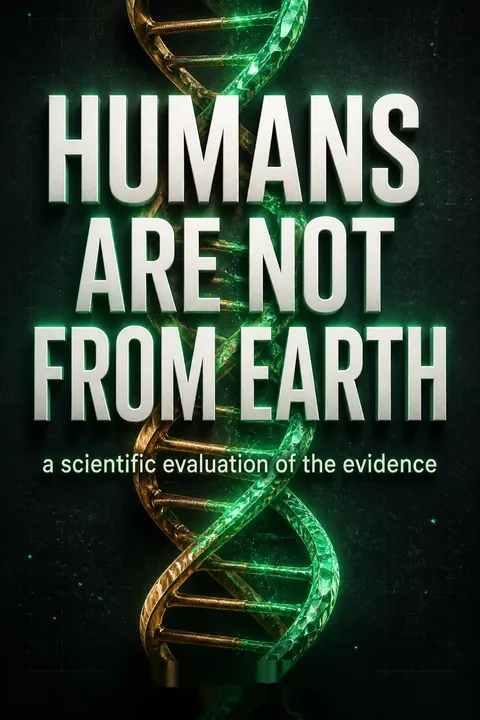
मानव पृथ्वी के नहीं हैं एक विवादास्पद सिद्धांत प्रस्तुत करता है कि मानव किसी अन्य ग्रह से उत्पन्न हुए हैं। इस पुस्तक की समीक्षाएँ मिली-जुली हैं; कुछ पाठक इसे सोचने पर मजबूर करने वाला और गहन शोध से परिपूर्ण मानते हैं, जबकि अन्य इसके वैज्ञानिक प्रमाणों की कमी और बार-बार दोहराए गए तर्कों की आलोचना करते हैं। सकारात्मक समीक्षाएँ इस बात की सराहना करती हैं कि यह पुस्तक पारंपरिक सोच को चुनौती देती है और मानव जीवविज्ञान तथा विकास के बारे में रोचक जानकारियाँ प्रदान करती है। वहीं, नकारात्मक समीक्षाएँ तर्कों में त्रुटियाँ, बिना प्रमाण के दावे और लेखन की खराब गुणवत्ता को उजागर करती हैं। कुल मिलाकर, पाठक इस पुस्तक की दिलचस्प अवधारणा को स्वीकार करते हैं, लेकिन इसकी वैज्ञानिक विश्वसनीयता पर सवाल उठाते हैं।
अक्सर पूछे जाने वाले प्रश्न
What's Humans Are Not From Earth about?
- Main Thesis: The book argues that humans did not evolve on Earth but were brought here from another planet. Ellis Silver presents evidence suggesting our physical and psychological traits are ill-suited for Earth.
- Evidence and Theories: Silver discusses over fifty factors, including our poor ability to cope with sunlight and chronic health issues, and explores hybridization with extraterrestrial beings.
- Exploration of Origins: The book delves into potential home planets and conditions that might have existed there, proposing that our original environment was vastly different from Earth.
Why should I read Humans Are Not From Earth?
- Challenging Perspectives: The book encourages questioning mainstream scientific beliefs about human evolution and considering alternative theories, offering a unique viewpoint on human origins.
- Comprehensive Research: Silver compiles extensive research and evidence, making it a thought-provoking read for those interested in anthropology, genetics, or extraterrestrial life.
- Engaging Narrative: The author’s accessible writing style makes complex ideas easier to understand, captivating readers with the exploration of humanity's place in the universe.
What are the key takeaways of Humans Are Not From Earth?
- Humans Are Ill-Suited: The book emphasizes that many human traits suggest we are not from Earth, supported by over fifty factors discussed throughout the text.
- Hybridization Theory: Silver proposes that humans may be hybrids of Earth’s native hominins and extraterrestrial beings, challenging traditional views of human evolution.
- Need for Exploration: The author suggests our innate desire to explore may stem from our origins on another planet, inviting readers to rethink human behavior and societal structures.
What are the best quotes from Humans Are Not From Earth and what do they mean?
- "The evidence against us having evolved on Earth is overwhelming.": This quote highlights the extensive evidence Silver presents to support his claim that humans are not native to Earth.
- "We survive, but we don’t thrive.": Reflects the author's view that while humans can live on Earth, they do not flourish due to environmental and biological mismatches.
- "We can mend ourselves (and other animals).": Points to the unique human ability to heal and perform medical procedures, raising questions about our evolutionary history.
What evidence does Ellis Silver provide to support his claims in Humans Are Not From Earth?
- Physical Traits: Silver discusses how human characteristics, like our lack of body hair and eye structure, are poorly adapted to Earth’s environment.
- Health Issues: Highlights the prevalence of chronic illnesses in humans, arguing these conditions are atypical for species evolved in their natural environments.
- Behavioral Anomalies: Points out human behaviors, such as violence and greed, are not seen in other species to the same extent, suggesting extraterrestrial origins.
How does Humans Are Not From Earth address the concept of evolution?
- Critique of Mainstream Evolution: Silver challenges the traditional narrative, arguing the evidence does not support the idea that we evolved from Earth’s hominins.
- Hybridization Hypothesis: Introduces the idea that humans may be hybrids of Earth’s native species and extraterrestrial beings, suggesting a more complex evolutionary history.
- Evolutionary Design Flaws: Discusses design flaws in the human body indicating a lack of adaptation to Earth, arguing these issues would have been resolved if we evolved here.
What alternative hypotheses does Silver propose in Humans Are Not From Earth?
- Panspermia: Suggests life on Earth may have originated from microorganisms brought here from another planet, aligning with the notion of extraterrestrial origins.
- Experiment Hypothesis: Proposes humans were part of an experiment by extraterrestrial beings, implying our development was manipulated for specific purposes.
- Digital Simulation: Raises the idea that we might be living in a digital simulation, questioning the nature of reality and our existence on Earth.
How does Humans Are Not From Earth explain the origins of modern races and cultures?
- Multiple Drop-off Points: Theorizes different human groups were brought to Earth at various times and locations, leading to the diversity of races and cultures.
- Genetic Modifications: Posits extraterrestrial beings may have modified human DNA, resulting in different traits seen in modern humans.
- Cultural Similarities: Points out similarities in ancient civilizations' structures and beliefs, attributing them to a common extraterrestrial influence.
What role do genetic modifications play in Humans Are Not From Earth?
- Evidence of DNA Manipulation: Discusses signs of human DNA being altered, suggesting extraterrestrial beings enhanced human survival on Earth.
- Hybridization Theories: Posits humans may be hybrids of extraterrestrial and Earth-based species, explaining certain genetic anomalies.
- Future Implications: Raises questions about future genetic modifications and the potential to correct inherited conditions and enhance capabilities.
How does Humans Are Not From Earth relate to the concept of cognitive dissonance in science?
- Resistance to New Ideas: Discusses how scientists often experience cognitive dissonance when confronted with evidence contradicting established beliefs.
- Impact on Scientific Progress: Argues resistance to change can hinder scientific advancement and limit understanding of complex issues like human origins.
- Call for Critical Thinking: Advocates for questioning mainstream narratives and considering evidence presented in the book, potentially leading to new discoveries.
What criticisms does Humans Are Not From Earth make about mainstream science?
- Dogmatic Adherence: Criticizes scientists for rigid adherence to established theories, arguing it limits exploration of alternative explanations for human origins.
- Ignoring Anomalies: Points out many anomalies in the fossil record and genetic studies are often ignored, suggesting these should prompt reevaluation.
- Lack of Open-Mindedness: Calls for a more open-minded approach to scientific inquiry, suggesting alternative theories deserve consideration.
PDF डाउनलोड करें
EPUB डाउनलोड करें
.epub digital book format is ideal for reading ebooks on phones, tablets, and e-readers.








































