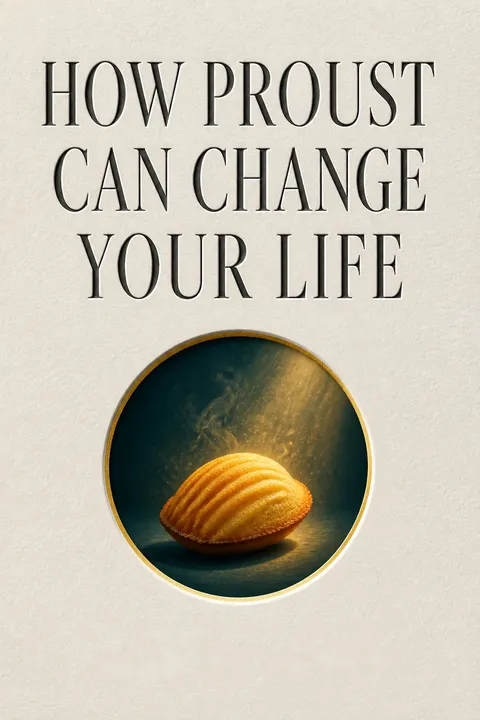

मुख्य बातें
1. प्रेम क्षणभंगुर है: वर्तमान क्षण की कद्र करें
"हम वास्तव में केवल वही जानते हैं जो नया है, जो अचानक हमारी संवेदनशीलता में एक ऐसा बदलाव लाता है जो हमें छू जाता है, जिसके लिए आदत ने अभी तक अपने फीके नकली रूप नहीं बनाए हैं।"
नवीनता हमें आकर्षित करती है। जब हम पहली बार प्रेम में पड़ते हैं, तो हमारे साथी की हर बात जादुई और रोमांचक लगती है। लेकिन समय के साथ परिचय बढ़ता है, और हम अक्सर अपने प्रियजनों को सामान्य समझने लगते हैं। प्रूस्ट कहते हैं कि यह एक स्वाभाविक मानवीय प्रवृत्ति है, लेकिन इसके खिलाफ सचेत प्रयास करना आवश्यक है।
कृतज्ञता विकसित करें। रिश्तों में जज़्बा बनाए रखने के लिए हमें हर दिन अपने साथी को नई दृष्टि से देखना सीखना होगा। इसके लिए सचेत प्रयास और जागरूकता की आवश्यकता होती है। प्रूस्ट सुझाव देते हैं कि कभी-कभी अलगाव से चाहत और कृतज्ञता फिर से जागृत हो सकती है, क्योंकि दूरी हमें मानसिक रूप से अपने प्रियजनों को पुनः संजोने और आदर्श बनाने का अवसर देती है।
आभार व्यक्त करें। नियमित रूप से अपने साथी की सकारात्मक खूबियों और कार्यों को स्वीकार करके हम आदत के सुस्त प्रभावों को कम कर सकते हैं। यह मानसिक बदलाव हमें उस प्रारंभिक उत्साह और जुनून को बनाए रखने में मदद करता है जिसने हमें एक-दूसरे की ओर आकर्षित किया था।
2. पढ़ाई नई दृष्टिकोणों के द्वार खोलती है
"संसार अचानक मेरी आँखों में अनंत मूल्य प्राप्त कर गया।"
किताबें उत्प्रेरक हैं। पढ़ाई हमें नए विचारों, अनुभवों और दुनिया को देखने के नए तरीकों से परिचित कराती है। प्रूस्ट ने पाया कि जॉन रस्किन की रचनाओं ने उनकी कला, वास्तुकला और प्रकृति की समझ को गहराई से बदल दिया, जिससे दुनिया में नई सुंदरता और महत्व जागृत हुआ।
बौद्धिक विकास। पढ़ाई के माध्यम से हम अपने व्यक्तिगत अनुभवों से परे जीवन की समझ और सराहना बढ़ा सकते हैं। किताबें हमें:
- विभिन्न सांस्कृतिक और ऐतिहासिक दृष्टिकोणों से दुनिया देखने का अवसर देती हैं
- विविध दृष्टिकोणों के प्रति सहानुभूति विकसित करती हैं
- नए रुचि क्षेत्रों और जुनून की खोज में मदद करती हैं
- अपने विचारों और मान्यताओं को परिष्कृत करने का माध्यम बनती हैं
सक्रिय सहभागिता। प्रूस्ट जोर देते हैं कि पढ़ाई एक निष्क्रिय क्रिया नहीं होनी चाहिए, बल्कि पाठक और पाठ के बीच सक्रिय संवाद हो। हमें किताबों को अपने चिंतन और अंतर्दृष्टि के लिए मंच के रूप में उपयोग करना चाहिए, न कि लेखक के विचारों को बिना प्रश्न के स्वीकार करना।
3. आदत जीवन की सुंदरता की सराहना को सुस्त कर देती है
"जब हमें मृत्यु की निकटता का एहसास होता है तो जीवन से अचानक लगाव महसूस होता है, यह संकेत देता है कि शायद जीवन ही नहीं जिसे हमने लंबे समय तक स्वाद खो दिया था, बल्कि उसका रोज़मर्रा का संस्करण था।"
रोजमर्रा की दिनचर्या हमें अंधा कर देती है। हमारी दैनिक आदतें और दिनचर्या हमें हमारे आस-पास की सुंदरता और आश्चर्य को नजरअंदाज करने पर मजबूर कर देती हैं। हम सामान्य जीवन के असाधारण पहलुओं के प्रति संवेदनशीलता खो देते हैं और उन्हें सामान्य समझने लगते हैं।
आश्चर्य की पुनः खोज। प्रूस्ट आदत के सुस्त प्रभावों से मुक्त होने के लिए कई उपाय सुझाते हैं:
- जागरूकता का अभ्यास करें और इंद्रियों के विवरण पर ध्यान दें
- परिचित वस्तुओं या अनुभवों को पहली बार देखे जाने की कल्पना करें
- नए अनुभवों और दृष्टिकोणों की खोज करें
- जीवन की क्षणभंगुरता पर विचार करके कृतज्ञता विकसित करें
कला एक उपाय है। प्रूस्ट मानते थे कि महान कला हमें दुनिया को नए सिरे से देखने में मदद कर सकती है, उन पहलुओं को उजागर करके जिन्हें हम अक्सर अनदेखा कर देते हैं। कला, साहित्य और प्रकृति के साथ जुड़कर हम रोजमर्रा के जीवन की सुंदरता को पहचानने और सराहने का प्रशिक्षण ले सकते हैं।
4. सच्ची दोस्ती ईमानदारी और अलगाव की मांग करती है
"संवाद, जो दोस्ती की अभिव्यक्ति का माध्यम है, एक सतही विचलन है जो हमें कुछ भी ऐसा नहीं देता जिसे प्राप्त करना सार्थक हो। हम जीवन भर बात कर सकते हैं बिना किसी सार्थक बात को दोहराए।"
सामाजिक संपर्क की सीमाएँ। प्रूस्ट पारंपरिक धारणा को चुनौती देते हैं कि गहरी दोस्ती के लिए निरंतर संवाद और शारीरिक उपस्थिति आवश्यक है। उनका तर्क है कि सतही बातचीत अक्सर हमारे असली स्व को छुपा देती है और सच्चे जुड़ाव को रोकती है।
ईमानदारी और प्रामाणिकता। प्रूस्ट के अनुसार सच्ची दोस्ती के लिए आवश्यक है:
- कठिन सच्चाइयों को व्यक्त करने का साहस
- अलग-अलग पहचान और रुचियों को बनाए रखने की क्षमता
- एक-दूसरे की एकांत और चिंतन की आवश्यकता का सम्मान
निकटता और स्वतंत्रता का संतुलन। प्रूस्ट सुझाव देते हैं कि सबसे मजबूत दोस्ती वे होती हैं जो अलगाव और व्यक्तिगत विकास के लिए जगह देती हैं। इससे दोस्त नए दृष्टिकोणों और एक-दूसरे की अनूठी खूबियों के प्रति सच्ची कृतज्ञता के साथ फिर मिल पाते हैं।
5. सामाजिक स्थिति और बुद्धिमत्ता अक्सर भ्रमित करती हैं
"जीवन को तुच्छ समझने का कारण यह है कि हम आमतौर पर जीवन के स्वयं के प्रमाणों पर नहीं, बल्कि उन बिलकुल अलग छवियों पर अपना निर्णय बनाते हैं जो जीवन की कोई झलक नहीं देतीं—इसलिए हम इसे तिरस्कार से देखते हैं।"
दिखावे धोखा देते हैं। प्रूस्ट चेतावनी देते हैं कि सामाजिक स्थिति, शिक्षा या बुद्धिमत्ता के सतही संकेतों के आधार पर लोगों का मूल्यांकन करना गलत है। उनका मानना है कि सच्ची बुद्धिमत्ता और मूल्य अक्सर अप्रत्याशित स्थानों पर होते हैं।
पूर्वाग्रहों का पुनर्मूल्यांकन। अपने पूर्वाग्रहों को दूर करने के लिए प्रूस्ट सुझाव देते हैं:
- पद और प्रमाणपत्रों से परे देखें
- विभिन्न पृष्ठभूमि के लोगों से संवाद करें
- व्यक्तिगत अनुभवों और व्यावहारिक ज्ञान को महत्व दें
- समझें कि बुद्धिमत्ता विभिन्न रूपों में प्रकट होती है
जटिलता को स्वीकारें। प्रूस्ट हमें प्रोत्साहित करते हैं कि हम व्यक्तियों की बहुआयामी प्रकृति को देखें, यह स्वीकार करते हुए कि कोई व्यक्ति एक साथ प्रशंसनीय और दोषपूर्ण, कुछ क्षेत्रों में बुद्धिमान और अन्य में अज्ञानी हो सकता है।
6. ईर्ष्या रिश्तों को पुनर्जीवित कर सकती है
"जब आप किसी महिला के साथ रहने लगेंगे, तो आप जल्द ही उस सब कुछ को देखना बंद कर देंगे जिसने आपको उससे प्रेम किया था; हालांकि यह सच है कि ये दो अलग-अलग तत्व ईर्ष्या से फिर से जुड़ सकते हैं।"
संतुष्टि प्रेम को कमज़ोर करती है। प्रूस्ट देखते हैं कि परिचय और दिनचर्या से साथी एक-दूसरे को सामान्य समझने लगते हैं, जिससे वह जुनून और कृतज्ञता कम हो जाती है जिसने उन्हें जोड़ा था।
ईर्ष्या एक चेतावनी है। प्रूस्ट जानबूझकर बेवफाई का समर्थन नहीं करते, लेकिन वे कहते हैं कि साथी खोने का खतरा:
- चाहत और कृतज्ञता को फिर से जगाता है
- हमें हमारे साथी की आकर्षक खूबियों की याद दिलाता है
- रिश्ते को मजबूत करने के प्रयासों को प्रेरित करता है
स्वस्थ जुनून विकसित करें। ईर्ष्या पर निर्भर रहने के बजाय, जोड़े कर सकते हैं:
- रहस्य और स्वतंत्रता के तत्व बनाए रखें
- नियमित रूप से आभार और प्रशंसा व्यक्त करें
- व्यक्तिगत रुचियों को आगे बढ़ाएं ताकि रिश्ते में नई ऊर्जा आए
- नए साझा अनुभव बनाएं जो उत्साह को पुनः जागृत करें
7. शारीरिक अंतरंगता हमारी गहरी इच्छाओं को शायद ही पूरा करती है
"मनुष्य, जो स्पष्ट रूप से समुद्री कांटे या व्हेल से कम प्राथमिक जीव नहीं है, फिर भी कुछ आवश्यक अंगों से वंचित है, और विशेष रूप से कोई ऐसा अंग नहीं है जो चुंबन के लिए काम आए।"
शारीरिक संपर्क की सीमाएँ। प्रूस्ट कहते हैं कि शारीरिक अंतरंगता सुखद हो सकती है, लेकिन वह वह गहरा जुड़ाव और समझ नहीं दे पाती जिसकी हम वास्तव में रोमांटिक रिश्तों में तलाश करते हैं।
भावनात्मक और बौद्धिक अंतरंगता। गहरी संतुष्टि पाने के लिए प्रूस्ट सुझाव देते हैं कि हमें ध्यान देना चाहिए:
- विचारों, सपनों और भय को साझा करना
- पारस्परिक समझ और सहानुभूति विकसित करना
- सार्थक संवाद और साझा अनुभवों में संलग्न होना
- साथी की रहस्यमय और जटिल प्रकृति की सराहना करना
इच्छा और वास्तविकता का संतुलन। शारीरिक आकर्षण के महत्व को स्वीकार करते हुए, प्रूस्ट हमें प्रेम के एक समग्र दृष्टिकोण को विकसित करने के लिए प्रोत्साहित करते हैं जिसमें भावनात्मक, बौद्धिक और आध्यात्मिक संबंध शामिल हों।
8. कला हमें सामान्य में असाधारण देखने की शिक्षा देती है
"सब कुछ कला के लिए संभावित रूप से उपजाऊ विषय है और हम साबुन के विज्ञापन में भी वैसी ही मूल्यवान खोज कर सकते हैं जैसी पास्कल की 'पेंसिस' में।"
दृष्टिकोण का पुनर्निर्माण। प्रूस्ट मानते हैं कि महान कला हमारी दुनिया को देखने के नजरिए को बदल सकती है, रोजमर्रा की वस्तुओं और अनुभवों में छिपी सुंदरता और महत्व को उजागर करती है जिन्हें हम सामान्यतः अनदेखा कर देते हैं।
कलात्मक दृष्टि विकसित करना। इस जागरूकता को बढ़ाने के लिए हम कर सकते हैं:
- उन कलाकृतियों का अध्ययन जो वास्तविकता के अनदेखे पहलुओं को उजागर करती हैं
- अपने आस-पास की जागरूक अवलोकन का अभ्यास करें
- विभिन्न रूपों में रचनात्मक अभिव्यक्ति का प्रयोग करें
- सुंदरता या कला की परिभाषा के प्रति अपने पूर्वाग्रहों को चुनौती दें
जीवन में कलात्मक संवेदनशीलता लागू करें। कलाकार के दृष्टिकोण को अपनाकर हम:
- सामान्य परिस्थितियों में आनंद और आश्चर्य पा सकते हैं
- जिन लोगों से मिलते हैं उनकी अनूठी खूबियों की सराहना कर सकते हैं
- अप्रत्याशित स्थानों में अर्थ और प्रेरणा खोज सकते हैं
9. स्मृति और अनैच्छिक अनुभव हमारी धारणाओं को आकार देते हैं
"स्वैच्छिक स्मृति, बुद्धि और आँखों की स्मृति, हमें केवल अतीत की अस्पष्ट नकली प्रतियां देती है जो उतनी सटीक नहीं जितनी बुरी चित्रकारों की वसंत की तस्वीरें।"
सचेत स्मरण की सीमाएँ। प्रूस्ट कहते हैं कि अतीत को याद करने के हमारे जानबूझकर प्रयास अक्सर सपाट और निर्जीव यादों में बदल जाते हैं जो हमारे अनुभवों की सच्ची आत्मा को पकड़ नहीं पाते।
अनैच्छिक स्मृति की शक्ति। अप्रत्याशित संवेदी संकेत, जैसे मैडलीन कुकी का स्वाद, जीवंत और भावनात्मक रूप से समृद्ध यादों को खोल सकते हैं जो हमारे अतीत से अधिक प्रामाणिक जुड़ाव प्रदान करते हैं।
संवेदी अनुभवों को अपनाएं। अपने जीवन और स्मृतियों को समृद्ध करने के लिए हम कर सकते हैं:
- अपने पर्यावरण में संवेदी विवरणों पर ध्यान दें
- विशिष्ट खुशबू, स्वाद या ध्वनि के साथ सार्थक संबंध बनाएं
- संवेदी आनंद के क्षणों में पूरी तरह उपस्थित रहें
- अप्रत्याशित स्मृति संकेतों पर विचार करें और उनका आनंद लें
10. आत्म-चिंतन और अंतर्दृष्टि गहरे ज्ञान की ओर ले जाते हैं
"खोज की असली यात्रा नए परिदृश्य खोजने में नहीं, बल्कि नई आँखों से देखने में है।"
आंतरिक अन्वेषण। प्रूस्ट मानते थे कि सबसे मूल्यवान अंतर्दृष्टि बाहरी अनुभवों से नहीं, बल्कि हमारे अपने विचारों, भावनाओं और यादों के गहरे विश्लेषण से आती है।
स्व-चेतना विकसित करना। इस अंतर्मुखी क्षमता को बढ़ाने के लिए हम कर सकते हैं:
- नियमित रूप से लेखन या ध्यान का अभ्यास करें
- विभिन्न परिस्थितियों में अपनी भावनात्मक प्रतिक्रियाओं का विश्लेषण करें
- अपने मान्यताओं और धारणाओं पर प्रश्न करें
- अपने व्यवहार और प्रतिक्रियाओं के मूल कारणों को समझने का प्रयास करें
जीवन में अंतर्दृष्टि लागू करें। एक समृद्ध आंतरिक जीवन विकसित करके हम:
- अधिक सोच-समझकर निर्णय ले सकते हैं
- बेहतर आत्म-समझ के माध्यम से अपने संबंध सुधार सकते हैं
- अपने अनुभवों में अधिक अर्थ और उद्देश्य पा सकते हैं
- दुनिया को नई जिज्ञासा और कृतज्ञता के साथ देख सकते हैं।
समीक्षा सारांश
हाउ प्राउस्ट कैन चेंज योर लाइफ को मिली-जुली प्रतिक्रियाएँ मिली हैं। कई पाठक दे बोट्टन के प्राउस्ट के विचारों को समझाने के चतुर और सरल अंदाज़ की प्रशंसा करते हैं, और इसे ज्ञानवर्धक तथा आनंददायक पाते हैं। कुछ लोग इसे प्राउस्ट के कार्यों से परिचय के रूप में स्वीकार करते हैं, जबकि कुछ इसकी सतही व्याख्या और स्व-सहायता शैली की आलोचना करते हैं। यह पुस्तक प्राउस्ट के जीवन और लेखन की पड़ताल करती है, और प्रेम, मित्रता तथा दुःख जैसे विषयों पर महत्वपूर्ण सबक देती है। हालांकि शीर्षक में जीवन बदलने की बात कही गई है, कई पाठक मानते हैं कि यह पुस्तक जीवन में बड़े बदलाव नहीं लाती, परन्तु प्राउस्ट के विचारों और उनके आधुनिक जीवन से जुड़ाव पर रोचक दृष्टिकोण प्रस्तुत करती है।
लोग यह भी पढ़ते हैं

अक्सर पूछे जाने वाले प्रश्न
What's "How Proust Can Change Your Life" about?
- Exploration of Proust's Ideas: The book by Alain de Botton explores how the ideas and life of Marcel Proust can offer insights into improving our own lives.
- Combination of Biography and Philosophy: It combines elements of biography, philosophy, and self-help, using Proust's life and work as a lens to examine everyday issues.
- Literary Criticism with a Twist: The book is a unique form of literary criticism that presents Proust's thoughts in a way that is accessible and applicable to modern readers.
- Practical Advice: It offers practical advice on how to appreciate life, love, and art more deeply, inspired by Proust's reflections.
Why should I read "How Proust Can Change Your Life"?
- Gain New Perspectives: The book provides new perspectives on how to approach life's challenges and appreciate its beauty, drawing from Proust's wisdom.
- Blend of Humor and Insight: Alain de Botton uses humor and wit to make complex ideas from Proust's work relatable and engaging.
- Self-Improvement: It offers practical self-help advice, encouraging readers to reflect on their own lives and make positive changes.
- Literary Appreciation: For those interested in literature, it provides a deeper understanding of Proust's work and its relevance today.
What are the key takeaways of "How Proust Can Change Your Life"?
- Appreciation of the Ordinary: Proust teaches us to find beauty in everyday life and to appreciate the small details that often go unnoticed.
- Value of Suffering: The book suggests that suffering can lead to personal growth and deeper understanding, echoing Proust's own experiences.
- Importance of Art and Literature: It emphasizes the role of art and literature in enhancing our perception and understanding of the world.
- Complexity of Human Relationships: Proust's insights into love and friendship highlight the complexities and challenges of human relationships.
How does Alain de Botton use Proust's life to offer advice?
- Biographical Insights: De Botton uses anecdotes from Proust's life to illustrate his philosophical ideas and how they can be applied to modern life.
- Practical Lessons: He distills Proust's complex thoughts into practical lessons on topics like love, friendship, and happiness.
- Relatable Examples: By relating Proust's experiences to common human dilemmas, de Botton makes his advice accessible and relevant.
- Humorous Approach: The author uses humor to engage readers and make Proust's sometimes dense ideas more digestible.
What are some of the best quotes from "How Proust Can Change Your Life" and what do they mean?
- "We suffer, therefore we think": This quote suggests that suffering prompts introspection and can lead to personal growth and understanding.
- "The real voyage of discovery consists not in seeking new landscapes, but in having new eyes": It emphasizes the importance of changing our perspective to appreciate the world around us.
- "Happiness is good for the body, but it is grief which develops the strengths of the mind": This highlights the idea that challenges and hardships can strengthen our mental faculties.
- "A picture’s beauty does not depend on the things portrayed in it": This suggests that beauty is subjective and lies in the perception of the observer.
How does "How Proust Can Change Your Life" redefine the concept of happiness?
- Beyond Materialism: The book suggests that true happiness comes from appreciating the ordinary and finding beauty in everyday life, rather than material possessions.
- Embrace of Suffering: It posits that happiness is not the absence of suffering but the ability to find meaning and growth through it.
- Mindful Living: Proust's philosophy encourages living mindfully, paying attention to the present moment, and savoring life's simple pleasures.
- Redefining Success: Success is redefined as personal fulfillment and understanding, rather than societal measures of achievement.
What does Alain de Botton say about the role of art and literature in our lives?
- Enhancing Perception: Art and literature are seen as tools that enhance our perception and help us see the world in new ways.
- Emotional Resonance: They provide emotional resonance and can articulate feelings and experiences that we might struggle to express ourselves.
- Connection to Humanity: Engaging with art and literature connects us to the broader human experience and offers insights into different perspectives.
- Catalysts for Reflection: They serve as catalysts for reflection and self-discovery, encouraging us to explore our own thoughts and emotions.
How does "How Proust Can Change Your Life" address the theme of love?
- Complexity of Love: The book explores the complexity of love, highlighting its potential for both joy and suffering.
- Jealousy and Appreciation: It suggests that jealousy can sometimes reignite appreciation in relationships, though it must be managed carefully.
- Love as a Learning Experience: Love is portrayed as a learning experience that can teach us about ourselves and our desires.
- Beyond Physical Attraction: The book emphasizes the importance of emotional and intellectual connection over mere physical attraction.
What insights does "How Proust Can Change Your Life" offer on friendship?
- Superficiality of Social Interactions: Proust's view on friendship highlights the superficiality often present in social interactions.
- Value of Solitude: It suggests that solitude can be more fulfilling than shallow friendships, allowing for deeper self-reflection.
- Honesty vs. Politeness: The book discusses the tension between honesty and politeness in friendships and the importance of balancing the two.
- Friendship as a Reflection: Friendships are seen as a reflection of our own values and desires, offering insights into our character.
How does "How Proust Can Change Your Life" suggest we deal with suffering?
- Transformative Power of Suffering: Suffering is seen as a catalyst for personal growth and deeper understanding of oneself and the world.
- Acceptance and Reflection: The book encourages acceptance of suffering and reflection on its causes and implications.
- Learning from Pain: It suggests that we can learn valuable lessons from pain, which can lead to greater resilience and wisdom.
- Avoiding Destructive Responses: The book warns against destructive responses to suffering, advocating for constructive and thoughtful approaches instead.
What does "How Proust Can Change Your Life" say about the importance of memory?
- Involuntary Memory: The book highlights the power of involuntary memory, as exemplified by the famous madeleine scene, in evoking vivid recollections.
- Memory and Identity: Memory is seen as integral to our identity, shaping our understanding of ourselves and our past.
- Selective Memory: It discusses the selective nature of memory and how it can distort our perception of past events.
- Memory as a Source of Joy: The book suggests that revisiting cherished memories can be a source of joy and comfort.
How does "How Proust Can Change Your Life" encourage us to appreciate the ordinary?
- Finding Beauty in Details: The book encourages finding beauty in the small details of everyday life, which are often overlooked.
- Challenging Conventional Notions: It challenges conventional notions of beauty and success, advocating for a more personal and nuanced appreciation.
- Mindful Observation: Proust's philosophy promotes mindful observation and a deeper engagement with the present moment.
- Reevaluation of Priorities: The book encourages a reevaluation of priorities, focusing on what truly brings fulfillment and joy.
लेखक के बारे में
अन्य किताबें — एलेन द बॉटन






PDF डाउनलोड करें
EPUB डाउनलोड करें
.epub digital book format is ideal for reading ebooks on phones, tablets, and e-readers.








































