
Summary Temporarily Unavailable
This summary is temporarily unavailable and is currently being updated. You can still explore the FAQs and other metadata below.
मुख्य बातें
1. माओ की विरासत: एक तानाशाही का संक्रमण, न कि परिवर्तन
"‘सुधार और खुलापन’ भले ही चालीस साल पुराना हो, लेकिन यह मूल रूप से पहले से बहुत अलग नहीं है।"
परिवर्तन से अधिक निरंतरता। माओ की कट्टर नीतियों से हटकर भी, कम्युनिस्ट पार्टी के नियंत्रण के मूल सिद्धांत जस के तस बने रहे। डेंग शियाओपिंग द्वारा शुरू किए गए आर्थिक सुधार मुख्यतः पार्टी के राजनीतिक एकाधिकार को बनाए रखने के लिए थे, न कि लोकतांत्रिक बदलाव लाने के लिए।
स्टालिनवाद की गूंज। पांच वर्षीय योजनाओं, प्रमुख उद्योगों की राज्य स्वामित्व और भूमि व संसाधनों पर नियंत्रण ने सोवियत-प्रेरित आर्थिक मॉडल की निरंतरता को दर्शाया। "आर्थिक चमत्कार" कई मायनों में नियोजित अर्थव्यवस्था का एक परिष्करण था, उसका त्याग नहीं।
प्रगति का भ्रम। माओवादी अतीत से पूर्ण विराम की कहानी ने उस वास्तविकता को छुपा दिया कि यह व्यवस्था पार्टी के हितों को सर्वोपरि रखती रही। आर्थिक विकास पर ध्यान आकर्षक था, लेकिन राजनीतिक स्वतंत्रता और व्यक्तिगत अधिकारों की कीमत पर।
2. आर्थिक कड़ाई: केंद्रीकरण और विकेंद्रीकरण का चक्र
"यदि पूंजीवाद की पहचान समृद्धि और पतन है, तो पीपुल्स रिपब्लिक में जो हो रहा है वह कुछ ऐसा है: उछाल और अनिश्चितकाल के लिए स्थगित पतन।"
परिचित पैटर्न। माओ के बाद के युग में आर्थिक उदारीकरण और फिर नियंत्रण की सख्ती का आवर्ती चक्र देखा गया। आर्थिक शक्ति का विकेंद्रीकरण स्थानीय पहलों और विकास को बढ़ावा देता था, लेकिन असंतुलन, भ्रष्टाचार और महंगाई भी बढ़ती थी।
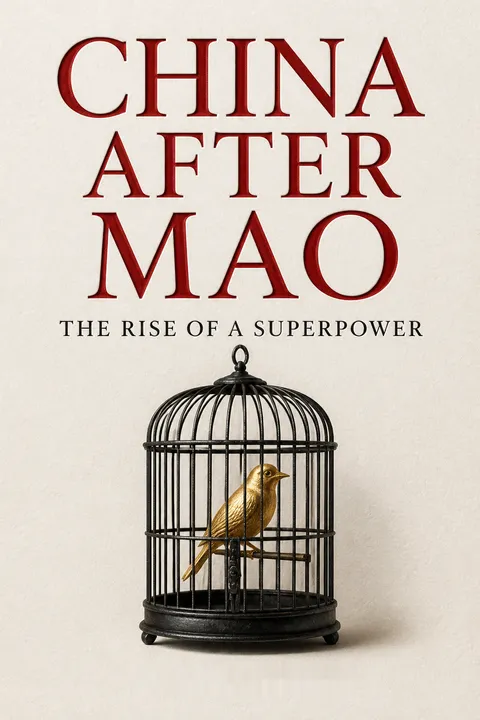
"पिंजरे की अर्थव्यवस्था।" चेन युन का "पिंजरे की अर्थव्यवस्था" का विचार, जहाँ बाजार ("पक्षी") राज्य नियोजन ("पिंजरा") के भीतर संचालित होता है, इस गतिशीलता का उदाहरण था। पार्टी बाजार की ताकतों को नियंत्रित करते हुए अंतिम नियंत्रण बनाए रखना चाहती थी।
नियंत्रण के परिणाम। कठोर आर्थिक उपायों से अक्सर अनपेक्षित परिणाम सामने आए, जैसे आवश्यक क्षेत्रों में निवेश में कमी और सामाजिक अशांति। वास्तविक बाजार तंत्र और स्वतंत्र संस्थानों की कमी ने प्रभावी आर्थिक प्रबंधन में बाधा डाली।
3. ग्रामीण क्रांति: किसानों की चुपचाप सामूहिकी के खिलाफ विद्रोह
"लोगों ने विरोध करने का अधिकार खो दिया, लेकिन तियानमेन नए शासन के लिए खुद को प्रदर्शित करने का मंच बन गया।"
नीचे से ऊपर बदलाव। जब पार्टी बीजिंग में आर्थिक नीति पर बहस कर रही थी, तब ग्रामीण इलाकों में एक मौन क्रांति हो रही थी। सामूहिकी से निराश और मजबूर किसान अपनी जमीन और आजीविका पर नियंत्रण वापस लेने लगे।
गृह जिम्मेदारी प्रणाली। गृह जिम्मेदारी प्रणाली के परिचय ने किसानों को जमीन पट्टे पर लेने और फसल का एक हिस्सा रखने की अनुमति दी, जिससे कृषि उत्पादकता में वृद्धि हुई। इस कृषि की व्यावहारिक निजीकरण ने ग्रामीण अर्थव्यवस्था को बदल दिया।
राज्य का सीमित नियंत्रण। ग्रामीण सुधारों की सफलता ने पार्टी के आर्थिक नियंत्रण की सीमाओं को दिखाया। आधिकारिक घोषणाओं और नीतिगत बदलावों के बावजूद, बदलाव की पहल अक्सर नीचे से, आम लोगों की सूझ-बूझ और सहनशीलता से आई।
4. खुलापन का भ्रम: नियंत्रित प्रवाह और असमान प्रतिस्पर्धा
"‘खुलापन’ का मतलब है लोगों, विचारों, वस्तुओं और पूंजी का प्रवाह। लेकिन चीन में राज्य इन सभी प्रवाहों को नियंत्रित करता है, और वे अक्सर एकतरफा होते हैं।"
चयनात्मक सहभागिता। चीन ने विदेशी व्यापार और निवेश को अपनाया, लेकिन सूचना, विचारों और लोगों के प्रवाह पर कड़ा नियंत्रण रखा। "खुला दरवाजा" नीति पार्टी के हितों की सेवा के लिए सावधानीपूर्वक प्रबंधित थी।
प्रवेश में बाधाएं। विदेशी व्यवसायों को कई बाधाओं का सामना करना पड़ता था, जैसे नौकरशाही अड़चनें, बौद्धिक संपदा की चोरी, और राज्य-स्वामित्व वाले उद्यमों के साथ असमान प्रतिस्पर्धा। घरेलू कंपनियों के पक्ष में खेल का मैदान झुका हुआ था।
सीमित विदेशी उपस्थिति। विश्व के साथ आर्थिक एकीकरण के बावजूद, चीन विदेशी निवासियों के लिए अपेक्षाकृत बंद रहा। चीन में रहने वाले विदेशी लोगों का प्रतिशत दुनिया में सबसे कम था, यहां तक कि उत्तर कोरिया से भी कम।
5. तियानमेन की छाया: असहमति दबाना और नियंत्रण पुनः स्थापित करना
"माओ की आलोचना करना एक बात थी, डेंग शियाओपिंग की आलोचना करना पूरी तरह अलग।"
उदारीकरण की सीमाएं। माओ की मृत्यु के बाद की थोड़ी अवधि की खुलापन और बौद्धिक गतिविधि को तियानमेन चौक नरसंहार ने अचानक रोक दिया। पार्टी ने स्पष्ट कर दिया कि आर्थिक सुधार राजनीतिक उदारीकरण के साथ नहीं आएगा।
चार मुख्य सिद्धांत। डेंग शियाओपिंग के "चार मुख्य सिद्धांत" – समाजवाद का समर्थन, सर्वहारा वर्ग की तानाशाही, कम्युनिस्ट पार्टी का नेतृत्व, और मार्क्सवाद-लेनिनवाद-माओ ज़ेडॉन्ग विचार – असहमति के खिलाफ ढाल और दमन का औचित्य थे।
असहमति का दमन। लोकतंत्र आंदोलन पर कड़ा प्रहार हुआ, जिसमें अनेक कार्यकर्ताओं, बुद्धिजीवियों और आम नागरिकों को गिरफ्तार, जेल और निर्वासन का सामना करना पड़ा। पार्टी ने मीडिया से लेकर कला तक समाज के सभी पहलुओं पर नियंत्रण पुनः स्थापित किया।
6. आर्थिक व्यावहारिकता बनाम वैचारिक शुद्धता: निरंतर संघर्ष
"एक एकदलीय राज्य में, नेतृत्व के प्रत्येक निर्णय के भारी और अनपेक्षित परिणाम होते हैं।"
झूला चलता रहा। माओ के बाद के चीन का इतिहास आर्थिक व्यावहारिकता और वैचारिक शुद्धता के बीच निरंतर तनाव से भरा रहा। सुधार और खुलापन के दौर के बाद अक्सर दमन और वापसी होती रही।
"दो जो भी।" हुआ गुओफेंग की "दो जो भी" नीति – माओ के निर्णयों और निर्देशों का सख्ती से पालन – अतीत के प्रति कठोर निष्ठा का प्रतीक थी। डेंग शियाओपिंग ने इस रूढ़िवादिता को चुनौती दी और आर्थिक सुधार का मार्ग प्रशस्त किया।
नियंत्रण के लिए संघर्ष। पार्टी के भीतर सुधारवादियों और रूढ़िवादियों के बीच वैचारिक संघर्ष ने चीनी इतिहास की दिशा तय की। चेन युन और ली पेंग जैसे नेता अधिक सतर्क, राज्य-केंद्रित आर्थिक विकास के पक्षधर थे।
7. "चीन मॉडल": विश्व मंच पर तानाशाही पूंजीवाद
"राजनीतिक स्वतंत्रता के बिना आर्थिक स्वतंत्रता नहीं होती। राजनीति अर्थव्यवस्था की प्रकृति निर्धारित करती है, न कि इसके विपरीत।"
एक अनूठा मिश्रण। चीन की आर्थिक प्रणाली को आसानी से वर्गीकृत नहीं किया जा सकता। इसमें राज्य पूंजीवाद, बाजार समाजवाद और क्रोनीवाद के तत्व मिले हुए थे, जो एक अनूठा और अक्सर विरोधाभासी मॉडल बनाते थे।
पूंजी पर राज्य नियंत्रण। पूंजीवादी अर्थव्यवस्थाओं के विपरीत, चीन में पूंजी राजनीतिक उपकरण बनी रही, जिसे राज्य नियंत्रित बैंकों द्वारा राजनीतिक लक्ष्यों वाले उद्यमों को आवंटित किया जाता था। लाभ कमाना पार्टी के एजेंडे के बाद था।
कानून का अभाव। स्वतंत्र न्यायपालिका और स्वतंत्र प्रेस की कमी ने वास्तविक बाजारों के विकास को बाधित किया। संपत्ति अधिकारों और सूचना की स्वतंत्रता के कानूनी संरक्षण के बिना, आर्थिक गतिविधि मनमाने हस्तक्षेप और भ्रष्टाचार के अधीन थी।
8. विकास की कीमत: पर्यावरणीय क्षरण और सामाजिक असमानता
"राज्य विशाल धन संचय करता है, जबकि लोग मितव्ययी रहते हैं; पार्टी के अधिकारी आवास, कारें, बच्चों की शिक्षा और विदेश यात्राओं का आनंद लेते हैं, जबकि लोग अपनी बचत से सब कुछ भुगतान करते हैं।"
धन का असमान वितरण। चीन में आर्थिक उछाल का लाभ मुख्यतः राज्य और उसके संबद्ध अभिजात वर्ग को मिला। आम नागरिक, विशेषकर ग्रामीण क्षेत्र के लोग, राष्ट्रीय धन में अपनी हिस्सेदारी घटते देख रहे थे।
पर्यावरणीय विनाश। आर्थिक विकास की अनवरत खोज ने भारी पर्यावरणीय कीमत चुकाई। प्रदूषण, संसाधनों की कमी और पारिस्थितिक क्षति व्यापक हो गई, जिससे लाखों लोगों के स्वास्थ्य और जीवन पर खतरा मंडराने लगा।
"देश अमीर, लोग गरीब।" यह वाक्यांश चीनी आर्थिक मॉडल का सार प्रस्तुत करता है, जहाँ राज्य विशाल धन संचय करता है जबकि अधिकांश आबादी जीवन यापन के लिए संघर्ष करती है।
9. सुधार का अंत? केंद्रीकरण, नियंत्रण और दमन का नया युग
"कोई ‘महान योजना’ नहीं थी, कोई ‘गुप्त रणनीति’ नहीं थी, केवल अनगिनत आकस्मिक घटनाएं, अप्रत्याशित परिणाम, उलटफेर और अंतहीन सत्ता संघर्ष थे।"
तानाशाही की वापसी। शी जिनपिंग के तहत, चीन ने वैचारिक नियंत्रण, राजनीतिक दमन और अर्थव्यवस्था पर राज्य के प्रभुत्व पर पुनः जोर दिया है। पिछले कुछ सीमित सुधारों को वापस ले लिया गया है।
व्यक्तित्व पूजा। शी जिनपिंग के व्यक्तिगत अधिकार और उनके विचारों को माओ ज़ेडॉन्ग के स्तर पर उठाना व्यक्तित्व पूजा का पुनरुत्थान है। असहमति को दबाया जा रहा है और स्वतंत्र आवाजें मौन हैं।
निगरानी राज्य। चीन ने व्यापक निगरानी तंत्र बनाया है, जिसमें चेहरे की पहचान तकनीक, कृत्रिम बुद्धिमत्ता और सर्वव्यापी निगरानी शामिल है, जिससे नागरिकों को ट्रैक और नियंत्रित किया जाता है। यह सामाजिक नियंत्रण प्रणाली अपनी विशालता और परिष्कार में अभूतपूर्व है।
10. ताइवान का अनसुलझा प्रश्न: स्थिरता के लिए एक लंबित खतरा
"किसी भी चीनी नेता ने कभी यह नहीं कहा कि वे शक्तियों के पृथक्करण का समर्थन करते हैं।"
अडिग दावा। कम्युनिस्ट पार्टी ने कभी ताइवान पर अपना दावा नहीं छोड़ा, इसे एक विद्रोही प्रांत मानते हुए जो अंततः मुख्यभूमि के साथ पुनः एकीकृत होना चाहिए, यदि आवश्यक हो तो बलपूर्वक।
स्वायत्तता का क्षरण। "एक देश, दो प्रणाली" के वादों के बावजूद, बीजिंग ने हांगकांग की स्वायत्तता को धीरे-धीरे कम किया, राष्ट्रीय सुरक्षा कानून लगाए और लोकतांत्रिक स्वतंत्रताओं को सीमित किया। इससे ताइवान के भविष्य को लेकर चिंताएं बढ़ी हैं।
संभावित संघर्ष का केंद्र। ताइवान की अनसुलझी स्थिति क्षेत्र में तनाव का मुख्य स्रोत बनी हुई है और चीन तथा अमेरिका के बीच संभावित संघर्ष का कारण हो सकती है। ताइवान का भविष्य वैश्विक शक्ति संतुलन पर गहरा प्रभाव डालेगा।
अंतिम अपडेट:
Report Issueसमीक्षा सारांश
माओ के बाद चीन चीन के माओ के बाद के युग की एक गंभीर समीक्षा प्रस्तुत करता है, जो आर्थिक चमत्कार की सामान्य धारणा को चुनौती देता है। डिकोत्तर का तर्क है कि चीन की वृद्धि अस्थिर आधारों पर टिकी है, जहाँ कर्ज, अक्षमता और तानाशाही नियंत्रण की समस्याएँ लगातार बनी हुई हैं। समीक्षक इस पुस्तक की गहन शोध और सूझ-बूझ की प्रशंसा करते हैं, लेकिन इसकी शुष्क शैक्षणिक शैली और संभावित पक्षपात की ओर भी इशारा करते हैं। कुछ आलोचक चीन की वास्तविक आर्थिक प्रगति को मान्यता न देने पर भी सवाल उठाते हैं। कुल मिलाकर, पाठक इसे आधुनिक चीन के विकास और चुनौतियों को समझने में एक मूल्यवान, हालांकि कभी-कभी कठिन, योगदान मानते हैं।
अक्सर पूछे जाने वाले प्रश्न
What is "China After Mao: The Rise of a Superpower" by Frank Dikötter about?
- Comprehensive history of post-Mao China: The book provides a detailed narrative and analysis of China's transformation from 1976, after Mao Zedong's death, to 2012, when Xi Jinping came to power.
- Challenging the "economic miracle" narrative: Dikötter critically examines the widely held belief in China's economic miracle, arguing that the so-called reforms were more about maintaining Communist Party control than genuine market liberalization.
- Focus on political continuity: The book emphasizes the persistence of authoritarianism, state control, and the lack of true political reform throughout the period.
- Based on extensive archival research: Drawing on newly available Chinese archives, unpublished memoirs, and official documents, Dikötter offers fresh insights into the inner workings of the Chinese Communist Party and its leadership.
Why should I read "China After Mao: The Rise of a Superpower" by Frank Dikötter?
- Debunks common myths: The book challenges the mainstream narrative of China's rise, offering a more nuanced and critical perspective on its development.
- Authoritative and accessible: Written by a leading historian, the book is both deeply researched and readable, making it suitable for both experts and general readers.
- Relevance to current events: Understanding the roots of China's current political and economic system is essential for interpreting its global ambitions and internal challenges today.
- Insight into authoritarian resilience: The book provides valuable lessons on how authoritarian regimes adapt and survive, which is relevant for comparative politics and international relations.
What are the key takeaways from "China After Mao: The Rise of a Superpower"?
- Political reform never materialized: Despite economic changes, the Communist Party never intended to democratize or relinquish its monopoly on power.
- Economic reforms were limited: The so-called "reforms" were often superficial, with the state retaining control over key sectors, land, and capital.
- Corruption and inefficiency persisted: The book documents widespread corruption, inefficiency, and the use of state resources for political patronage.
- Myth of the "Chinese miracle": Dikötter argues that much of China's growth was built on unsustainable debt, state intervention, and the exploitation of its population, rather than genuine market-driven prosperity.
How does Frank Dikötter challenge the concept of the "Chinese economic miracle" in "China After Mao"?
- State control over economy: Dikötter shows that the state maintained ownership of land, banks, and major industries, limiting the scope of private enterprise.
- Manipulated statistics and opacity: The book highlights the unreliability of official economic data, with local officials often fabricating numbers to meet political targets.
- Debt-driven growth: Much of the economic expansion was fueled by unsustainable debt, wasteful infrastructure projects, and financial manipulation.
- Persistent poverty and inequality: Despite impressive GDP figures, a significant portion of the population remained poor, and the benefits of growth were unevenly distributed.
What is the structure and main chronological scope of "China After Mao: The Rise of a Superpower"?
- Chronological chapters: The book is organized into chapters that each cover a specific period or theme, from 1976 to 2012.
- Key historical turning points: It covers the death of Mao, the rise and fall of various leaders (Hua Guofeng, Deng Xiaoping, Jiang Zemin, Hu Jintao), and major events like the Tiananmen Square massacre and China's WTO accession.
- Focus on leadership transitions: The narrative pays close attention to how power was transferred and consolidated within the Communist Party.
- Ends with Xi Jinping's rise: The book concludes with the end of the Hu Jintao era and the beginning of Xi Jinping's rule, marking a new phase in China's authoritarian evolution.
How does "China After Mao" describe the relationship between economic and political reform in China?
- Economic reform without political liberalization: The book argues that economic changes were always subordinate to the goal of maintaining one-party rule.
- No intention for democratization: Leaders like Deng Xiaoping and Zhao Ziyang explicitly rejected Western-style democracy and separation of powers.
- Market mechanisms as tools: Market reforms were used selectively to boost growth and legitimacy, not to empower civil society or independent institutions.
- Political control over capital: Even private enterprises and capital flows were tightly regulated to serve the Party's interests.
What role do archives and primary sources play in Frank Dikötter's analysis in "China After Mao"?
- Extensive use of Chinese archives: Dikötter draws on hundreds of files from provincial and municipal archives, many of which were briefly opened in the 1990s and 2000s.
- Inclusion of secret diaries and memoirs: The book makes significant use of the secret diary of Li Rui, a former Party insider, as well as unpublished memoirs and internal reports.
- Revealing internal debates: These sources allow Dikötter to reconstruct internal Party debates, policy failures, and the true motivations behind official decisions.
- Contrasts with official propaganda: The archival evidence often contradicts the sanitized version of history promoted by the Chinese government.
How does "China After Mao" portray the Tiananmen Square massacre and its aftermath?
- Detailed account of 1989 events: The book provides a vivid narrative of the student protests, government response, and the violent crackdown.
- Turning point for reform: Dikötter argues that the massacre marked the definitive end of any hope for political liberalization in China.
- Intensified repression: In the aftermath, the Party launched widespread purges, increased censorship, and expanded the security apparatus.
- Legacy of fear and control: The events of 1989 continue to shape the Party's approach to dissent and its obsession with "stability maintenance."
What is the significance of "state capitalism" and "cronyism" in "China After Mao"?
- State capitalism as Party tool: The book describes how the Party used state-owned enterprises and banks to direct resources and maintain control over the economy.
- Cronyism and elite enrichment: Political connections became essential for business success, leading to the rise of "red capitalists" and widespread corruption.
- Limited private sector autonomy: Even successful private entrepreneurs were often co-opted into the Party or dependent on official patronage.
- Economic inefficiency: The fusion of political and economic power led to waste, misallocation of resources, and periodic financial crises.
How does "China After Mao" address the issues of social unrest, protest, and repression?
- Frequent local protests: The book documents thousands of annual protests over land seizures, unpaid wages, environmental damage, and corruption.
- State response: repression and co-optation: The Party responded with a mix of harsh crackdowns, targeted concessions, and increased surveillance.
- No independent civil society: Attempts to form independent unions, parties, or NGOs were swiftly suppressed.
- Expansion of the security state: The book details the growth of the "stability maintenance" apparatus, including mass surveillance and the use of informants.
What are the most important concepts and terms explained in "China After Mao: The Rise of a Superpower"?
- "Reform and opening" (改革开放): The official slogan for economic changes initiated by Deng Xiaoping, which the book argues were limited and politically motivated.
- "Four Modernizations": The drive to modernize agriculture, industry, defense, and science/technology, used to legitimize continued Party rule.
- "Stability maintenance" (维稳): The Party's overarching priority, justifying censorship, surveillance, and repression to prevent dissent.
- "State capitalism": The system where the state retains control over key economic levers, even as market mechanisms are selectively introduced.
- "Red capitalists": Private entrepreneurs who are Party members or closely tied to the political elite, blurring the line between public and private sectors.
What are the best quotes from "China After Mao" and what do they mean?
- "There is no economic miracle, only a miracle of propaganda." — Dikötter challenges the myth of China's unique success, arguing that much of its growth is exaggerated or unsustainable.
- "Without political reform, market reform is impossible." — The book insists that genuine economic freedom cannot exist without political pluralism and rule of law.
- "Stability above all else." — This Party mantra justifies the suppression of dissent and prioritizes regime survival over individual rights or social justice.
- "The Party never intended to democratize." — Dikötter emphasizes that, contrary to Western hopes, the Communist Party's core goal has always been to maintain its monopoly on power.
- "China is a superpower built on sand." — The book concludes that China's rise is fragile, built on debt, repression, and a brittle political system, rather than sustainable institutions.
लेखक के बारे में
फ्रैंक डिकोत्तर एक डच इतिहासकार हैं, जो आधुनिक चीनी इतिहास में विशेषज्ञता रखते हैं। वे हांगकांग विश्वविद्यालय और लंदन के SOAS विश्वविद्यालय में प्रतिष्ठित शैक्षणिक पदों पर कार्यरत हैं। डिकोत्तर ने चीन पर कई प्रभावशाली पुस्तकें प्रकाशित की हैं, जिनमें माओ युग पर आधारित त्रयी विशेष रूप से उल्लेखनीय है। उनके कार्य को प्रमुख शोध अनुदानों द्वारा वित्तपोषित किया गया है और इसे आलोचनात्मक प्रशंसा भी मिली है। "माओ का महान अकाल" नामक उनकी पुस्तक को कई प्रकाशनों द्वारा वर्ष की पुस्तक के रूप में चुना गया। डिकोत्तर के शोध ने आधुनिक चीन के इतिहास को देखने के दृष्टिकोण को गहराई से प्रभावित किया है, पारंपरिक कथाओं को चुनौती दी है और व्यापक अभिलेखीय अनुसंधान के आधार पर नई समझ प्रदान की है।
अन्य किताबें — फ्रैंक डिकोटर
PDF डाउनलोड करें
EPUB डाउनलोड करें
.epub digital book format is ideal for reading ebooks on phones, tablets, and e-readers.








































