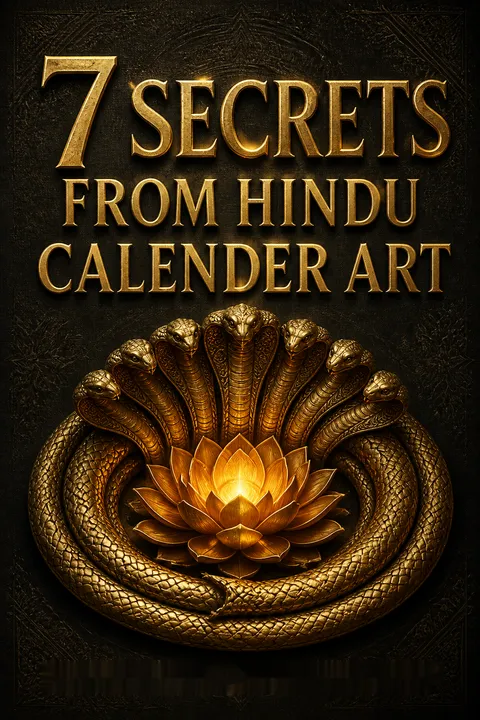

मुख्य बातें
1. हिंदू पौराणिक कथाएँ: जीवन की जटिलताओं को दर्शाने वाला विविध पंथ
विभिन्न लोग भगवान को विभिन्न तरीकों से देखते हैं
एक बहुआयामी दिव्यता। हिंदू पौराणिक कथाएँ दिव्य प्राणियों का एक समृद्ध ताना-बाना प्रस्तुत करती हैं, जो अस्तित्व के विभिन्न पहलुओं का प्रतिनिधित्व करते हैं। यह विविधता कई व्याख्याओं और व्यक्तिगत संबंधों की अनुमति देती है, जो मानव अनुभव और विचार की जटिलता को दर्शाती है।
चित्रों में प्रतीकवाद। हिंदू कैलेंडर कला और मंदिर की चित्रकला जटिल प्रतीकवाद का उपयोग करती है ताकि दार्शनिक और आध्यात्मिक अवधारणाओं को व्यक्त किया जा सके। उदाहरण के लिए:
- हाथी के सिर वाला गणेश बाधाओं को दूर करने का प्रतीक है
- देवताओं के बहु-भुजाओं वाले रूप उनकी विभिन्न शक्तियों और गुणों का प्रतीक हैं
- दिव्य युगल (शिव-पार्वती, विष्णु-लक्ष्मी) आध्यात्मिक और भौतिक क्षेत्रों के मिलन का प्रतिनिधित्व करते हैं
स्थानीय और सार्वभौमिक रूप। हिंदू देवताओं के पास अक्सर स्थानीय रूप (जैसे गाँव की देवियाँ) और सार्वभौमिक रूप (जैसे ब्रह्मा, विष्णु और शिव का त्रिमूर्ति) होते हैं। यह स्थानीय परंपराओं और व्यापक हिंदू दर्शन के बीच एक संबंध स्थापित करता है।
2. दिव्यता की द्वैतिकता: भगवान और देवी, आत्मा और पदार्थ
अनंत मिथकों के भीतर शाश्वत सत्य है
पूरक विपरीत। हिंदू दर्शन अक्सर दिव्यता को पूरक बलों के एकीकरण के रूप में प्रस्तुत करता है:
- पुरुष और महिला
- आत्मा (पुरुष) और पदार्थ (प्रकृति)
- चेतना और ऊर्जा
अर्धनारी: दिव्य अर्ध-पुरुषत्व। अर्धनारी (आधा पुरुष, आधा महिला शिव का रूप) का सिद्धांत इन द्वैतों की अविभाज्य प्रकृति का प्रतीक है। यह इस विचार का प्रतिनिधित्व करता है कि पुरुष और महिला दोनों सिद्धांत दिव्यता और वास्तविकता के आवश्यक पहलू हैं।
व्यावहारिक निहितार्थ। दिव्यता की इस द्वैतिकता से एक समग्र दृष्टिकोण को प्रोत्साहन मिलता है, जो आध्यात्मिक प्रयासों और भौतिक दुनिया के साथ जुड़ाव के महत्व को पहचानता है। यह सुझाव देता है कि सच्चा ज्ञान इन विपरीत पहलुओं के संतुलन और एकीकरण से आता है।
3. विष्णु: धर्म का संरक्षक और Upholder
निष्क्रिय संलग्नता व्यवस्था लाती है
कोस्मिक संरक्षक। विष्णु ब्रह्मांड में संरक्षित बल का प्रतिनिधित्व करते हैं, जो कोस्मिक संतुलन और जीवन की निरंतरता सुनिश्चित करते हैं। उनकी भूमिका धर्म (सही जीवन और कोस्मिक व्यवस्था) को विभिन्न तरीकों से बनाए रखना है।
अवतार और अनुकूलन। विष्णु के दस प्रमुख अवतार (अवतार) बदलती परिस्थितियों के प्रति उनकी अनुकूलता को दर्शाते हैं:
- मत्स्य (मछली): कोस्मिक विघटन से ज्ञान की रक्षा करना
- कूर्म (कछुआ): कोस्मिक महासागर के मंथन का समर्थन करना
- वराह (जंगली सूअर): पृथ्वी को कोस्मिक जल से बचाना
- नरसिंह (मनुष्य-शेर): अप्रत्याशित तरीकों से अत्याचार को पराजित करना
- वामन (बौना): गर्वित को विनम्र करना और कोस्मिक संतुलन को बहाल करना
- परशुराम: शक्ति के दुरुपयोग की रोकथाम
- राम: आदर्श राजत्व और नैतिक आचरण का उदाहरण
- कृष्ण: दिव्य प्रेम और कर्तव्य का पाठ पढ़ाना
- बुद्ध: करुणा और मध्य मार्ग पर जोर देना
- कल्कि: भविष्य का अवतार जो कोस्मिक चक्र को पुनः सेट करेगा
संलग्न निष्क्रियता। विष्णु का दर्शन दुनिया में सक्रिय भागीदारी को प्रोत्साहित करता है जबकि आंतरिक निष्क्रियता बनाए रखता है, जैसा कि भगवद गीता में कृष्ण की शिक्षाओं में देखा गया है।
4. शिव: विनाशक और आध्यात्मिक निष्क्रियता का प्रतीक
वापसी विनाश की ओर ले जाती है
पारंपरिक विनाश से परे। शिव की "विनाशक" की भूमिका अक्सर गलत समझी जाती है। उनका विनाश है:
- इच्छा (काम)
- मृत्यु और पुनर्जन्म का चक्र (यम)
- अनुभव की तीन दुनिया (त्रिपुरा)
तपस्वी आदर्श। शिव अंतिम तपस्वी का प्रतिनिधित्व करते हैं, जो दिखाते हैं:
- सांसारिक चिंताओं से निष्क्रियता
- इंद्रिय अनुभवों पर नियंत्रण
- पारंपरिक सामाजिक मानदंडों का परित्याग
योगिक प्रतीकवाद। शिव की चित्रकला योगिक प्रतीकवाद से समृद्ध है:
- तीसरी आंख: आध्यात्मिक अंतर्दृष्टि और अज्ञानता का विनाश
- उलझे हुए बाल: सामाजिक परंपराओं का परित्याग
- चंद्रमा: मन पर नियंत्रण
- गले में सांप: भय और इच्छा पर नियंत्रण
संलग्नता के साथ तनाव। पौराणिक कथाएँ अक्सर शिव की तपस्वी प्रकृति और सांसारिक संलग्नता की आवश्यकता के बीच तनाव को दर्शाती हैं, जैसा कि उनकी पार्वती से शादी और गृहस्थ के रूप में उनकी भूमिका में देखा गया है।
5. देवी: शक्ति, ज्ञान और धन के रूप में प्रकट होना
इच्छा और भाग्य जीवन का निर्माण करते हैं
त्रैतीयक प्रकटता। हिंदू धर्म में दिव्य नारी अक्सर तीन प्रमुख रूपों में प्रकट होती है:
- दुर्गा/काली: शक्ति और सुरक्षा
- सरस्वती: ज्ञान और कला
- लक्ष्मी: धन और समृद्धि
प्रकृति और संस्कृति। देवी प्रकृति की कच्ची शक्ति और संस्कृति के पोषण पहलुओं का प्रतिनिधित्व करती है। यह द्वैत देखा जाता है:
- गाँव की देवियाँ जो समुदायों की रक्षा और देखभाल करती हैं
- सार्वभौमिक रूप जैसे शक्ति जो कोस्मिक ऊर्जा का प्रतीक है
सशक्तिकरण और समर्पण। हिंदू धर्म में देवी की पूजा में दोनों शामिल हैं:
- दिव्य नारी ऊर्जा के साथ संबंध के माध्यम से सशक्तिकरण की खोज
- मानव नियंत्रण से परे कोस्मिक शक्तियों के प्रति समर्पण
परिवर्तन। कई देवी मिथकों में परिवर्तन शामिल होता है, जैसे:
- शिव का ध्यान आकर्षित करने के लिए पार्वती का तप
- उन राक्षसों को पराजित करने के लिए दुर्गा का निर्माण जिन्हें पुरुष देवता नहीं हरा सके
6. अवतार: बदलते समय के अनुकूल दिव्य अवतार
भगवान भीतर स्थिरता है, देवी चारों ओर गति है
अवतारों का उद्देश्य। दिव्य अवतार कई उद्देश्यों की पूर्ति करते हैं:
- कोस्मिक असंतुलन के समय धर्म की बहाली
- भक्तों के लिए दिव्यता के सुलभ रूप प्रदान करना
- विभिन्न युगों के लिए आदर्श आचरण का प्रदर्शन करना
अवतारों का विकास। विष्णु के अवतारों का क्रम एक विकास को दर्शाता है:
- पशु और संकर रूपों से मानव अवतारों तक
- कोस्मिक खतरों का सामना करने से सामाजिक और नैतिक चुनौतियों का सामना करने तक
राम और कृष्ण। सबसे लोकप्रिय अवतारों में से दो विभिन्न दृष्टिकोणों का प्रतिनिधित्व करते हैं:
- राम: आदर्श राजा, सामाजिक मानदंडों और कर्तव्यों का पालन करते हुए
- कृष्ण: दिव्य प्रेमी और शिक्षक, अक्सर पारंपरिक नैतिकता को पार करते हुए
भक्ति आंदोलन। अवतार पूजा ने हिंदू धर्म में भक्ति (भक्ति) आंदोलन में महत्वपूर्ण योगदान दिया, जो दिव्य के साथ व्यक्तिगत संबंध पर जोर देता है।
7. ब्रह्मा: भूले हुए सृष्टिकर्ता और मानव संबंध का प्रतीक
मानव जीवन एक अवसर है
निगलित सृष्टिकर्ता। हिंदू त्रिमूर्ति का हिस्सा होने के बावजूद, ब्रह्मा की पूजा बहुत कम होती है। यह उपेक्षा पौराणिक कारणों से उत्पन्न होती है:
- अपनी सृष्टि (शतरूपा) के प्रति उनका आकर्षण
- सृष्टि के उद्देश्य (स्व-ज्ञान) को भूलना
प्रतीकात्मक व्याख्या। ब्रह्मा की कहानी को एक उपमा के रूप में देखा जा सकता है:
- भौतिक दुनिया के प्रति मानव प्रवृत्ति का लगाव
- हमारी सच्ची आध्यात्मिक प्रकृति की भूल
- सृष्टि और विघटन की चक्रीय प्रकृति
आत्म-प्रतिबिंब। ब्रह्मा की मिथक आत्म-चिंतन को प्रोत्साहित करता है:
- क्या हम, ब्रह्मा की तरह, अपनी सृष्टियों के पीछे भाग रहे हैं?
- क्या हम अपने अस्तित्व के उद्देश्य को भूल गए हैं?
8. हिंदू विचार में अस्तित्व की चक्रीय प्रकृति
जो मरता है वह हमेशा पुनर्जन्म लेता है
कोस्मिक चक्र। हिंदू ब्रह्मांड विज्ञान विशाल सृष्टि और विघटन के चक्रों का प्रस्ताव करता है:
- ब्रह्मा के दिन और रात (प्रत्येक अरबों वर्षों तक चलने वाले)
- युग (विश्व युग) विभिन्न धर्म स्तरों के साथ
व्यक्तिगत चक्र। पुनर्जन्म की अवधारणा इस चक्रीय सोच को व्यक्तिगत स्तर पर दर्शाती है:
- आत्माएँ कई जीवनकालों के माध्यम से यात्रा करती हैं
- कर्म पुनर्जन्म की परिस्थितियों को निर्धारित करता है
जीवन के लिए निहितार्थ। यह चक्रीय दृष्टिकोण हिंदू दृष्टिकोण को प्रभावित करता है:
- एकल, अंतिम निर्णय पर कम जोर
- कई जीवनकालों में क्रमिक आध्यात्मिक विकास पर अधिक ध्यान
- परिवर्तन को वास्तविकता के एक मौलिक पहलू के रूप में स्वीकार करना
9. धर्म: कोस्मिक व्यवस्था और नैतिक ढांचा
निष्क्रिय संलग्नता व्यवस्था लाती है
बहुआयामी अवधारणा। धर्म में शामिल हैं:
- कोस्मिक व्यवस्था और प्राकृतिक कानून
- व्यक्तिगत कर्तव्य और नैतिक आचरण
- सामाजिक मानदंड और जिम्मेदारियाँ
परिस्थितिजन्य नैतिकता। हिंदू महाकाव्य जैसे महाभारत धर्म की जटिलताओं का अन्वेषण करते हैं:
- कभी-कभी विरोधाभासी कर्तव्य (जैसे पारिवारिक बनाम सामाजिक दायित्व)
- धर्मिक सिद्धांतों की व्याख्या और अनुप्रयोग में बुद्धिमत्ता की आवश्यकता
विष्णु की भूमिका। संरक्षक के रूप में, विष्णु धर्म को बनाए रखने से निकटता से जुड़े हैं:
- उनके अवतार अक्सर धर्मिक संतुलन को बहाल करने के लिए प्रकट होते हैं
- भगवद गीता (कृष्ण द्वारा बोली गई) धर्मिक क्रिया पर एक प्रमुख पाठ है
व्यक्तिगत और सार्वभौमिक। धर्म व्यक्तिगत और कोस्मिक स्तर पर कार्य करता है:
- स्वधर्म: प्रकृति और परिस्थितियों के आधार पर व्यक्तिगत कर्तव्य
- सनातन धर्म: शाश्वत, सार्वभौमिक व्यवस्था
10. हिंदू दर्शन में इच्छा और भाग्य का अंतःक्रिया
इच्छा और भाग्य जीवन का निर्माण करते हैं
रचनात्मक तनाव। हिंदू विचार इच्छा और भाग्य के बीच गतिशीलता को पहचानता है:
- काम (इच्छा, प्रेम): सृष्टि और क्रिया की प्रेरक शक्ति
- कर्म (क्रिया और इसके परिणाम): व्यक्तिगत और सामूहिक भाग्य को आकार देना
संतुलन और पारगमन। लक्ष्य अक्सर होता है:
- धर्म के साथ संरेखित सकारात्मक इच्छाओं को विकसित करना
- आध्यात्मिक अभ्यास के माध्यम से स्वार्थी इच्छाओं को धीरे-धीरे पार करना
दिव्य खेल। लील का सिद्धांत सुझाव देता है कि:
- पूरा ब्रह्मांड दिव्य इच्छा और रचनात्मकता का परिणाम है
- मानव जीवन इस अस्तित्व के खेल में भाग लेने और अंततः इसे पहचानने का एक अवसर है
व्यावहारिक ज्ञान। हिंदू मिथक और दर्शन मार्गदर्शन प्रदान करते हैं:
- हमारे जीवन को आकार देने में इच्छा की शक्ति को पहचानना
- यह समझना कि हमारे कार्य भविष्य की परिस्थितियों को कैसे बनाते हैं
- व्यक्तिगत इच्छा और कोस्मिक शक्तियों के जटिल अंतःक्रिया को नेविगेट करने के लिए विवेक विकसित करना
समीक्षा सारांश
हिंदू कैलेंडर कला से 7 रहस्य को मिश्रित समीक्षाएँ मिली हैं, जिसमें औसत रेटिंग 3.71/5 है। कई पाठक पट्टनायक की हिंदू पौराणिक कथाओं के कैलेंडर कला के माध्यम से गहन व्याख्या की सराहना करते हैं, इसे ज्ञानवर्धक और विचारोत्तेजक मानते हैं। वे लेखक की इस क्षमता की प्रशंसा करते हैं कि वह जटिल अवधारणाओं को सरल शब्दों में समझा सकते हैं और परिचित चित्रों में छिपे अर्थों को उजागर कर सकते हैं। कुछ पाठक इस पुस्तक की आलोचना करते हैं कि यह दोहरावदार है या गहराई की कमी है। कुछ पाठक यह भी बताते हैं कि काले और सफेद चित्रण एक कमी है, क्योंकि रंगों से दृश्य अनुभव को और बेहतर बनाया जा सकता था।
लोग यह भी पढ़ते हैं









अक्सर पूछे जाने वाले प्रश्न
What is "7 Secrets From Hindu Calendar Art" by Devdutt Pattanaik about?
- Exploring Hindu Iconography: The book decodes the symbolism and stories behind popular images found in Hindu calendar art, which are widely seen in Indian homes and temples.
- Understanding Hindu Worldview: It introduces readers to the unique Hindu perspective on divinity, mythology, and the relationship between the material and spiritual worlds.
- Cultural and Philosophical Insights: The book uses art as a lens to explain complex philosophical concepts, such as the cyclical nature of life, the interplay of desire and destiny, and the balance between stillness and movement.
- Accessible Mythology: Devdutt Pattanaik presents these ideas in a way that is accessible to both insiders and outsiders to Hindu culture, emphasizing empathy and curiosity over judgment.
Why should I read "7 Secrets From Hindu Calendar Art" by Devdutt Pattanaik?
- Demystifies Hindu Art: The book helps readers understand the deeper meanings behind familiar but often misunderstood images in Hindu culture.
- Bridges Tradition and Modernity: It connects ancient myths and symbols to contemporary life, making them relevant for modern readers.
- Encourages Cultural Empathy: By explaining the subjective truths of Hinduism, it fosters greater tolerance and appreciation for different worldviews.
- Engaging Storytelling: Pattanaik uses stories, analogies, and visual analysis to make complex ideas engaging and memorable.
What are the key takeaways from "7 Secrets From Hindu Calendar Art" by Devdutt Pattanaik?
- Subjective Truths: Hindu mythology is based on subjective truths, and different people see God and the world differently.
- Symbolism in Art: Every image, from Ganesha to Kali, is a container of ideas, not just fantasy or decoration.
- Cyclical Worldview: The Hindu perspective sees life, death, and rebirth as cyclical, not linear, with no absolute beginnings or endings.
- Balance of Opposites: The interplay between God (stillness, spirit) and Goddess (movement, matter) is central to understanding Hindu thought.
- Role of Desire and Destiny: Human life is shaped by the tension between desire (Kama) and destiny (Yama), and the purpose is self-realization.
How does Devdutt Pattanaik approach the analysis of Hindu calendar art in "7 Secrets From Hindu Calendar Art"?
- Visual Vocabulary: He treats the images as a unique visual language created by generations of artists and artisans.
- Symbolic Interpretation: Rather than focusing on aesthetics, he decodes the symbols, stories, and rituals embedded in the art.
- Cultural Context: Pattanaik situates each image within its historical, regional, and social context, showing how local deities connect to pan-Hindu ideas.
- Multiple Perspectives: He acknowledges that his explanations are just one of many possible interpretations, reflecting the pluralism of Hinduism.
What is the significance of Ganesha’s story in "7 Secrets From Hindu Calendar Art"?
- Subjectivity of Truth: The story of Ganesha and Kartikeya’s race illustrates the difference between the objective world and one’s subjective world.
- Diversity of Divinity: Ganesha’s form (elephant head, potbelly, rat companion) shows the Hindu comfort with multiple, even fantastical, representations of the divine.
- Symbolic Meanings: Ganesha embodies power, prosperity, and the removal of obstacles, with each aspect of his iconography carrying deeper meaning.
- Cultural Relevance: The story encourages empathy and understanding of different worldviews, a recurring theme in the book.
How does "7 Secrets From Hindu Calendar Art" explain the Hindu concept of God and Goddess?
- Not Singular or Gendered: God is not a singular, masculine entity; there are gods, goddesses, Gods, and Goddesses, each representing different aspects of the divine.
- Form and Formlessness: Divinity is ultimately formless, but humans use forms (male, female, animal, plant) to comprehend it.
- Balance of Opposites: The male form often represents the spiritual, still, unchanging reality, while the female form represents the material, dynamic, changing reality.
- Interdependence: God and Goddess are incomplete without each other, symbolizing the need for both spirit and matter in the universe.
What is the role of myth and mythology according to "7 Secrets From Hindu Calendar Art"?
- Myth as Subjective Truth: Myths are ideas churned in one’s subjective world, not universal or scientific truths.
- Mythology as Communication: Mythology consists of stories, symbols, and rituals that communicate these subjective truths to believers.
- Cultural Identity: Myths shape beliefs and behaviors, influencing how communities see themselves and others.
- Tolerance and Pluralism: Recognizing the mythic basis of beliefs can foster greater tolerance and accommodation among different cultures.
How does "7 Secrets From Hindu Calendar Art" interpret the cyclical nature of life and rebirth in Hinduism?
- No Final End: Life, death, and rebirth are seen as cyclical processes, with no absolute beginning or end.
- Role of Narayan/Vishnu: The sleeping and awakening of Narayan symbolize the dissolution and creation of the world in endless cycles.
- Soul and Matter: The soul is permanent and indestructible, while matter is ever-changing, giving the illusion of birth and death.
- Contrast with Other Cultures: This cyclical worldview contrasts with the linear perspectives of Greek, Christian, and Islamic traditions.
What is the secret of Ardhanari (the half-woman god) in "7 Secrets From Hindu Calendar Art"?
- Union of Opposites: Ardhanari represents the union of the unchanging spiritual reality (male) and the changing material reality (female).
- Symbolic, Not Literal: The image is not about gender ambiguity but about the balance between stillness and movement, spirit and matter.
- Cultural Misinterpretations: While the form is inclusive, society often misreads it, focusing on representation rather than the underlying idea.
- Path to Realization: The image teaches that only through material reality (Goddess) can one realize spiritual reality (God).
How does "7 Secrets From Hindu Calendar Art" explain the transformation of Shiva from hermit to householder?
- Destruction by Withdrawal: Shiva destroys by withdrawing from the world, shutting his eyes, and refusing to engage with material reality.
- Role of the Goddess: The Goddess (Kali, Parvati) forces Shiva to open his eyes and participate in the world, leading to creation and engagement.
- Marriage as Metaphor: Shiva’s marriage to Parvati symbolizes the union of spirit and matter, and his transformation into Shankara, the benevolent householder.
- Balance of Detachment and Engagement: The stories illustrate the tension and eventual balance between ascetic withdrawal and worldly involvement.
What is the significance of desire and destiny in "7 Secrets From Hindu Calendar Art"?
- Desire as Creative Force: Desire (Kama) is seen as the force that brings the world into existence and drives human action.
- Destiny as Limitation: Destiny (Yama) represents the constraints of fate, karma, and the inevitability of death and rebirth.
- Goddess as Mediator: The Goddess embodies both the fulfillment of desire and the enforcement of destiny, nurturing and protecting but also demanding respect and balance.
- Transformation and Liberation: The interplay of desire and destiny is necessary for growth, transformation, and ultimately, self-realization.
What are the best quotes from "7 Secrets From Hindu Calendar Art" by Devdutt Pattanaik and what do they mean?
- "Within infinite myths lies the Eternal Truth. Who sees it all? Varuna has but a thousand eyes, Indra, a hundred, and I, only two."
- This quote highlights the limitations of human perception and the multiplicity of truths in Hindu thought.
- "Myth is an idea churned in my world; mythology is the set of stories, symbols and rituals that communicate a myth."
- It distinguishes between personal belief (myth) and the cultural expressions that communicate it (mythology).
- "God is stillness within, Goddess is movement around."
- This encapsulates the core Hindu idea of the balance between the unchanging soul and the ever-changing world.
- "The world is objective; my world is subjective. The world is rational and scientific; my world is intuitive and emotional."
- It emphasizes the importance of subjective experience in shaping beliefs and behaviors.
- "If a monkey can become God, so can man. Thus, there is still hope for Brahma, the unworshipped God."
- This quote uses the story of Hanuman to inspire self-realization and the potential for divinity within every human.
7 रहस्य श्रृंखला
लेखक के बारे में

PDF डाउनलोड करें
EPUB डाउनलोड करें
.epub digital book format is ideal for reading ebooks on phones, tablets, and e-readers.








































