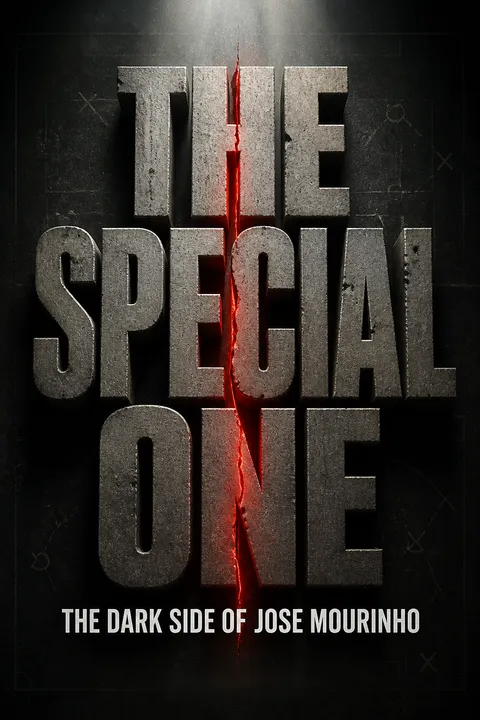

نکات کلیدی
1. جنگ روانی خوزه مورینیو در رئال مادرید
«اگر من در ویتنام باشم و تو را ببینم که به دوستم میخندی، با دستان خودم یک تفنگ برمیدارم و تو را میکشم.»
استاد دستکاری روانی. سبک مدیریت مورینیو اساساً بر ایجاد تنش روانی و کنترل روایتها متمرکز بود. او بهطور مداوم از ترس، ارعاب و ارتباطات استراتژیک برای حفظ کنترل بر بازیکنان و محیط نهادی استفاده میکرد.
استراتژیهای روانی تاکتیکی:
- ایجاد تقسیمات داخلی در تیم
- استفاده از رسانه بهعنوان سلاح ارتباطی
- پرورش وفاداری از طریق حفاظت انتخابی
- ایجاد حالت دائمی عدم قطعیت
تکنیکهای جنگ روانی. مورینیو مربیگری را از یک نقش صرفاً تاکتیکی به یک عملیات پیچیده روانی تبدیل کرد. او بازیکنان را نه تنها بهعنوان ورزشکاران، بلکه بهعنوان موجودات روانی که باید مدیریت، دستکاری و کنترل شوند، میدید.
2. قدرت و دستکاری روایتهای رسانهای
«من نامها را به مطبوعات میدهم،» او گفت.
رسانه بهعنوان سلاح. مورینیو رسانه را نه بهعنوان یک مکانیزم گزارشدهی، بلکه بهعنوان ابزاری استراتژیک برای شکلدهی به ادراکات نهادی و بازیکنان درک میکرد. او بهطور سیستماتیک از کنفرانسهای مطبوعاتی، نشتها و ارتباطات استراتژیک برای ایجاد روایتهایی که به اهداف وسیعترش خدمت میکردند، استفاده میکرد.
روشهای ساخت روایت:
- افشای اطلاعات انتخابی
- ایجاد دشمنان خارجی
- تولید جنجال
- کنترل ارتباطات بازیکنان
- استفاده از پروپاگاندا بهعنوان تکنیک مدیریت
پروپاگاندا نهادی. با در نظر گرفتن رسانه بهعنوان یک گسترش از استراتژی مدیریت خود، مورینیو مرزهای ارتباطی سنتی را تغییر داد و کنفرانسهای مطبوعاتی را به میدانهای جنگ روانی تبدیل کرد که در آن میتوانست بهطور همزمان بازیکنان را انگیزه دهد، رقبای خود را نقد کند و ادراک عمومی را شکل دهد.
3. سیاستهای نهادی و مدیریت فوتبال
«این نهاد به آنچه که ما به آن سنوریو میگوییم افتخار میکند. سنوریو به رسمیت شناختن شایستگیهای رقیب است، اما همچنین دفاع از آنچه که ما درست میدانیم و محکوم کردن رفتارهای غیرمنصفانه است.»
دینامیکهای پیچیده نهادی. رئال مادرید تنها یک باشگاه فوتبال نبود، بلکه یک اکوسیستم سیاسی پیچیده بود که در آن قدرت، خودخواهی و استراتژی نهادی تلاقی میکردند. دوران مورینیو نشاندهنده مذاکرات پیچیده بین رهبری باشگاه، کادر مربیگری، بازیکنان و ذینفعان خارجی بود.
ابعاد سیاسی کلیدی:
- دینامیکهای قدرت ریاستجمهوری
- تأثیر نمایندگان
- مدیریت روابط رسانهای
- مذاکرات قرارداد بازیکنان
- تصمیمگیری استراتژیک
دستکاری نهادی. این کتاب مدیریت فوتبال را بهعنوان یک عرصه سیاسی چندوجهی نشان میدهد که موفقیت نه تنها به درخشش تاکتیکی بستگی دارد، بلکه به پیمایش روابط بینفردی و نهادی پیچیده نیز وابسته است.
4. دینامیکهای پیچیده روابط بازیکن-مربی
«ما باید هر بازی را با همان میزان تمرکز، با همان شخصیت و همان جاهطلبی انجام دهیم.»
اعتماد و خیانت. رابطه مورینیو با بازیکنان با نوسان مداوم بین وفاداری شدید و احتمال خیانت مشخص میشد. بازیکنان بهطور همزمان داراییهای ارزشمند و تهدیدهای بالقوه برای اقتدار او بودند.
ویژگیهای رابطه:
- وفاداری مشروط
- دستکاری روانی
- احترام مبتنی بر عملکرد
- مدیریت استراتژیک بازیکنان
- تشکیل گروههای مبتنی بر هویت
مدیریت روانی. مربی روابط بازیکنان را به یک سیستم پیچیده از پاداش، تنبیه و موقعیتیابی استراتژیک تبدیل کرد، جایی که وفاداری شخصی و عملکرد حرفهای بهطور مداوم مورد مذاکره قرار میگرفت.
5. تأثیر خورخه مندس در اکوسیستم فوتبال
«تو نمیتوانی تصور کنی که این مرد چقدر پول دارد،» او گفت و به مندس اشاره کرد.
نماینده بهعنوان واسطه قدرت. خورخه مندس نه تنها بهعنوان یک نماینده بازیکن، بلکه بهعنوان یک تأثیرگذار استراتژیک ظاهر شد که قادر به شکلدهی به تصمیمات نهادی، حرکات بازیکنان و استراتژیهای مدیریتی بود.
قابلیتهای استراتژیک مندس:
- نمایندگی بازیکنان
- مذاکره با باشگاه
- تأثیرگذاری بر مدیریت
- موقعیتیابی استراتژیک رسانهای
- مدیریت صندوقهای سرمایهگذاری
زیرساخت سایه فوتبال. مندس نماینده یک مدل جدید از مدیریت فوتبال بود که در آن نمایندگان به زیرساختهای حیاتی تبدیل شدند و قادر به تأثیرگذاری بر نقل و انتقالات، قراردادها و استراتژیهای نهادی فراتر از مرزهای سنتی بودند.
6. افول نوآوری تاکتیکی
«این بازی توپ گمشده خواهد بود.»
سختی تاکتیکی. رویکرد تاکتیکی مورینیو بهطور تدریجی به سمت محافظهکاری و پیشبینیپذیری بیشتر پیش رفت و محدودیتهای روششناسی انقلابی او را نمایان کرد.
ویژگیهای تاکتیکی:
- وابستگی بیش از حد به استراتژیهای دفاعی
- کاهش انعطافپذیری تاکتیکی
- ضدحمله بهعنوان مکانیزم اصلی
- ترس از مالکیت
- سادهسازی بازی هجومی
محدودیتهای استراتژیک. این کتاب نشان میدهد که چگونه نوآوری تاکتیکی میتواند دچار رکود شود و از یک مزیت رقابتی به یک مسئولیت استراتژیک تبدیل گردد، زمانی که نتواند تکامل یابد.
7. سفر حرفهای پیچیده کریستیانو رونالدو
«من عصبی بودم. میدانستم که اگر اولین لمس من درست نباشد، فرصت از دست خواهد رفت.»
خودتحقق حرفهای. سفر رونالدو با مذاکره مداوم بین جاهطلبی شخصی، سیاستهای نهادی و عملکرد فردی مشخص میشد.
دینامیکهای حرفهای رونالدو:
- عملکرد بهعنوان هویت
- استراتژیهای مذاکره قرارداد
- مدیریت روابط رسانهای
- برندینگ شخصی
- وابستگی به نماینده
عاملیت فردی. رونالدو بهعنوان یک بازیگر استراتژیک ظاهر شد که قادر به پیمایش در چشماندازهای نهادی پیچیده بود.
8. فروپاشی ارتباطات و اعتماد
«تو اولین کسی هستی که میدانی... میخواهم حقیقت را به تو بگویم... بهجز این که ما لیگ را بهخاطر تسلیم شدن titulares [بازیکنان اصلی] باختیم، سال واقعاً مزخرفی بوده است.»
فرسایش سیستماتیک اعتماد. فروپاشی ارتباطات نه یک تصادف، بلکه یک فرآیند سیستماتیک بود که در آن اعتماد بهطور تدریجی از طریق دستکاریهای استراتژیک تخریب میشد.
مکانیزمهای فروپاشی ارتباطات:
- انتقاد عمومی
- نشتهای استراتژیک
- اشتراکگذاری اطلاعات انتخابی
- دستکاری روانی
- ایجاد تقسیمات داخلی
نقص نهادی. این کتاب نشان میدهد که چگونه ارتباطات میتواند از یک ابزار مدیریتی به یک سلاح مخرب تبدیل شود.
9. مانور استراتژیک پرز
«مادرید هرگز نمیتواند پول خود را از سرمایهگذاری در پهپه، دیماریا و کاروالیو پس بگیرد.»
استراتژی ریاستجمهوری. فلورنتینو پرز بهعنوان یک استراتژیست پیچیده ظاهر شد که بهطور مداوم بین ثبات نهادی، ملاحظات مالی و موفقیت ورزشی تعادل برقرار میکرد.
ملاحظات استراتژیک:
- مدیریت مالی
- ارزیابی بازیکنان
- شهرت نهادی
- روابط رسانهای
- برنامهریزی بلندمدت
رهبری نهادی. پرز نماینده مدلی از رهبری فوتبال بود که فراتر از مدیریت ورزشی سنتی میرفت و باشگاه را بهعنوان یک موجودیت اقتصادی و سیاسی پیچیده در نظر میگرفت.
10. فروپاشی اجتنابناپذیر پروژه مادریدی مورینیو
«هرگز در تاریخ رئال مادرید، یک مربی به این اندازه قدرتمند و در عین حال اینقدر بدبخت نبوده است.»
فروپاشی سیستماتیک. دوران مورینیو نمایانگر یک مطالعه موردی جامع از فراتر رفتن نهادی بود، جایی که جاهطلبی شخصی و اشتباهات استراتژیک به شکست سیستماتیک منجر شد.
عوامل فروپاشی:
- از دست دادن اعتماد نهادی
- فروپاشی ارتباطات
- رکود تاکتیکی
- شورش بازیکنان
- دشمنی رسانهای
تحول نهادی. این کتاب نشان میدهد که چگونه استراتژیهای رهبری میتوانند بهطور بنیادی ثبات نهادی را تضعیف کنند، زمانی که روایت شخصی را بر موفقیت جمعی ترجیح میدهند.
خلاصه نقدها
کتاب مرد ویژه با نظرات متنوعی مواجه شده و میانگین امتیاز آن ۳.۴۹ از ۵ است. منتقدان به بینش این کتاب در مورد سبک مدیریت ژوزه مورینیو و نحوهی کارکردهای داخلی رئال مادرید اشاره میکنند، در حالی که برخی دیگر آن را جانبدارانه و اغراقآمیز میدانند. برخی از خوانندگان این کتاب را جذاب و افشاگرانه مییابند و به بررسی تاکتیکهای جنجالی و شخصیت مورینیو میپردازند. با این حال، بسیاری از دقت و بیطرفی آن انتقاد میکنند و به جانبداری قوی ضد مورینیو اشاره دارند. تمرکز کتاب بر درامهای پشت صحنه و تاکتیکهای روانشناختی مورینیو، خوانندگان را به دو دسته تقسیم کرده است؛ برخی آن را جذاب میدانند و برخی دیگر آن را غیرقابل اعتماد یا حتی افترا آمیز تلقی میکنند.
سؤالات متداول
1. What is The Special One: The Dark Side of Jose Mourinho by Diego Torres about?
- In-depth look at Mourinho: The book explores José Mourinho’s tenure at Real Madrid, focusing on his complex personality, leadership style, and the internal conflicts that defined his era.
- Behind-the-scenes revelations: It provides detailed accounts of Mourinho’s relationships with players, agents, club executives, and the media, exposing power struggles and psychological tactics.
- Football and politics intersection: The narrative situates Mourinho’s story within the broader context of Spanish football, highlighting the interplay between sport, institutional politics, and media manipulation.
2. Why should I read The Special One: The Dark Side of Jose Mourinho by Diego Torres?
- Unveils Mourinho’s complexity: Readers gain a nuanced understanding of Mourinho beyond his public persona, learning about his vulnerabilities, ambitions, and controversial methods.
- Insight into football industry: The book exposes the intricate relationships between agents, club executives, players, and media, illustrating football as both business and spectacle.
- Cultural and political context: Through vivid storytelling, it situates Mourinho’s story within the rivalries, nationalism, and media battles of Spanish football, appealing to fans interested in the sport’s socio-political dimensions.
3. What are the key takeaways from The Special One: The Dark Side of Jose Mourinho by Diego Torres?
- Leadership’s dark side: Mourinho’s authoritarian and manipulative leadership style created division, fear, and mistrust within Real Madrid.
- Agent influence and favoritism: The book highlights the powerful role of agent Jorge Mendes, whose clients received preferential treatment, fueling internal conflict.
- Tactical rigidity and controversy: Mourinho’s defensive tactics and media strategies often backfired, leading to rebellion among players and mixed results on the pitch.
4. What were the main conflicts between José Mourinho and Real Madrid players according to Diego Torres?
- Favoritism and agent ties: Mourinho’s close relationship with Jorge Mendes led to perceived favoritism toward Mendes’s clients, creating divisions within the squad.
- Tactical disagreements: Many players, including stars like Casillas and Ronaldo, opposed Mourinho’s defensive ‘trivote’ system, preferring a more attacking style.
- Public criticism: Mourinho’s habit of publicly criticizing players damaged trust and morale, contributing to a toxic atmosphere and internal unrest.
5. How did Diego Torres describe José Mourinho’s leadership style at Real Madrid?
- Use of fear and control: Mourinho maintained discipline through fear, unpredictably punishing players and controlling information flow.
- Division and psychological manipulation: He fostered factions within the squad, favoring those close to Mendes, and used theatrical behavior to keep players off balance.
- Media orchestration: Mourinho carefully crafted his public persona, using controversy and conflict to maintain dominance and influence.
6. What is the ‘trivote’ system in The Special One: The Dark Side of Jose Mourinho by Diego Torres?
- Definition and purpose: The ‘trivote’ is a tactical formation with three defensive midfielders, designed to stiffen the midfield and focus on deep defending and counter-attacks.
- Mourinho’s adaptation: He used the system to control games, pressing high and defending compactly, often with players like Alonso, Lass, and Khedira.
- Controversy and impact: While it reduced goals conceded, it limited offensive creativity and was unpopular with many players and fans, fueling internal dissent.
7. How did Jorge Mendes influence Real Madrid during José Mourinho’s tenure, according to Diego Torres?
- Agent and power broker: Mendes was deeply involved in club operations, influencing player signings and contract negotiations, and even having an office at the training complex.
- Favoritism and squad dynamics: His clients, including Ronaldo, Pepe, and Coentrão, received preferential treatment, creating a ‘club within a club’ and causing resentment.
- Media and commercial influence: Mendes helped manage media narratives and shaped the club’s sporting and communication strategies, blurring lines between sporting and business interests.
8. How did José Mourinho’s relationship with Iker Casillas evolve in The Special One: The Dark Side of Jose Mourinho by Diego Torres?
- Initial trust, later suspicion: Mourinho started with respect for Casillas but grew suspicious, accusing him of disloyalty and leaking information.
- Public criticism and demotion: Casillas was publicly criticized and eventually benched, which was seen as a humiliation and a message to the squad.
- Symbol of internal conflict: The rift with Casillas exemplified the broader power struggles and toxic environment within the team.
9. How did Mourinho’s tactics and leadership style affect Real Madrid’s performance in key matches, according to Diego Torres?
- Defensive, conservative approach: Mourinho often used a low-block, counter-attacking style, especially in high-stakes matches, which limited attacking potential.
- Psychological manipulation: His use of public criticism and media campaigns created tension and division, undermining team morale and cohesion.
- Mixed competitive results: While he won domestic trophies, his teams struggled in crucial European matches, with internal conflicts contributing to failures.
10. What were the key moments of rebellion and conflict within the Real Madrid squad under José Mourinho, as described by Diego Torres?
- Champions League semi-final team talk: Mourinho’s instruction to prepare to lose against Barcelona for propaganda purposes shocked and alienated players.
- September 2011 revolt: Senior players confronted Mourinho after public criticism and controversial team selections, demanding respect and fairness.
- Ongoing dissent: Players like Lass Diarra openly defied Mourinho, and staged conflicts were leaked to the press, reflecting a toxic and divided atmosphere.
11. How did José Mourinho’s relationship with club president Florentino Pérez influence his time at Real Madrid, according to Diego Torres?
- Initial strong backing: Pérez gave Mourinho unprecedented control over transfers and club operations, seeing him as key to modernizing the club.
- Growing tensions: Public controversies, internal conflicts, and Champions League failures led Pérez to doubt Mourinho’s methods, despite public support.
- Final rupture: The disastrous defeat to Dortmund and ongoing unrest led Pérez to terminate Mourinho’s contract, marking the collapse of their alliance.
12. What are the best quotes from The Special One: The Dark Side of Jose Mourinho by Diego Torres and what do they mean?
- “I am José Mourinho …” – Highlights Mourinho’s self-perception as the ultimate authority and his absolutist leadership style.
- “I score and I win.” – Reflects his pragmatic, results-oriented philosophy, prioritizing effectiveness over aesthetics.
- “This is the worst season of my career.” – Reveals Mourinho’s vulnerability and the emotional toll of his struggles, contrasting with his public image.
- “You are sons of bitches.” – Illustrates his use of fear and intimidation to control players, showcasing the darker side of his management.
- Quotes on loyalty and Madridismo: Mourinho’s statements often positioned himself as the true guardian of the club, using rhetoric to justify actions and shift blame.
دانلود PDF
دانلود EPUB
.epub digital book format is ideal for reading ebooks on phones, tablets, and e-readers.








































