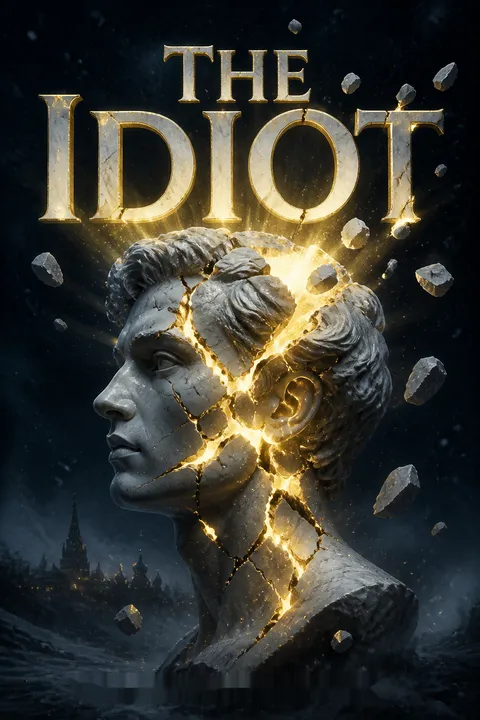

خلاصه داستان
ورود شاهزادهی مرموز
در یک صبح مهآلودِ ماه نوامبر، قطاری به سنپترزبورگ نزدیک میشود که دو مرد جوان را با خود میآورد: پارفیون روگوژین، مردی با چشمانی آتشین و پرحرارت، و شاهزاده لِو میشکین، روحی مهربان که پس از درمان صرع در سوئیس در حال بازگشت به وطن است. گفتگوی آنها معصومیت میشکین و ذات پرشور روگوژین را آشکار میسازد. میشکین که هیچ پول یا آشنایی ندارد، برای ملاقات با خویشاوندان دور خود، یعنی خانوادهی ایپانچین، در راه است، در حالی که روگوژین برای دریافت یک ارثیه بازمیگردد. این ملاقات، زمینهساز مجموعهای از رویدادها میشود که سرنوشت آنها را به هم گره میزند.
یک جمع خانوادگی متشنج
شاهزاده میشکین به اقامتگاه ایپانچین میرسد و با سوءظن و کنجکاوی مواجه میشود. این خانواده که متشکل از ژنرال ایپانچین، همسرش و سه دخترشان است، درگیر یک دوراهی اجتماعی مربوط به ازدواج احتمالی دخترشان آگلایا با خواستگاری ثروتمند به نام گانیا هستند. رفتار بیپرده و سادهدلانهی میشکین، فضای متشنج را دگرگون میکند. ذات پاک و بینش غیرمنتظرهی او نسبت به پویایی این خانواده، علیرغم تردیدهای اولیهشان، او را در دل خانوادهی ایپانچین جا میکند.
بازی اعترافات
در جریان مهمانی در خانهی ناستازیا، مهمانان وارد بازیای میشوند که در آن هر کس باید بدترین کار خود را اعتراف کند. این بازی که توسط فردیشنکوی شرور پیشنهاد شده، قرار است سرگرمکننده باشد اما بهسرعت جدی میشود. با به اشتراک گذاشتن داستان هر یک از مهمانان، اعترافات جنبههای تاریکتر شخصیت و گذشتهی آنها را برملا میکند. صداقت و معصومیت میشکین به چشم میآید و تضاد شدیدی با بدبینی دیگران ایجاد میکند. این بازی زمینهساز افشاگریها و درگیریهای عمیقتر میشود.
ورود دراماتیک روگوژین
شب با ورود ناگهانی روگوژین به همراه گروهی از همراهان پر سر و صدا به خانهی ناستازیا، جریانی دراماتیک به خود میگیرد. او عشق خود را به ناستازیا ابراز میکند و ثروت کلانی را برای ازدواج با او پیشنهاد میدهد. اشتیاق شدید و بیپروای او با اهداف حسابشدهی گانیا در تضاد است و فضایی متشنج و بیثبات ایجاد میکند. ناستازیا که میان دو خواستگار گیر افتاده، باید دربارهی آیندهی خود تصمیم بگیرد. این صحنه قدرت ویرانگر وسواس فکری و پیچیدگی خواستههای انسان را برجسته میکند.
تصمیم جسورانهی ناستازیا
ناستازیا در مواجهه با چشمانداز ازدواج با گانیا برای امنیت مالی یا با روگوژین از روی اشتیاق، تصمیمی غافلگیرکننده میگیرد. او هر دو خواستگار را رد میکند و در عوض تصمیم میگیرد بر استقلال و آزادی خود پافشاری کند. تصمیم او همه، بهویژه گانیا را که تحقیر و خشمگین شده، شوکه میکند. میشکین که همدلی عمیقی نسبت به ناستازیا پیدا کرده، هم تسکین مییابد و هم نگران سلامت او میشود. انتخاب ناستازیا زمینهساز آشفتگیهای بیشتر و کاوش در مضامینی چون عشق، آزادی و خودویرانگری میشود.
ارث غیرمنتظرهی شاهزاده
در میان این هیاهو، میشکین خبر دریافت ارثیهای بزرگ از یک خویشاوند دور را دریافت میکند. این افشاگری جایگاه اجتماعی او را تغییر میدهد و روابطش را پیچیده میکند، چرا که اطرافیانش با ترکیبی از حسادت و فرصتطلبی واکنش نشان میدهند. این ارثیه پویاییهای جدیدی را وارد داستان میکند، زیرا میشکین باید با پیچیدگیهای ثروت و تأثیر آن بر زندگی و ارزشهای خود دستوپنجه نرم کند.
بیانیهی جسورانهی آگلایا
آگلایا با شاهزاده میشکین ملاقات میکند و از تمایل خود برای فرار از انتظارات خانوادهاش پرده برمیدارد. او از فشارهای اجتماعی و تلاشهای خانوادهاش برای شوهر دادنش ابراز ناامیدی میکند. آگلایا با جسارت تصمیم خود را برای فرار و دنبال کردن مسیر شخصیاش اعلام میکند و خواستار حمایت شاهزاده میشود. عزم او برای اثبات استقلال خود، تلاشش را در مبارزه با هنجارهای جامعه برجسته میسازد.
عروسیای که هرگز سر نگرفت
علیرغم تلاشهای شاهزاده برای پیش بردن برنامهی ازدواجش با ناستازیا، این روز پر از تنش است. با نزدیک شدن به زمان مراسم، ناستازیا آشکارا پریشانحال است. در آخرین لحظه، او با روگوژین فرار میکند و شاهزاده را تحقیرشده و تنها میگذارد. مردم شهر که برای تماشای این مراسم گرد آمده بودند، شوکه میشوند و اعتبار شاهزاده بیش از پیش لکهدار میشود.
نیات شوم روگوژین
روگوژین که تحت تأثیر عشق وسواسگونهاش به ناستازیا قرار دارد، او را با خود میبرد، اما نیات او فرسنگها با شرافت فاصله دارد. شاهزاده با احساس خطر، آنها را تا سنپترزبورگ تعقیب میکند. وضعیت روحی روگوژین با تملکگرایی و پارانویای فزایندهی او رو به وخامت میگذارد. شاهزاده که نگران امنیت ناستازیا است، مصمم میشود او را پیدا کند و مانع از بروز یک فاجعه شود.
کشفی تراژیک
در رویارویی هولناک، شاهزاده جسد بیجان ناستازیا را در خانهی روگوژین مییابد. او که غرق در اندوه و وحشت شده، با روگوژین روبرو میشود و روگوژین به قتل اعتراف میکند. شاهزاده در حالت شوک، در کنار روگوژین میماند و قادر به درک فاجعهای که رخ داده نیست. این دو مرد که با عشق مشترکشان به ناستازیا به هم پیوند خوردهاند، رها میشوند تا با عواقب اعمال خود روبرو گردند.
پیامدهای جنون
به دنبال این رویدادهای آسیبزا، سلامت روان شاهزاده میشکین بهسرعت رو به وخامت میگذارد. او برای درمان دوباره به سوئیس فرستاده میشود، اما وضعیت او بهبود چندانی نشان نمیدهد. خانوادهی ایپانچین که اکنون آشتی کردهاند، به ملاقات او میروند، اما آگلایا به زندگی خود ادامه داده و با یک کنت لهستانی ازدواج کرده است. داستان تراژیک شاهزاده به عنوان هشداری دربارهی عشق، وسواس فکری و شکنندگی ذهن انسان عمل میکند.
Analysis
کاوشی عمیق در ذات انسانرمان «ابله» اثر فئودور داستایوفسکی به پیچیدگیهای احساسات بشری، انتظارات جامعه و شکنندگی ذهن انسان میپردازد. داستایوفسکی از طریق شخصیت شاهزاده میشکین، تنش میان معصومیت و فساد، و همدلی و وسواس فکری را بررسی میکند. کاوش رمان در مفاهیمی چون عشق، آزادی و خودویرانگری به عنوان هشداری دربارهی خطرات خواستههای مهارنشده و فشارهای اجتماعی که به زندگی ما شکل میدهند، عمل میکند. روایت پیچیده و شخصیتپردازی غنی داستایوفسکی، تأملی جاودانه بر وضعیت بشر ارائه میدهد و خوانندگان را به چالش میکشد تا دوراهیهای اخلاقی و انسانی را که معرف وجود ما هستند، به قضاوت بنشینند.
خلاصه نقدها
ابله شاهکاری پیچیده و بینقصونقصان است که به کاوش در ذات بشر و جامعه از دریچهی نگاه پرنس میشکین، شخصیتی مسیحگونه در روسیهی قرن نوزدهم، میپردازد. خوانندگان بینشهای روانشناختی، عمق فلسفی و شخصیتپردازیهای زنده و ملموس داستایوفسکی را میستایند، اما در عین حال به زیادهگویی و گاه عدم انسجام ساختاری رمان اشاره میکنند. مضامین اصلی داستان شامل معصومیت، عشق و فساد اخلاقی است. اگرچه برخی این اثر را در مرتبهای پایینتر از جنایت و مکافات و برادران کارامازوف قرار میدهند، اما بسیاری همچنان ابله را اثری عمیق، تفکربرانگیز و ارزشمند در دنیای ادبیات به شمار میآورند.
دیگران نیز خواندهاند


Characters
Prince Lev Myshkin
شاهزاده میشکین که پس از سالها درمان صرع به روسیه بازگشته، مردی مهربان و خوشقلب است. معصومیت و صداقت او اغلب باعث میشود دیگران او را دستکم بگیرند، اما بینش او نسبت به طبیعت انسان، نشاندهندهی درک عمیق او از اطرافیانش است. تعاملات میشکین با خانوادهی ایپانچین و ناستازیا فیلیپوونا، نقش او را به عنوان یک قطبنمای اخلاقی در دنیایی پر از فریب و جاهطلبی برجسته میکند.
Parfen Rogojin
روگوژین مرد جوان ثروتمندی است که عشق شدید و بیپروا به ناستازیا فیلیپوونا او را به پیش میراند. وسواس فکری او نسبت به ناستازیا باعث میشود دست به تصمیمات جسورانه و خطرناکی بزند، از جمله پیشنهاد ثروتی کلان برای ازدواج با او. ذات بیثبات روگوژین و بیتوجهی او به آداب و رسوم اجتماعی، از او شخصیتی هولناک میسازد که تضاد شدیدی با رفتار آرام میشکین دارد.
Nastasia Philipovna
ناستازیا زنی زیبا و پیچیده با شهرتی جنجالی است. هوش و ذکاوت او اطرافیانش را مجذوب خود میکند، اما گذشته و آشفتگی درونیاش، حسی از رمز و راز و تراژدی پدید میآورد. تعاملات ناستازیا با میشکین نشاندهندهی آسیبپذیری و تمایل او به ارتباطی واقعی است، در حالی که رد کردن هر دو خواستگار یعنی گانیا و روگوژین، نشاندهندهی عزم او برای کنترل سرنوشت خویش است.
Gania Ivolgin
گانیا مرد جوانی است که میان تمایل به ثروت و وجدان اخلاقی خود گیر افتاده است. او که برای کسب منافع مالی درگیر ازدواج احتمالی با ناستازیا شده، با احساس شرم و جاهطلبی خود دستوپنجه نرم میکند. تعاملات گانیا با میشکین و ناستازیا، تعارض درونی او و فشارهای اجتماعی را که محرک اقداماتش هستند، آشکار میسازد.
General Epanchin
ژنرال ایپانچین مردی قدرتمند و با نفوذ است که دغدغهی حفظ جایگاه اجتماعی خانوادهاش را دارد. رویکرد عملگرایانهی او به زندگی اغلب با دیدگاههای آرمانگرایانهتر اطرافیانش در تضاد است. تعاملات ژنرال با میشکین و ناستازیا نشاندهندهی اضطرابهای درونی او دربارهی آینده و انتخابهایی است که خانوادهاش باید انجام دهند.
Aglaya Epanchin
آگلایا، کوچکترین دختر خانوادهی ایپانچین، با ارادهی قوی و تمایلش به استقلال شناخته میشود. تعاملات او با میشکین رابطهای پیچیده را نشان میدهد، زیرا او با احساساتش نسبت به او و انتظارات خانوادهاش دستوپنجه نرم میکند. سرکشی آگلایا و عزم او برای ساختن مسیر خودش، مضامین رمان یعنی عشق، آزادی و خودشناسی را برجسته میکند.
Lizabetha Prokofievna
لیزابت عمیقاً نگران آیندهی دخترش آگلایا و شایعات پیرامون رابطهی او با شاهزاده میشکین است. غریزهی مادری او را وادار میکند تا به دنبال شفافیت باشد و از آگلایا در برابر رسواییهای احتمالی محافظت کند. اضطراب لیزابت نشاندهندهی تلاش او برای ایجاد تعادل میان انتظارات جامعه و استقلال دخترش است.
Evgenie Pavlovitch
یوگنی دیدگاهی منطقی نسبت به رویدادها ارائه میدهد و به سادگیِ شاهزاده و ماهیت ویرانگر روابط او پی میبرد. مشاهدات او فشارهای اجتماعی و انتظاراتی را که به این تراژدی دامن میزنند، برجسته میکند.
Plot Devices
The Game of Confessions
بازی اعترافات که توسط فردیشنکو پیشنهاد میشود، به عنوان یک ابزار روایی برای افشای عمیقترین رازها و لغزشهای اخلاقی شخصیتها عمل میکند. از طریق این بازی، خواننده به پیچیدگیهای شخصیتی هر کاراکتر و فشارهای اجتماعی که با آنها روبرو هستند، پی میبرد. این اعترافات همچنین زمینهساز درگیریها و اتحادهای آینده میشود، زیرا شخصیتها با عواقب اعمال گذشتهی خود دستوپنجه نرم میکنند.
The Unexpected Inheritance
افشای ارثیهی میشکین به عنوان یک ابزار داستانی محوری عمل میکند، روابط او را تغییر میدهد و پویاییهای جدیدی را به داستان معرفی میکند. این موضوع ارزشهای میشکین را به چالش میکشد و او را مجبور میکند تا با پیچیدگیهای ثروت و تأثیر آن بر زندگیاش روبرو شود. این ارثیه همچنین به عنوان کاتالیزوری برای درگیری عمل میکند، زیرا اطرافیان او با حسادت و فرصتطلبی واکنش نشان میدهند و ذات واقعی خود را برملا میسازند.
Dreams and Visions
رویاهای میشکین به عنوان استعارهای از درگیریهای عاطفی او و مرز باریک میان واقعیت و خیال عمل میکنند. این رویاها بازتابدهندهی ترسها و خواستههای او هستند، بینشی نسبت به روان او ارائه میدهند و رویدادهای آینده را پیشگویی میکنند. رویاها کاوش رمان در ناخودآگاه و پیچیدگی احساسات انسانی را برجسته میسازند.
Letters as a Narrative Device
نامههای ناستازیا به میشکین به عنوان یک ابزار داستانی حیاتی عمل میکنند و آشفتگی درونی و وسواس فکری او را برملا میسازند. این نامهها بینشی نسبت به شخصیت و انگیزههای او ارائه میدهند و درک خواننده را از رابطهی پیچیدهی او با میشکین و آگلایا عمیقتر میکنند. این ابزار بر مضامین رمان یعنی عشق، حسادت و خودویرانگری تأکید دارد.
The Wedding
عروسی به عنوان کاتالیزوری برای شکلگیری تراژدی عمل میکند و برخورد میان هنجارهای اجتماعی و خواستههای شخصی را برجسته میسازد. این رویداد بر درگیری درونی شاهزاده و غیرممکن بودن آشتی دادن عشقش به هر دو نفر، یعنی آگلایا و ناستازیا تأکید میکند.
Madness
تم جنون در سراسر روایت جریان دارد و در نهایت به فروپاشی روانی شاهزاده ختم میشود. این موضوع به عنوان تفسیری بر قدرت ویرانگر عشق و وسواس فکری، و مرز باریک میان عقل و جنون عمل میکند.
سؤالات متداول
Synopsis & Basic Details
What is The Idiot about?
- Return of a Prince: Prince Myshkin, after years in a Swiss sanatorium for epilepsy, returns to Russia to navigate a world of complex social relationships and moral dilemmas.
- Entanglement in Love: He becomes entangled in a love triangle with the troubled Nastasia Filippovna and the proud Aglaya Epanchin, each representing different facets of beauty and societal expectations.
- Clash of Innocence and Corruption: Myshkin's inherent goodness and naiveté clash with the ambition, greed, and moral compromises of the Russian society he encounters, leading to tragic consequences.
Why should I read The Idiot?
- Psychological Depth: Dostoevsky masterfully explores the inner lives of his characters, revealing their unspoken motivations, psychological complexities, and emotional vulnerabilities.
- Moral and Philosophical Themes: The novel grapples with profound questions about faith, morality, societal corruption, and the nature of beauty, offering a thought-provoking reading experience.
- Complex Character Dynamics: The intricate relationships between the characters, marked by love, jealousy, and manipulation, create a compelling and emotionally charged narrative.
What is the background of The Idiot?
- 19th-Century Russia: The novel reflects the social and political climate of 19th-century Russia, including the rise of nihilism, the clash between traditional values and modern ideas, and the influence of Western thought.
- Dostoevsky's Personal Experiences: Dostoevsky's own experiences with epilepsy, poverty, and political radicalism inform the novel's themes and character portrayals, adding depth and authenticity to the narrative.
- Social Commentary: The novel critiques the moral decay and materialism of Russian society, exposing the hypocrisy and corruption that lie beneath the surface of wealth and privilege.
What are the most memorable quotes in The Idiot?
- Beauty Will Save the World: This iconic quote encapsulates Myshkin's belief in the transformative power of beauty, though its meaning remains open to interpretation and debate within the novel.
- Compassion is the Law: Myshkin's emphasis on compassion as a guiding principle highlights his moral philosophy and his desire to alleviate the suffering of others, even at his own expense.
- Two Minutes of Life: Myshkin's reflection on the condemned man's experience underscores the preciousness of life and the horror of capital punishment, revealing Dostoevsky's own moral convictions.
What writing style, narrative choices, and literary techniques does Fyodor Dostoevsky use?
- Psychological Realism: Dostoevsky delves into the inner thoughts and emotions of his characters, using stream-of-consciousness and interior monologue to reveal their psychological complexities.
- Polyphonic Narrative: The novel features multiple voices and perspectives, creating a dynamic and multi-layered narrative that challenges the reader to interpret events from different viewpoints.
- Symbolism and Foreshadowing: Dostoevsky employs recurring symbols and subtle foreshadowing to hint at future events and deepen the novel's thematic resonance, adding layers of meaning to the narrative.
Hidden Details & Subtle Connections
What are some minor details that add significant meaning?
- Myshkin's Gaiters: Symbol of Unworldliness: Myshkin's un-Russian gaiters, noted upon his arrival, subtly emphasize his outsider status and detachment from societal norms, highlighting his innocence and vulnerability.
- The Swiss Landscape: Echoes of Inner Peace: The Swiss landscape paintings in the Epanchin's home, admired by Myshkin, subtly connect to his past and the relative peace he experienced in Switzerland, contrasting with the turmoil of Russian society.
- Rogojin's Father's Coat: Inherited Darkness: Rogojin's wearing of his father's old coat when first encountering Nastasia Filippovna foreshadows the inherited darkness and destructive tendencies that define his character and fate.
What are some subtle foreshadowing and callbacks?
- The Guillotine Story: Foreshadows Violent End: Myshkin's detailed account of an execution foreshadows the violent climax of the novel, hinting at the destructive potential lurking beneath the surface of society.
- Abbot Pafnute's Signature: Symbol of Lost Faith: Myshkin's calligraphy of Abbot Pafnute's signature, a seemingly minor detail, subtly foreshadows the theme of lost faith and the search for spiritual meaning in a secular world.
- The Silver Cross: Ironic Exchange of Fates: The exchange of crosses between Myshkin and Rogojin, a gesture of brotherhood, ironically foreshadows their intertwined destinies and the tragic consequences of their shared obsession.
What are some unexpected character connections?
- Lebedeff and the Apocalypse: Unexpected Intellectual Depth: Lebedeff's knowledge of the Apocalypse, initially presented as comical, reveals a surprising intellectual depth and connects him to the novel's broader themes of faith, morality, and societal decay.
- General Ivolgin and the Past: Faded Glory and Lies: General Ivolgin's fabricated stories of his past, though often dismissed as drunken ramblings, reveal a longing for recognition and a distorted sense of self-importance, highlighting the theme of societal disillusionment.
- Nastasia and the Epanchin Girls: Secret Admiration and Connection: The rumor of Nastasia's secret relations with the Epanchin girls, though unlikely, hints at a hidden connection and a shared understanding of societal constraints, blurring the lines between seemingly disparate characters.
Who are the most significant supporting characters?
- Lebedeff: The Unreliable Narrator: Lebedeff, with his mix of cunning, sentimentality, and knowledge of the Apocalypse, acts as an unreliable narrator, providing insights into the characters and themes while also distorting the truth for his own gain.
- Colia Ivolgin: The Voice of Reason: Colia, despite his youth, often provides a voice of reason and moral clarity, offering insightful observations and challenging the hypocrisy of those around him.
- Hippolyte Terentyev: The Nihilistic Confessor: Hippolyte, the consumptive youth, serves as a mouthpiece for nihilistic ideas and a critique of societal values, challenging the reader to confront uncomfortable truths about life, death, and suffering.
Psychological, Emotional, & Relational Analysis
What are some unspoken motivations of the characters?
- Aglaya's Rebellious Streak: Desire for Authenticity: Aglaya's rebellious behavior stems from a deep-seated desire for authenticity and a rejection of societal expectations, driving her to seek genuine connection and meaning in her life.
- Rogojin's Possessive Love: Fear of Abandonment: Rogojin's possessive love for Nastasia is rooted in a deep-seated fear of abandonment and a desperate need for validation, leading him to destructive actions.
- Nastasia's Self-Destructive Tendencies: Seeking Punishment and Release: Nastasia's self-destructive tendencies are driven by a desire for punishment and a twisted sense of redemption, stemming from her past trauma and societal condemnation.
What psychological complexities do the characters exhibit?
- Myshkin's Epilepsy: Heightened Perception and Vulnerability: Myshkin's epilepsy is not merely a physical ailment but a source of heightened perception and spiritual insight, as well as vulnerability and social alienation.
- Rogojin's Duality: Love and Hate Intertwined: Rogojin's character embodies a complex duality, torn between passionate love and destructive hatred, reflecting the internal conflicts and moral ambiguities of human nature.
- Nastasia's Internal Conflict: Pride and Self-Loathing: Nastasia's character is defined by a constant internal conflict between her pride and her self-loathing, leading to erratic behavior and a tragic inability to find peace.
What are the major emotional turning points?
- Myshkin's Public Confession: Exposure of Inner Self: Myshkin's public confession of love for both Aglaya and Nastasia marks a turning point, exposing his inner turmoil and setting the stage for the tragic climax.
- Nastasia's Rejection at the Altar: Loss of Hope and Control: Nastasia's rejection of Myshkin at the altar signifies a complete loss of hope and control, leading to her final descent into madness and self-destruction.
- Rogojin's Confession of Murder: Descent into Madness: Rogojin's confession of Nastasia's murder marks his final descent into madness, highlighting the destructive power of obsession and the tragic consequences of unchecked passion.
How do relationship dynamics evolve?
- Myshkin and Aglaya: Idealization and Disillusionment: The relationship between Myshkin and Aglaya evolves from initial idealization to eventual disillusionment, as Aglaya's pride and societal expectations clash with Myshkin's unconventional nature.
- Myshkin and Rogojin: Brotherhood and Rivalry: The bond between Myshkin and Rogojin is characterized by a complex mix of brotherhood and rivalry, driven by their shared love for Nastasia and their contrasting moral philosophies.
- Nastasia and Rogojin: Obsession and Destruction: The relationship between Nastasia and Rogojin is defined by obsession and destruction, as Rogojin's possessive love ultimately leads to tragedy and Nastasia's inability to escape her past.
Interpretation & Debate
Which parts of the story remain ambiguous or open-ended?
- The Nature of Myshkin's "Idiotism": Innocence vs. Incapacity: The extent to which Myshkin's "idiocy" is a source of wisdom or a limitation remains ambiguous, prompting debate about the nature of innocence and its role in a corrupt world.
- Aglaya's True Feelings: Love, Pity, or Contempt: Aglaya's true feelings for Myshkin are never fully revealed, leaving room for interpretation about her motivations and the reasons for her ultimate rejection of him.
- Nastasia's Capacity for Redemption: Victim or Manipulator: The question of whether Nastasia Philipovna is a victim of circumstance or a manipulative force remains open to debate, challenging the reader to grapple with her complex and contradictory nature.
What are some debatable, controversial scenes or moments in The Idiot?
- The Game of Confessions: Exploitation or Catharsis: The game of confessions can be interpreted as either a cynical exploitation of personal vulnerabilities or a cathartic exercise in self-revelation, prompting debate about the nature of truth and honesty.
- Myshkin's Offer to Marry Nastasia: Compassion or Paternalism: Myshkin's offer to marry Nastasia can be seen as an act of selfless compassion or a condescending and paternalistic gesture, sparking debate about the ethics of his actions.
- Nastasia's Choice of Rogojin: Agency or Self-Destruction: Nastasia's ultimate choice to run away with Rogojin can be interpreted as an assertion of her agency or a self-destructive act driven by her internal demons, prompting debate about the extent to which she controls her own fate.
The Idiot Ending Explained: How It Ends & What It Means
- Myshkin's Return to Incapacity: Loss of Innocence: Myshkin's final descent into idiocy signifies the tragic loss of innocence and the inability of pure goodness to survive in a world consumed by passion and corruption.
- Rogojin's Acceptance of Fate: Redemption Through Suffering: Rogojin's acceptance of his sentence and his shared vigil with Myshkin suggest a glimmer of redemption through suffering, hinting at the possibility of spiritual transformation even in the face of unspeakable acts.
- The Triumph of Darkness: Critique of Societal Values: The novel's bleak ending serves as a powerful critique of societal values and the destructive forces that undermine human connection, leaving the reader with a sense of profound loss and moral ambiguity.
درباره نویسنده
کتابهای دیگر از فئودور داستایفسکی






دانلود PDF
دانلود EPUB
.epub digital book format is ideal for reading ebooks on phones, tablets, and e-readers.








































