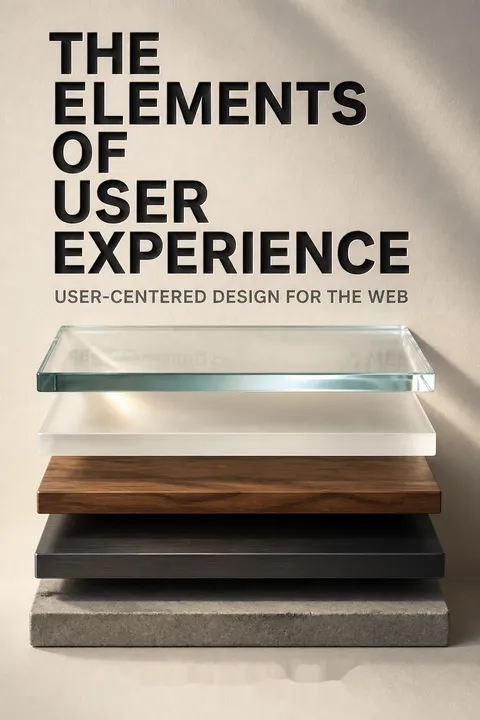

نکات کلیدی
1. طراحی تجربه کاربری: بنیاد محصولات موفق
"هر محصولی که توسط کسی استفاده میشود، یک تجربه کاربری ایجاد میکند: کتابها، بطریهای کچاپ، صندلیهای راحتی، و ژاکتهای کاردینگی."
تجربه کاربری جهانی است. این مفهوم شامل هر تعاملی است که یک فرد با یک محصول یا خدمت دارد، از رابطهای دیجیتال تا اشیاء فیزیکی. طراحی خوب تجربه کاربری بر نحوه عملکرد چیزها در بیرون تمرکز دارد، جایی که افراد با آنها در تماس هستند. هدف این است که محصولاتی بسازیم که نه تنها کارآمد باشند، بلکه شهودی، مؤثر و لذتبخش نیز باشند.
عناصر کلیدی تجربه کاربری:
- قابلیت استفاده: چقدر آسان و مؤثر است که از محصول استفاده شود
- دسترسی: اطمینان از اینکه محصول میتواند توسط افراد با تواناییهای مختلف استفاده شود
- جذابیت: ایجاد ارتباط عاطفی با کاربران
- ارزش: ارائه مزایای معنادار به کاربران و کسبوکارها
طراحی تجربه کاربری بسیار مهم است زیرا بهطور مستقیم بر رضایت کاربر، وفاداری مشتری و در نهایت موفقیت یک محصول یا کسبوکار تأثیر میگذارد. با تمرکز بر نیازها و ترجیحات کاربران، شرکتها میتوانند محصولاتی خلق کنند که در بازار متمایز باشند و روابط بلندمدتی با مشتریان خود برقرار کنند.
2. پنج سطح تجربه کاربری: از استراتژی تا سطح نهایی
"پنج سطح—استراتژی، دامنه، ساختار، اسکلت و سطح—یک چارچوب مفهومی برای صحبت درباره مشکلات تجربه کاربری و ابزارهایی که برای حل آنها استفاده میکنیم، فراهم میکند."
رویکرد سلسلهمراتبی به UX. پنج سطح نمایانگر یک روش سیستماتیک برای پرداختن به چالشهای تجربه کاربری هستند که از مفاهیم انتزاعی به جزئیات ملموس حرکت میکنند. هر سطح بر اساس تصمیمات اتخاذ شده در سطح زیرین خود بنا میشود و تجربه کاربری یکپارچه و مدبرانهای را تضمین میکند.
پنج سطح به ترتیب:
- استراتژی: تعریف اهداف محصول و نیازهای کاربر
- دامنه: تعیین مشخصات عملکردی و نیازهای محتوایی
- ساختار: سازماندهی طراحی تعامل و معماری اطلاعات
- اسکلت: ترتیبدهی رابط، ناوبری و طراحی اطلاعات
- سطح: طراحی تجربه حسی
این چارچوب به تیمها کمک میکند تا تفکر خود را سازماندهی کنند و اطمینان حاصل کنند که تمام جنبههای تجربه کاربری مورد توجه قرار گرفته است. با پرداختن به هر سطح به نوبت، طراحان میتوانند محصولاتی خلق کنند که نه تنها از نظر بصری جذاب باشند، بلکه از نظر استراتژیک نیز منطقی و از نظر عملکردی قوی باشند.
3. سطح استراتژی: همراستایی اهداف محصول با نیازهای کاربر
"شایعترین دلیل شکست یک وبسایت، فناوری نیست. همچنین تجربه کاربری هم نیست. وبسایتها بیشتر اوقات شکست میخورند زیرا—قبل از نوشتن اولین خط کد، فشار دادن اولین پیکسل، یا نصب اولین سرور—هیچکس زحمت پاسخ به دو سؤال بسیار اساسی را به خود نمیدهد: ما از این محصول چه میخواهیم؟ کاربران ما از آن چه میخواهند؟"
پایه استراتژیک بسیار مهم است. سطح استراتژی بر تعادل بین اهداف محصول (آنچه سازمان میخواهد به آن دست یابد) و نیازهای کاربر (آنچه کاربران میخواهند به آن برسند) تمرکز دارد. این همراستایی برای ایجاد یک تجربه کاربری موفق بنیادی است.
اجزای کلیدی سطح استراتژی:
- اهداف محصول: اهداف تجاری، هویت برند، معیارهای موفقیت
- نیازهای کاربر: تحقیقات کاربری، ایجاد پرسونای کاربر، تحلیل وظایف
- همراستایی استراتژیک: اطمینان از اینکه ویژگیهای محصول از اهداف تجاری و نیازهای کاربر پشتیبانی میکنند
با تعریف و همراستا کردن این عناصر، تیمها میتوانند در طول فرآیند طراحی تصمیمات آگاهانهای اتخاذ کنند و اطمینان حاصل کنند که محصول نهایی بهطور مؤثر هم به سازمان و هم به کاربرانش خدمت میکند.
4. سطح دامنه: تعریف مشخصات عملکردی و نیازهای محتوایی
"برای کسب سهم بازار در برابر این پیشگامان، رقبای معمولاً محتوای بیشتری اضافه میکنند و عملکردهای بیشتری را در امید به جذب مشتریان جدید (و شاید دزدیدن چند مشتری از رقبا) ارائه میدهند. این رقابت برای پر کردن محصولات با ویژگیهای بیشتر، منحصر به وب نیست؛ از ساعتهای مچی تا تلفنهای همراه، ویژگیزدگی در بسیاری از دستههای محصول شایع است."
اجتناب از افزایش ویژگیها. سطح دامنه شامل تعریف ویژگیها و محتوایی است که در محصول گنجانده خواهد شد. مهم است که تعادلی بین ارائه ارزش و جلوگیری از سردرگمی کاربران با پیچیدگیهای غیرضروری برقرار شود.
جنبههای کلیدی سطح دامنه:
- مشخصات عملکردی: توصیفهای دقیق از ویژگیهای محصول
- نیازهای محتوایی: تعریف انواع و ویژگیهای محتوای مورد نیاز
- اولویتبندی: تعیین اینکه کدام ویژگیها ضروری هستند و کدام میتوانند به تأخیر بیفتند
- کنترل دامنه: اجتناب از "افزایش ویژگیها" که میتواند تمرکز محصول را تضعیف کند
با تعریف و مدیریت دقیق دامنه، تیمها میتوانند محصولاتی متمرکز خلق کنند که نیازهای کاربران را برآورده کند بدون اینکه دچار پیچیدگی یا سردرگمی شوند. این فرآیند کمک میکند تا منابع به ویژگیها و محتوای مؤثرتر اختصاص یابد.
5. سطح ساختار: طراحی تعامل و معماری اطلاعات
"طراحی تعامل و معماری اطلاعات بر تعریف الگوها و توالیهایی که گزینهها به کاربران ارائه میشود، تأکید دارند."
سازماندهی جریانهای کاربری و اطلاعات. سطح ساختار بر نحوه تعامل کاربران با محصول و چگونگی سازماندهی اطلاعات تمرکز دارد. این سطح فاصله بین استراتژی انتزاعی و طراحی ملموس را پر میکند.
عناصر کلیدی سطح ساختار:
- طراحی تعامل: تعریف نحوه پاسخ سیستم به اقدامات کاربر
- معماری اطلاعات: سازماندهی و ساختاردهی محتوا
- مدلهای مفهومی: ایجاد نمایندگیهای قابل فهم از عملکرد سیستم
- جریانهای کاربری: ترسیم مسیرهایی که کاربران برای دستیابی به اهداف خود طی میکنند
طراحی مؤثر ساختار اطمینان میدهد که کاربران میتوانند بهطور شهودی در محصول حرکت کنند و اطلاعات یا عملکرد مورد نیاز خود را بهطور مؤثر پیدا کنند. این سطح پایهای برای تصمیمات طراحی دقیقتر است که در سطوح اسکلت و سطح نهایی دنبال میشود.
6. سطح اسکلت: توسعه رابط، ناوبری و طراحی اطلاعات
"طراحی رابط تماماً درباره انتخاب عناصر مناسب رابط برای وظیفهای است که کاربر در تلاش است به آن دست یابد و ترتیبدهی آنها بر روی صفحه به گونهای که بهراحتی قابل درک و استفاده باشد."
بهینهسازی تعاملات کاربری. سطح اسکلت به ترتیبدهی عناصر رابط برای حداکثر کردن کارایی و درک میپردازد. این سطح بر جزئیات نحوه تعامل کاربران با محصول در هر صفحه یا مؤلفه تمرکز دارد.
جنبههای کلیدی سطح اسکلت:
- طراحی رابط: انتخاب و ترتیبدهی عناصر رابط
- طراحی ناوبری: ایجاد سیستمهایی برای حرکت در محصول
- طراحی اطلاعات: ارائه اطلاعات برای ارتباط مؤثر
- وایرفریمینگ: ایجاد طرحهای شماتیک از صفحات یا صفحههای کلیدی
سطح اسکلت جایی است که تجربه کاربری ملموس میشود. با در نظر گرفتن دقیق جایگاه و رفتار هر عنصر رابط، طراحان میتوانند تجربیات کاربری شهودی و مؤثری ایجاد کنند که کاربران را به سمت اهدافشان هدایت کند.
7. سطح نهایی: ایجاد طراحی حسی برای جذابیت بصری
"رنگ میتواند یکی از مؤثرترین راهها برای ارتباط هویت برند باشد. برخی برندها به قدری با رنگها مرتبط هستند که دشوار است به شرکت فکر کنیم بدون اینکه رنگ بهطور خودکار به ذهن بیاید—به عنوان مثال، کوکاکولا، UPS یا کداک."
طراحی بصری بر ادراک تأثیر میگذارد. سطح نهایی جایی است که محصول شکل نهایی و بصری خود را به خود میگیرد. این سطح به تجربه حسی استفاده از محصول میپردازد و عمدتاً بر عناصر طراحی بصری تمرکز دارد.
عناصر کلیدی سطح نهایی:
- پالتهای رنگ: انتخاب رنگهایی که هویت برند را تقویت کرده و قابلیت استفاده را افزایش میدهند
- تایپوگرافی: انتخاب فونتهای مناسب برای خوانایی و انسجام برند
- چیدمان: اعمال سیستمهای شبکهای و سلسلهمراتب بصری برای سازماندهی محتوا
- تصاویر: استفاده از آیکونها، تصاویر و عکسها برای تقویت ارتباط
- انیمیشن و انتقالات: افزودن حرکت برای هدایت کاربران و ارائه بازخورد
سطح نهایی جایی است که بسیاری از کاربران اولین برداشتهای خود را از یک محصول شکل میدهند. با ایجاد طراحی بصری جذاب و یکپارچه که با تصمیمات اتخاذ شده در سطوح پایینتر همراستا باشد، طراحان میتوانند محصولاتی خلق کنند که هم زیبا و هم کارآمد باشند.
8. تعادل بین ثبات و نوآوری در طراحی تجربه کاربری
"عرف به ما اجازه میدهد تا آن واکنشها را در شرایط مختلف به کار ببریم."
استفاده از آشنایی، معرفی نوآوری. طراحی موفق تجربه کاربری معمولاً شامل یافتن تعادل مناسب بین استفاده از الگوهای آشنا که کاربران آنها را درک میکنند و معرفی عناصر نوآورانه است که تجربه را بهبود میبخشند یا محصول را متمایز میکنند.
استراتژیها برای تعادل بین ثبات و نوآوری:
- پایبندی به الگوهای طراحی established برای عملکردهای اصلی
- معرفی تعاملات نوآورانه برای ویژگیهای منحصر به فرد یا متمایز
- اطمینان از اینکه نوآوریها مزایای واضحی برای کاربران فراهم میکنند
- آزمایش ایدههای جدید بهطور کامل برای تأیید اثربخشی آنها
با ترکیب اندیشمندانه عناصر آشنا با ویژگیهای نوآورانه، طراحان میتوانند محصولاتی خلق کنند که استفاده از آنها آسان باشد و در عین حال هیجانانگیز و جذاب نیز باشند. این رویکرد به کاربران کمک میکند تا احساس راحتی کنند در حالی که هنوز راههای جدید و بهتری برای دستیابی به اهداف خود را تجربه میکنند.
خلاصه نقدها
کتاب عناصر تجربه کاربری بهعنوان یک منبع ضروری برای طراحان تجربه کاربری شناخته میشود و چارچوبی جامع برای درک و ساخت طراحی متمرکز بر کاربر ارائه میدهد. خوانندگان از توضیحات شفاف گرت و اصول همیشگی کتاب، بهویژه مدل پنجسطحی، قدردانی میکنند. در حالی که برخی آن را خشک یا فاقد مثالهای عملی میدانند، بسیاری توانایی آن در ارائه دیدگاهی جامع از طراحی تجربه کاربری را ستایش میکنند. این کتاب بهعنوان یک منبع بنیادی برای مبتدیان و مرجعی ارزشمند برای حرفهایهای با تجربه در نظر گرفته میشود، هرچند برخی احساس میکنند که ممکن است در برخی جنبهها قدیمی شده باشد.
دیگران نیز خواندهاند







سؤالات متداول
What's "The Elements of User Experience" about?
- User-Centered Design Focus: The book by Jesse James Garrett is about creating user-centered designs for the web and beyond, emphasizing the importance of considering the user's experience in every aspect of product development.
- Five-Plane Model: It introduces a five-plane model—strategy, scope, structure, skeleton, and surface—that provides a framework for understanding and improving user experience.
- Beyond Aesthetics: The book stresses that user experience is not just about aesthetics but also about how a product works and meets user needs.
- Practical Guidance: It offers practical guidance on how to apply these concepts to create cohesive and effective user experiences.
Why should I read "The Elements of User Experience"?
- Comprehensive Framework: It provides a comprehensive framework for understanding the different elements that contribute to user experience, making it a valuable resource for designers and developers.
- Improves Product Success: By focusing on user experience, the book helps readers create products that are more likely to succeed in the market by meeting user needs effectively.
- Applicable to Various Products: Although it focuses on web design, the principles can be applied to a wide range of products and services, making it versatile.
- Enhances Communication: It helps improve communication within teams by providing a common vocabulary and understanding of user experience concepts.
What are the key takeaways of "The Elements of User Experience"?
- User Experience Matters: A good user experience is crucial for the success of any product, as it directly impacts user satisfaction and business outcomes.
- Five-Plane Model: Understanding and applying the five-plane model can help in systematically addressing user experience issues.
- Strategic Alignment: Aligning product objectives with user needs is essential for creating a successful user experience.
- Iterative Process: User experience design is an iterative process that requires continuous evaluation and refinement.
What is the five-plane model in "The Elements of User Experience"?
- Strategy Plane: Focuses on aligning product objectives with user needs, forming the foundation for all design decisions.
- Scope Plane: Involves defining the functional specifications and content requirements that will meet the strategic objectives.
- Structure Plane: Deals with organizing the information and designing interactions to create a coherent user experience.
- Skeleton Plane: Focuses on interface, navigation, and information design to give shape to the structure.
- Surface Plane: Concerns the sensory design, including visual and other sensory elements, to create an appealing and functional product.
How does Jesse James Garrett define user experience in the book?
- Beyond Functionality: User experience is about how a product works on the outside, where users interact with it, not just its functionality.
- User-Centered Approach: It involves considering the user's needs, expectations, and behaviors at every step of the design process.
- Holistic View: User experience encompasses all aspects of a user's interaction with a product, including usability, design, and emotional impact.
- Strategic Importance: A good user experience is a strategic advantage that can differentiate a product in the market.
What are some practical applications of the five-plane model?
- Web Design: The model is particularly useful for web design, helping to create sites that are both functional and user-friendly.
- Product Development: It can be applied to any product development process to ensure that user needs are considered at every stage.
- Team Communication: The model provides a common language for teams to discuss and address user experience issues.
- Iterative Improvement: It supports an iterative approach to design, allowing for continuous refinement based on user feedback.
What are the best quotes from "The Elements of User Experience" and what do they mean?
- "Good user experience is good business." This emphasizes the idea that focusing on user experience can lead to better business outcomes by increasing user satisfaction and loyalty.
- "User experience is about how it works on the outside, where a person comes into contact with it." This highlights the importance of considering the user's perspective in design.
- "The practice of creating engaging, efficient user experiences is called user-centered design." This defines the core approach advocated in the book, focusing on the user's needs and behaviors.
- "A successful user experience is one in which the user’s expectations are anticipated and accounted for." This underscores the importance of understanding and meeting user expectations in design.
How does "The Elements of User Experience" address the role of content in user experience?
- Content as Key Element: Content is a crucial part of the user experience, as it provides the information users seek and interacts with.
- Content Requirements: The book discusses how to define content requirements that align with user needs and strategic objectives.
- Content Management: It highlights the importance of content management systems in maintaining and delivering content effectively.
- Content and Functionality: The relationship between content and functionality is explored, showing how they work together to create a cohesive user experience.
What is the importance of strategy in user experience design according to Jesse James Garrett?
- Foundation for Design: Strategy forms the foundation for all design decisions, ensuring that they align with both user needs and business objectives.
- Clear Objectives: Defining clear product objectives and user needs helps guide the design process and avoid scope creep.
- Success Metrics: Establishing success metrics allows for the evaluation of whether the user experience meets strategic goals.
- Evolving Strategy: The book emphasizes that strategy should evolve and be refined throughout the design process to remain relevant.
How does "The Elements of User Experience" suggest handling user research?
- Understanding Users: User research is essential for understanding who the users are and what they need from the product.
- Segmentation: The book suggests segmenting users into groups with common characteristics to better address their needs.
- Research Methods: Various research methods, such as surveys, interviews, and user testing, are discussed to gather insights.
- Personas: Creating personas based on research helps keep the user's perspective in mind throughout the design process.
What role does visual design play in user experience according to the book?
- Sensory Appeal: Visual design is part of the sensory experience, making the product appealing and engaging to users.
- Brand Communication: It plays a key role in communicating brand identity and supporting strategic objectives.
- Guiding Attention: Visual design helps guide the user's attention to important elements and supports navigation and information design.
- Consistency: Maintaining visual consistency across the product enhances usability and reinforces the brand.
How can "The Elements of User Experience" help improve team communication?
- Common Vocabulary: The book provides a common vocabulary for discussing user experience issues, improving team communication.
- Shared Framework: The five-plane model offers a shared framework for understanding and addressing user experience challenges.
- Cross-Disciplinary Collaboration: It encourages collaboration between different disciplines, such as design, development, and content creation.
- Documentation: Emphasizes the importance of documentation, such as wireframes and style guides, to ensure everyone is on the same page.
دانلود PDF
دانلود EPUB
.epub digital book format is ideal for reading ebooks on phones, tablets, and e-readers.








































