
نکات کلیدی
۱. درک خلقوخوی کودک سرسخت خود
کودکان سرسخت بخشی از توطئهای برای سخت کردن زندگی دیگران نیستند. آنها فقط همان کاری را میکنند که کودکان سرسخت انجام میدهند: آزمایش کردن.
خلقوخوی ذاتی است. کودکان سرسخت با ویژگیهای خاصی به دنیا میآیند که والدین را با چالش مواجه میکند. این ویژگیها شامل پافشاری بالا، شدت احساسات و واکنشپذیری زیاد است. درک خلقوخوی کودک برای تربیت مؤثر بسیار اهمیت دارد.
ناسازگاری را بشناسید. اغلب مشکل نه کودک است و نه والدین، بلکه ناسازگاری بین خلقوخوی کودک و روشهای انضباطی والدین است. کودکان سرسخت به رویکردهای متفاوتی نسبت به همسالان مطیعتر خود نیاز دارند.
نکات مثبت را بپذیرید. اگرچه دشوار است، اما کودکان سرسخت اغلب به بزرگسالانی پویا، مستقل و مسئول تبدیل میشوند اگر به درستی هدایت شوند. عزم و پافشاری آنها میتواند با پرورش و راهنمایی مناسب به نقاط قوت تبدیل شود.
۲. شناخت نحوه یادگیری قوانین توسط کودکان سرسخت
یادگیری از راه سخت هنوز هم یادگیری است، اما هرچقدر هم که بخواهید، «راه سخت» برای کودکان و والدین دشوار است.
محققان پرجنبوجوش. کودکان سرسخت مانند دانشمندان هستند که دائماً مرزها را آزمایش میکنند تا محیط خود را بشناسند. آنها برای یادگیری قوانین به تجربیات ملموس نیاز دارند، نه فقط دستورهای شفاهی.
تجارب مکرر. این کودکان معمولاً باید محدودیتها را چندین بار آزمایش کنند تا بپذیرند. این سرپیچی نیست؛ بلکه روند یادگیری آنهاست. والدین باید آماده باشند که قوانین را به طور مداوم اجرا کنند و پیامدهای واضحی ارائه دهند.
- انتظار چندین بار آزمایش یک قانون را داشته باشید
- بدانید این رفتار طبیعی است
- در واکنشهای خود ثابتقدم باشید
۳. اجرای محدودیتهای محکم، واضح و محترمانه
محدودیتهای محکم کلید همکاری بهتر با کودکان سرسخت است.
ارتباط واضح. هنگام تعیین محدودیتها از زبان مشخص و مستقیم استفاده کنید. از دستورهای مبهم یا محدودیتهای نرم که به آزمایش دعوت میکنند، پرهیز کنید. انتظارات را به روشنی بیان کنید و به طور مداوم پیگیری کنید.
لحن محترمانه. پیام خود را با صدایی آرام و واقعبینانه منتقل کنید. فریاد زدن یا استفاده از لحن عصبانی اقتدار شما را تضعیف میکند و به نزاع قدرت دامن میزند.
پیامدهای منطقی. وقتی قوانین شکسته میشوند، پیامدهایی اعمال کنید که:
- فوری باشند
- ثابت و مداوم باشند
- به رفتار نادرست مرتبط باشند
- متناسب با تخلف باشند
- پس از آن فرصتی برای شروع دوباره فراهم کنند
۴. اجتناب از نزاعهای قدرت و «رقصهای» خانوادگی
رقصهای خانوادگی مانند سریالهای تلویزیونی برای کودکان هستند؛ منبعی مداوم از سرگرمی زنده.
الگو را بشناسید. بسیاری از خانوادهها در تعاملات تکراری و بیاثر هنگام مواجهه با رفتار نادرست گرفتار میشوند. این «رقصها» معمولاً شامل بحث، التماس، تهدید و تسلیم شدن است.
چرخه را بشکنید. برای پایان دادن به این رقصها:
- دستورهای واضح و کوتاه بدهید
- از تکرار و بحث پرهیز کنید
- پیامدهای منطقی را به موقع اعمال کنید
- وارد بحث درباره قوانین نشوید
آرام بمانید. به یاد داشته باشید که شما بزرگسال هستید. اگر لازم است لحظهای آرام شوید و سپس با فکر پاسخ دهید، نه با احساسات.
۵. استفاده از پیامدهای منطقی برای حمایت از قوانین
پیامدهای منطقی فرصتهای یادگیری ساختاریافتهای هستند که توسط بزرگسال تنظیم میشوند، توسط کودک تجربه میشوند و به طور منطقی به موقعیت یا رفتار مرتبطاند.
پیامدهای طبیعی در برابر منطقی. پیامدهای طبیعی بدون دخالت والدین رخ میدهند (مثلاً نپوشیدن کت باعث سرما خوردن میشود). پیامدهای منطقی توسط والدین اعمال میشوند اما مستقیماً به رفتار نادرست مربوطاند.
نمونههایی از پیامدهای منطقی:
- استفاده نادرست از اسباببازیها → محرومیت موقت از آنها
- تمیز نکردن → عدم بازی تا انجام کار
- امتناع از به اشتراک گذاشتن → جدا شدن از فعالیت
ثبات در اجرا. پیامدهای منطقی را هر بار که قانون شکسته میشود اعمال کنید، نه فقط وقتی عصبانی هستید. این ثبات به کودکان کمک میکند رابطه علت و معلولی بین انتخابها و نتایج را بیاموزند.
۶. استفاده مؤثر از تنبیه موقت (تایماوت) به عنوان ابزار انضباطی
تنبیه موقت پیامهای درستی درباره قوانین و انتظارات ما به کودکان میدهد. این روش رفتار نادرست را متوقف میکند، از رقصهای خانوادگی جلوگیری میکند و به کودکان فرصت میدهد خودکنترلی خود را بازیابند.
اجرای صحیح. تنبیه موقت مجازات نیست، بلکه حذف موقت از فعالیتهای تقویتکننده است. از آن برای:
- رفتار سرپیچانه
- اعمال پرخاشگرانه
- بیاحترامی شدید
راهنماییهای اجرای مؤثر تایماوت:
- از تایمر استفاده کنید (یک دقیقه به ازای هر سال سن)
- مکان کسلکننده انتخاب کنید
- در طول تایماوت از تعامل خودداری کنید
- بازگشت فقط پس از آرام شدن مجاز است
- پس از آن فرصت شروع دوباره فراهم شود
ثبات کلید است. تایماوت را هر زمان که لازم است بدون عصبانیت یا نصیحتهای طولانی به کار ببرید. هدف آموزش خودکنترلی و احترام به قوانین است.
۷. انگیزش همکاری از طریق تشویق مثبت
از دیدگاه انگیزشی، گرفتن کودکان در حال انجام کار خوب و تشویق موفقیتهایشان بسیار مؤثرتر از گرفتن آنها در حال انجام کار بد و اشاره به اشتباهاتشان است.
تمرکز بر نکات مثبت. به جای اشاره مکرر به اشتباهات، رفتارهای خوب را تحسین و تشویق کنید. این رویکرد اعتماد به نفس را میسازد و کودکان را به همکاری ترغیب میکند.
تشویق مشخص. به جای تعارفات کلی، دقیقاً آنچه کودک به خوبی انجام داده را برجسته کنید. این کار رفتار مطلوب را تقویت میکند و به کودک کمک میکند انتظارات شما را بهتر درک کند.
از روشهای منفی انگیزشی پرهیز کنید. شرمنده کردن، سرزنش و انتقاد اغلب نتیجه معکوس دارد و به جای همکاری، باعث کینه و مقاومت میشود.
۸. آموزش مهارتهای اجتماعی از طریق الگو و تمرین
صرفاً اطلاعات کافی نیست تا بسیاری از کودکان مهارتهای جدید یا ناآشنا را به خوبی یاد بگیرند. آنها باید نشان داده شود که چه باید بکنند.
مهارتها را به مراحل تقسیم کنید. هنگام آموزش مهارت جدید، آن را به بخشهای قابل مدیریت تقسیم کنید و هر مرحله را به وضوح نشان دهید.
تمرین و نقشآفرینی. به کودکان فرصت دهید مهارتهای جدید را در محیطی امن تمرین کنند. از نقشآفرینی برای آمادهسازی آنها در موقعیتهای چالشبرانگیز استفاده کنید.
تقویت موفقیت. وقتی کودکان مهارتهای جدید را با موفقیت به کار میگیرند، آن را به رسمیت بشناسید و جشن بگیرید. این تشویق آنها را به ادامه تمرین و پیشرفت ترغیب میکند.
صبور باشید. به یاد داشته باشید که کودکان سرسخت اغلب از طریق تجربیات مکرر یاد میگیرند. ثبات و پافشاری در روش آموزش شما در طول زمان نتایج مثبتی به همراه خواهد داشت.
خلاصه نقدها
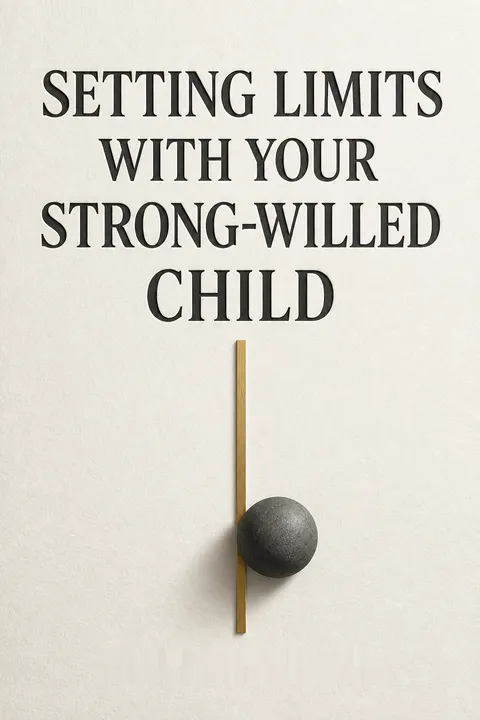
کتاب «تنظیم حدود با کودک سرسخت» بهخاطر ارائهی راهکارهای عملی و مؤثر در تربیت کودکان، از سوی بسیاری از خوانندگان مورد تحسین قرار گرفته است. والدین از مثالهای روشن، پیامدهای منطقی و تأکید بر ثبات در اجرای قوانین استقبال کردهاند. استراتژیهای مطرحشده در این کتاب به بهبود رفتار کودکان و کاهش درگیریهای قدرت در خانوادهها کمک شایانی کرده است. هرچند برخی خوانندگان آن را تکراری دانسته یا معتقد بودند که راهنماییهای کافی برای کودکان دارای تفاوتهای عصبی ارائه نمیدهد. بهطور کلی، بیشتر نقدها نشان میدهد که رویکرد کتاب در تعیین مرزهای محکم همراه با حفظ احترام و محبت نسبت به کودکان سرسخت، بسیار مفید و کارآمد است.
دیگران نیز خواندهاند








سؤالات متداول
What's Setting Limits with Your Strong-Willed Child about?
- Focus on Challenges: The book addresses the unique challenges parents face when raising strong-willed children who often test limits and resist authority.
- Effective Limit Setting: It emphasizes establishing clear, firm, and respectful boundaries to eliminate conflict and promote cooperation.
- Practical Tools: Author Robert J. MacKenzie provides strategies and insights to help parents understand their child's temperament and improve their parenting methods.
Why should I read Setting Limits with Your Strong-Willed Child?
- Expert Guidance: Written by Robert J. MacKenzie, a seasoned educator and parent, the book offers evidence-based strategies for managing strong-willed behavior.
- Real-Life Examples: Includes relatable anecdotes and case studies that illustrate concepts, making it easier for parents to apply advice in their own lives.
- Improved Family Dynamics: Learning to set effective limits can reduce power struggles and create a more harmonious family environment.
What are the key takeaways of Setting Limits with Your Strong-Willed Child?
- Understanding Temperament: Recognizing the temperament of both the child and the parent is crucial for effective communication and discipline.
- Firm vs. Soft Limits: Distinguishes between firm limits, which are clear and enforceable, and soft limits, which invite testing and resistance.
- Effective Communication: Clear, direct messages are essential for guiding children’s behavior, helping them understand expectations and consequences.
How does Setting Limits with Your Strong-Willed Child define a strong-willed child?
- Normal Behavior: Strong-willed children are described as normal children with extreme behavior who are hard to raise and difficult to discipline.
- Testing Limits: They tend to test boundaries more frequently and resist authority, which can be exhausting for parents.
- Unique Learning Style: Often learn best through experience, requiring parents to provide clear consequences for their actions.
What specific methods does Setting Limits with Your Strong-Willed Child recommend for discipline?
- Clear Messages: Advises parents to communicate clear, firm messages that focus on behavior rather than feelings or attitudes.
- Logical Consequences: Emphasizes supporting rules with logical consequences directly related to the behavior in question.
- Avoiding Power Struggles: Techniques like the "check-in" and "cutoff" procedures are recommended to prevent arguments and maintain authority.
What is the "family dance" concept in Setting Limits with Your Strong-Willed Child?
- Repetitive Patterns: Refers to learned patterns of ineffective communication and problem-solving that families fall into during conflict situations.
- Types of Dances: Describes various dances, including permissive, punitive, and mixed dances, each leading to escalating conflicts and power struggles.
- Breaking the Cycle: Awareness of these dances is the first step toward breaking free and adopting more effective communication and discipline strategies.
How does Setting Limits with Your Strong-Willed Child suggest handling power struggles?
- Avoid Starting a Dance: Emphasizes that the best way to stop a dance is not to start one by providing clear messages and avoiding emotional drama.
- Use of Check-Ins: Encourages parents to check in with their children to ensure understanding and compliance without engaging in lengthy arguments.
- Implementing Cutoff Procedures: Recommended to end discussions before they escalate into power struggles, maintaining authority and clarity.
What role does a child's temperament play in Setting Limits with Your Strong-Willed Child?
- Understanding Differences: Highlights that each child has a unique temperament influencing how they respond to discipline and guidance.
- Matching Methods: Encourages parents to match their discipline methods to their child's temperament to improve cooperation and reduce conflict.
- Predicting Behavior: Understanding their child's temperament helps parents better predict behavior and tailor their responses accordingly.
How can I start implementing the strategies from Setting Limits with Your Strong-Willed Child?
- Read the Entire Book: The author recommends reading the entire book to understand how the various strategies fit together before trying them out.
- Practice Consistency: Parents should strive for consistency in their messages and actions to reinforce the lessons they want to teach.
- Start Small: Begin by implementing one or two strategies at a time, gradually building up to a comprehensive approach as confidence grows.
What is the check-in method mentioned in Setting Limits with Your Strong-Willed Child?
- Pause for Reflection: Involves pausing to assess the situation when a child misbehaves, allowing parents to regain composure.
- Ask Key Questions: Parents should ask themselves what their child is doing, how they are feeling, and what their next steps should be.
- Promotes Thoughtful Responses: Helps parents respond thoughtfully rather than react impulsively, reducing the likelihood of escalating conflicts.
How does Setting Limits with Your Strong-Willed Child define logical consequences?
- Natural Learning Opportunities: Logical consequences are defined as consequences directly related to a child's behavior, providing a clear lesson.
- Encourages Responsibility: They help children understand the impact of their actions and encourage them to take responsibility for their choices.
- Examples Provided: Offers numerous examples of how to implement logical consequences effectively in various situations.
What are some strategies for managing resistance from strong-willed children in Setting Limits with Your Strong-Willed Child?
- Expect Resistance: Advises parents to anticipate resistance as a normal part of the learning process when implementing new rules.
- Stay Consistent: Consistency in applying limits and consequences is crucial for helping children adjust to new expectations.
- Use Positive Reinforcement: Encouraging good behavior through positive reinforcement can help motivate children to cooperate and reduce resistance.
دانلود PDF
دانلود EPUB
.epub digital book format is ideal for reading ebooks on phones, tablets, and e-readers.








































