
نکات کلیدی
1. پسامعنا: احساسات بر حقایق در شکلدهی به باورها غلبه میکنند
پسامعنا زمانی است که فرد فکر میکند واکنش جمع واقعاً حقایق مربوط به یک دروغ را تغییر میدهد.
تعریف پسامعنا. دیکشنریهای آکسفورد پسامعنا را به عنوان شرایطی تعریف میکنند که در آن حقایق عینی در شکلدهی به افکار عمومی کمتر از appeals به احساسات و باورهای شخصی تأثیرگذار هستند. این نشاندهنده یک تغییر بنیادی در نحوه درک و ارزشگذاری حقیقت در جامعه است.
ریشهها و پیامدها. این مفهوم در طول انتخابات ریاستجمهوری ایالات متحده در سال 2016 و رأیگیری برگزیت به شهرت رسید و نشاندهنده تمایل فزاینده به پذیرش "حقایق جایگزین" است که با دیدگاههای فرد همراستا است. پسامعنا فراتر از دروغگویی یا تحریف ساده است – این یک چالش عمیقتر برای خود مفهوم واقعیت عینی مشترک است. در دنیای پسامعنا، احساسات و ایدئولوژی میتوانند بر شواهد غلبه کنند و این موضوع پیامدهای خطرناکی برای دموکراسی، سیاستگذاری و همبستگی اجتماعی دارد.
2. انکار علم راه را برای سیاستهای پسامعنا هموار کرد
آیا میخواهیم در دنیایی زندگی کنیم که سیاست بر اساس احساسات ما شکل بگیرد نه بر اساس اینکه چقدر در واقعیت کارآمد است؟
نقشه راه استراتژی تنباکو. تلاشهای صنعت تنباکو برای ایجاد تردید در ارتباط بین سیگار کشیدن و سرطان در دهههای 1950 تا 1990، الگویی برای انکار علم ایجاد کرد:
- تأمین مالی کارشناسان خود
- پیشنهاد وجود "دو طرف" برای علم تثبیتشده
- تأکید بر عدم قطعیت و درخواست سطوح غیرممکن از اثبات
- استفاده از روابط عمومی و لابیگری برای پیشبرد پیام خود
انکار تغییرات اقلیمی. این تاکتیکها بعداً توسط انکارکنندگان تغییرات اقلیمی، شکگرایان به تکامل و دیگر گروهها که به دنبال تضعیف یافتههای علمی نامطلوب بودند، به کار گرفته شد. با ایجاد تردید در مورد حقایق تثبیتشده، انکار علم زمینه را برای رد گستردهتر حقیقت عینی در سیاست و فرهنگ فراهم کرد.
3. سوگیریهای شناختی ما را در برابر اطلاعات نادرست آسیبپذیر میکند
مشکل اینجا هیچگونه سوگیری سیاسی به اصطلاح نبود. بلکه آنچه محققان آن را "سوگیری اطلاعات" مینامند، بود که به این معناست که روالهای جمعآوری و گزارش اخبار توسط خبرنگاران منجر به پوششهایی میشود که از حقیقت منحرف شده است.
سختافزار سوگیری. انسانها دارای چندین سوگیری شناختی ذاتی هستند که میتواند ما را به بیراهه ببرد:
- سوگیری تأیید: جستجوی اطلاعاتی که باورهای موجود را تأیید کند
- اثر بازخورد: تقویت باورها در مواجهه با شواهد متضاد
- اثر دانینگ-کروگر: ارزیابی بیش از حد دانش/تواناییهای خود
استدلال انگیزشی. این سوگیریها اغلب توسط استدلالهای انگیزشی هدایت میشوند – تمایل ما به یافتن راههایی برای باور کردن آنچه میخواهیم درست باشد. این موضوع ما را در برابر اطلاعات نادرست که با دیدگاهها و هویتهای موجود ما همراستا است، به ویژه در موضوعات احساسی، آسیبپذیر میکند.
4. افول رسانههای سنتی فضایی برای اخبار حزبی ایجاد کرد
اگر شما یک دستور غذا با تنها یک ماده فاسد تهیه کنید، کل غذا طعم فاسد خواهد داشت.
فشارهای مالی. ظهور اینترنت مدلهای کسبوکار رسانههای سنتی را ویران کرد و منجر به کاهش کارکنان و کاهش گزارشهای تحقیقی شد. این موضوع خلأی در روزنامهنگاری با کیفیت ایجاد کرد.
تله تعادل کاذب. در تلاشی برای به نظر رسیدن بیطرف، بسیاری از رسانهها به یک مفهوم نادرست از "تعادل" روی آوردند که به دیدگاههای حاشیهای به اندازه حقایق تثبیتشده وزن میدهد. این معادلسازی کاذب، به ویژه در موضوعاتی مانند تغییرات اقلیمی، عموم مردم را گیج کرده و اعتماد به نهادهای رسانهای را تضعیف کرد.
جایگزینهای حزبی. شبکههای خبری کابلی و رادیوهای گفتوگو به سرعت برای پر کردن این خلأ با پوششهای مبتنی بر نظر که به مخاطبان حزبی پاسخ میدهد، شتاب کردند. این تکهتکه شدن فضای رسانهای باعث شد تا مردم تنها اطلاعاتی را مصرف کنند که باورهای موجودشان را تأیید کند.
5. رسانههای اجتماعی و اخبار جعلی عصر پسامعنا را تسریع کردند
اخبار جعلی تنها اخبار نادرست نیستند؛ بلکه به طور عمدی نادرست هستند. این اخبار برای یک هدف خاص ایجاد شدهاند.
اتاقهای پژواک. الگوریتمهای رسانههای اجتماعی تمایل دارند محتوایی را به کاربران نشان دهند که با دیدگاههای موجودشان همراستا است و "حبابهای فیلتر" ایجاد میکنند که سوگیریها را تقویت کرده و دسترسی به دیدگاههای متنوع را محدود میکنند.
اطلاعات نادرست ویروسی. سهولت اشتراکگذاری در پلتفرمهای اجتماعی اجازه میدهد تا اخبار جعلی به سرعت گسترش یابد و اغلب از بررسیهای واقعیت یا اصلاحات پیشی بگیرد. در طول انتخابات 2016 ایالات متحده:
- 20 داستان جعلی برتر در فیسبوک: 8.7 میلیون تعامل
- 20 داستان واقعی برتر: 7.3 میلیون تعامل
خطوط مبهم. با تضعیف نگهبانان سنتی، برای بسیاری تشخیص بین منابع قابل اعتماد و غیرقابل اعتماد آنلاین دشوارتر شد. این سردرگمی به نفع کسانی بود که به دنبال گسترش اطلاعات نادرست برای منافع سیاسی یا مالی بودند.
6. پستمدرنیسم بهطور ناخواسته ابزارهایی برای انکار علم فراهم کرد
اگر همه چیز یک روایت است، پس ما به جایگزینهایی برای روایت غالب نیاز داریم. من به نظر نمیآید که کسی باشم که لاکان بخواند، نه؟
سؤال از عینیت. متفکران پستمدرن ایده حقیقت عینی را به چالش کشیدند و استدلال کردند که همه ادعاهای دانش تحت تأثیر ساختارهای قدرت و زمینه فرهنگی شکل میگیرند. در حالی که این ایدهها به عنوان نقدی بر سیستمهای سرکوبگر مطرح شده بودند، اما بعداً توسط انکارکنندگان علم به کار گرفته شدند.
مثال طراحی هوشمند. برخی از حامیان طراحی هوشمند بهطور صریح به متفکران پستمدرن در تلاشهای خود برای تضعیف اعتبار علم تکامل استناد کردند. با قالببندی اجماع علمی به عنوان تنها یک "روایت" دیگر، آنها سعی کردند دیدگاههای مذهبی را به سطح برابری در آموزش ارتقا دهند.
پیامدهای ناخواسته. بسیاری از محققان پستمدرن ابراز پشیمانی کردهاند که چگونه ایدههای آنها برای حمله به تخصص علمی و واقعیتهای عینی مورد سوءاستفاده قرار گرفته است. این مفهوم که همه دیدگاهها به یک اندازه معتبر هستند، زمانی که به سؤالات تجربی با پیامدهای واقعی اعمال میشود، خطرناک ثابت شده است.
7. مبارزه با پسامعنا نیاز به هوشیاری و تفکر انتقادی دارد
حقیقت هنوز هم مهم است، همانطور که همیشه بوده است. اینکه آیا ما این را به موقع درک میکنیم به خودمان بستگی دارد.
چالش دروغها. ضروری است که به سرعت با دروغها و اطلاعات نادرست مقابله کنیم، زیرا سکوت میتواند به عنوان پذیرش ضمنی تلقی شود. در حالی که ممکن است این کار نتواند قانعکنندهترین باورها را متقاعد کند، اما میتواند بر کسانی که هنوز تصمیم نگرفتهاند تأثیر بگذارد.
حمایت از روزنامهنگاری با کیفیت. تأمین مالی گزارشهای تحقیقی و سازمانهای بررسی واقعیت برای حفظ یک پایه مشترک از واقعیتهای عینی ضروری است. تنوع در منابع خبری و تمایل به بررسی انتقادی باورهای خود نیز مهم است.
آموزش سواد رسانهای. آموزش در مورد چگونگی ارزیابی منابع، شناسایی اخبار جعلی و درک سوگیریهای شناختی حیاتی است. برخی از مهارتهای کلیدی:
- بررسی چندین منبع قابل اعتماد
- احتیاط در برابر دستکاریهای احساسی
- جستجوی دادهها/شواهد اصلی
- در نظر گرفتن توضیحات جایگزین
نگاه بلندمدت. در حالی که سیاستهای پسامعنا میتواند به نظر دلسردکننده بیاید، تحقیقات نشان میدهد که قرار گرفتن مکرر در معرض اطلاعات دقیق میتواند در نهایت حتی بر تصورات قوی نیز غلبه کند. پایداری در دفاع از حقیقت و منطق برای سلامت دموکراسی و جامعه ضروری است.
خلاصه نقدها
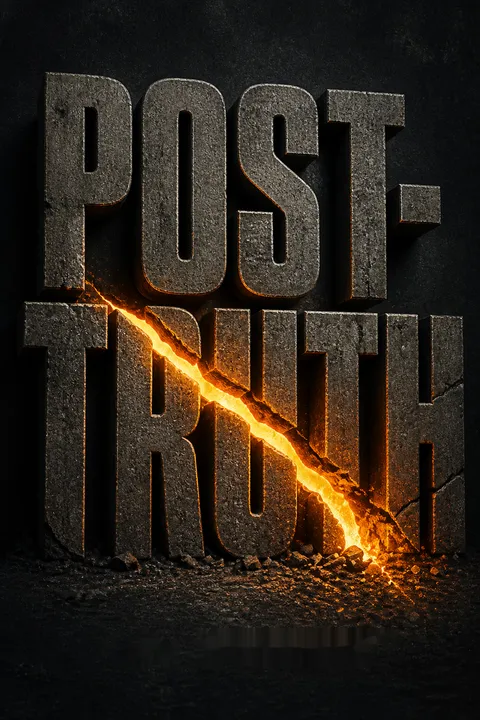
کتاب پس از حقیقت نوشتهی لی مکاینتایر با نظرات متفاوتی مواجه شده است. بسیاری آن را به عنوان یک مقدمهی آموزنده و قابل دسترس به مفهوم پس از حقیقت، بهویژه در ارتباط با سیاستهای آمریکایی و ریاستجمهوری ترامپ، ستایش میکنند. خوانندگان از بررسی مکاینتایر در زمینهی سوگیریهای شناختی، تأثیر رسانهها و نقش پستمدرنیسم استقبال میکنند. با این حال، برخی این کتاب را به دلیل تمرکز بر ایالات متحده، عدم رعایت استانداردهای علمی دقیق و ارائهی راهحلهای ناکافی مورد انتقاد قرار میدهند. با وجود این انتقادات، بیشتر منتقدان کتاب را تحریککننده و مرتبط با چالشهای معاصر در زمینهی حقیقت و واقعیتها در جامعه میدانند.
دیگران نیز خواندهاند





سؤالات متداول
What's "Post-Truth" by Lee McIntyre about?
- Exploration of Post-Truth: The book delves into the concept of "post-truth," where objective facts are less influential in shaping public opinion than appeals to emotion and personal belief.
- Historical Context: McIntyre traces the roots of post-truth back to various historical, cultural, and political developments, including the rise of social media and the decline of traditional media.
- Impact on Society: It examines how post-truth affects political discourse, scientific understanding, and public trust in institutions.
- Call to Action: The book encourages readers to recognize and combat the spread of misinformation and the erosion of truth in public life.
Why should I read "Post-Truth" by Lee McIntyre?
- Understanding Modern Challenges: The book provides insights into the current challenges of misinformation and the manipulation of truth in politics and media.
- Critical Thinking Skills: It offers tools and strategies to critically assess information and resist cognitive biases.
- Historical Perspective: McIntyre provides a historical perspective on how post-truth has evolved, helping readers understand its deep-rooted causes.
- Empowerment: By understanding the mechanisms of post-truth, readers can become more informed and active participants in democratic processes.
What are the key takeaways of "Post-Truth" by Lee McIntyre?
- Definition of Post-Truth: Post-truth is characterized by the subordination of facts to emotions and personal beliefs, often for political gain.
- Role of Cognitive Bias: Cognitive biases, such as confirmation bias and the backfire effect, play a significant role in the persistence of post-truth.
- Media's Influence: The decline of traditional media and the rise of social media have facilitated the spread of misinformation.
- Fighting Post-Truth: Combating post-truth requires critical thinking, media literacy, and a commitment to evidence-based reasoning.
How does Lee McIntyre define "post-truth"?
- Emotional Over Facts: McIntyre defines post-truth as a situation where objective facts are less influential than appeals to emotion and personal belief.
- Political Strategy: It is often used as a strategy for political dominance, where truth is manipulated to fit ideological narratives.
- Historical Precedents: The book discusses historical precedents of post-truth, such as propaganda and misinformation campaigns.
- Normative Concern: Post-truth is presented as a normative concern, highlighting the importance of truth in maintaining democratic societies.
What role does cognitive bias play in "Post-Truth" by Lee McIntyre?
- Confirmation Bias: Cognitive biases like confirmation bias lead individuals to favor information that confirms their preexisting beliefs.
- Backfire Effect: The backfire effect occurs when people hold onto their beliefs more strongly when presented with contradictory evidence.
- Motivated Reasoning: People often engage in motivated reasoning, where they process information in a way that aligns with their desires and emotions.
- Implications for Truth: These biases contribute to the persistence of misinformation and the challenge of correcting false beliefs.
How does "Post-Truth" by Lee McIntyre address the decline of traditional media?
- Loss of Trust: The book discusses how the decline of traditional media has led to a loss of trust in established news sources.
- Rise of Partisan Media: It highlights the rise of partisan media outlets that prioritize opinion over fact-based reporting.
- Impact of Social Media: Social media platforms have blurred the lines between news and opinion, contributing to the spread of misinformation.
- Need for Media Literacy: McIntyre emphasizes the importance of media literacy in discerning credible sources from unreliable ones.
What is the relationship between postmodernism and post-truth in McIntyre's book?
- Philosophical Roots: McIntyre explores how postmodernist ideas, which question objective truth, have influenced the post-truth era.
- Critique of Science: Postmodernism's critique of science and objectivity has been co-opted by some to undermine factual discourse.
- Right-Wing Appropriation: The book discusses how right-wing movements have used postmodernist skepticism to challenge scientific consensus.
- Consequences for Truth: This philosophical shift has contributed to the erosion of trust in facts and expertise.
How does "Post-Truth" by Lee McIntyre suggest we combat misinformation?
- Critical Thinking: The book advocates for developing critical thinking skills to evaluate information and resist cognitive biases.
- Support for Journalism: It encourages supporting investigative journalism and fact-based reporting to counter misinformation.
- Media Literacy Education: McIntyre suggests promoting media literacy education to help individuals discern credible sources.
- Active Engagement: Readers are urged to actively challenge falsehoods and engage in informed discussions to uphold truth.
What are the best quotes from "Post-Truth" by Lee McIntyre and what do they mean?
- "The very concept of objective truth is fading out of the world. Lies will pass into history." This quote underscores the book's central theme of the diminishing role of truth in public discourse.
- "In times of universal deceit, telling the truth will be a revolutionary act." It highlights the courage required to uphold truth in an era dominated by misinformation.
- "Post-truth amounts to a form of ideological supremacy." This quote emphasizes how post-truth is used as a tool for political dominance, where truth is manipulated to fit narratives.
- "We are not post-truth any more than we are pre-truth, unless we allow ourselves to be." It serves as a call to action, urging readers to resist the erosion of truth and actively engage in defending it.
How does "Post-Truth" by Lee McIntyre relate to current events?
- Political Climate: The book's exploration of post-truth is highly relevant to the current political climate, where misinformation is prevalent.
- Media Landscape: It addresses the challenges posed by the modern media landscape, including the rise of social media and partisan news.
- Public Discourse: McIntyre's insights into cognitive bias and motivated reasoning are applicable to understanding public discourse and polarization.
- Call to Action: The book's call to action for critical thinking and media literacy is timely in addressing the spread of misinformation.
What historical examples does "Post-Truth" by Lee McIntyre use to illustrate its points?
- Tobacco Industry: The book discusses the tobacco industry's campaign to create doubt about the link between smoking and cancer.
- Climate Change Denial: It examines the tactics used by climate change deniers to undermine scientific consensus.
- Swift Boat Veterans for Truth: McIntyre uses the Swift Boat campaign against John Kerry as an example of early post-truth tactics in politics.
- Yellow Journalism: Historical instances of yellow journalism are used to illustrate the long-standing presence of misinformation in media.
What is the significance of the title "Post-Truth"?
- Era of Misinformation: The title signifies an era where misinformation and emotional appeals overshadow objective facts.
- Challenge to Truth: It highlights the challenge to truth and the need to defend it in public discourse.
- Cultural Shift: The title reflects a cultural shift towards valuing personal beliefs over empirical evidence.
- Call for Awareness: It serves as a call for awareness and action to address the erosion of truth in society.
درباره نویسنده
کتابهای دیگر از لی مکاینتایر

دانلود PDF
دانلود EPUB
.epub digital book format is ideal for reading ebooks on phones, tablets, and e-readers.








































