
نکات کلیدی
1. بانکداران مرکزی در دهه 1920 اقتصاد جهانی را شکل دادند
برای مهمترین بانکدار مرکزی جهان که در دومین سال از رکود بیسابقه دچار فروپاشی عصبی شود، واقعاً بدشانسی بود.
قدرت بانکداران مرکزی. در دهه 1920، گروه کوچکی از بانکداران مرکزی تأثیر زیادی بر اقتصاد جهانی داشتند. افراد کلیدی شامل:
- مونتاگو نورمن از بانک انگلستان
- بنجامین استرانگ از بانک فدرال رزرو نیویورک
- هیالمر شاخت از رایشبانک
- امیل مورو از بانک فرانسه
این افراد تصمیمات حیاتی درباره نرخ بهره، ارزش ارز و وامهای بینالمللی گرفتند که چشمانداز اقتصادی را شکل داد. روابط شخصی، رقابتها و ایدئولوژیهای آنها اغلب بر انتخابهای سیاستی با پیامدهای گسترده تأثیر میگذاشت.
چالشهای پیشرو. بانکداران مرکزی با چالشهای زیر مواجه بودند:
- بازسازی سیستم مالی بینالمللی پس از جنگ جهانی اول
- مدیریت بازگشت به استاندارد طلا
- رسیدگی به بدهیهای جنگ و غرامتها
- پاسخ به بحرانهای اقتصادی و سفتهبازیهای بازار
2. بازگشت به استاندارد طلا عدم تعادلهای اقتصادی ایجاد کرد
"من تو را به صدراعظم طلایی تبدیل خواهم کرد."
معضل استاندارد طلا. بازگشت به استاندارد طلا در دهه 1920 به عنوان امری حیاتی برای ثبات اقتصادی دیده میشد، اما مشکلات قابل توجهی ایجاد کرد:
- بریتانیا با نرخ بیش از حد ارزشگذاری شده بازگشت، که صادرات آن را غیررقابتی کرد
- فرانسه فرانک خود را با نرخ کمتر از ارزش واقعی تعیین کرد، که به آن مزیت ناعادلانهای داد
- ایالات متحده ذخایر طلای بیش از حدی انباشته کرد، که عدم تعادلهای جهانی ایجاد کرد
این نابرابریها به فشارهای کاهشدهنده در برخی کشورها منجر شد و به بیثباتی اقتصادی کمک کرد. قوانین سختگیرانه استاندارد طلا توانایی کشورها را برای پاسخ به چالشهای اقتصادی محدود کرد و در نهایت رکود بزرگ را تشدید کرد.
تلاشها برای مدیریت. بانکداران مرکزی تلاش کردند این عدم تعادلها را از طریق:
- تنظیم نرخ بهره
- وامهای بینالمللی
- مداخلات ارزی
- توافقات همکاری غیررسمی
3. غرامتها و بدهیهای جنگ روابط بینالمللی را تحت فشار قرار داد
"Les Boches paieront" "آلمانیها پرداخت خواهند کرد"—این شعار بود.
بار بدهیهای جنگ. پیامدهای جنگ جهانی اول شبکه پیچیدهای از بدهیها و غرامتها به جا گذاشت که روابط بینالمللی را تحت فشار قرار داد:
- آلمان غرامتهای عظیمی به متفقین بدهکار بود
- متفقین اروپایی بدهیهای جنگی به ایالات متحده داشتند
- ایالات متحده بر بازپرداخت اصرار داشت در حالی که اروپاییها به دنبال بخشش بدهی بودند
این وضعیت نارضایتی و بیثباتی اقتصادی ایجاد کرد، به ویژه در آلمان. طرح داوز در سال 1924 تلاش کرد تا این مسئله را با بازسازی غرامتهای آلمان حل کند، اما در نهایت نتوانست مشکلات اساسی را حل کند.
پیامدها:
- ملیگرایی اقتصادی را تقویت کرد
- به بیثباتی سیاسی در آلمان کمک کرد
- بهبود اقتصادی در اروپا را مختل کرد
- روابط دیپلماتیک بین متفقین را تحت فشار قرار داد
4. سیاستهای پولی سفتهبازی و بیثباتی بازار را تقویت کرد
استرانگ به عمد هیچیک از اعضای هیئت مدیره فدرال رزرو را به خانه میلز دعوت نکرده بود.
تصمیم سرنوشتساز فدرال رزرو. در سال 1927، بنجامین استرانگ از فدرال رزرو نیویورک تصمیمی برای کاهش نرخ بهره ایالات متحده به منظور کمک به بریتانیا در حفظ استاندارد طلا گرفت. این تصمیم پیامدهای ناخواستهای داشت:
- سفتهبازی در بازار سهام ایالات متحده را تقویت کرد
- به تشکیل حباب بازار کمک کرد
- تنشهایی در سیستم فدرال رزرو ایجاد کرد
این سیاست چالشهای توازن بین نگرانیهای اقتصادی داخلی و بینالمللی و همچنین خطرات تصمیمگیری غیرشفاف در بانکداری مرکزی را برجسته کرد.
پیامدهای پول آسان:
- افزایش سریع قیمت سهام
- افزایش وامهای حاشیهای
- نگرانیهای فزاینده درباره ثبات بازار
- انتقاد از تمرکز فدرال رزرو بر مسائل بینالمللی
5. رقابتهای شخصی تصمیمات مالی جهانی را تحت تأثیر قرار داد
نورمن بر جلسات تسلط داشت و در یک صندلی شرقی با پشتی بادبزنی در انتهای اتاق کنفرانس نشسته بود.
تأثیر روابط. دینامیکهای شخصی بین بانکداران مرکزی به طور قابل توجهی بر تصمیمات سیاستی تأثیر گذاشت:
- دوستی نزدیک نورمن و استرانگ همکاری آنگلو-آمریکایی را شکل داد
- رقابت نورمن با مورو هماهنگی فرانکو-بریتانیایی را مختل کرد
- سبک مقابلهای شاخت تنشهایی با دیگر بانکداران و سیاستمداران ایجاد کرد
این روابط اغلب ساختارهای نهادی رسمی را تحتالشعاع قرار میدادند و به همکاریهای سازنده و در عین حال به درگیریهای مخرب منجر میشدند.
روابط کلیدی:
- نورمن-استرانگ: متحدان نزدیک
- نورمن-مورو: خصمانه
- شاخت-نورمن: ابتدا همکاری، بعداً متشنج
- استرانگ-مورو: به طور فزایندهای همدلانه
6. رونق بازار سهام ایالات متحده به رکود بزرگ منجر شد
در ماه اوت، پس از کاهش نرخهای فدرال رزرو، بازار بلافاصله اوج گرفت.
ساختار به سمت سقوط. بازار سهام ایالات متحده در اواخر دهه 1920 رونق چشمگیری را تجربه کرد که توسط:
- سیاستهای اعتباری آسان
- خوشبینی تکنولوژیکی
- سفتهبازی گسترده
تلاشهای فدرال رزرو برای مهار سفتهبازی از طریق افزایش نرخ بهره در سالهای 1928-29 بسیار دیر و بسیار تهاجمی بود و به سقوط بازار و انقباض اقتصادی بعدی کمک کرد.
عوامل کلیدی در رونق:
- نرخ بهره پایین
- وامهای حاشیهای
- صنایع جدید (مانند خودرو، رادیو)
- تفکر "عصر جدید"
- مقررات محدود بازارهای مالی
7. استقلال بانک مرکزی حیاتی اما به چالش کشیده شد
اگرچه فرماندار و معاونان فرماندار در این زمان تمایل داشتند از صفوف خدمات مدنی عالی انتخاب شوند، اما همچنان در نهایت به شورای دوازده نفره نایبان پاسخگو بودند.
اهمیت استقلال. استقلال بانک مرکزی به عنوان امری حیاتی برای حفظ ثبات پولی دیده میشد، اما اغلب به چالش کشیده میشد:
- فشارهای سیاسی برای تأمین مالی کسریهای دولتی
- تضاد بین اهداف اقتصادی ملی و بینالمللی
- اختلافات درون بانکهای مرکزی درباره جهتگیری سیاست
ساختار و حاکمیت بانکهای مرکزی متفاوت بود و بر توانایی آنها برای مقاومت در برابر فشارهای خارجی و اتخاذ تصمیمات مستقل تأثیر میگذاشت.
چالشهای استقلال:
- دخالت دولت
- انتقاد عمومی
- اختلافات داخلی
- مأموریتهای متضاد (مانند ثبات داخلی در مقابل بینالمللی)
8. ملیگرایی اقتصادی همکاری بینالمللی را مختل کرد
به نخستوزیر توضیح دادم که از آنجا که انگلستان اولین کشور اروپایی بود که پس از جنگ به یک ارز پایدار و قابل اعتماد دست یافت، از این مزیت برای ساختن پایهای برای تسلط مالی واقعی بر اروپا استفاده کرده بود.
ظهور ملیگرایی اقتصادی. با وجود تلاشها برای همکاری بینالمللی، ملیگرایی اقتصادی به طور فزایندهای تصمیمات سیاستی را شکل داد:
- کشورها منافع اقتصادی داخلی را بر ثبات جهانی اولویت دادند
- کاهشهای رقابتی و اقدامات حمایتگرایانه رایج شد
- تلاشها برای حفظ پرستیژ ملی بر سیاست پولی تأثیر گذاشت
این روند سیستم مالی بینالمللی شکننده را تضعیف کرد و به شدت رکود بزرگ کمک کرد.
تجلیات ملیگرایی اقتصادی:
- دستکاری ارز
- موانع تجاری
- رقابت برای نفوذ مالی در کشورهای کوچکتر
- بیمیلی به هماهنگی سیاستها در سطح بینالمللی
9. ابر تورم در آلمان پیامدهای ماندگاری داشت
تا نوامبر 1923، آلمان بزرگترین تخریب ارزش پولی در تاریخ بشر را تجربه کرد.
تروما ابر تورم. ابر تورم در آلمان در سال 1923 اثرات عمیق و ماندگاری داشت:
- پساندازها را نابود کرد و نظم اجتماعی را برهم زد
- بیاعتمادی عمیقی به پول کاغذی و مدیریت مالی دولت ایجاد کرد
- سیاست اقتصادی آلمان را برای دههها تحت تأثیر قرار داد
- به بیثباتی سیاسی و ظهور افراطگرایی کمک کرد
این تجربه نگرشهای آلمانی نسبت به سیاست پولی را شکل داد و رویکرد کشور به یکپارچگی اقتصادی اروپا در دهههای بعدی را تحت تأثیر قرار داد.
پیامدهای ابر تورم:
- پساندازهای طبقه متوسط را از بین برد
- اعتماد به نهادهای دموکراتیک را تضعیف کرد
- نفرت شدیدی از تورم در فرهنگ آلمانی ایجاد کرد
- بر تمرکز بعدی بوندسبانک بر ثبات قیمت تأثیر گذاشت
خلاصه نقدها
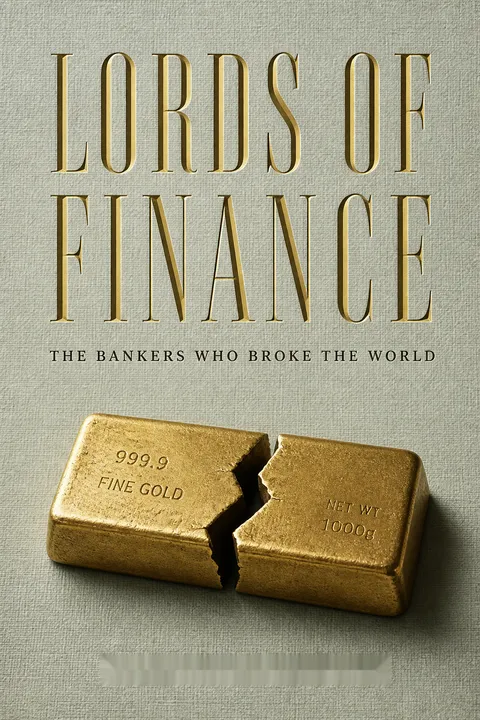
کتاب اربابان مالی بهعنوان یک تاریخ جذاب و آموزنده از دهههای 1920 و 1930 مورد تحسین قرار گرفته است که بر بانکداران مرکزی که سیاستهای اقتصادی را شکل دادند تمرکز دارد. خوانندگان از توانایی احمد در سادهسازی مفاهیم پیچیده مالی و به تصویر کشیدن شخصیتهای درگیر قدردانی میکنند. در حالی که برخی آن را کند یا فاقد تحلیل میدانند، اکثر خوانندگان کتاب را بهخاطر بینشهایش در مورد علل رکود بزرگ و ارتباطش با بحرانهای اقتصادی مدرن تحسین میکنند. زمانبندی نویسنده در انتشار کتاب در طول بحران مالی 2008 بهعنوان یک اتفاق خوشیمن یاد شده است.
دیگران نیز خواندهاند






سؤالات متداول
What's Lords of Finance: The Bankers Who Broke the World about?
- Focus on Central Bankers: The book centers on four influential central bankers—Montagu Norman, Benjamin Strong, Hjalmar Schacht, and Émile Moreau—who shaped the global financial landscape during the interwar period.
- Economic Policies and Consequences: It examines how their decisions regarding the gold standard and international finance contributed to the economic collapse of the 1930s.
- Historical Context: Set against the backdrop of World War I reparations and the rise of fascism, the narrative explores the interconnectedness of global economies.
Why should I read Lords of Finance by Liaquat Ahamed?
- Insightful Historical Analysis: The book provides a deep dive into the economic decisions that shaped modern financial systems, essential for understanding current economic policies.
- Lessons from the Past: It offers valuable lessons on leadership and sound economic policy, particularly during crises, which remain relevant today.
- Engaging Narrative: Ahamed combines thorough research with a compelling narrative style, making complex economic concepts accessible and engaging for readers.
What are the key takeaways of Lords of Finance?
- Failures of Central Bankers: The book emphasizes that the central bankers' adherence to the gold standard and their failure to act decisively during crises were significant factors in the Great Depression.
- Importance of Monetary Policy: It highlights how monetary policy can either stabilize or destabilize economies, depending on the decisions made by financial leaders.
- Interconnectedness of Global Economies: Ahamed illustrates how the financial decisions of one country can have far-reaching effects on others, underscoring the need for international cooperation in economic policy.
What are the best quotes from Lords of Finance and what do they mean?
- “If you can’t say anything nice, don’t say anything at all.”: Reflects the cautious approach central bankers must take during financial crises, balancing honesty with the need to maintain public confidence.
- “Let me issue and control a nation’s money and I care not who writes the laws.”: Highlights the immense power that comes with controlling a nation’s currency, underscoring the influence of central bankers.
- “Capitalism was saved in eight days.”: Refers to the swift actions taken by Roosevelt's administration to stabilize the banking system, illustrating the potential for rapid recovery when decisive measures are implemented.
How did World War I affect global finance according to Lords of Finance?
- Destruction of Financial Systems: The war led to the collapse of the pre-war financial order, with countries like Britain, France, and Germany facing massive debts and economic instability.
- Shift in Economic Power: The United States emerged as the world's leading economic power, with its gold reserves doubling and becoming the primary lender to Europe.
- Inflation and Currency Issues: Countries resorted to printing money to finance the war, leading to hyperinflation in Germany and other nations, which destabilized their economies post-war.
What role did the gold standard play in the events described in Lords of Finance?
- Economic Constraints: The gold standard limited the ability of central banks to respond to economic crises, as they were bound to maintain fixed exchange rates and gold reserves.
- Deflationary Pressures: Adherence to the gold standard during the Great Depression exacerbated deflation, leading to widespread economic hardship and unemployment.
- Global Impact: The rigidities of the gold standard created a domino effect, where the economic troubles of one country quickly spread to others, highlighting the interconnectedness of global finance.
How did the actions of central bankers lead to the Great Depression?
- Inadequate Responses: Central bankers failed to act as lenders of last resort during banking panics, allowing confidence to erode and leading to widespread bank failures.
- Misaligned Policies: Their commitment to the gold standard and deflationary policies restricted monetary supply, worsening economic conditions and prolonging the downturn.
- International Coordination Failures: The lack of cooperation among central banks during crises led to a fragmented response, exacerbating the global economic collapse.
What were the consequences of the reparations imposed on Germany?
- Economic Instability: The reparations created significant economic strain on Germany, leading to hyperinflation and social unrest, as the country struggled to meet its financial obligations.
- Political Fallout: The burden of reparations contributed to political instability in Germany, fostering resentment and extremism, which would later facilitate the rise of the Nazi Party.
- Long-term Impact on Europe: The reparations issue poisoned relations between Germany and the Allies, creating a cycle of debt and economic hardship that would have lasting effects on European stability.
How did the Dawes Plan impact the global economy according to Lords of Finance?
- Stabilization of Germany: The Dawes Plan was designed to stabilize the German economy by restructuring reparations payments and providing loans from the U.S., leading to a temporary economic recovery.
- International Cooperation: The plan exemplified a moment of international cooperation among the major powers to address the economic fallout from World War I.
- Short-term Success, Long-term Issues: While initially successful, the plan created a dependency on foreign loans and did not address the underlying issues of reparations, contributing to Germany's economic vulnerability.
How did the Great Depression affect international relations, according to Lords of Finance?
- Economic Tensions: The economic turmoil created by the Great Depression strained international relations, as countries turned inward and adopted protectionist policies.
- Shift in Power Dynamics: The crisis altered the balance of power in international finance, with the United States emerging as a dominant economic force while European countries struggled.
- Long-term Consequences: The failures of the interwar financial system and the inability to cooperate on economic issues contributed to the conditions that led to World War II.
How does Lords of Finance relate to modern economic issues?
- Lessons on Monetary Policy: The book serves as a cautionary tale about the dangers of rigid monetary policies and the importance of flexibility in economic management.
- Global Financial Interdependence: It underscores the interconnectedness of global economies, a concept that remains relevant in today's increasingly globalized financial landscape.
- Crisis Management: The historical analysis provides insights into how policymakers can effectively respond to financial crises, emphasizing the need for decisive action and international cooperation.
What is the significance of the Federal Reserve's role in the events of the Great Depression as described in Lords of Finance?
- Lender of Last Resort: The Federal Reserve's failure to act as a lender of last resort during the banking crises of the early 1930s contributed to the severity of the Great Depression.
- Policy Missteps: Decisions made by the Fed, including maintaining low interest rates and failing to curb speculation, played a significant role in the economic collapse.
- Evolution of Central Banking: The events of the Great Depression led to significant reforms in the Federal Reserve's structure and policies, shaping the modern central banking system.
دانلود PDF
دانلود EPUB
.epub digital book format is ideal for reading ebooks on phones, tablets, and e-readers.








































