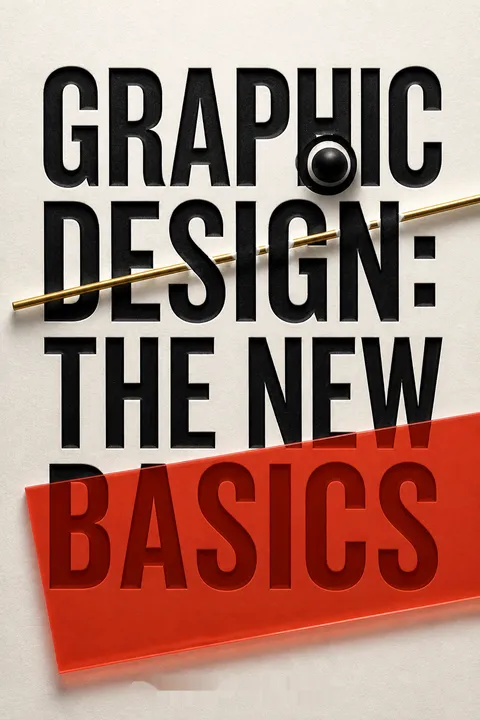

نکات کلیدی
۱. تسلط بر عناصر بنیادین: نقطه، خط، صفحه
خط، مسیری است که نقطهی متحرک ایجاد میکند... این مسیر از حرکت شکل میگیرد؛ بهویژه از طریق از بین بردن سکون شدید و خودبسندهی نقطه.
عناصر اساسی. نقطه، خط و صفحه، پایههای مطلق طراحی دوبعدی هستند. نقطه موقعیتی را نشان میدهد، خط مجموعهای از نقاط یا مسیر حرکت یک نقطه است و صفحه سطحی صاف است که توسط خط متحرک یا خطوط محدودکننده شکل میگیرد. این عناصر در کنار هم، از سادهترین اشکال تا تصاویر پیچیده، الگوها و سیستمهای تایپوگرافی را میسازند.
ساخت زبان بصری. طراحان با بهرهگیری از این عناصر پایه، فرمهای بصری را خلق میکنند. نقاط میتوانند بافت یا تون ایجاد کنند، خطوط لبهها را تعریف کرده یا احساسات را منتقل میکنند و صفحات شکلها و زمینههای رنگ یا متن را میسازند. درک تعامل این عناصر برای خلق ترکیبهای مؤثر، چه در فضای فیزیکی و چه دیجیتال، ضروری است.
دیجیتال و فیزیکی. مفاهیم نقطه، خط و صفحه جهانیاند و در رسانههای مختلف کاربرد دارند. نرمافزارها تصاویر را با این اصطلاحات توصیف میکنند و تکنیکهای سنتی مانند چاپ چوب یا لیتوگرافی نیز بر دستکاری نشانهها (نقاط و خطوط) برای ساخت فرمهای بزرگتر (صفحات) و انتقال حجم یا بافت تکیه دارند.
۲. گشودن درهای خلاقیت: تمرین فرماستورمینگ
رسیدن به قلمرویی جذابتر نیازمند پشتکار در پالایش، دستهبندی و جذب موضوعات و راهحلهاست تا جرقهای نو و پایدار پدید آید.
فراتر از بدیهیات. فرماستورمینگ روشی ساختاریافته برای تولید ایدهها و راهحلهای بصری است که طراحان را از مفاهیم اولیه و اغلب متوسط فراتر میبرد. این فرآیند مستلزم غوطهوری عمیق در موضوع از طریق درگیری خلاقانه و دقیق است. در دنیایی که مملو از محتوای بصری آساندسترس اما اغلب فاقد اصالت است، این روش حیاتی است.
تکنیکهای کاوش ساختاریافته. فرماستورمینگ از روشهای متنوعی برای تحریک نوآوری بهره میبرد؛ از جمله تولید صدها تکرار از یک موضوع برای خسته کردن ایدههای بدیهی، استفاده از قالبها برای سازماندهی پژوهش و تفکر بصری، و انجام فعالیتهای خلاقانه روزانه در چارچوبی مشخص.
- صد تکرار: تفسیر بصری یک موضوع به صد شکل مختلف.
- قالبهای فرماستورمینگ: چیدمانهای ساختاریافته برای پژوهش و ایدهپردازی.
- فعالیتهای روزانه: اقدامات خلاقانه روزمره در چارچوب مفهومی.
- افعال فرآیندی: اعمالی مانند تا کردن، برش دادن، تغییر شکل دادن روی طرحها.
- آلتروگو: طراحی از طریق شخصیت ساختگی.
انضباط، نوآوری میآورد. پایبندی به موضوع از طریق تکرار و ترکیب فراوان نیازمند انضباط است اما نتایج عمیقی به همراه دارد. با به تأخیر انداختن شتاب به سوی اجرای دیجیتال و تمرکز بر ایدهپردازی، طراحان میتوانند راههای نو و اصیلی برای روشنکردن موضوعات و ارتقای کیفیت آثار خود بیابند.
۳. ایجاد هماهنگی و ساختار: بهکارگیری ریتم، تعادل و سلسلهمراتب
طراحی تلاشی آگاهانه برای تحمیل نظمی معنادار است.
نظم و چیدمان. ریتم، تعادل و سلسلهمراتب اصول بنیادینی برای سازماندهی عناصر در فضا و زمان هستند. تعادل ثبات میآورد (متقارن یا نامتقارن)، ریتم جریان و الگو ایجاد میکند (تکرار و تنوع) و سلسلهمراتب ترتیب اهمیت را مشخص میکند. این سه با هم طراحیها را قابل پیمایش و تأثیرگذار میسازند.
نشانههای بصری ساختار. طراحان برای رسیدن به ریتم، تعادل و سلسلهمراتب از ویژگیهای بصری متنوعی بهره میبرند؛ از جمله تغییرات در مقیاس، رنگ، ارزش نوری، فاصله، جایگاه و تراز.
- تعادل: توزیع وزن بصری بهطور یکنواخت یا متناسب.
- ریتم: تکرار الگوها، اغلب با تنوع.
- سلسلهمراتب: نشان دادن اهمیت از طریق تمایز بصری.
کنترل ادراک و تأثیر. طراحی ساختارمند چشم بیننده را هدایت میکند و پردازش و فهم اطلاعات را آسان میسازد. سلسلهمراتب پیام را مدیریت میکند، در حالی که ریتم و تعادل انرژی و انسجام بصری میافزایند. این اصول در طرحهای ایستا، نشریات چندصفحهای و رسانههای زمانمند کاربرد دارند.
۴. ساخت با سیستمها: بهرهگیری از شبکهها و مدولار بودن
تایپوگرافی عمدتاً عملی است برای تقسیم سطحی محدود.
چارچوبهای سازماندهی. شبکهها و مدولار بودن ساختارهای زیربنایی هستند که نظم و کارآمدی را به فرآیند طراحی میآورند. شبکه مجموعهای از خطوط است که به تراز کردن عناصر و ساختاردهی فضا، از جمله فضای سفید، کمک میکند. مدولار بودن از عناصر ثابت (ماژولها) درون سیستمی بزرگتر بهره میبرد.
کارآمدی و تنوع. کار در چارچوب محدودیتهای شبکه یا سیستم مدولار تصمیمگیری را ساده میکند و کاوش خلاقانه در محدودههای مشخص را تشویق میکند. شبکهها به ایجاد چیدمانهای منسجم و ترکیبهای فعال و نامتقارن کمک میکنند. ماژولها امکان ترکیبهای بیپایان از مجموعهای محدود از اجزا را فراهم میآورند.
- شبکهها: سازماندهی محتوا، ساختاردهی فضای سفید، یکپارچهسازی صفحات.
- مدولار بودن: عناصر ثابت (پیکسلها، اشکال، اشیاء) برای ساخت فرمهای پیچیده از واحدهای ساده.
از انتزاع تا عینیت. این سیستمها صرفاً نظری نیستند؛ ابزارهای عملی در طراحی صفحهآرایی، خلق الگو، طراحی قلم و حتی معماریاند. آنها دلیل منطقی برای جایگذاری و تناسب فراهم میکنند و فضای خالی را به میدانی ساختارمند برای مداخله خلاقانه تبدیل میکنند.
۵. درگیر کردن حواس: کاوش رنگ و بافت
همه رنگها دوست همسایگان خود و عاشق مخالفانشان هستند.
ویژگیهای حسی. رنگ و بافت به طراحی غنای بصری، خلق و خو و اطلاعات میبخشند. رنگ احساس را منتقل میکند، واقعیت را توصیف میکند و دادهها را از طریق رنگ، ارزش نوری، اشباع و تعامل رمزگذاری میکند. بافت دانه لمسی یا بصری سطوح است که جزئیات و حضور فیزیکی میافزاید.
ساخت پالتهای بصری. طراحان با استفاده از نظریه رنگ (چرخ رنگ، رنگهای اولیه/ثانویه/مکمل) و مدلهای رنگ (RGB، CMYK) روابط هدفمند میسازند. درک چگونگی تعامل رنگها کلید کنترل تأثیر آنهاست. بافت میتواند فیزیکی (کاغذ، پارچه) یا بصری (الگوها، سبکهای رندرینگ) باشد.
خلق فضا و معنا. پالتهای رنگ و بافتها اقلیم و کیفیت طراحی را تعیین میکنند. رنگهای متضاد انرژی میافزایند، در حالی که رنگهای مشابه هماهنگی ایجاد میکنند. بافتها میتوانند صاف، زبر، متراکم یا پراکنده باشند که هر یک به حس کلی کمک کرده و پیام را تقویت میکنند.
۶. درک شکل: شناخت گشتالت و قاببندی
فرم یک شیء از فرم فضای اطراف آن مهمتر نیست.
چگونگی ادراک. اصول گشتالت توضیح میدهند چگونه مغز انسان محرکهای پیچیده را به واحدهای قابل فهم ساده میکند و عناصر را بر اساس نزدیکی، شباهت، پیوستگی، بسته شدن و تقارن گروهبندی میکند. رابطه شکل/زمینه مرکزی است، جایی که فرمها در برابر پسزمینه دیده میشوند.
تعریف مرزها. قاببندی شامل تعیین لبهها و زمینه یک عنصر طراحی است. حاشیهها، مرزها و برشها نحوه ادراک محتوا را با جدا کردن یا ادغام آن با محیط اطراف شکل میدهند. رابطها نوعی قاباند که برای تعامل با محصولات ضروریاند.
ایجاد تمرکز و تنش. طراحان از اصول گشتالت برای ایجاد ارتباطی واضح و مستقیم یا فرمهایی شگفتانگیز که ادراک را به چالش میکشند بهره میبرند. دستکاری تنش شکل/زمینه انرژی میافزاید. قاببندی توجه را هدایت، تفسیر را کنترل و میتواند برای تغییر تأثیر برجسته یا حذف شود.
۷. افزودن عمق و پیچیدگی: کار با لایهها و شفافیت
شفافیت به معنای ادراک همزمان مکانهای فضایی مختلف است... موقعیت اشکال شفاف معنای دوپهلو دارد، زیرا هر شکل گاه بهعنوان نزدیکتر و گاه دورتر دیده میشود.
اجزای همزمان. لایهها عناصر همپوشانی هستند که بهطور همزمان در تصویر یا توالی وجود دارند، رایج در نرمافزارها و فرآیندهای چاپ. شفافیت اجازه میدهد یک لایه از طریق لایه دیگر دیده شود، با مقادیر کدری بین ۰٪ تا ۱۰۰٪.
ساخت عمق بصری. لایهها و شفافیت عمق، پیچیدگی و جذابیت بصری ایجاد میکنند. آنها به طراحان امکان میدهند عناصر را مخلوط و ترکیب کنند، سلسلهمراتب بصری را کنترل کنند و انتقالها را بسازند.
- لایهها: سازماندهی عناصر، تسهیل ویرایش، ساخت تصاویر مرکب.
- شفافیت: ترکیب رنگها/تصاویر، ایجاد محو شدگی، تعیین روابط فضایی (جلو/عقب).
فیزیکی و دیجیتال. این مفهوم از مواد فیزیکی (شیشه، آب، سطوح سوراخدار) و فرآیندها (کلاژ، صفحات چاپ) نشأت میگیرد اما در رسانههای دیجیتال بهطور نامحدود قابل تغییر است. نرمافزار کنترل دقیقی بر کدری و حالتهای ترکیب فراهم میکند که امکان افکتهای بصری پیچیده و تغییرات پویا در طول زمان را میسر میسازد.
۸. تجسم روابط: طراحی نمودارهای مؤثر
در تأکید بر کیفیت مستند و زیبایی، میخواهم شیوههای طراحی تحلیلی را از شیوههای تبلیغات، بازاریابی، طراحی گرافیک و هنر تجاری دور کنم.
نقشهبرداری اطلاعات. نمودارها نمایشهای گرافیکی هستند که ساختارها، موقعیتها یا فرآیندهای پیچیده را با نشان دادن روابط قابل فهم میکنند. آنها دادهها و مفاهیم را به فرم بصری ترجمه میکنند و ارتباطاتی را آشکار میسازند که در فهرستها یا متنها دیده نمیشوند.
عناصر و هدف. نمودارها از عناصر پایه طراحی مانند نقطه، خط، صفحه، رنگ و سلسلهمراتب بهره میبرند اما معانی خاص و رمزگذاری شدهای به آنها میدهند. میتوانند شبکهها، جریانها، سلسلهمراتب یا مقایسهها را نشان دهند.
- انواع: نمودارهای شبکه، فلوچارتها، نمودارها، نقشهها، جدولهای زمانی.
- هدف: روشنسازی، توضیح، تحلیل، بیان.
وضوح و بیان. در حالی که برخی طرفدار نمودارهای کاملاً عینیاند، نمودارها میتوانند بیانگر و برانگیزاننده نیز باشند و با زبان بصری نه تنها داده بلکه حال و روایت را منتقل کنند. نمودارهای مؤثر تعادل بین دقت و وضوح و تأثیر بصری را حفظ میکنند.
۹. زنده کردن طراحیها: وارد کردن زمان و حرکت
هر طرح را میتوان بهعنوان مطالعهای از حرکت فهمید، زیرا مسیر حرکتی است که بهوسیله ابزارهای گرافیکی ثبت شده است.
تغییر در طول زمان. زمان و حرکت در رسانههای پویا ذاتیاند اما میتوانند در طراحی ایستا نیز ضمنی باشند. حرکت شامل تغییر است که بهتدریج رخ میدهد. طراحان در نظر میگیرند چگونه عناصر در طول زمان حرکت، تغییر یا توالی مییابند تا روایت، انرژی یا تأکید ایجاد کنند.
نمایش حرکت. حرکت میتواند واقعی (انیمیشن) یا از طریق نشانههای بصری ایستا القا شود.
- حرکت ضمنی: خطوط مورب، برش، اشکال موجدار، آرایشهای انفجاری.
- حرکت واقعی: تغییر در موقعیت، مقیاس، رنگ، شکل، شفافیت یا چرخش در طول زمان.
طراحی برای مدت زمان. چه در طراحی کتاب چندصفحهای (توالی زمانی) و چه در گرافیک متحرک (مدت واقعی)، طراحان باید تغییرات بصری را هماهنگ کنند. زمانبندی برای خوانایی و تأثیر حیاتی است، بهگونهای که عناصر به اندازه کافی آهسته تغییر کنند تا فهمیده شوند و در عین حال به اندازه کافی پویا باشند تا بیننده را جذب کنند.
خلاصه نقدها
کتاب «طراحی گرافیک: اصول نوین» نظرات متفاوتی را به خود جلب کرده است. بسیاری این اثر را مقدمهای مناسب برای مبانی طراحی گرافیک میدانند و از نمونههای تصویری و توضیحات روشن آن تمجید میکنند. برخی نیز تمرکز کتاب بر اصول پایه را تحسین کرده و آن را الهامبخش میدانند. با این حال، گروهی دیگر کتاب را بیش از حد ساده، کمعمق یا دارای زبان گیجکننده ارزیابی کردهاند. استفاده از آثار دانشجویی بهعنوان نمونه در این کتاب هم مورد تحسین و هم نقد قرار گرفته است. برخی منتقدان معتقدند این کتاب بیشتر برای مبتدیان یا بهعنوان کتاب درسی مناسب است و طراحان باتجربه ممکن است آن را کمتر کاربردی بیابند.
دیگران نیز خواندهاند

سؤالات متداول
What is "Graphic Design: The New Basics" by Ellen Lupton and Jennifer Cole Phillips about?
- Contemporary design fundamentals: The book is a comprehensive guide to the core principles of two-dimensional graphic design, updated for the digital age.
- Visual language and form-making: It explores the building blocks of visual communication—such as point, line, plane, color, texture, and hierarchy—through both theory and practical exercises.
- Bridging tradition and technology: The authors connect classic modernist design education (like the Bauhaus) with current digital tools and global design practices.
- Student and professional examples: The book is richly illustrated with student work from MICA and professional projects, making abstract concepts tangible and relatable.
Why should I read "Graphic Design: The New Basics" by Ellen Lupton and Jennifer Cole Phillips?
- Essential for beginners and pros: Whether you’re a student, educator, or practicing designer, the book distills complex design concepts into accessible, actionable insights.
- Hands-on learning: It offers practical exercises and real-world examples that encourage experimentation and creative problem-solving.
- Updated for digital realities: The second edition addresses new universals in design, such as transparency, layering, and modularity, reflecting the impact of software and global culture.
- Global and diverse perspective: The book features work from a wide range of cultural backgrounds, reflecting the interconnected nature of contemporary design.
What are the key takeaways from "Graphic Design: The New Basics"?
- Master the basics: Understanding elements like point, line, plane, color, texture, and hierarchy is foundational to all graphic design.
- Experimentation is crucial: The book emphasizes "formstorming"—structured visual experimentation—as a path to innovation and deeper understanding.
- Context matters: Design is not just about form, but about creating meaning within specific cultural, technological, and social contexts.
- Digital tools as enablers: Software has made concepts like layering and transparency universally accessible, but designers must still think critically and creatively.
What is "formstorming" in "Graphic Design: The New Basics" and how can I use it?
- Definition: Formstorming is a set of structured techniques for generating multiple visual solutions to design challenges, moving beyond obvious or cliché ideas.
- Iterative process: It involves exhaustive iteration, synthesis, revision, and representation, pushing designers to explore a subject from many angles.
- Practical exercises: The book includes exercises like "One Hundred Iterations" and "Dailies" to help designers dig deeper and develop discipline.
- Unlocking creativity: Formstorming helps break creative blocks and leads to more original, nuanced, and compelling design outcomes.
How does "Graphic Design: The New Basics" by Ellen Lupton and Jennifer Cole Phillips explain the elements of design (point, line, plane)?
- Point: Marks a position in space; can be a dot, a letter, or any small element that draws attention.
- Line: A series of points; can be straight, curved, thick, thin, continuous, or broken, and is used to connect, divide, or guide the eye.
- Plane: A flat surface created by lines or filled areas; planes can be solid, textured, transparent, or layered to create depth and structure.
- Interaction: All complex designs are built from the interaction of these basic elements, forming images, patterns, diagrams, and typographic systems.
What are the "Gestalt Principles" discussed in "Graphic Design: The New Basics" and why are they important?
- Perception and grouping: Gestalt principles explain how humans naturally group visual elements based on similarity, proximity, closure, continuity, symmetry, and simplicity.
- Figure/ground relationships: The book emphasizes the importance of balancing positive and negative space to create clear, dynamic compositions.
- Practical application: Understanding these principles helps designers create logos, layouts, and interfaces that are both visually appealing and easy to understand.
- Encouraging ambiguity: Designers can also use Gestalt principles to create visual tension and surprise, prompting viewers to engage more deeply with the work.
How does "Graphic Design: The New Basics" approach color theory and its application in design?
- Color as communication: Color is used to convey mood, highlight information, and create visual harmony or contrast.
- Basic theory: The book covers the color wheel, primary/secondary/tertiary colors, complementary and analogous schemes, and the impact of hue, saturation, and value.
- Cultural context: It discusses how color meanings shift across cultures and contexts, and how designers must be aware of these nuances.
- Digital and print models: The book explains additive (RGB) and subtractive (CMYK) color systems, and how color is managed across different media.
What is the role of hierarchy in design according to "Graphic Design: The New Basics"?
- Visual order: Hierarchy organizes information by importance, guiding the viewer’s eye through scale, color, placement, and spacing.
- Typographic hierarchy: The book provides classic and creative examples of how to structure text for clarity and impact, from tables of contents to menus and packaging.
- Complexity and clarity: Effective hierarchy makes complex information accessible, whether in print, on screen, or in three-dimensional space.
- User control: In digital and interactive design, hierarchy must be flexible, allowing users to navigate and access information in multiple ways.
How does "Graphic Design: The New Basics" address the concepts of layering and transparency in modern design?
- Layering: Layers are overlapping components—images, text, color fields—that can be manipulated independently in both print and digital media.
- Transparency: Transparency allows multiple surfaces to be visible at once, creating depth, complexity, and new relationships between elements.
- Digital tools: Software like Photoshop and Illustrator make layering and transparency accessible to all designers, not just professionals.
- Meaning and composition: The book explores how these techniques can be used thematically (to suggest synthesis or conflict) and compositionally (to soften, emphasize, or separate elements).
What is modularity and how is it used in "Graphic Design: The New Basics"?
- Definition: Modularity involves creating designs from fixed, repeatable units (modules), such as pixels, blocks, or standardized components.
- Creative constraint: Working within modular systems encourages innovation by limiting some variables and freeing others.
- Applications: The book shows modularity in type design, signage, architecture, and pattern-making, demonstrating its versatility.
- System thinking: Modularity is essential for designing flexible, scalable systems—like grids, interfaces, and branding—that can adapt to different contexts.
How does "Graphic Design: The New Basics" by Ellen Lupton and Jennifer Cole Phillips integrate time and motion into design education?
- Implied and literal motion: The book covers how to suggest movement in static images (through diagonals, cropping, and dynamic composition) and how to design for animation and interactivity.
- Storyboards and style frames: It introduces tools for planning motion graphics, such as storyboards (for sequencing) and style frames (for visual tone).
- Change over time: Designers learn to animate not just position, but also scale, color, transparency, and layering, using both traditional and digital techniques.
- Interactive design: The book addresses how motion and behavior are integral to user experience in digital products, requiring designers to think beyond static layouts.
What are the best quotes from "Graphic Design: The New Basics" and what do they mean?
- "Design is the conscious effort to impose a meaningful order." —Victor Papanek
This quote underscores the designer’s role in organizing information and visual elements to create clarity and purpose. - "Formstorming is an act of visual thinking—a tool for designers to unlock and deepen solutions to basic design problems."
It highlights the importance of structured experimentation in moving beyond obvious solutions to achieve innovation. - "Every drawing can be understood as a motion study since it is a path of motion recorded by graphic means." —László Moholy-Nagy
This quote connects the act of drawing to the concept of time and movement, reminding designers that even static images have dynamic qualities. - "A well-defined constraint can free up the thought process by taking some decisions off the table."
The book encourages embracing limitations (like modularity or grids) as a way to foster creativity and focus. - "All colors are the friends of their neighbors and the lovers of their opposites." —Marc Chagall
This poetic statement encapsulates the relational nature of color in design, where harmony and contrast are both essential.
درباره نویسنده
کتابهای دیگر از الن لاپتون
دانلود PDF
دانلود EPUB
.epub digital book format is ideal for reading ebooks on phones, tablets, and e-readers.








































