
نکات کلیدی
۱. جملات را بر پایههای محکم بسازید
هر جملهی کامل نیازمند یک فاعل است—شخص، مکان، شیء یا ایدهای که کاری انجام میدهد یا حالتی دارد—و یک گزاره که ایدهای دربارهی فاعل را تکمیل میکند.
کامل بودن جمله اهمیت فراوانی دارد. جملهی ناقص خواننده را در حدس زدن وا میدارد و تنها بخشی از یک فکر را ارائه میکند. اطمینان از اینکه هر جمله فاعلی دارد که کاری انجام میدهد یا حالتی دارد (گزاره) اساس ارتباط روشن و مؤثر است.
افعال اصلی را بهخوبی بشناسید. افعال بیقاعده مانند «رفتن»، «داشتن»، «بودن» و «انجام دادن» بسیار مهماند اما اغلب در زمانهای مختلف به اشتباه بهکار میروند. درک شکلهای صحیح آنها (مثلاً رفت/رفته/رفته است، انجام داد/انجام شده) و نقش آنها بهعنوان افعال کمکی برای بیان دقیق ضروری است.
دقت در افعال چندکلمهای. افعال مرکب رایجی مانند «آزمایش کردن» یا «منتظر بودن» نیازمند توجه ویژهاند، بهویژه هنگام استفاده از ضمایر یا مصدرها. اجزای آنها را کنار هم نگه دارید و شکل درست فعل را بهکار ببرید (مثلاً «نانها را تقسیم کنید»، «منتظر دیدارتان هستم»).
۲. در پیچوخم ضمایر راهنمایی کنید
اگر بتوانید کلمه را با «او» جایگزین کنید، «who» (که) درست است. اگر جایگزین «او را» یا «به او» شود، «whom» (که را) صحیح است.
تفاوت فاعل و مفعول. ضمایر بسته به اینکه فاعل (انجامدهندهی عمل) یا مفعول (گیرندهی عمل) باشند، شکل متفاوتی دارند. این موضوع بهویژه وقتی چند ضمیر در جمله هستند، پیچیده میشود (مثلاً «به او و من»، نه «او و من»).
استفاده از ضمایر انعکاسی. کلماتی مانند «خودم» فقط زمانی بهکار میروند که ضمیر به فاعل جمله بازگردد («من خودم را زخمی کردم»). آنها جایگزین ضمایر فاعل یا مفعول نیستند («چک به همسرم و من فرستاده شد»، نه «خودم»).
تطابق و وضوح. ضمایر نامعین مانند «هر» مفرد هستند و نیازمند فعل مفرداند («هر دانشآموز حق دارد»). ضمایر موصولی («که»، «کدام»، «که») بندها را به هم وصل میکنند و باید بهروشنی به اسمی که توصیف میکنند اشاره کنند، «که» مخصوص افراد است. استفادهی امروزی بهطور فزایندهای «they» مفرد را برای بیجنسی یا موضوعات نامعلوم میپذیرد.
۳. هنر نقطهگذاری را بیاموزید
ویرگولها به نوشته ریتم و زیبایی میبخشند و البته وضوح را نیز افزایش میدهند.
ویرگولها جریان جمله را هدایت میکنند. استفادهی صحیح از ویرگول بندها، اقلام فهرست و اطلاعات غیرضروری را جدا میکند، از جملههای پیوسته جلوگیری میکند و خوانایی را بهبود میبخشد. از گذاشتن ویرگول بین فاعل و فعل خودداری کنید.
آپاستروف مالکیت را نشان میدهد. از آپاستروف برای نشان دادن مالکیت («استخوان سگ»، «مادر جیمز») یا اختصارات («it’s»، «they’re»، «you’re») استفاده کنید. هرگز از آپاستروف برای جمع بستن اسامی استفاده نکنید («هفت گربه»، نه «گربه’s»).
خط تیره، دونقطه و نقطهویرگول. خط تیره بلند (—) میتواند جایگزین پرانتز یا دونقطه برای تأکید یا توضیح جانبی باشد. خط تیره کوتاه (–) برای اتصال بازههای عددی یا مفاهیم مرتبط بهکار میرود. نقطهویرگول (؛) دو بند مستقل مرتبط را به هم وصل میکند. دونقطه (:) فهرستها، توضیحات یا نقلقولهای طولانی را معرفی میکند.
۴. همیشه کلمهی درست را انتخاب کنید
انگلیسی واژگان فراوانی دارد که تنها با یک حرف از هم جدا میشوند.
خطرات همآواها. کلماتی که تلفظ مشابه اما املای و معنای متفاوت دارند (مانند to/too/two، weather/whether/wether) منبع رایجی برای اشتباهاند. بررسی دقیق معانی آنها کلید اجتناب از خطاست.
جفتهای گیجکننده. جفتهایی مانند affect/effect، than/then، less/fewer، loose/lose، lay/lie و accept/except بهدلیل شباهت صدا یا املایی بهراحتی اشتباه گرفته میشوند. درک نقشهای متفاوت آنها (فعل در برابر اسم، مقایسه در برابر ترتیب، قابل شمارش در برابر غیرقابل شمارش و غیره) برای دقت ضروری است.
دقت در واژگان. کلماتی مانند «unique» (به معنای یگانه، نه خیلی خاص) یا «literally» (به معنای واقعی، نه مجازی) اغلب بهعنوان تأکیدکننده به اشتباه بهکار میروند. استفادهی صحیح از آنها به حفظ معنای دقیق کمک میکند.
۵. جملات روشن و زیبا بسازید
جابهجایی نادرست قید یا صفت میتواند به اشتباهات غیرمنتظره و خندهداری منجر شود، مانند جملهی طنزآمیز گروچو مارکس: «من در لباس خوابم به فیل شلیک کردم.»
قیدها و صفات باید جایگاه مناسبی داشته باشند. قیدهای نادرست به کلمهی اشتباه متصل میشوند و عبارات نامناسب یا بیمعنی ایجاد میکنند. قیدهای آویزان هیچ کلمهای برای اتصال ندارند. مطمئن شوید قیدها درست کنار اسمی یا فعلی که توصیف میکنند قرار گرفتهاند.
از جملات پیوستهی نادرست پرهیز کنید. اتصال دو یا چند بند مستقل بدون نقطهگذاری یا حرف ربط مناسب، جملات پیوسته ایجاد میکند. آنها را با نقطه، نقطهویرگول یا ویرگول بهعلاوهی حرف ربط اصلاح کنید.
ساختار موازی برای تعادل. هنگام فهرست کردن اقلام یا ایدهها، از فرم دستوری یکسان استفاده کنید (مثلاً همه اسم، همه فعل با ing، همه عبارت مصدر). این کار تعادل و وضوح ایجاد میکند و جمله را خواناتر و قابل فهمتر میسازد.
۶. از اشتباهات رایج در کاربرد زبان پرهیز کنید
«Alot» کلمهای در زبان انگلیسی نیست، اما بسیاری آن را بهجای «a lot» مینویسند، گویی درست و معمول است.
کلمات نادرست و اختصارات. عباراتی مانند «could of»، «should of» و «would of» اشتباهاتی در نوشتن اختصارات «could’ve»، «should’ve» و «would’ve» هستند. همچنین «alot» کلمه نیست؛ شکل درست همیشه «a lot» است.
منفیهای زائد. منفیهای دوگانه (مانند «can't get no satisfaction») میتوانند گیجکننده یا در نوشتار رسمی نادرست باشند. اگرچه گاهی برای تأکید بهکار میروند، اغلب معنی را مبهم میکنند.
اشتباهات خاص واژگانی. از بهکار بردن «irregardless» (به جای «regardless») و «ext.» یا «ect.» به جای «etc.» (از لاتین «et cetera») خودداری کنید. به شکل صحیح گذشتهی افعال مانند «get» (در انگلیسی آمریکایی «gotten») توجه داشته باشید.
۷. ظرایف سبک و لحن را درک کنید
اصطلاحات تخصصی هم نوعی زبان مختصر درونگروهی و هم راهی برای اجتناب از توضیح مفصلتر هستند.
وضوح را بر پیچیدگی ترجیح دهید. از کلیشهها، اصطلاحات تخصصی و تکرارهای زائد («تاریخ گذشته»، «پایان نهایی») که نوشته را کهنه یا غیرقابل دسترس میکنند، پرهیز کنید. به جای آن زبان تازه و دقیق انتخاب کنید.
صدا و تأکید. حالت فعال («دانشمندان آزمایشها را انجام دادند») معمولاً مستقیمتر و پرانرژیتر از حالت مجهول («آزمایشها توسط دانشمندان انجام شدند») است، هرچند حالت مجهول کاربردهایی دارد (مثلاً وقتی فاعل ناشناخته یا بیاهمیت است).
مقایسهها و برترینها. صفتهای مقایسهای و عالی را بهدرستی با افزودن -er/-est یا استفاده از «more»/«most» بسازید، بسته به طول کلمه یا بیقاعده بودن آن (better/best، worse/worst).
خلاصه نقدها
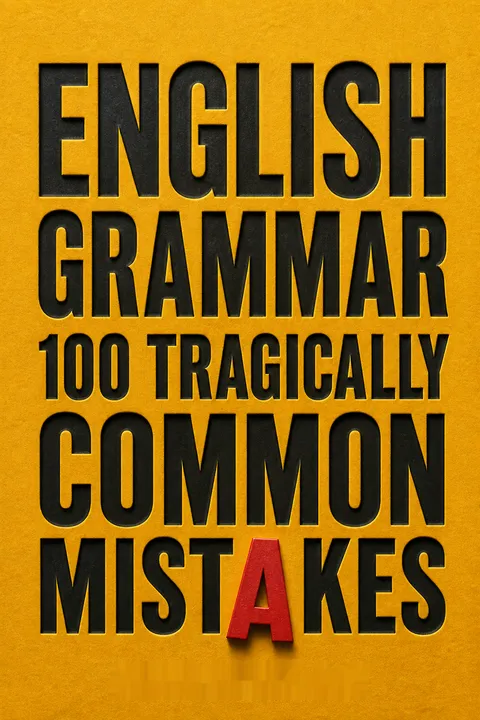
کتاب «گرامر زبان انگلیسی: ۱۰۰ اشتباه رایج و تأسفبار» عمدتاً با بازخوردهای مثبت مواجه شده است. خوانندگان از توضیحات روشن، مثالهای کاربردی و رویکرد سرگرمکنندهی آن در زمینهی دستور زبان تمجید میکنند. بسیاری این کتاب را مرجعی مفید برای بهبود مهارتهای نوشتاری خود میدانند. مطالب کتاب شامل اشتباهات رایج گرامری، نکات مربوط به نقطهگذاری و کاربرد درست واژگان است. برخی از نقدها اشاره دارند که گاهی توضیحات کمی گیجکننده میشوند و عدهای نیز برخی مباحث را بیش از حد ابتدایی ارزیابی کردهاند. در مجموع، خوانندگان از قالب مختصر و نکات عملی کتاب برای ارتقای دانش گرامری خود استقبال میکنند.
دیگران نیز خواندهاند



سؤالات متداول
What is "English Grammar: 100 Tragically Common Mistakes" by Sean Williams about?
- Comprehensive Grammar Guide: The book is a practical reference that addresses 100 of the most common mistakes in English grammar, punctuation, vocabulary, and style.
- Accessible and Engaging: Written in a friendly, humorous tone, it aims to make grammar approachable for everyone, from students to professionals.
- Structure and Organization: The book is divided into four main chapters: Grammar Goofs, Punctuation Saves Lives, Word to the Wise, and High Style, each focusing on different aspects of language use.
- Interactive Elements: It includes quizzes, memory tips, and cheat sheets to reinforce learning and encourage active engagement with the material.
Why should I read "English Grammar: 100 Tragically Common Mistakes" by Sean Williams?
- Improve Communication Skills: The book helps readers avoid embarrassing mistakes and communicate more clearly and confidently in both writing and speech.
- Quick Reference Tool: Its concise, numbered entries make it easy to look up specific issues or refresh your memory on tricky topics.
- Real-World Examples: Each mistake is illustrated with incorrect and correct examples, making the rules easy to understand and apply.
- Modern and Inclusive: The book addresses contemporary issues in language, such as gender-neutral pronouns and differences between American and British English.
What are the key takeaways from "English Grammar: 100 Tragically Common Mistakes"?
- Common Mistakes Identified: Readers will learn to recognize and correct frequent errors in grammar, punctuation, word choice, and style.
- Clear Rules and Tips: The book provides straightforward rules, memory aids, and fun facts to help remember correct usage.
- Practical Application: Emphasis is placed on real-life writing and speaking situations, making the advice immediately useful.
- Language Evolves: The author highlights how language changes over time and encourages flexibility and understanding of context.
How is "English Grammar: 100 Tragically Common Mistakes" by Sean Williams structured?
- Four Main Chapters: The book is organized into Grammar Goofs, Punctuation Saves Lives, Word to the Wise, and High Style, each focusing on a different aspect of English usage.
- Numbered Entries: Each mistake is presented as a separate, clearly numbered entry, making navigation simple.
- Supplementary Materials: Includes cheat sheets for parts of speech and punctuation, a glossary, and a list of concise substitutions for wordy phrases.
- Quizzes and Memory Tips: Many entries feature quizzes and mnemonic devices to reinforce learning.
What are some of the most common grammar mistakes covered in "English Grammar: 100 Tragically Common Mistakes"?
- Incomplete Sentences: Explains how to identify and fix sentence fragments by ensuring every sentence has a subject and predicate.
- Who vs. Whom: Clarifies the difference and provides a simple substitution trick (he/she = who, him/her = whom).
- Pronoun Confusion: Covers nominative, objective, and possessive pronouns, especially when two pronouns are used together.
- Double Negatives: Warns against using two negatives in a sentence, which can create confusion or unintended meanings.
How does "English Grammar: 100 Tragically Common Mistakes" by Sean Williams address punctuation errors?
- Comma Usage: Details rules for commas in lists, clauses, and after introductory phrases, and discusses the Oxford comma.
- Apostrophes: Explains correct use for possessives, contractions, and holidays, and warns against using apostrophes for plurals.
- Hyphens, Dashes, and Ellipses: Differentiates between hyphens, en dashes, em dashes, and ellipses, with clear usage guidelines.
- Run-On Sentences and Comma Splices: Provides solutions for fixing run-ons and improperly joined independent clauses.
What vocabulary and word choice issues are explained in "English Grammar: 100 Tragically Common Mistakes"?
- Homophones and Confusables: Covers commonly confused words like affect/effect, to/too/two, lay/lie, and less/fewer.
- Redundancies and Clichés: Advises against overused phrases and unnecessary repetition, offering concise alternatives.
- Jargon and Verbing: Discusses the pitfalls of jargon and the trend of turning nouns into verbs (and vice versa).
- Modern Usage: Addresses evolving language, such as singular "they" and distinctions between American and British English.
What style and advanced usage topics are included in "English Grammar: 100 Tragically Common Mistakes"?
- Order of Adjectives: Explains the conventional order for multiple adjectives before a noun.
- Parallel Structure: Stresses the importance of consistency in lists and series for clarity and elegance.
- Active vs. Passive Voice: Clarifies when to use each and the impact on tone and responsibility.
- Comparatives and Superlatives: Outlines correct formation and common errors with adjectives and adverbs.
How does "English Grammar: 100 Tragically Common Mistakes" by Sean Williams help with tricky pronoun and agreement issues?
- Indeterminate Pronoun Reference: Teaches how to avoid vague pronoun usage that confuses the reader about who or what is being referred to.
- Number Agreement: Emphasizes matching subjects and verbs in number, even in complex sentences with intervening phrases.
- Dual Possession and Double Genitive: Explains how to correctly show shared ownership and avoid awkward constructions.
What are the best quotes from "English Grammar: 100 Tragically Common Mistakes" by Sean Williams and what do they mean?
- "Leave your tragic mistakes behind and, with apologies to William Shakespeare, let slip the dogs of grammar!" – Encourages readers to embrace learning and correcting mistakes with enthusiasm.
- "Commas add rhythm and beauty, not to mention clarity, to one’s written ideas." – Highlights the importance of punctuation for both style and understanding.
- "Language evolves and speech affects the way people write, so some rules fade." – Reminds readers that language is not static and that context matters.
- "Alot isn’t a word. It’s not a lot to remember." – Uses humor to reinforce a common spelling mistake.
What resources and tools does "English Grammar: 100 Tragically Common Mistakes" by Sean Williams provide for further learning?
- Cheat Sheets: Includes quick-reference guides for parts of speech and punctuation.
- Glossary: Defines key grammar terms and concepts for easy lookup.
- Substitution List: Offers 50 concise alternatives to long-winded phrases to improve clarity and brevity.
- Recommended Resources: Suggests dictionaries, online writing labs, and other grammar books for deeper study.
Who is Sean Williams, the author of "English Grammar: 100 Tragically Common Mistakes," and what is her approach to teaching grammar?
- Experienced Educator: Sean Williams teaches ethnomusicology, cultural studies, and writing at The Evergreen State College.
- Engaging and Relatable: She uses humor, real-life examples, and a conversational tone to make grammar accessible and enjoyable.
- Inclusive and Modern: Williams addresses contemporary language issues, such as gender-neutral pronouns and evolving usage.
- Supportive Philosophy: Her goal is to empower all English speakers to write and speak with clarity and confidence, regardless of their background.
دانلود PDF
دانلود EPUB
.epub digital book format is ideal for reading ebooks on phones, tablets, and e-readers.








































