
Ideas clave
1. Las Cuatro Cosas: Una Base para Relaciones Significativas
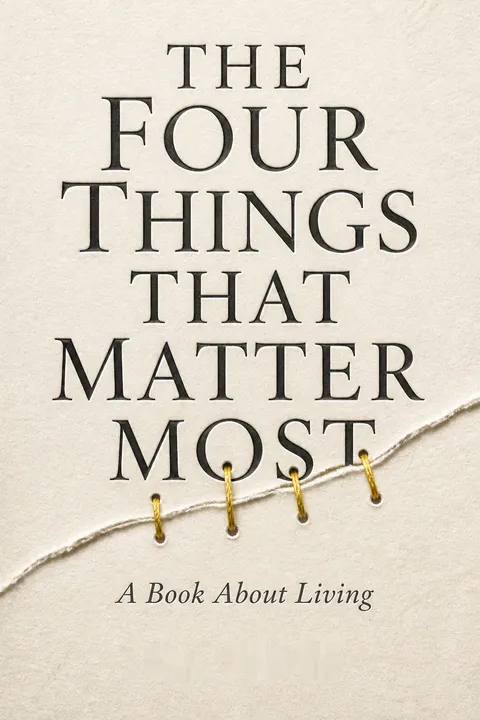
Con solo once palabras, estas cuatro breves frases condensan la sabiduría esencial que las personas que enfrentan la muerte me han enseñado sobre lo que realmente importa en la vida.
Sabiduría esencial. Las cuatro cosas que más importan —“Por favor, perdóname. Yo te perdono. Gracias. Te amo”— son herramientas poderosas para enriquecer todas las relaciones. Son simples, pero profundas, y ofrecen un camino hacia la plenitud emocional y la paz. Esta sabiduría suele revelarse al enfrentar el final de la vida.
Decir lo obvio. A menudo damos por sentado que nuestros seres queridos conocen nuestros sentimientos, pero expresarlos claramente es fundamental. Cuando la muerte se acerca, los afectos no expresados o las tensiones sin resolver pueden generar un profundo arrepentimiento. Decir estas palabras de forma proactiva transforma las relaciones en celebraciones, afirmando nuestro impulso humano más profundo: conectar.
Aplicación universal. Estos principios no son solo para quienes están muriendo; son para vivir plenamente. Al integrar el perdón, la gratitud y el amor en nuestras interacciones diarias, podemos sanar, cuidar y celebrar nuestras conexiones más valiosas. Esto amplía nuestra imaginación sobre lo que es posible en nuestras relaciones.
2. El Perdón: Un Regalo Profundo que Te Das a Ti Mismo
Perdonar significa renunciar a toda esperanza de un pasado mejor.
Liberar el pasado. El perdón no consiste en justificar el daño ni en olvidar el sufrimiento; es aceptar que el pasado no puede cambiarse y liberarse de su dominio. Es una estrategia sofisticada para mejorar tu bienestar emocional, permitiéndote avanzar sin cargas.
Economía emocional. Negarse a perdonar es como cargar una deuda emocional con intereses, pagando constantemente por heridas antiguas. El perdón es un costo único que borra años de dolor, liberándote de la esclavitud del odio. Es un acto de voluntad, una decisión de priorizar tu propia paz.
Romper el ciclo. Legados dolorosos, como la ira y la crítica, pueden perpetuarse por generaciones. El perdón es un valiente “¡Basta ya!”. Enfrenta las imperfecciones con compasión, abriendo un futuro de salud y plenitud. Este acto de auto-liberación puede transformar no solo tu vida, sino también la de quienes te rodean.
3. La Gratitud: La Memoria del Corazón que Transforma la Vida
La gratitud es una forma de ver, de ser.
Apreciación consciente. Expresar un “Gracias” explícito nos recuerda la abundancia en nuestra vida, cambiando el foco de la carencia a la plenitud. No basta con suponer que los demás lo saben; expresiones constantes y específicas de gratitud profundizan las conexiones y fomentan la atención a las bondades diarias.
Biografías de alegría. Cultivar la gratitud ayuda a crear una “biografía de alegría”, una práctica de recordar momentos de deleite a lo largo de la vida. Este ejercicio, incluso frente a la enfermedad, puede provocar sonrisas y risas, infundiendo a la vida una “Vitamina J” vital para el bienestar.
Conexión profunda. La gratitud está íntimamente ligada a la alegría, ampliando nuestra capacidad para experimentar y expresar amor. Nos permite celebrar lo que somos el uno para el otro, incluso ante la pérdida definitiva. Este profundo sentido de satisfacción puede hacer que los últimos momentos de la vida brillen con luz propia.
4. El Amor: Una Fuerza Incondicional Más Allá de las Palabras
Que un ser humano ame a otro: esa es quizás la tarea más difícil que se nos ha confiado, la prueba y el trabajo supremos, para los cuales todo lo demás es solo preparación.
Primal y trascendente. El amor es la emoción humana más poderosa, que no necesita justificación. Es un acto supremo que afirma la vida, especialmente cuando la muerte se acerca, recordándonos que nuestras conexiones son lo que más importa. Este amor suele ser un impulso sin límites.
Más allá de lo verbal. Aunque decir “Te amo” es fundamental, el amor puede expresarse de innumerables maneras creativas, especialmente cuando las palabras son difíciles o poco comunes culturalmente. Las acciones, el contacto y los rituales compartidos pueden comunicar afecto con más fuerza que las palabras. Gunter afeitando a su padre se convirtió en un acto profundo de amor.
Amar el cuerpo. El amor verdadero incluye aceptar y cuidar el cuerpo físico, incluso en sus estados más vulnerables. Esto abarca tareas que pueden parecer desagradables, como bañar o alimentar. Este “cuidado tierno y amoroso” tiene un significado profundo tanto para quien lo recibe como para quien lo brinda, satisfaciendo una necesidad humana intrínseca.
5. Despedidas Conscientes: Esenciales para la Plenitud y la Paz
Amar de verdad es inevitablemente experimentar la pérdida.
Reconocer la separación. Las despedidas son temidas, pero abrazarlas conscientemente reconoce la impermanencia de la vida y profundiza nuestra gratitud por cada instante. Cuando se expresan las Cuatro Cosas, incluso las despedidas dolorosas contribuyen a la plenitud del amor entre dos personas.
Bendecir el futuro. Las despedidas intencionales ofrecen una bendición, proyectando amor y afirmación hacia el futuro. Esto puede tomar muchas formas, desde conversaciones sentidas antes de que un ser querido parta a la guerra, hasta cartas y regalos escritos de antemano para que los hijos los abran en momentos futuros.
Partida transformadora. Aceptar lo inaceptable —que un ser querido está muriendo— puede abrir un espacio de comunicación y conexión profunda. Estos “momentos perfectos” de amor compartido y honestidad, incluso en medio del dolor, pueden transformar el duelo en gratitud y dejar una sensación duradera de paz.
6. Las Relaciones Perduran: Sanación Más Allá de la Presencia Física
La muerte termina una vida, no una relación.
Impacto duradero. Nuestras relaciones con los seres queridos no desaparecen con la muerte; continúan influyendo en nuestros pensamientos, sentimientos y sueños. Las personas más importantes se vuelven parte de nuestra psique y alma, viviendo dentro de nosotros de maneras tangibles.
Cierre post mortem. Incluso después de la muerte, las relaciones pueden cambiar de forma saludable. Técnicas como la “silla vacía” o escribir cartas ayudan a los sobrevivientes a expresar sentimientos no dichos, ofrecer y pedir perdón. Este proceso contribuye a resolver resentimientos pendientes y encontrar paz.
Conexiones misteriosas. A veces, quienes están muriendo parecen retrasar su partida para lograr un último objetivo o despedirse. Estas permanencias misteriosas, como el coma de Sandy Cummings, sugieren una conexión profunda e inexpresada, que permite a las familias alcanzar el cierre y suavizar el duelo antes de la despedida final.
7. Actúa Ahora: La Urgencia de las Palabras No Dichas
Siempre es demasiado pronto, hasta que es demasiado tarde.
La precariedad de la vida. Vivimos cada día a un latido de la eternidad, siempre en riesgo de una pérdida súbita. Esta realidad cruda subraya la urgencia de expresar sentimientos importantes a nuestros seres queridos sin demora. Los arrepentimientos por palabras no dichas son un lamento común entre los dolientes.
Aprovecha el momento. No esperes un diagnóstico grave o una crisis para “ponerte al día” en tus relaciones. La oportunidad para sanar, cuidar y celebrar conexiones está siempre presente. La comunicación proactiva evita la carga de los “qué hubiera pasado si” y “debería haber dicho” que atormentan a los sobrevivientes.
No hay momento perfecto. Aunque no existe un momento perfecto, siempre hay un momento adecuado para decir las Cuatro Cosas. Incluso si la persona tiene demencia o no responde, el acto de expresar estos sentimientos es valioso para quien habla y para otros familiares, fomentando un sentido de cierre y paz.
8. Abraza la Imperfección: El Camino hacia la Autoaceptación
La imperfección es una parte ineludible de ser humano.
Libérate del juicio propio. Muchas personas luchan con sentimientos de indignidad o culpa, especialmente al enfrentar la enfermedad. Este tormento autoimpuesto les impide experimentar el amor y la aceptación de los demás. Es fundamental perdonarte por ser humano e imperfecto.
Dignidad inherente. Eres digno de autoaceptación y amor, aquí y ahora, con todos tus defectos. No se trata de negar los errores, sino de reconocer que todos somos imperfectos. Hasta que no te sientas digno, no podrás creer ni sentir verdaderamente el amor que otros tienen por ti.
Misericordia para uno mismo. Así como extendemos misericordia a los demás, debemos hacerlo con nosotros mismos, especialmente en la enfermedad o vulnerabilidad. La fragilidad física no es signo de debilidad personal ni insuficiencia moral; es parte natural de ser humano. Aceptar ayuda es un acto saludable y digno.
9. Transformación a través de la Adversidad: Crecimiento en los Últimos Capítulos de la Vida
Al morir, renacemos.
El poder de la vulnerabilidad. La enfermedad grave y la proximidad de la muerte suelen despojar de máscaras, forzando una introspección y honestidad profundas. Esta vulnerabilidad crea oportunidades para saltos cuánticos en el desarrollo personal, permitiendo alcanzar una intimidad y paz antes inimaginables.
Redefinir el final de la vida. Morir no tiene que ser una derrota; puede ser un período de intenso crecimiento y transformación. Pacientes como Steve Morris, que encontró ternura y cohesión con su familia, o Gabrielle, que vivió un “momento perfecto” de alegría, demuestran este potencial.
Una nueva perspectiva. La adversidad puede forzar una mirada renovada al mundo, haciendo que cada instante sea precioso y perfecto. Esta renovada apreciación por la vida, a menudo acompañada de una gratitud intensa, permite vivir plenamente hasta el final, encontrando un “cielo en la tierra” en los últimos días.
Resumen de reseñas
Las Cuatro Cosas que Más Importan recibió en su mayoría críticas positivas, pues los lectores lo encontraron conmovedor, revelador y práctico. Muchos valoraron el énfasis en expresar el perdón, la gratitud y el amor antes de que sea demasiado tarde. El mensaje, sencillo pero profundo, resonó en quienes lo leyeron, quienes se sintieron impactados por las historias reales que se relatan. Algunos consideraron que resultaba repetitivo o demasiado simple, pero la mayoría coincidió en que ofrecía una guía valiosa para mejorar las relaciones y afrontar situaciones al final de la vida. Los lectores lo recomendaron tanto para el crecimiento personal como para su uso profesional en cuidados paliativos.
También leyeron


Preguntas frecuentes
1. What is "The Four Things That Matter Most" by Ira Byock about?
- Core Message: The book centers on four simple yet profound statements—“Please forgive me. I forgive you. Thank you. I love you.”—that can transform relationships and bring emotional healing.
- Focus on Living and Dying: Drawing from his experience as a palliative care physician, Byock illustrates how these four things are essential not just at the end of life, but for living fully and maintaining healthy relationships at any stage.
- Real-Life Stories: The book is filled with true stories from patients and families, showing how these statements help people find peace, closure, and deeper connection.
- Practical Guidance: Byock offers practical advice on how to use these four things to mend, tend, and celebrate relationships, even in the most challenging circumstances.
2. Why should I read "The Four Things That Matter Most" by Ira Byock?
- Universal Relevance: The book addresses universal human experiences—love, forgiveness, gratitude, and saying good-bye—that everyone encounters, making it relevant to all readers.
- Emotional Healing: It provides tools for healing fractured relationships and letting go of regrets, which can lead to greater emotional well-being.
- Preparation for Loss: Byock’s insights help readers prepare for the inevitability of loss, whether through death or other forms of separation, and encourage leaving nothing important unsaid.
- Inspiration and Hope: The stories and lessons offer hope that even the most difficult relationships can be transformed, and that it’s never too late—or too early—to express what matters most.
3. What are the "Four Things" in Ira Byock's method, and why are they important?
- The Four Statements: The four things are: “Please forgive me. I forgive you. Thank you. I love you.”
- Relationship Completion: These statements are tools for completing relationships, resolving unfinished business, and expressing essential feelings before it’s too late.
- Emotional Health: Byock argues that saying these things can relieve burdens of guilt, anger, and regret, leading to emotional healing for both the speaker and the recipient.
- Applicability: While rooted in end-of-life care, the Four Things are valuable for anyone seeking to nurture or repair important relationships at any time.
4. How does Ira Byock suggest using the Four Things in daily life and relationships?
- Not Just for the Dying: Byock emphasizes that the Four Things should be said throughout life, not just at the end, to maintain healthy, vibrant relationships.
- Timing and Sincerity: He advises saying them sincerely and at appropriate moments, rather than waiting for a crisis or final good-bye.
- Creative Expression: The Four Things can be communicated in various ways—spoken, written, or even through actions—tailored to the relationship and cultural context.
- Practice and Repetition: Regularly expressing forgiveness, gratitude, and love helps prevent regrets and strengthens bonds over time.
5. What are the key takeaways from "The Four Things That Matter Most" by Ira Byock?
- Leave Nothing Unsaid: Expressing forgiveness, gratitude, and love prevents future regrets and brings peace to both parties.
- Healing is Possible: Even deeply fractured relationships can be mended through honest communication and the Four Things.
- Forgiveness is Self-Care: Forgiving others (and oneself) is not about excusing bad behavior, but about freeing oneself from emotional pain.
- Everyday Relevance: The Four Things are not just for the dying; they are essential tools for living well and nurturing all important relationships.
6. How does "The Four Things That Matter Most" by Ira Byock address forgiveness, and what misconceptions does it clarify?
- Forgiveness vs. Absolution: Byock clarifies that forgiveness is not about excusing or forgetting harm, but about accepting the past and freeing oneself from its hold.
- Self-Interest in Forgiveness: He frames forgiveness as an act of self-care, allowing individuals to let go of anger and resentment for their own well-being.
- Difficult Situations: The book provides strategies for forgiving even in cases of deep hurt or abuse, emphasizing that forgiveness is a choice, not a feeling.
- Forgiving Yourself: Byock stresses the importance of self-forgiveness as a foundation for emotional health and the ability to receive love from others.
7. What does Ira Byock say about gratitude in "The Four Things That Matter Most," and how can it transform relationships?
- Power of Thank You: Byock highlights the importance of explicitly expressing gratitude, even when it seems obvious, as it affirms and strengthens relationships.
- Practicing Gratitude: He encourages readers to be specific and mindful in their thanks, which fosters joy and a sense of abundance.
- Receiving Appreciation: The book also discusses the value of accepting gratitude from others, completing the emotional transaction and deepening connection.
- Family Dynamics: Byock explores how gratitude can heal family rifts and create new bonds, even in blended or estranged families.
8. How does "The Four Things That Matter Most" by Ira Byock approach the topic of saying "I love you," especially in families or cultures where it's difficult?
- Cultural and Gender Differences: Byock acknowledges that some families or cultures are less verbally expressive, but emphasizes that love can be shown in many ways.
- Nonverbal Communication: The book shares stories of people expressing love through actions, touch, or shared experiences when words are hard to say.
- Creative Approaches: Byock suggests finding culturally appropriate or personally meaningful ways to convey love, such as letters, rituals, or physical care.
- Importance of Expression: Regardless of method, making love explicit—verbally or otherwise—brings comfort, closure, and celebration to relationships.
9. What guidance does Ira Byock offer in "The Four Things That Matter Most" for dealing with loss, saying good-bye, and preparing for death?
- Conscious Good-byes: Byock encourages saying good-bye as a blessing, not just a formality, and using the Four Things to complete relationships before parting.
- Leaving a Legacy: He discusses ways to leave messages or gifts for loved ones to be received after death, ensuring ongoing connection and support.
- Handling Sudden Loss: The book offers advice for those who didn’t get to say good-bye, such as writing letters or using rituals to find closure.
- Living Fully: Byock urges readers not to wait for illness or crisis, but to live each day as if it could be the last, expressing what matters most now.
10. How does "The Four Things That Matter Most" by Ira Byock address extreme or challenging situations, such as abuse, estrangement, or dementia?
- Abuse and Deep Wounds: Byock shares stories of people who found healing and peace by forgiving abusers—not to excuse the harm, but to free themselves from its grip.
- Estranged Relationships: The book provides examples and strategies for reaching out, even after years of silence or conflict, and the transformative power of the Four Things.
- Dementia and Communication Barriers: Byock explains that even when someone cannot understand or respond, expressing the Four Things can still bring healing to the speaker and the relationship.
- Professional Support: He recommends seeking counseling or support when dealing with especially painful or complex situations.
11. What are some of the most powerful quotes from "The Four Things That Matter Most" by Ira Byock, and what do they mean?
- “Please forgive me. I forgive you. Thank you. I love you.” – The core message, encapsulating the essential words for relationship completion and healing.
- “Forgiveness means giving up all hope for a better past.” (Lily Tomlin, quoted by Byock) – Accepting that the past cannot be changed, but the future can be freed from its burden.
- “It’s always too soon, until it’s too late.” – A reminder not to delay important conversations, as life is unpredictable.
- “We are worthy of self-acceptance and of love right now.” – Emphasizing the importance of self-forgiveness and self-love as prerequisites for healthy relationships.
12. What practical steps or exercises does Ira Byock recommend in "The Four Things That Matter Most" for applying his method in real life?
- Initiate Conversations: Make a conscious effort to say the Four Things to important people in your life, either in person, by letter, or through other meaningful means.
- Be Specific and Sincere: When expressing gratitude or love, be as specific as possible about what you appreciate or cherish.
- Practice Self-Forgiveness: Engage in self-reflection, meditation, or therapeutic exercises to forgive yourself for past mistakes and accept your inherent worth.
- Create Rituals or Legacies: Consider leaving letters, recordings, or gifts for loved ones to be received in the future, ensuring nothing is left unsaid and your love endures.
Descargar PDF
Descargar EPUB
.epub digital book format is ideal for reading ebooks on phones, tablets, and e-readers.








































