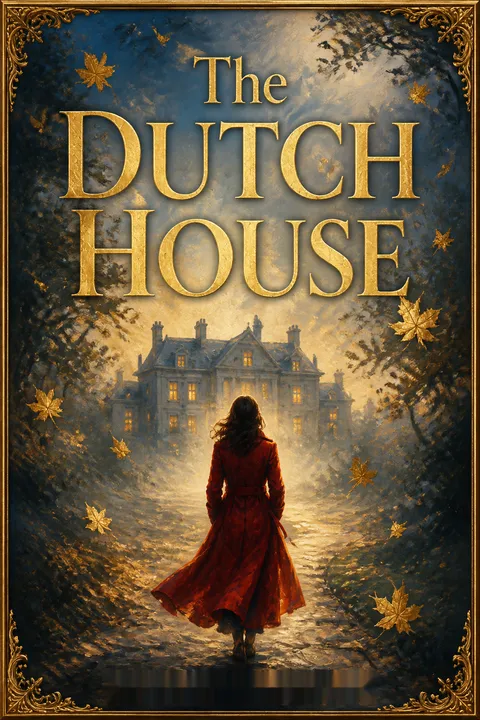

Resumen de la trama
Nuevos comienzos y tensiones ocultas
Las vidas de Danny y Maeve Conroy dan un vuelco cuando su padre, Cyril, les presenta a Andrea, una mujer cuyo interés por la Casa Holandesa parece eclipsar el afecto que siente por ellos. Los hermanos, especialmente Maeve, desconfían de las intenciones de Andrea, intuyendo que sus ambiciones están ligadas a la gran propiedad. Cyril sigue siendo una figura distante, absorto en su trabajo, dejando que los niños lidien solos con las complejidades de su nueva dinámica familiar. La Casa Holandesa, con su imponente presencia, se convierte en testigo silencioso del drama que empieza a gestarse, anticipando futuros conflictos.
La casa como testigo silencioso
La Casa Holandesa, una majestuosa mansión repleta de los vestigios de sus antiguos dueños, los VanHoebeek, se convierte en un personaje por derecho propio. Su opulencia contrasta con el vacío emocional que dejó la ausencia de la madre de los hermanos. Maeve y Danny crecen bajo la mirada vigilante de los retratos de los VanHoebeek, sintiéndose a la vez protegidos y atrapados por la grandeza de la casa. Su vínculo se fortalece a medida que comparten secretos entre sus paredes, ajenos a los cambios que traerá consigo la presencia de Andrea.
Dinámicas familiares y agendas ocultas
Las hijas de Andrea, Norma y Bright, entran en escena, complicando aún más las dinámicas familiares. Maeve y Danny las ven como una amenaza para su frágil núcleo familiar. La influencia de Andrea crece a medida que desvía la atención del hogar hacia ella y sus hijas. Cyril permanece ajeno a las tensiones que se avecinan, dejando que Maeve y Danny se las arreglen solos. La Casa Holandesa, que alguna vez fue un símbolo de estabilidad, se transforma en un campo de batalla por el control y el sentido de pertenencia.
El peso de la herencia
La repentina muerte de Cyril sume a la familia en el caos. Las verdaderas intenciones de Andrea quedan al descubierto cuando reclama la propiedad de la Casa Holandesa, dejando a Maeve y Danny sin nada. Obligados a abandonar el hogar de su infancia, las vidas de los hermanos se ven trastocadas por la traición de Andrea. Maeve, siempre protectora, acoge a Danny bajo su ala, decidida a reconstruir sus vidas. La pérdida de la casa simboliza la pérdida de su padre y de la vida que alguna vez conocieron, encaminándolos hacia una senda de resiliencia y revancha.
El eco del pasado en el presente
Mientras Maeve y Danny se adaptan a su nueva realidad, el pasado sigue acechándolos. La Casa Holandesa, con sus recuerdos y misterios, sigue siendo el eje central de sus vidas. La determinación de Maeve por descubrir la verdad sobre la partida de su madre y las maquinaciones de Andrea impulsa cada una de sus acciones. Danny, atrapado entre la resolución de su hermana y sus propios sueños, lucha por encontrar su lugar en el mundo. El vínculo de los hermanos se pone a prueba mientras se enfrentan a los fantasmas de su pasado y a las incertidumbres de su futuro.
Desenredando los hilos de la memoria
El viaje de Maeve y Danny consiste en buscar un cierre y comprender lo sucedido. La Casa Holandesa, fuente de dolor y a la vez símbolo de su historia compartida, se proyecta con fuerza en sus vidas. A medida que reconstruyen los fragmentos de su pasado, descubren verdades sobre su familia y sobre sí mismos. La resiliencia de los hermanos y el amor que se profesan se convierten en su guía, ayudándoles a navegar por las complejidades de la herencia, la identidad y el perdón. Su historia es un testimonio del poder duradero de la familia y de los lazos que nos unen.
Revelación de verdades ocultas y decisiones
Ya de adulto, Danny avanza por la vida bajo la sombra de su pasado. Retoma su relación con Celeste, quien se convierte en una presencia constante, aunque sigue sin conocer la historia completa de su familia. Al concluir su residencia médica, Danny revela su verdadera pasión por los negocios inmobiliarios, una decisión que sorprende a Celeste. A pesar del impacto inicial, ella lo apoya y juntos construyen una vida. Sin embargo, la Casa Holandesa y el legado de su familia continúan influyendo en sus decisiones y relaciones.
El pasado se enfrenta al presente
Las visitas habituales de Danny y Maeve a la Casa Holandesa se convierten en un ritual de reflexión y confrontación con su pasado. Durante uno de esos encuentros, se topan inesperadamente con Andrea, ahora frágil y aquejada de demencia. Este encuentro los obliga a confrontar emociones no resueltas ligadas al hogar de su infancia y a la traición de Andrea. La Casa Holandesa, inalterable y ajena al paso del tiempo, sirve de escenario para este emotivo reencuentro, evidenciando la profunda conexión de los hermanos con su pasado y entre sí.
El regreso de una madre y la reconciliación
Elna, la madre de Danny y Maeve, ausente durante mucho tiempo, regresa buscando la reconciliación. Su presencia resulta ser tanto un bálsamo como una fuente de tensión, mientras intenta reparar a una familia fracturada. El regreso de Elna saca a la luz los motivos de su partida, sus años de servicio a los más necesitados y su deseo de reconectar con sus hijos. Maeve acoge con los brazos abiertos el regreso de su madre, encontrando consuelo y comprensión, mientras que Danny lucha contra los sentimientos de abandono y traición. La presencia de Elna desafía a los hermanos a replantearse su percepción de la familia y el perdón.
El peso del duelo no resuelto
Maeve sufre un ataque al corazón, un punto de inflexión que une a la familia pero que también pone de manifiesto tensiones y duelos no resueltos. Danny se ve obligado a confrontar el temor de perder a Maeve, la única constante en su vida. La presencia de Elna durante la recuperación de Maeve se convierte en una fuente de consuelo para ella, pero en un punto de discordia para Danny. El vínculo de los hermanos se pone a prueba mientras navegan por las complejidades de su dinámica familiar, el peso de su historia compartida y la imponente presencia de la Casa Holandesa.
Nuevos comienzos y finales
Tras la muerte de Maeve, Danny lidia con el vacío que deja su ausencia. Esta pérdida lo obliga a replantearse su vida, su matrimonio con Celeste y la relación con sus hijos. Tras divorciarse de Celeste, Danny encuentra consuelo en sus hijos y en la vida que ha construido. La Casa Holandesa, ahora símbolo tanto de pérdida como de legado, pasa a formar parte del futuro de su hija May. El éxito de May y su conexión con la casa le ofrecen a Danny una sensación de continuidad y esperanza, mientras aprende a soltar el pasado y a abrazar nuevos comienzos.
Analysis
Una historia de familia y resilienciaLa Casa Holandesa, de Ann Patchett, es una profunda exploración sobre la familia, la memoria y el impacto duradero del pasado. A través de las vidas de Danny y Maeve Conroy, la novela profundiza en temas como la herencia, la traición y la búsqueda de la identidad. La propia Casa Holandesa se erige como un poderoso símbolo tanto de pérdida como de legado, moldeando las acciones y emociones de los personajes. Patchett teje con maestría una narrativa que resalta las complejidades de las dinámicas familiares, el poder del perdón y la resiliencia del espíritu humano. La historia es un testimonio de los lazos inquebrantables de la familia y de las conexiones que nos atan a nuestro pasado, ofreciendo al lector una conmovedora reflexión sobre la naturaleza del amor, la pérdida y la redención.
Resumen de reseñas
The Dutch House recibe críticas mayoritariamente positivas por su fascinante saga familiar que abarca décadas, y muchos elogian la magistral caracterización y el arte narrativo de Patchett. Los lectores aprecian la compleja relación fraternal entre Danny y Maeve, así como el papel de la casa como un personaje central. Algunos critican el ritmo lento y ciertos elementos inverosímiles de la trama. El audiolibro narrado por Tom Hanks es sumamente elogiado. Aunque no goza de una aceptación universal, la mayoría de los críticos la consideran una valiosa adición a la aclamada obra de Patchett, rica en temas como la familia, el perdón y el significado del hogar.
También leyeron










Characters
Danny Conroy
Danny está profundamente influenciado por su pasado, en particular por la Casa Holandesa y el legado familiar. Su transición de aspirante a médico a promotor inmobiliario refleja su deseo de recuperar el control sobre su vida. Las relaciones de Danny, especialmente con Maeve y Celeste, están marcadas por su lucha interna para conciliar el pasado con el presente. Su personaje encarna la resiliencia y el impacto duradero de los lazos familiares.
Maeve Conroy
Maeve es la protectora y confidente de Danny, profundamente afectada por la ausencia de su madre y la pérdida de la Casa Holandesa. Su crisis de salud se convierte en un catalizador para el cambio, obligándola a confrontar su pasado y a aceptar el regreso de su madre. El personaje de Maeve se define por su fortaleza, su inteligencia y el profundo vínculo que comparte con Danny, el cual permanece intacto incluso después de su muerte.
Andrea Smith Conroy
Andrea, quien alguna vez fue una presencia formidable en las vidas de Danny y Maeve, se encuentra ahora frágil y con demencia. Su deterioro obliga a los hermanos a confrontar sus emociones no resueltas y el impacto de su traición. El personaje de Andrea sirve como catalizador en el viaje de los hermanos hacia la comprensión y el cierre.
Cyril Conroy
Cyril es un exitoso hombre de negocios cuyo enfoque en el trabajo deja poco espacio para sus hijos. Su decisión de casarse con Andrea desencadena una serie de acontecimientos que alteran la dinámica familiar. La repentina muerte de Cyril deja a Maeve y a Danny en una posición vulnerable, obligándolos a enfrentarse a la realidad de su herencia y a la pérdida del hogar de su infancia.
Elna Conroy
El regreso de Elna a la vida de sus hijos está impulsado por el deseo de reconciliación y redención. Sus años de ausencia estuvieron marcados por el servicio a los pobres, una elección que refleja la complejidad de su carácter. La presencia de Elna desafía a Danny y a Maeve a reevaluar sus percepciones sobre la familia y el perdón, evidenciando el impacto duradero de su partida y su regreso.
Norma and Bright Smith
Norma y Bright son las hijas de Andrea, quienes pasan a formar parte del hogar de los Conroy. Su presencia complica la dinámica familiar, ya que a Maeve y a Danny les cuesta aceptarlas. Las hermanas se encuentran atrapadas entre las ambiciones de su madre y el resentimiento de los hermanos Conroy, lo que pone de relieve las dificultades de las familias reconstituidas.
Celeste Norcross
Celeste es la pareja de Danny, y su relación con él está marcada por el amor, el apoyo y la tensión. Su sorpresa inicial ante el cambio de carrera de Danny se transforma en aceptación, aunque su matrimonio termina finalmente en divorcio. El personaje de Celeste refleja las complejidades del amor, la vida en pareja y el reto de conciliar el pasado con el presente.
Plot Devices
The Dutch House
La Casa Holandesa funciona como el símbolo central de la narrativa, representando tanto la historia compartida de los hermanos como las complejidades de la herencia. Su inalterable esplendor contrasta con la agitación emocional de los personajes, destacando el impacto duradero del pasado en el presente. La casa es un testigo silencioso de la historia que se desarrolla, moldeando las acciones y emociones de los personajes.
Inheritance and Betrayal
Los temas de la herencia y la traición son fundamentales en la narrativa. La muerte de Cyril y las acciones posteriores de Andrea obligan a Maeve y a Danny a enfrentarse a la realidad de su legado familiar. La pérdida de la Casa Holandesa se convierte en el catalizador de su viaje, mientras intentan recuperar lo que les fue arrebatado. Estos temas impulsan las acciones de los personajes y definen el rumbo de la historia, evidenciando las complejidades de la familia y los lazos que nos unen.
Reconciliation and Forgiveness
La narrativa explora los temas de la reconciliación y el perdón, particularmente a través del regreso de Elna y la crisis de salud de Maeve. Estos temas guían las acciones de los personajes y dan forma a la trayectoria de la historia, destacando las complejidades de las dinámicas familiares y el poder duradero del amor y el perdón.
Preguntas frecuentes
Synopsis & Basic Details
What is The Dutch House about?
- Family Saga of Loss: The Dutch House follows the lives of siblings Danny and Maeve Conroy as they navigate their complex family history, marked by their mother's abandonment, their father's remarriage, and the loss of their childhood home.
- House as a Character: The story revolves around the Dutch House, a grand estate that becomes a symbol of both their shared past and the source of their pain, influencing their relationships and decisions.
- Themes of Memory and Forgiveness: The narrative explores themes of memory, inheritance, betrayal, and the search for forgiveness as the siblings grapple with their past and try to forge their own paths in life.
Why should I read The Dutch House?
- Compelling Characters: The novel features richly developed characters, particularly the complex relationship between Danny and Maeve, whose bond is tested by the events of their lives.
- Intricate Family Dynamics: The story delves into the intricacies of family relationships, exploring the impact of parental absence, sibling loyalty, and the challenges of blended families.
- Atmospheric Setting: The Dutch House itself is a character, creating a haunting and atmospheric backdrop for the unfolding drama, adding depth and symbolism to the narrative.
What is the background of The Dutch House?
- Post-War America: The story is set in post-World War II America, reflecting the social and economic changes of the time, particularly the rise of suburban development and the changing roles of women.
- Wealth and Class: The novel explores themes of wealth and class through the lens of the Conroy family, highlighting the disparities between the wealthy and the working class, and the impact of sudden wealth and loss.
- Architectural Significance: The Dutch House, with its unique design and history, serves as a symbol of the past, reflecting the changing fortunes of its inhabitants and the broader societal shifts of the era.
What are the most memorable quotes in The Dutch House?
- "The biggest lie in business is that it takes money to make money.": This quote from Cyril Conroy reveals his belief in hard work and ingenuity over inherited wealth, a theme that resonates throughout the story.
- "I could never do that. Never in a million years could I say goodbye to you.": This quote from the children's mother highlights her inability to face her children when she leaves, emphasizing the emotional turmoil and the lasting impact of her departure.
- "We pretended that what we had lost was the house, not our mother, not our father.": This quote encapsulates the siblings' tendency to focus on the tangible loss of the house rather than the deeper emotional losses they experienced, revealing their coping mechanisms.
What writing style, narrative choices, and literary techniques does Ann Patchett use?
- First-Person Narration: The story is told from Danny's perspective, providing an intimate and subjective view of the events, allowing readers to connect with his emotions and experiences.
- Non-Linear Timeline: Patchett employs a non-linear timeline, weaving together past and present events to reveal the complexities of the characters' lives and the enduring impact of their history.
- Symbolism and Imagery: The author uses rich symbolism and imagery, particularly in the descriptions of the Dutch House, to enhance the themes of memory, loss, and the passage of time.
Hidden Details & Subtle Connections
What are some minor details that add significant meaning?
- The Ship in the Clock: The grandfather clock with a ship that rocks back and forth symbolizes the passage of time and the cyclical nature of life, reflecting the characters' journeys and the recurring patterns in their family history.
- The Blue Delft Mantels: The blue delft mantels, said to be from a castle in Utrecht, represent the house's history and the VanHoebeeks' past, adding a layer of mystery and intrigue to the narrative.
- The Red Coat in the Portrait: Maeve's red coat in her portrait foreshadows her strength and resilience, as well as her connection to the past, as she is often seen wearing red in the present.
What are some subtle foreshadowing and callbacks?
- Andrea's Concern About Windows: Andrea's initial concern about people looking into the house foreshadows her desire for control and her eventual attempts to shut out the past, highlighting her insecurity and ambition.
- The Basement Tour: Maeve's tour of the basement with Norma and Bright foreshadows the girls' eventual inheritance of the house and their connection to its history, as well as Maeve's deep understanding of the house's secrets.
- The Mention of Fluffy's Parents: The mention of Fluffy's parents working for the VanHoebeeks foreshadows her later connection to the house and her role in the Conroy family's lives, highlighting the cyclical nature of history and the interconnectedness of lives.
What are some unexpected character connections?
- Fluffy and the VanHoebeeks: Fluffy's childhood connection to the VanHoebeeks reveals a hidden layer of history within the Dutch House, highlighting the interconnectedness of lives and the enduring impact of the past.
- Sandy and Jocelyn as Sisters: The revelation that Sandy and Jocelyn are sisters adds depth to their relationship and their shared history with the Conroy family, emphasizing the importance of family bonds and loyalty.
- Mrs. Buchsbaum's Observations: Mrs. Buchsbaum's observations about Andrea and Maeve highlight the community's awareness of the family dynamics, adding a layer of social commentary and foreshadowing future conflicts.
Who are the most significant supporting characters?
- Sandy and Jocelyn: The housekeepers, Sandy and Jocelyn, provide a sense of stability and continuity in the Conroy children's lives, offering a maternal presence and a connection to the past.
- Mr. Otterson: Mr. Otterson, Maeve's employer, becomes a significant figure in her life, offering her a sense of purpose and stability, and later playing a crucial role in her health crisis.
- Lawyer Gooch: Lawyer Gooch, the family lawyer, serves as a link to the past and a source of information about the family's legal and financial affairs, highlighting the complexities of inheritance and legacy.
Psychological, Emotional, & Relational Analysis
What are some unspoken motivations of the characters?
- Andrea's Desire for Control: Andrea's unspoken motivation is her desire for control over the Dutch House and the Conroy family, stemming from her own insecurities and ambitions, which ultimately lead to her downfall.
- Cyril's Need for Stability: Cyril's unspoken motivation is his need for stability and a sense of family, which leads him to marry Andrea, despite the obvious tensions and conflicts it creates.
- Maeve's Need to Protect Danny: Maeve's unspoken motivation is her need to protect Danny, stemming from their shared trauma and her deep sense of responsibility for his well-being, which often leads her to make sacrifices for him.
What psychological complexities do the characters exhibit?
- Danny's Obsessive Nature: Danny exhibits an obsessive nature, particularly in his pursuit of real estate and his fixation on the past, reflecting his struggle to reconcile his identity and his family's legacy.
- Maeve's Self-Sacrifice: Maeve's self-sacrificing nature, often putting Danny's needs before her own, reveals her deep sense of responsibility and her struggle to find her own path in life.
- Andrea's Insecurity and Ambition: Andrea's insecurity and ambition drive her actions, leading her to seek control over the Dutch House and the Conroy family, ultimately resulting in her isolation and decline.
What are the major emotional turning points?
- Cyril's Death: Cyril's sudden death is a major emotional turning point, shattering the siblings' sense of security and forcing them to confront the realities of their inheritance and their relationship with Andrea.
- Maeve's Heart Attack: Maeve's heart attack is a major emotional turning point, highlighting her vulnerability and forcing Danny to confront his fears of losing her, as well as bringing their mother back into their lives.
- The Encounter with Andrea at the Dutch House: The encounter with Andrea at the Dutch House is a major emotional turning point, forcing Danny and Maeve to confront their unresolved feelings and the enduring impact of their past.
How do relationship dynamics evolve?
- Danny and Maeve's Bond: Danny and Maeve's bond evolves from a childhood alliance to a deep and complex relationship marked by loyalty, protectiveness, and unspoken understanding, highlighting the enduring power of sibling love.
- Danny and Celeste's Relationship: Danny and Celeste's relationship evolves from a chance encounter to a complex partnership marked by love, support, and ultimately, the challenges of reconciling their different perspectives and desires.
- The Conroy Family and Elna: The Conroy family's relationship with Elna evolves from a state of absence and resentment to a complex dynamic marked by forgiveness, understanding, and the enduring impact of their shared history.
Interpretation & Debate
Which parts of the story remain ambiguous or open-ended?
- The Mother's True Motivations: The mother's true motivations for leaving and her feelings about her children remain somewhat ambiguous, leaving readers to interpret her actions and her return.
- The Nature of Andrea's Illness: The nature of Andrea's illness and its impact on her actions remain open to interpretation, raising questions about the complexities of mental health and the nature of responsibility.
- The Future of the Dutch House: The future of the Dutch House and its significance for the characters remains open-ended, leaving readers to ponder the enduring impact of the past and the possibilities for new beginnings.
What are some debatable, controversial scenes or moments in The Dutch House?
- Andrea's Treatment of Maeve and Danny: Andrea's treatment of Maeve and Danny, particularly her decision to throw them out of the house, is a controversial moment that raises questions about her character and her motivations.
- Cyril's Decision to Marry Andrea: Cyril's decision to marry Andrea, despite the obvious tensions and conflicts it creates, is a debatable moment that raises questions about his judgment and his understanding of his children's needs.
- Elna's Decision to Leave: Elna's decision to leave her children and her husband is a controversial moment that raises questions about her motivations and her responsibility as a mother, sparking debate about the nature of motherhood and personal fulfillment.
The Dutch House Ending Explained: How It Ends & What It Means
- The Cycle of Loss and Legacy: The ending of The Dutch House emphasizes the cyclical nature of loss and legacy, as the house passes into May's hands, highlighting the enduring impact of the past on future generations.
- The Power of Forgiveness and Acceptance: The ending suggests the possibility of forgiveness and acceptance, as Danny and his mother find a way to coexist, and as the characters come to terms with their past and their present.
- The Enduring Power of Family: The ending underscores the enduring power of family bonds, as Danny and Maeve's relationship continues to shape their lives, even after death, and as the Conroy family finds a way to move forward, carrying their history with them.
Sobre el autor
Otros libros de Ann Patchett






Descargar PDF
Descargar EPUB
.epub digital book format is ideal for reading ebooks on phones, tablets, and e-readers.








































