Resumen de la trama
Three Masks, Three Truths
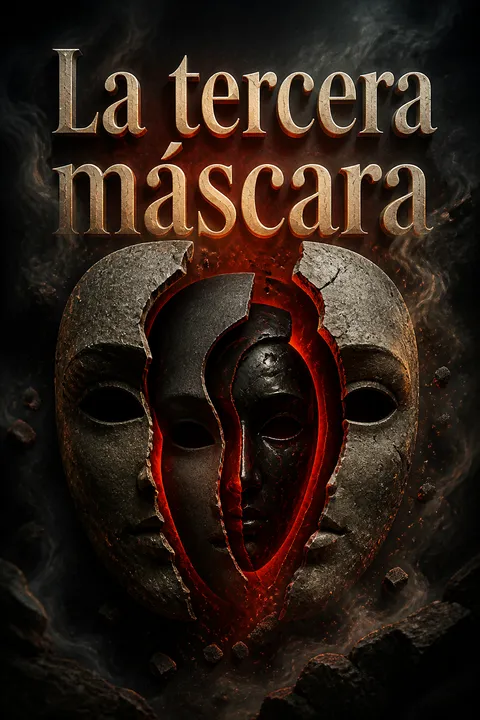
The novel opens with a Japanese belief: each person wears three masks. The first is for the world—polite, acceptable, a shield. The second is for loved ones—raw, emotional, sometimes harsh. The third is the secret self, hidden even from those closest, a fragmented, contradictory essence. This framework shapes the narrative, inviting readers to question which mask they wear and what truths they conceal. The story promises pain in the answers, setting the stage for a journey into identity, perception, and the cost of hiding one's true self. The masks become both metaphor and structure, guiding the reader through the layers of Diana's life and the tragedy that unfolds.
Diana: The Girl Next Door
Diana is introduced through the eyes of neighbors and acquaintances: a quiet, overweight girl with wild black curls, always dressed in oversized black clothes. She is polite but distant, buying junk food alone, rarely speaking. Her mother, Vicky, is a single parent, emotionally distant and critical. Diana's life is marked by isolation, both at home and at school. She is seen as odd, a loner, someone who doesn't fit in. Yet, beneath the surface, she is a talented artist, pouring her emotions into dark, haunting drawings shared online under a pseudonym. The community's inability to see past her silence foreshadows the misunderstandings to come.
Neighborhood Whispers and Judgments
The neighborhood buzzes with speculation after a shocking crime: a baby's body is found in a trash container. Diana becomes the center of rumors—her weight, her reclusive habits, her family's troubles. Neighbors recall seeing her grow up, always a bit strange, but never imagining her capable of violence. The police and media descend, amplifying the whispers. Diana's mother is forced to move, unable to withstand the scrutiny. The collective judgment of the community, fueled by ignorance and prejudice, isolates Diana further, turning her into a symbol of fear and fascination.
The Lonely Artist
At school, Diana is invisible, her talents overlooked by teachers and peers. Only a few, like her tutor Juan and classmate Nayara, glimpse her artistic gifts. Online, she is "Afrodita," creator of the enigmatic character Alexandra—a red-haired, blood-stained girl who embodies both Diana's fears and desires. Art is her solace, a way to process pain and confusion. Yet, even in this world, she hides behind masks, reluctant to reveal her true self. Her drawings become a silent cry for understanding, a coded language that few can decipher.
Friendship, Betrayal, and Secrets
Diana's tentative friendship with Nayara and Luca, a Romanian migrant, offers her a taste of belonging. They share afternoons of hair-braiding, confessions, and laughter. But when Diana and Luca sleep together—an act born of curiosity and loneliness, not love—everything changes. Nayara, secretly in love with Luca, feels betrayed. The revelation destroys their friendship, leaving Diana more isolated than ever. The pain of rejection and the burden of secrecy compound her sense of alienation, setting the stage for the tragedy to come.
The Night of Pain
Alone in her room, Diana endures the agony of childbirth, unprepared and terrified. Her mother is absent, her friends estranged. The pain is overwhelming, the process messy and frightening. She delivers a baby girl, unsure if the child is alive or dead. In shock, she wraps the infant in a T-shirt, places her in a plastic bag with some chips, and leaves her in the trash. Exhausted, she cleans up, hides the evidence, and tries to sleep. The event is a blur of blood, fear, and numbness—a trauma that will haunt her forever.
Discovery in the Trash
Early the next morning, a neighbor finds the baby's body in the trash. Police, media, and onlookers swarm the scene. The investigation begins, piecing together clues: a T-shirt, a bag of chips, a timeline of Diana's movements. The forensic report reveals the baby was born alive and died of asphyxiation within hours. The neighborhood is gripped by shock and revulsion. Diana, still in denial, is questioned by police but maintains her silence. The tragedy becomes public spectacle, with everyone eager to assign blame.
The Investigation Unfolds
Detectives Gema and Sebas methodically interview neighbors, classmates, and family. They trace the evidence back to Diana: her recent weight gain, her reclusive behavior, the matching T-shirt from her father's trucking company. Medical exams confirm she recently gave birth. Diana is taken into custody, bewildered and terrified. Her parents, divorced and emotionally distant, are forced to confront their failures. The investigation exposes not only the crime but the deep fractures in Diana's support system.
Family Fractures
Diana's family is a web of neglect, criticism, and unresolved trauma. Her mother, Vicky, is self-absorbed, alternating between victimhood and cruelty. Her father, Ángel, is passive, unable to connect or support his daughter. Her brother, Angelito, is the only one who tries to help, eventually becoming her guardian. The family's dysfunction is laid bare in court and therapy sessions. Diana's sense of worthlessness is rooted in years of emotional abuse and neglect, making her ill-equipped to handle crisis or seek help.
The Weight of Silence
Throughout the investigation and trial, Diana struggles to articulate her experience. She is overwhelmed by guilt, shame, and fear—especially of her mother's reaction. Her silence is interpreted as coldness or guilt, but it is really the result of trauma and emotional paralysis. Psychologists diagnose her with complex PTSD, noting her dissociation and self-loathing. The legal system, ill-equipped to handle such nuance, debates whether she acted with intent or in a state of shock. The truth remains elusive, buried beneath layers of silence.
The Trial and Its Shadows
In court, Diana's fate hangs in the balance. The prosecution argues for severe punishment, citing evidence of intent. The defense, led by Alberto, emphasizes her youth, isolation, and psychological state. Testimonies from teachers, friends, and family paint a picture of a girl failed by everyone around her. The judge must weigh the horror of the act against the context of neglect and trauma. Ultimately, Diana is spared prison but sent to a supervised home, with mandatory therapy and restricted contact with her family.
The Center of Lost Children
Diana is placed in a center for minors, sharing space with other children from troubled backgrounds. She is shunned by some, pitied by others. Her days are structured, her freedoms limited. She finds small solace in art and in the rare visits from her brother. The center is both a refuge and a reminder of all she has lost. Here, Diana begins the slow process of healing, learning to live with her actions and their consequences.
The Third Mask Revealed
In a raw, confessional voice, Diana narrates her experience of the birth, the aftermath, and her struggle to understand herself. She describes the unbearable pain, the dissociation, the terror of her mother's judgment. She admits to not knowing if she killed her baby or simply failed to save her. She visits the morgue, seeking closure, and asks her daughter for forgiveness—an absolution she cannot grant herself. This is the third mask: the unvarnished truth, full of contradictions and pain.
Living with the Unforgivable
Diana's journey after the trial is marked by therapy, routine, and attempts at normalcy. She returns to school, endures the stares and whispers, and continues to draw. Her relationship with her family remains strained—her father and mother unable to forgive, her brother steadfast but limited in his support. Diana visits her daughter's grave each year, marking the passage of time with roses. She knows she will never be free of what happened, but she learns to live with it, finding small moments of hope in art and connection.
The Search for Forgiveness
Diana's story is not one of easy answers or neat resolutions. She grapples with guilt, shame, and the longing for forgiveness—from her family, from society, from herself. The novel refuses to offer simple redemption, instead portraying the messy, ongoing process of living with the consequences of one's actions. Diana's art becomes a way to process her pain, to reach out to others who feel unseen. The search for forgiveness is ongoing, a journey rather than a destination.
Moving Forward, Never Forgetting
In the end, Diana is not healed, but she is moving forward. She lives in a supervised apartment, attends therapy, and maintains a fragile connection with her brother. She is haunted by memories but determined to build a future. The novel closes with Diana visiting her daughter's grave, leaving a rose, and promising to return each year. The past cannot be erased, but it can be carried with dignity. The story ends not with closure, but with the possibility of growth and the hope that, one day, Diana's art—and her truth—will help others find their own voice.
Analysis
Care Santos's La tercera máscara is a harrowing exploration of identity, trauma, and the devastating consequences of emotional neglect. Through the metaphor of the three masks, the novel interrogates how individuals present themselves to the world, to loved ones, and to themselves—often with painful dissonance. Diana's story is a stark indictment of a society that fails its most vulnerable: a girl silenced by shame, misunderstood by her peers, and abandoned by her family. The novel refuses to sensationalize or moralize; instead, it offers a nuanced portrait of a tragedy born not of malice, but of ignorance, fear, and systemic failure. The polyphonic narrative invites empathy, challenging readers to look beyond surface judgments and consider the hidden battles others may face. Ultimately, the book is a call for compassion, understanding, and the courage to confront uncomfortable truths—about ourselves, our families, and the masks we all wear.
Characters
Diana Hernández
Diana is the heart of the novel—a fourteen-year-old girl marked by loneliness, emotional neglect, and a profound sense of not belonging. Her relationship with her mother is toxic, filled with criticism and emotional abuse, while her father is distant and passive. Diana's only refuge is her art, where she creates dark, powerful images that hint at her inner turmoil. Her psychological profile is shaped by complex PTSD, dissociation, and a desperate need for acceptance. The trauma of an unplanned pregnancy, solitary childbirth, and the death of her baby push her to the brink. Diana's development is a painful journey from silence and self-loathing toward tentative self-acceptance, marked by the struggle to forgive herself and find meaning after tragedy.
Victoria (Vicky)
Vicky, Diana's mother, is a complex figure—ambitious, emotionally volatile, and deeply dissatisfied with her life. Her own childhood was marked by neglect, and she repeats the cycle with Diana, oscillating between overbearing control and emotional withdrawal. Vicky's inability to empathize or apologize exacerbates Diana's isolation. She is quick to blame others for her misfortunes, including her daughter, and resists any suggestion of her own culpability. Vicky's relationship with Diana is defined by conflict, misunderstanding, and a tragic inability to connect, ultimately leading to estrangement.
Ángel Hernández
Diana's father, Ángel, is passive and emotionally unavailable. After divorcing Vicky, he starts a new family with Olga, distancing himself from Diana. He is unable to recognize or address his daughter's struggles, preferring to avoid conflict and responsibility. When confronted with Diana's crime, he is overwhelmed by shame and guilt, ultimately choosing to cut ties rather than offer support. Ángel's failure as a parent is a central factor in Diana's sense of abandonment and her inability to seek help when she needs it most.
Angelito (Ángel Jr.)
Angelito, Diana's much older brother, is the only family member who attempts to support her after the tragedy. Though initially distant, he becomes her guardian, offering her a home on weekends and advocating for her in the legal process. Angelito is pragmatic, empathetic, and aware of the family's dysfunction. He recognizes the damage caused by their parents and tries to break the cycle, though he is limited by his own life circumstances. His relationship with Diana is a rare source of unconditional support, providing a glimmer of hope in her otherwise bleak world.
Nayara
Nayara is Diana's closest friend at school, a lively, empathetic girl who tries to draw Diana out of her shell. Their friendship is tested when Diana sleeps with Luca, whom Nayara secretly loves. The betrayal shatters their bond, leaving Diana even more isolated. Nayara's reaction—anger, rejection, and public shaming—reflects the cruelty of adolescent social dynamics. Her character embodies both the potential for kindness and the capacity for harm, illustrating how fragile and conditional teenage friendships can be.
Luca
Luca is a Romanian migrant, charming and rootless, who becomes friends with Diana and Nayara. His outsider status mirrors Diana's own sense of not belonging. The brief sexual encounter between Luca and Diana is a turning point, exposing vulnerabilities and triggering the chain of events that lead to tragedy. Luca's departure leaves both girls adrift, highlighting the impermanence of adolescent relationships and the dangers of seeking validation in fleeting connections.
Alberto
Alberto is Diana's court-appointed lawyer, a compassionate and determined advocate who believes in her innocence or, at least, her lack of intent. He constructs a defense based on psychological trauma and "insuperable fear," challenging the simplistic narrative of guilt. Alberto's role is crucial in humanizing Diana before the court, emphasizing the failures of the adults around her. His persistence and empathy offer a counterpoint to the punitive instincts of the legal system.
Carmen
Carmen is Diana's tutor at the center for minors, providing structure, support, and a measure of stability. She recognizes Diana's vulnerability and advocates for her well-being, facilitating therapy and encouraging her artistic pursuits. Carmen's presence is a stabilizing force, helping Diana navigate the complexities of institutional life and the long road to healing. Her belief in Diana's potential is a rare source of affirmation.
Juan
Juan, Diana's art teacher and tutor, is one of the few adults who recognizes her talent and struggles. He encourages her artistic development and tries to foster connections with her peers. Despite his efforts, he is ultimately unable to protect Diana from the consequences of her isolation. Juan's character represents the limitations of well-meaning adults in a system that often fails its most vulnerable members.
Vicky's Mother (Diana's Grandmother)
Though not a central character, Vicky's mother looms large in the narrative as the source of Vicky's own emotional wounds. Her neglect and ambition set the template for Vicky's parenting, illustrating the cyclical nature of trauma. The legacy of absence and unmet needs reverberates through the generations, shaping the destinies of both Vicky and Diana.
Plot Devices
Multiple Perspectives and Mask Motif
The novel employs a polyphonic structure, presenting events through the eyes of neighbors, friends, family, police, and Diana herself. This mosaic of voices mirrors the concept of the three masks, showing how each character perceives Diana—and themselves—differently. The shifting perspectives create ambiguity, challenging the reader to question assumptions and recognize the limits of external judgment. The motif of masks recurs throughout, symbolizing the tension between public persona, private emotion, and secret self. This device deepens the psychological complexity and underscores the novel's central themes of identity, perception, and the unknowability of others.
Foreshadowing and Fragmented Chronology
The story is structured around the aftermath of the crime, with flashbacks gradually revealing the events leading up to the tragedy. Early references to Diana's odd behavior, her weight gain, and her strained relationships foreshadow the revelation of her pregnancy and the baby's death. The use of fragmented chronology mirrors Diana's own dissociation and the community's piecemeal understanding of what happened. This approach maintains suspense and invites the reader to piece together the truth alongside the investigators.
Psychological Realism and Unreliable Narration
Diana's sections, especially in the "third mask," are marked by psychological realism—her confusion, memory lapses, and emotional numbness reflect the impact of trauma. Her inability to recall details or articulate her feelings creates an unreliable narration, forcing the reader to grapple with ambiguity and doubt. This device emphasizes the novel's refusal to offer easy answers, instead immersing the reader in the messy reality of trauma and its aftermath.
Descargar PDF
Descargar EPUB
.epub digital book format is ideal for reading ebooks on phones, tablets, and e-readers.








































