
Resumen de la trama
Viaje al misterioso castillo
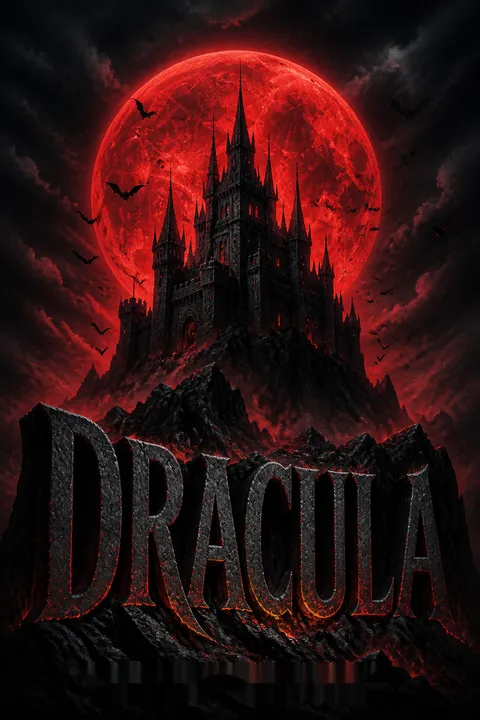
Jonathan Harker, un joven abogado, emprende un viaje a Transilvania para ayudar al conde Drácula con una transacción inmobiliaria. A medida que se adentra en los montes Cárpatos, el paisaje se vuelve cada vez más sombrío y las supersticiones de los lugareños se intensifican. A pesar de sus advertencias, Jonathan continúa su camino y llega al lúgubre y aislado castillo de Drácula, lo que prepara el escenario para los estremecedores sucesos que están por venir.
La siniestra hospitalidad del conde
A su llegada, Jonathan es recibido por el conde Drácula, un hombre alto, pálido y de un encanto peculiar. A pesar de la hospitalidad del conde, Jonathan se siente incómodo debido a los extraños hábitos de Drácula, como su estilo de vida nocturno y la ausencia de su reflejo en los espejos. Con el paso de los días, Jonathan desconfía cada vez más de su anfitrión, especialmente tras presenciar las habilidades sobrehumanas de Drácula y la total ausencia de sirvientes en el castillo.
Descubrimientos inquietantes y oscuros secretos
Jonathan explora el castillo y descubre que en realidad es un prisionero. Es testigo de los poderes sobrenaturales de Drácula, incluida su capacidad para trepar por los muros como un lagarto. Jonathan comprende entonces que Drácula es un vampiro, una criatura de la noche que se alimenta de sangre humana. Se encuentra atrapado en una auténtica pesadilla, incapaz de escapar o de comunicarse con el mundo exterior.
Las enigmáticas novias de Drácula
Una noche, Jonathan se encuentra con tres mujeres hermosas pero aterradoras en el castillo. Estas novias de Drácula intentan seducirlo y alimentarse de él, pero Drácula interviene, reclamando a Jonathan como suyo. Este encuentro deja a Jonathan aún más desesperado y temeroso, al ser plenamente consciente de la magnitud del peligro que corre.
Intentos desesperados y cautiverio
Jonathan realiza varios intentos para escapar del castillo, como tratar de enviar cartas a su prometida, Mina, y explorar los pasadizos ocultos de la fortaleza. Sin embargo, Drácula frustra sus esfuerzos a cada paso. Mientras Drácula se prepara para partir hacia Inglaterra, la situación de Jonathan se vuelve cada vez más desesperada, y teme seriamente por su vida y su cordura.
La misteriosa enfermedad de Lucy se agrava
El estado de Lucy Westenra empeora a pesar de las múltiples transfusiones de sangre de su prometido, Arthur, y de otros allegados. El doctor Seward y Van Helsing están desconcertados por las misteriosas marcas de pinchazos en su cuello y su grave pérdida de sangre. Van Helsing sospecha que existe una causa sobrenatural e insiste en mantener una vigilancia constante sobre Lucy, temiendo por su vida.
La inquebrantable vigilancia de Van Helsing
El profesor Van Helsing se mantiene firme en sus esfuerzos por salvar a Lucy, empleando métodos poco convencionales como rodearla de ajo y colocar un crucifijo en su habitación. A pesar del escepticismo de los demás, está decidido a descubrir la verdad detrás de su enfermedad, sospechando de una actividad vampírica.
La amenaza invisible se intensifica
A medida que el estado de Lucy fluctúa, extraños sucesos asolan el hogar. Renfield, un paciente del manicomio del doctor Seward, muestra un comportamiento errático estrechamente ligado a la presencia de Drácula. El grupo comienza a darse cuenta del alcance del poder de Drácula y del peligro que representa para todos ellos.
Comienza la caza de Drácula
Tras la trágica muerte de Lucy, Van Helsing, el doctor Seward, Arthur, Quincey Morris y Jonathan Harker se unen para dar caza a Drácula. Reúnen pistas de diarios y cartas, dándose cuenta de que deben destruir las cajas de tierra de Drácula para debilitarlo y evitar que siga causando daño.
Se revela el papel crucial de Mina
La capacidad de organización y la agudeza de Mina Harker resultan inestimables a la hora de recopilar y analizar los hallazgos del grupo. Su implicación se vuelve esencial para comprender los movimientos de Drácula y planificar su estrategia, a pesar de la preocupación general por su seguridad.
El desmoronamiento de la mente de Renfield
El comportamiento de Renfield se vuelve cada vez más errático, revelando una conexión directa con Drácula. Su obsesión por consumir vidas y sus enigmáticas declaraciones proporcionan al grupo información valiosa sobre la influencia e intenciones de Drácula, evidenciando la omnipresente amenaza del vampiro.
Se acerca el enfrentamiento final
A medida que el grupo acorrala a Drácula, trazan estrategias para destruir sus santuarios restantes. Van Helsing, Jonathan, Mina y sus aliados están decididos a poner fin al reinado de terror de Drácula. Siguen sus movimientos, sabiendo que planea regresar a su castillo en Transilvania. Mina, a pesar de su conexión con Drácula, sigue siendo una pieza fundamental de su plan, utilizando sus percepciones para guiarlos. El grupo se divide: algunos persiguen a Drácula por tierra y otros por agua, con la esperanza de interceptarlo antes de que se ponga a salvo.
El valor y el sacrificio de Mina
Mina, consciente del peligro que representa debido a la influencia de Drácula, insiste en acompañar al grupo. Cree que su presencia y sus conocimientos son vitales para el éxito de la misión. A pesar del riesgo, su valentía y determinación inspiran a los demás. El estado de Mina empeora, pero ella se mantiene firme, sabiendo que su sacrificio podría ser la clave para derrotar a Drácula. Su espíritu inquebrantable y su amor por Jonathan la impulsan a enfrentarse cara a cara con la amenaza del vampiro.
La persecución a través de Europa
El grupo corre contra el reloj, siguiendo el rastro de Drácula por toda Europa. Se enfrentan a numerosos desafíos, como el clima inclemente y los astutos intentos del vampiro por evadir la captura. A medida que se acercan a Drácula, la tensión aumenta y la determinación del grupo se pone a prueba. Cada miembro desempeña un papel crucial, utilizando sus habilidades y conocimientos únicos para rastrear al vampiro. La persecución está plagada de peligros, pero el objetivo común de acabar con la maldad de Drácula los mantiene unidos.
La batalla en el castillo de Drácula
El grupo finalmente llega al castillo de Drácula, donde tiene lugar el enfrentamiento final. Armados con conocimientos y armas, confrontan al vampiro en su propia guarida. La batalla es feroz, y Drácula utiliza todos sus poderes para resistir. Sin embargo, la determinación del grupo y las revelaciones de Mina les dan la ventaja. En un momento culminante, Jonathan y sus aliados destruyen a Drácula, poniendo fin a su reinado de terror. La victoria es agridulce, marcada por el sacrificio y la pérdida.
Un nuevo amanecer y esperanza
Con la derrota de Drácula, el grupo reflexiona sobre su viaje y los sacrificios realizados. Mina se libera de la influencia del vampiro y el mundo queda a salvo de su maldad. Los integrantes del grupo regresan a sus vidas, transformados para siempre por sus experiencias. Encuentran consuelo al saber que sus acciones han salvado innumerables vidas. Al mirar hacia el futuro, llevan consigo el recuerdo de su amigo caído, Quincey Morris, cuya valentía y sacrificio fueron fundamentales para la victoria.
Analysis
La imperecedera exploración del miedo en Drácula"Drácula", de Bram Stoker, sigue siendo una obra cumbre del género de terror, que explora temas como el miedo, el poder y lo desconocido. La novela se adentra en la psique humana, examinando la lucha entre el bien y el mal, así como el temor a lo ajeno. A través de su atmósfera gótica y sus elementos sobrenaturales, "Drácula" cautiva la imaginación y refleja las ansiedades sociales de la época, como el temor a la influencia extranjera y la pérdida de control. El valor y la determinación de los personajes frente a la oscuridad ofrecen un mensaje intemporal de esperanza y resiliencia, convirtiendo a "Drácula" en un relato fascinante y perdurable de horror y heroísmo.
Resumen de reseñas
Drácula es una novela clásica de terror gótico que ha cautivado a lectores durante generaciones. Aunque algunos consideran que su ritmo es lento y repetitivo, muchos elogian su narrativa atmosférica, su innovador formato epistolar y su exploración de los temas de la era victoriana. La representación del conde Drácula como una figura amenazante y sombría ha dejado una huella duradera en la literatura de vampiros y en la cultura popular. Los lectores aprecian la profundidad psicológica del libro, su sutil erotismo y su mezcla de ciencia y superstición, aunque las opiniones varían en cuanto a su ritmo y al desarrollo de los personajes.
También leyeron
Characters
Jonathan Harker
Jonathan es un hombre diligente y racional que viaja a Transilvania por motivos de trabajo. Su curiosidad y profesionalismo iniciales se transforman en horror al convertirse en prisionero en el castillo de Drácula. Sus experiencias ponen a prueba su cordura y su determinación mientras lucha por sobrevivir y escapar.
Count Dracula
Drácula es un vampiro de siglos de antigüedad, de porte noble e intenciones siniestras. Es a la vez encantador y aterrador, poseedor de poderes sobrenaturales y de una insaciable sed de sangre humana. Su verdadera naturaleza se revela a través de sus interacciones con Jonathan y el control absoluto que ejerce sobre su castillo.
Mina Harker
Mina es una figura central en los esfuerzos del grupo contra Drácula. Su inteligencia y coraje son vitales para rastrear al vampiro. A pesar de caer bajo la influencia de Drácula, se mantiene firme en su deseo de ayudar a sus amigos. Su amor por Jonathan y su disposición a sacrificarse por el bien común inspiran al grupo y, en última instancia, contribuyen a la derrota de Drácula.
Lucy Westenra
Lucy es una hermosa joven cuya misteriosa enfermedad y posterior muerte son fundamentales para el desarrollo de la historia. Su transformación en vampiro pone de manifiesto el horror de la influencia de Drácula y la urgencia de la misión del grupo para detenerlo.
Professor Van Helsing
Los conocimientos y el liderazgo de Van Helsing son fundamentales en la persecución de Drácula por parte del grupo. Su comprensión de las debilidades del vampiro y su mente estratégica guían al grupo a través de las dificultades. La compasión de Van Helsing y su dedicación a proteger a la humanidad de la maldad de Drácula lo convierten en una figura central de la lucha.
Dr. John Seward
El doctor Seward es un personaje racional y compasivo, profundamente involucrado en los esfuerzos por salvar a Lucy y, más tarde, por detener a Drácula. Sus experiencias con Renfield y su enfoque científico aportan valiosas perspectivas al misterio que se va desvelando.
Arthur Holmwood
Arthur se ve profundamente afectado por la muerte de Lucy y se mueve por un deseo de justicia. Su disposición a enfrentarse a la amenaza sobrenatural junto a los demás demuestra su valentía y su compromiso con la causa.
Quincey Morris
El coraje y la lealtad de Quincey quedan de manifiesto a lo largo de todo el viaje del grupo. Su disposición a enfrentarse al peligro y su sacrificio final en la batalla contra Drácula resaltan su altruismo. Las acciones de Quincey son cruciales para la victoria del grupo, y sus amigos honran su memoria.
Renfield
Renfield es un paciente del manicomio del doctor Seward cuyo comportamiento errático y obsesión por consumir vidas están vinculados a la influencia de Drácula. Sus acciones y declaraciones proporcionan pistas cruciales sobre la presencia e intenciones del vampiro.
The Brides of Dracula
Estas tres mujeres son las compañeras de Drácula y encarnan tanto la belleza como el peligro. Intentan seducir a Jonathan, poniendo de relieve la naturaleza seductora y depredadora de los vampiros.
Plot Devices
Gothic Atmosphere
El escenario de la novela en el castillo de Drácula y los montes Cárpatos circundantes crea una profunda sensación de aislamiento y temor. Los elementos góticos, como la arquitectura del castillo y el paisaje lúgubre, contribuyen al suspense y al horror de la historia.
Epistolary Format
La historia se relata mediante una serie de cartas, diarios y anotaciones, lo que aporta múltiples perspectivas y una gran sensación de inmediatez. Este formato permite a los lectores experimentar de primera mano los pensamientos y emociones de los personajes, intensificando el suspense y el horror.
Supernatural Elements
Las habilidades sobrenaturales de Drácula, como la transmutación y el control mental, son fundamentales para la trama. Estos elementos crean una atmósfera de misterio y temor, mientras los personajes se enfrentan a fuerzas que escapan a su comprensión.
Themes of Good vs. Evil
La batalla entre el grupo y Drácula representa un conflicto a gran escala entre el bien y el mal. El valor y la determinación de los personajes para proteger a la humanidad de la influencia malévola de Drácula resaltan la exploración de temas morales y éticos en la novela.
Symbolism of Blood
La sangre es un símbolo recurrente en la novela, que representa la vida, la muerte y el poder transformador de la maldición de Drácula. Las transfusiones realizadas a Lucy y la necesidad de sangre del vampiro subrayan la exploración de la novela sobre los límites entre la vida y la muerte.
Themes of Imprisonment and Escape
El cautiverio de Jonathan en el castillo de Drácula simboliza el tema más amplio del atrapamiento. Sus intentos de fuga reflejan el deseo humano de libertad y la lucha contra las fuerzas opresoras.
Preguntas frecuentes
Synopsis & Basic Details
What is Dracula about?
- A Vampire's Transatlantic Move: The novel centers on Count Dracula's move from Transylvania to England and the subsequent battle against him by a group of individuals. It explores themes of good versus evil, the supernatural, and the clash between tradition and modernity.
- A Web of Interconnected Narratives: The story unfolds through diary entries, letters, and newspaper clippings, creating a multi-perspective narrative that gradually reveals the extent of Dracula's evil and the efforts to stop him.
- A Fight for Survival: The core of the story is the struggle of a group of individuals to protect themselves and others from the vampire's influence, highlighting themes of sacrifice, courage, and the power of human connection.
Why should I read Dracula?
- Pioneering Vampire Narrative: Dracula is a foundational text in vampire literature, establishing many of the tropes and characteristics associated with vampires in popular culture. It offers a glimpse into the origins of the modern vampire myth.
- Exploration of Timeless Themes: The novel delves into universal themes of good versus evil, the fear of the unknown, and the struggle against temptation and corruption. It also explores the clash between tradition and modernity, and the power of faith and reason.
- Suspenseful and Atmospheric Storytelling: Stoker's use of epistolary format, combined with vivid descriptions of gothic settings and supernatural events, creates a suspenseful and immersive reading experience. The novel is a masterclass in building tension and dread.
What is the background of Dracula?
- Victorian Era Anxieties: The novel reflects the anxieties of the Victorian era, including fears of foreign invasion, moral corruption, and the unknown. The vampire serves as a symbol of these fears, embodying the threat of the "other" and the loss of control.
- Superstition and Folklore: Stoker drew inspiration from Eastern European folklore and superstitions about vampires, incorporating elements of these beliefs into his narrative. The novel blends historical and mythological elements to create a compelling and terrifying world.
- Technological and Social Change: The novel is set against a backdrop of rapid technological and social change, including the advent of new technologies like the typewriter and the phonograph. These elements are used to enhance the story's realism and to explore the impact of modernity on traditional beliefs.
What are the most memorable quotes in Dracula?
- "Listen to them, the children of the night. What music they make!": This quote, spoken by Count Dracula, reveals his connection to the supernatural and his appreciation for the eerie sounds of the night. It highlights his otherness and his detachment from human values.
- "The blood is the life!": This phrase, repeated by Renfield, underscores the vampire's dependence on blood for sustenance and power. It also reflects the novel's exploration of the life force and its corruption.
- "There are darknesses in life, and there are lights. You are one of the lights.": This quote, spoken by Van Helsing to Mina, emphasizes her goodness and her role as a beacon of hope in the face of evil. It highlights the importance of faith and love in the fight against darkness.
What writing style, narrative choices, and literary techniques does Bram Stoker use?
- Epistolary Narrative: Stoker employs an epistolary style, using diary entries, letters, and newspaper clippings to tell the story. This technique creates a sense of realism and immediacy, allowing readers to experience the events through the characters' perspectives.
- Gothic Elements: The novel is rich in gothic elements, including dark and foreboding settings, supernatural occurrences, and themes of death and decay. These elements contribute to the story's atmosphere of suspense and horror.
- Foreshadowing and Symbolism: Stoker uses foreshadowing and symbolism to create a sense of unease and to hint at future events. Recurring symbols, such as blood, garlic, and the crucifix, add layers of meaning to the narrative and enhance its thematic depth.
Hidden Details & Subtle Connections
What are some minor details that add significant meaning?
- The Significance of the Mirror: The absence of mirrors in Dracula's castle is a subtle detail that foreshadows his lack of a reflection, a key characteristic of vampires. This detail adds to the unsettling atmosphere and hints at Dracula's supernatural nature.
- The Use of Garlic and Crucifixes: The use of garlic and crucifixes as protective measures against vampires is a recurring detail that highlights the importance of faith and tradition in combating evil. These items are not merely superstitious talismans but powerful symbols of resistance.
- The Description of the Weather: The changing weather patterns, such as the sudden fogs and storms, often coincide with Dracula's movements, suggesting his ability to control the elements and foreshadowing his presence.
What are some subtle foreshadowing and callbacks?
- The Old Woman's Warning: The old woman at the Golden Krone Hotel who warns Jonathan about the eve of St. George's Day foreshadows the dangers he will face in Transylvania. Her fear and the crucifix she gives him are early indicators of the supernatural forces at play.
- The Howling of Wolves: The recurring howling of wolves throughout the novel serves as a subtle foreshadowing of Dracula's presence and his connection to the animal world. It creates a sense of unease and impending danger.
- The Blue Flames: The blue flames seen by Jonathan on his journey to Dracula's castle are a callback to Transylvanian folklore about hidden treasure, hinting at the ancient and mysterious nature of the region and its connection to the supernatural.
What are some unexpected character connections?
- Renfield and Dracula's Link: The connection between Renfield's madness and Dracula's actions is an unexpected twist that reveals the vampire's ability to influence others from afar. Renfield's erratic behavior and his obsession with consuming life are a direct result of Dracula's power.
- Mina and Dracula's Connection: The bond between Mina and Dracula, established through the blood-drinking incident, creates a complex and unsettling dynamic. This connection allows Dracula to influence Mina and provides a unique challenge for the group.
- The Shared Blood Transfusions: The blood transfusions given to Lucy create a subtle connection between her and the men who donated their blood. This connection is later mirrored in Mina's connection to Dracula through the blood she consumed.
Who are the most significant supporting characters?
- Renfield: As a patient in Dr. Seward's asylum, Renfield's erratic behavior and connection to Dracula provide crucial clues and insights into the vampire's actions. His madness serves as a mirror to the supernatural forces at play.
- Quincey Morris: Quincey's bravery, loyalty, and willingness to sacrifice himself for the greater good make him a significant supporting character. His actions and his ultimate sacrifice are instrumental in the group's victory.
- Lord Godalming (Arthur Holmwood): Arthur's personal connection to Lucy and his determination to avenge her death drive him to join the fight against Dracula. His wealth and social standing also provide the group with resources and influence.
Psychological, Emotional, & Relational Analysis
What are some unspoken motivations of the characters?
- Dracula's Desire for Power: Beyond his need for blood, Dracula is driven by a desire for power and control. His move to England is not just about feeding but about expanding his influence and establishing a new domain.
- Van Helsing's Obsession with Good: Van Helsing's relentless pursuit of Dracula is fueled by a deep-seated belief in the power of good and a desire to protect humanity from evil. His actions are driven by a moral imperative and a sense of responsibility.
- Mina's Self-Sacrifice: Mina's willingness to put herself in danger and to sacrifice her own well-being for the sake of others stems from her deep love for Jonathan and her desire to protect him and her friends from harm.
What psychological complexities do the characters exhibit?
- Jonathan's Trauma: Jonathan's experiences in Dracula's castle leave him deeply traumatized, struggling with nightmares, paranoia, and a sense of helplessness. His psychological state reflects the lasting impact of his encounter with the supernatural.
- Lucy's Internal Conflict: Lucy's transformation into a vampire reveals a conflict between her former self and the monstrous creature she becomes. Her struggle with her new nature highlights the psychological toll of vampirism.
- Renfield's Divided Mind: Renfield's madness is characterized by a constant struggle between his rational and irrational impulses. His desire for life and his subservience to Dracula create a complex and disturbing psychological portrait.
What are the major emotional turning points?
- Lucy's Death: Lucy's death is a major emotional turning point, galvanizing the group to take action against Dracula. Her loss serves as a catalyst for their quest and fuels their determination to destroy the vampire.
- Mina's Transformation: Mina's transformation into a potential vampire is a significant emotional turning point, as it forces the group to confront the possibility of losing her. Her struggle with Dracula's influence and her willingness to sacrifice herself create a powerful emotional arc.
- The Final Confrontation: The final confrontation with Dracula is an emotional climax, as the group faces their greatest fears and must make difficult choices. The battle is not only physical but also a test of their emotional and spiritual strength.
How do relationship dynamics evolve?
- Jonathan and Mina's Bond: Jonathan and Mina's relationship evolves from a loving engagement to a deep and unbreakable bond forged through shared trauma and mutual support. Their love becomes a source of strength and resilience in the face of adversity.
- The Brotherhood of the Hunters: The group of men who unite to fight Dracula form a strong bond of friendship and loyalty. Their shared experiences and their commitment to their cause create a powerful sense of camaraderie.
- Van Helsing's Mentorship: Van Helsing's role as a mentor and guide to the younger characters highlights the importance of knowledge and experience in the fight against evil. His wisdom and compassion provide a source of comfort and strength to the group.
Interpretation & Debate
Which parts of the story remain ambiguous or open-ended?
- The Nature of Dracula's Power: The exact nature and extent of Dracula's powers remain somewhat ambiguous, leaving room for interpretation. The novel suggests that his abilities are a combination of supernatural forces, ancient knowledge, and sheer willpower.
- The Origin of Vampirism: The novel does not fully explain the origins of vampirism, leaving the reader to speculate about its nature and its connection to the supernatural world. The lack of a clear explanation adds to the story's mystery and horror.
- The Fate of the Brides of Dracula: The fate of Dracula's brides is left somewhat open-ended, with the novel focusing more on the destruction of Dracula himself. This ambiguity leaves room for speculation about their ultimate destiny.
What are some debatable, controversial scenes or moments in Dracula?
- The Treatment of Lucy: The graphic descriptions of Lucy's transformation and the methods used to destroy her can be seen as controversial. Some readers may find these scenes disturbing or even misogynistic, while others may view them as necessary to convey the horror of vampirism.
- The Use of Religious Symbols: The use of religious symbols, such as the crucifix and the Sacred Wafer, as weapons against Dracula can be seen as controversial. Some readers may find this use of religious imagery to be sacrilegious, while others may view it as a powerful symbol of good versus evil.
- The Portrayal of Women: The portrayal of women in the novel, particularly Lucy's transformation into a vampire, has been a subject of debate. Some critics argue that the novel reinforces negative stereotypes about female sexuality, while others view it as a complex exploration of female agency and power.
Dracula Ending Explained: How It Ends & What It Means
- Dracula's Destruction: The novel ends with the destruction of Dracula, who is killed by Jonathan and Quincey. This act of violence is necessary to end his reign of terror and to free his victims from his influence.
- The Triumph of Good: The defeat of Dracula represents the triumph of good over evil, highlighting the power of human courage and determination. The group's victory is a testament to their ability to overcome even the most formidable of foes.
- The Enduring Legacy of Evil: Despite Dracula's destruction, the novel suggests that the threat of evil is ever-present. The characters' experiences leave them forever changed, and the memory of their struggle serves as a warning against the darkness that lurks in the world.
Descargar PDF
Descargar EPUB
.epub digital book format is ideal for reading ebooks on phones, tablets, and e-readers.








































