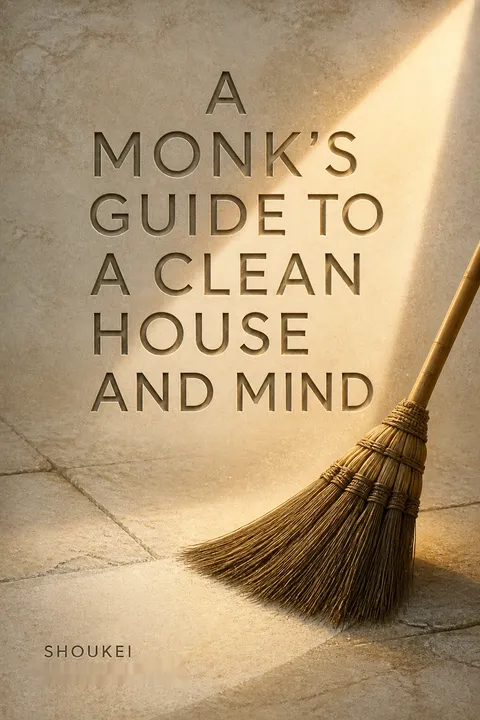
Ideas clave
1. La limpieza como camino hacia la iluminación espiritual
Barrer el polvo es eliminar nuestros deseos mundanos. Fregar la suciedad es liberarnos de los apegos.
La limpieza como meditación. En el budismo Zen, limpiar no es solo mantener el espacio físico, sino una práctica espiritual. Es una forma de meditación en movimiento que ayuda a despejar la mente y cultivar la conciencia. Al concentrarse plenamente en la tarea —ya sea barrer, fregar o pulir—, el practicante aprende a estar presente y a silenciar el ruido interior.
Transformar lo cotidiano. Este enfoque convierte las tareas diarias en oportunidades para el crecimiento personal y la reflexión. Mientras limpias, se te invita a observar tus pensamientos y emociones sin juzgarlos, desarrollando poco a poco una mayor paz interior y claridad. La limpieza se vuelve una metáfora para purificar la mente, donde cada barrido o cada pasada de trapo representa la eliminación del desorden mental y las ideas negativas.
2. La importancia de los rituales y rutinas diarias
La limpieza debe hacerse por la mañana. Hazla como la primera actividad del día.
Estructura para el éxito. Establecer una rutina diaria constante, especialmente comenzando con la limpieza, marca un tono positivo para todo el día. Esta práctica crea un sentido de orden y logro desde el inicio, sentando las bases para la productividad y la atención plena durante tus horas despiertas.
El ritmo de la vida. Los rituales y rutinas regulares:
- Generan estabilidad y previsibilidad
- Reducen la fatiga de tomar decisiones al automatizar tareas
- Permiten el desarrollo de buenos hábitos con el tiempo
- Ofrecen un marco para la autodisciplina y el crecimiento personal
Al incorporar la limpieza en tu rutina diaria, cultivas un hábito de cuidado y atención que trasciende el entorno físico y se extiende a tu bienestar mental y emocional.
3. La atención plena en las tareas cotidianas
Si vives sin cuidado, tu mente se ensuciará; pero si tratas de vivir con conciencia, poco a poco volverá a purificarse.
Conciencia del momento presente. La atención plena consiste en involucrarse plenamente con el aquí y ahora, sin importar la tarea. Al abordar las actividades diarias con atención consciente, puedes transformar incluso las labores más simples en oportunidades para crecer y descubrirte a ti mismo.
Práctica en acción. Aplicar la atención plena en las tareas diarias implica:
- Fijar la atención en los sentidos: sentir el agua en las manos al lavar, el aroma de la ropa limpia o el sonido de la escoba al barrer.
- Observar los pensamientos: notar el estado mental mientras trabajas, reconociendo resistencias o satisfacciones.
- Cultivar la gratitud: valorar la capacidad de cuidar tu espacio y tus pertenencias.
- Encontrar belleza en la simplicidad: apreciar los detalles sutiles del entorno mientras limpias y ordenas.
Al practicar la atención plena en lo cotidiano, desarrollas un mayor aprecio por el presente y cultivas paz y satisfacción en tu vida diaria.
4. El respeto por los objetos y el medio ambiente
Las cosas existen porque todas se relacionan entre sí para sostener su existencia.
Interconexión de todas las cosas. Esta perspectiva Zen subraya la importancia de tratar con cuidado y respeto todos los objetos, por pequeños o insignificantes que parezcan. Al reconocer la naturaleza interconectada del mundo, desarrollamos una apreciación más profunda por los recursos que usamos y el impacto de nuestras acciones en el entorno.
Aplicación práctica:
- Reparar y mantener en lugar de reemplazar
- Usar los recursos con conciencia, evitando el desperdicio
- Elegir calidad sobre cantidad al adquirir objetos
- Practicar una correcta disposición y reciclaje
- Considerar el ciclo de vida de los productos que compras
Cultivando respeto por los objetos y el medio ambiente, fomentas una relación más armoniosa con tu entorno y contribuyes a un modo de vida más sostenible.
5. El poder de la simplicidad y el minimalismo
Quienes persiguen sin cesar cosas nuevas han perdido su libertad ante el deseo terrenal. Solo quienes disfrutan usando la imaginación con recursos limitados conocen la verdadera libertad.
Libertad a través de menos. Abrazar la simplicidad y el minimalismo puede traer mayor paz mental y libertad personal. Al reducir el desorden y enfocarte en lo esencial, creas espacio para la claridad, la creatividad y el crecimiento.
Beneficios de la simplicidad:
- Menos estrés y ansiedad
- Mayor concentración y productividad
- Más tiempo y energía para lo significativo
- Mayor aprecio por lo que tienes
- Creatividad potenciada al trabajar con limitaciones
Simplificar no significa privarte, sino elegir conscientemente lo que aporta valor y soltar lo demás. Esta actitud está en sintonía con los principios Zen de no apego y contentamiento con el presente.
6. Cultivar la gratitud a través del mantenimiento
En cualquier objeto se encuentra el enorme tiempo y esfuerzo invertidos —el ‘corazón’ de quien lo creó.
Apreciar lo ordinario. El mantenimiento regular de tus pertenencias y espacio vital puede fomentar un profundo sentido de gratitud. Al dedicar tiempo a cuidar lo que tienes, valoras más su importancia y el trabajo detrás de su creación.
Gratitud en acción:
- Limpiar y pulir con frecuencia, notando sus cualidades únicas
- Reparar cuando algo se rompe, valorando su utilidad continua
- Agradecer la funcionalidad y belleza de los objetos cotidianos
- Reflexionar sobre la artesanía y labor detrás de tus posesiones
- Compartir objetos bien cuidados, difundiendo alegría y aprecio
Cultivar gratitud mediante el mantenimiento no solo mejora tu relación con las cosas, sino que también contribuye a una visión más positiva de la vida.
7. La conexión entre limpieza física y mental
Si permites que la suciedad que deja el agua, base de la vida, se acumule, también se acumularán impurezas en tu corazón. Por el contrario, si el baño se mantiene limpio, también podrás mantener limpio tu corazón.
Conexión mente-cuerpo. El estado de tu entorno físico suele reflejar e influir en tu estado mental. Mantener la limpieza crea condiciones que favorecen la claridad mental y el bienestar emocional.
Limpieza holística:
- Las rutinas regulares de limpieza ayudan a reducir el estrés y la ansiedad
- Un espacio ordenado promueve mejor concentración y productividad
- Ambientes limpios y organizados mejoran el ánimo y la energía
- Despejar lo físico suele despejar lo mental
- Mantener la limpieza fortalece la autodisciplina y el respeto propio
Reconociendo esta íntima relación entre espacio físico y mental, puedes usar la limpieza y el orden como herramientas para tu crecimiento personal integral.
8. El arte de la hospitalidad y crear espacios acogedores
La hospitalidad comienza con la limpieza.
Energía acogedora. Crear un ambiente limpio, ordenado y agradable es un acto de cuidado no solo para ti, sino para los demás. Prepara el terreno para interacciones positivas, haciendo que los invitados se sientan valorados y cómodos.
Elementos de la hospitalidad:
- Mantener la limpieza en todas las áreas, especialmente las compartidas
- Cuidar detalles como ropa de cama fresca y muebles bien dispuestos
- Crear una atmósfera agradable con iluminación, aromas y decoración
- Anticipar las necesidades de los invitados con elementos esenciales y confort
- Preparar con atención antes de recibir visitas
Dominando el arte de la hospitalidad, fortaleces vínculos y haces de tu hogar un lugar de alegría y renovación para ti y tus invitados.
9. Aceptar las estaciones cambiantes y la impermanencia
Cuando marcas el cambio de estación con un cambio en tu ropa, también puedes renovar tu corazón.
Armonía con la naturaleza. Alinear tu vida con los ritmos naturales de las estaciones aporta equilibrio y renovación. Esta práctica reconoce la naturaleza impermanente de todo y fomenta la adaptabilidad y la atención consciente.
Conciencia estacional:
- Cambia tu vestuario y decoración según la estación
- Ajusta tus rutinas diarias al ritmo energético de cada temporada
- Celebra alimentos y tradiciones propias de cada estación
- Usa los cambios estacionales para reflexionar y fijar metas
- Practica la gratitud por las cualidades únicas de cada estación
Al aceptar las estaciones y la impermanencia, desarrollas mayor resiliencia y aprecio por el momento presente.
10. El enfoque Zen hacia la comida y la alimentación
Conoce cuánto alimento es suficiente. Procura detenerte cuando estés al 80% de saciedad.
Consumo consciente. El enfoque Zen hacia la comida enfatiza la atención plena, la gratitud y la moderación. Al tratar las comidas como un acto sagrado, cultivas una relación más saludable con la alimentación y un mayor aprecio por el sustento que brinda.
Prácticas Zen al comer:
- Expresa gratitud antes y después de cada comida
- Come despacio y con atención, saboreando cada bocado
- Usa ingredientes simples y de calidad
- Controla las porciones para evitar comer en exceso
- Minimiza distracciones para centrarte en la experiencia
Adoptando este enfoque, no solo mejoras tu salud física, sino que también nutres tu bienestar espiritual y tu conexión con el mundo que te rodea.
También leyeron

Preguntas frecuentes
What's "A Monk's Guide to a Clean House and Mind" about?
- Author's Background: The book is written by Shoukei Matsumoto, a Shin-Buddhist monk, who shares insights from his life at Komyoji Temple in Tokyo.
- Core Concept: It explores the connection between physical cleaning and mental clarity, emphasizing that cleaning is a spiritual practice that cultivates the mind.
- Practical Advice: The book provides practical cleaning methods used in Buddhist temples, aiming to help readers apply these techniques in their own homes.
- Philosophical Insights: It delves into Buddhist philosophies, such as the importance of living mindfully and the interconnectedness of all things.
Why should I read "A Monk's Guide to a Clean House and Mind"?
- Mindfulness and Simplicity: The book offers a unique perspective on how cleaning can be a meditative practice that brings simplicity and mindfulness into daily life.
- Cultural Insights: It provides a glimpse into Japanese Buddhist practices and how they can be adapted to modern living.
- Practical Tips: Readers can learn effective cleaning techniques that are both environmentally friendly and spiritually enriching.
- Personal Growth: The book encourages self-reflection and personal growth through the act of cleaning, making it more than just a chore.
What are the key takeaways of "A Monk's Guide to a Clean House and Mind"?
- Cleaning as Meditation: Cleaning is not just about tidying up; it's a form of meditation that helps clear the mind and heart.
- Daily Practice: Consistency in cleaning routines is emphasized as a way to maintain both a clean environment and a clear mind.
- Respect for Objects: The book teaches the importance of respecting and valuing objects, which reflects a respect for people and life.
- Mindful Living: It encourages living in the present moment and appreciating the interconnectedness of all things.
How does Shoukei Matsumoto define "cleaning" in the book?
- More than a Chore: Cleaning is seen as an ascetic practice that goes beyond removing dirt; it's about cultivating the mind.
- Spiritual Practice: It is a way to eliminate gloom and worldly desires, promoting a sense of fulfillment and clarity.
- Cultural Significance: In Japan, cleaning is linked to education and personal development, often practiced in schools and temples.
- Mindful Action: The act of cleaning is a mindful activity that requires attention and care, reflecting one's inner state.
What is the significance of "rubbish" in "A Monk's Guide to a Clean House and Mind"?
- Definition of Rubbish: Rubbish is defined as things that are no longer useful or needed, but nothing starts as rubbish.
- Buddhist Perspective: In Buddhism, everything is interconnected, and nothing has inherent substance; rubbish is created by how we treat things.
- Respect and Gratitude: The book emphasizes the importance of respecting objects and feeling gratitude for their existence and utility.
- Mindful Disposal: It encourages finding new purposes for old items and giving them to others who might need them.
What are the recommended cleaning routines in "A Monk's Guide to a Clean House and Mind"?
- Morning Cleaning: Cleaning should be done in the morning to start the day with a clear mind and a refreshed spirit.
- Evening Tidying: Before bed, tidy up to ensure a fresh start the next day, maintaining a consistent routine.
- Air Out Spaces: Open windows to let in fresh air, which purifies the environment and prepares the mind for cleaning.
- Adapt to Weather: Be mindful of the weather and adjust cleaning tasks accordingly, using rainy days for indoor chores.
How does Shoukei Matsumoto suggest dealing with insects in the book?
- Preventive Cleaning: Regular cleaning prevents insects by removing food sources and breeding grounds.
- Respect for Life: As a Buddhist, Matsumoto emphasizes not harming living creatures and creating environments that deter insects naturally.
- Environmental Adjustments: Ensure good airflow and avoid stagnant water to prevent insect breeding.
- Mindful Coexistence: The book encourages living in harmony with nature, respecting all forms of life.
What is the role of "samue robes" in "A Monk's Guide to a Clean House and Mind"?
- Traditional Attire: Samue robes are traditional work clothes worn by monks during daily chores, symbolizing simplicity and functionality.
- Practical Design: They are designed for ease of movement and are suitable for various tasks, from cleaning to clerical work.
- Seasonal Variations: Different designs are recommended for summer and winter, with features like shorter sleeves or elastic cuffs.
- Cultural Significance: Wearing samue robes is part of the monastic lifestyle, reflecting a commitment to mindful living.
What are "tenugui hand towels" and their significance in the book?
- Traditional Towels: Tenugui are traditional Japanese hand towels used by monks during chores, often wrapped around the head.
- Symbolic Use: They symbolize readiness and mental preparation for tasks, protecting the head and keeping hair clean.
- Practical Benefits: Tenugui dry quickly and are versatile, making them ideal for daily cleaning routines.
- Cultural Heritage: The book highlights the cultural importance of tenugui, linking them to Japanese history and monastic practices.
How does "A Monk's Guide to a Clean House and Mind" address the concept of "mould"?
- Causes of Mould: Mould thrives in environments with little sunlight, poor airflow, and high moisture.
- Prevention Tips: The book advises against keeping unnecessary items and emphasizes the importance of drying items thoroughly.
- Mind-Environment Connection: A cluttered, mouldy space reflects a clouded heart; maintaining cleanliness prevents both physical and mental mould.
- Simple Solutions: Regular cleaning and ensuring good ventilation are key to preventing mould growth.
What are the best quotes from "A Monk's Guide to a Clean House and Mind" and what do they mean?
- "We sweep dust to remove our worldly desires." This quote highlights the spiritual aspect of cleaning, linking it to the removal of mental clutter.
- "Life is a daily training ground." It emphasizes the importance of daily routines and actions in shaping one's character and mind.
- "If your heart is pure, the world looks brighter." This suggests that inner clarity and purity affect one's perception of the world.
- "Don't put it off till tomorrow." A call to action, encouraging readers to address tasks immediately to maintain a clear and focused mind.
How does "A Monk's Guide to a Clean House and Mind" suggest organizing personal items?
- Minimalism: Monks live with minimal possessions, storing items in designated places to avoid clutter.
- Mindful Usage: The book encourages using possessions carefully and listening to their 'voice' to determine their rightful place.
- Routine and Discipline: Regularly returning items to their proper spots fosters discipline and reduces mental clutter.
- Quality over Quantity: Emphasizes owning fewer, high-quality items that are valued and maintained over time.
Descargar PDF
Descargar EPUB
.epub digital book format is ideal for reading ebooks on phones, tablets, and e-readers.








































