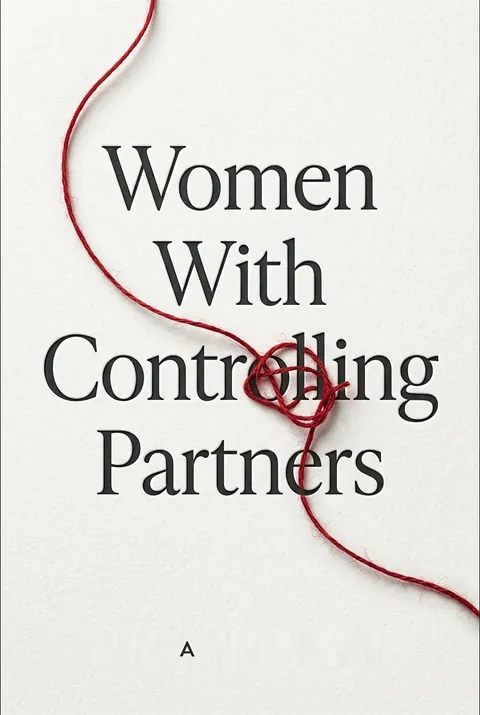

Key Takeaways
1. Psychological Abuse is Hidden, Deeply Harmful, and Often Unrecognized
“Women with controlling partners don’t merely suffer blows to their self-esteem and confidence; they also gradually and insidiously lose their sense of who they are.”
Hidden injuries. Unlike physical abuse, psychological abuse leaves no visible bruises or scars, making it incredibly difficult to identify, even by the person experiencing it. This insidious nature allows it to go undetected, causing profound harm to a woman's sense of self, confidence, and overall well-being. It's a slow, nearly invisible condition of coercion that entraps a woman within her most intimate relationship.
Profound impact. Psychological abuse impacts mental and physical health to the same extent as physical abuse, leading to a multitude of serious issues. Studies show that women experiencing psychological aggression are twice as likely to report physical health problems and are at high risk for:
- Depression and anxiety
- Low self-esteem and self-efficacy
- Post-traumatic stress disorder (PTSD)
- Chronic pain, headaches, and stomach ulcers
Societal blind spot. Despite nearly half of all women in the U.S. experiencing some form of psychological aggression, society often fails to recognize its severity. This denial, sometimes even within prosperous communities, contributes to the problem by making women feel ashamed and isolated, further hindering their ability to seek help or even acknowledge the abuse.
2. Controlling Partners Use Insidious Coercive Tactics to Brainwash You
“From the experiences of a thousand women, brainwashing is the best explanation I’ve come across for what takes place with a controlling partner.”
Coercive persuasion. Controlling partners use manipulative techniques, akin to brainwashing, to gain power and control. These "coercive tactics" are designed to debilitate, create dependency, and instill dread, effectively trapping a woman psychologically within her own home, without the need for physical bars or chains. The abuser exploits vulnerabilities and gradually increases the intensity of control.
Eight tactics. Psychologist Alfred Biderman's "Chart of Coercion," originally for prisoners of war, applies directly to intimate relationships. These tactics, often used in combination, systematically dismantle a woman's autonomy:
- Isolation: Cutting off contact with friends and family.
- Monopolization of Perception: Distorting reality, gaslighting, and invalidating feelings.
- Devaluation and Humiliation: Constant criticism, name-calling, and shaming, often targeting strengths.
- Demonstrating Omnipotence/Superiority: Insisting on being right, making all decisions, and expecting subservience.
- Enforcing Trivial Demands: Setting petty rules with excessive punishment for non-compliance.
- Occasional Indulgences: Turning "nice" after abuse to instill false hope and reconciliation.
- Threats: Implicit or explicit warnings of harm, abandonment, or other negative consequences.
- Induced Debility and Trauma: The cumulative effect of abuse leading to mental and physical exhaustion.
Calculated agenda. These tactics are not random acts of anger but serve a clear agenda: to keep the partner off balance, confused, and compliant. The abuser learns what works through experience, exploiting shared vulnerabilities and past traumas to maintain dominance.
3. Your Self-Esteem and Perception Are Targeted, Leading to Self-Blame and Confusion
“A controlling partner can make her feel crazy when she’s not.”
Eroding self-worth. Controlling partners systematically erode a woman's self-esteem and trust in her own perception. Through constant criticism, gaslighting, and invalidation, they make her question her thoughts, feelings, and sanity. This "crazy-making" behavior is a deliberate tactic to make her doubt herself, making her more susceptible to his control.
Internalized blame. A critical consequence of this abuse is self-blame. Women often internalize their partner's accusations, believing they are responsible for the problems in the relationship or even for the abuse itself. This self-blame acts as a "smoke screen" for the controlling partner, deflecting responsibility from his actions and further entrenching the victim in the abusive dynamic.
Profound losses. Over time, a woman with a controlling partner experiences significant losses to her identity and capabilities. She may transform from:
- Confident to self-doubting
- Independent to dependent
- Grounded to confused and indecisive
- Happy to emotionally exhausted and anxious
- Competent to unsure and incapable
These hidden injuries make it incredibly difficult to recognize the abuse or act in her own best interest, as her internal compass has been severely compromised.
4. The Cycle of Abuse Traps You with False Hope for Change
“When one woman shared that her physically abusive husband “can be the sweetest person,” I responded: “Here lies your biggest obstacle to overcome.””
Predictable pattern. Abusive relationships often follow a cyclical pattern, even without physical violence. This cycle, adapted from Lenore Walker's theory, involves distinct phases that elicit different emotional responses, keeping the victim trapped through a confusing mix of fear and false hope. Understanding these phases is crucial for breaking free.
Three phases of reaction:
- Phase 1: Staying Vigilant (Tension-Building): The partner becomes irritable, impatient, and critical. The victim feels like "walking on eggshells," trying to anticipate and prevent escalation, often blaming herself for the rising tension.
- Phase 2: Feeling Trapped and Terrified (Acute Abuse): The partner's behavior escalates to unpredictable and highly abusive acts, inflicting psychological trauma. This phase is characterized by intense fear, powerlessness, and potential physical or sexual violence.
- Phase 3: Feeling Hopeful for Change (Reconciliation/Honeymoon): After the acute abuse, the partner becomes attentive, apologetic, and loving, making promises to change. This "occasional indulgence" is a manipulative tactic designed to seduce the victim back, instilling false hope and leading her to overlook the previous abuse.
Resisting reconciliation. The "hopeful for change" phase is the most misleading and entrapping. The positive behavior, amplified by apologies and promises, makes it incredibly difficult to hold onto the reality of the abuse. To resist, one must:
- Hold onto the truth of the abuse, even when the partner is "nice."
- Fight against the enticement of false hope, recognizing it as manipulation.
- Separate the partner's blaming accusations from one's own actions.
This constant repetition wears down the victim, making it harder to leave, as the cycle never truly ends.
5. External Influences Can Inadvertently Perpetuate Abuse
“When we as a society deny psychological abuse, we are, in essence, sanctioning the hurtful control over another in intimate relationships.”
Cultural conditioning. Our patriarchal culture, which often empowers men more than women, inadvertently supports controlling partners. Social expectations for women to be unselfish, unassertive caregivers can be exploited by abusers, making it harder for women to challenge their partner's behavior or seek help without being labeled "bitchy" or "selfish."
Systemic denial. The denial of psychological abuse permeates various layers of influence, making it difficult for victims to find understanding and support:
- Family and Friends: May not understand, be critical, or even side with the abuser, especially if cultural norms are strongly reinforced.
- Community: May dismiss abuse in "respectable" communities, contributing to shame and isolation for successful, educated women.
- Religious Practice: Some religious affiliations may reinforce subservience, making it harder for women to leave abusive situations.
- Medical Professionals: Historically, many doctors and nurses failed to inquire about domestic violence, missing opportunities to connect physical ailments to abuse.
- Legal System: While physical abuse is recognized, psychological abuse often lacks legal repercussions, leaving victims without formal protection.
- Mental Health Professionals: Many therapists are unprepared to identify coercive behavior, sometimes even recommending couples therapy which can be counterproductive in abusive dynamics.
Impact on victims. This widespread denial and lack of recognition can make victims feel "crazy" and further isolate them, reinforcing the abuser's narrative. It underscores the importance of finding informed and supportive individuals and resources who validate the experience of psychological abuse.
6. Dating and Commitment Phases Reveal Gradual Escalation of Control
“What is most telling about a controlling partner’s behavior during the courtship is that it changes once a commitment is made.”
Deceptive courtship. During the dating period, a controlling partner often presents as charming, attentive, and even "too good to be true." They deliberately maneuver to win over their target, concealing their controlling tendencies and exploiting vulnerabilities. This "whirlwind romance" can prevent the victim from truly knowing the partner beyond the initial infatuation.
Subtle warning signs. While some courtships show no overt signs of control, others present subtle red flags that are often overlooked or misinterpreted due to the excitement of "falling in love." These can include:
- Excessive gifts or attention: Designed to sweep one off their feet and create obligation.
- Isolation tactics: Always wanting to be alone, discouraging contact with friends/family.
- Lack of social circle: Few or no friends, or unwillingness to introduce them.
- Intense jealousy/possessiveness: Framed as "love" or "caring."
- Subtle criticism or sneering: Early reactions to disagreement that intimidate into silence.
- Rushing commitment: Pressuring for marriage or cohabitation quickly.
Post-commitment transformation. Once a commitment is made (moving in, marriage), the controlling partner's true nature often emerges. What felt like an enjoyable partnership begins to erode as the abuser takes more control, exploiting previously identified vulnerabilities. Communication fades, and the relationship becomes increasingly "all about him," leading to moments of stark realization for the victim.
7. Threats and Physical/Sexual Violence Are Criminal and Require Immediate Safety Planning
“Threats are powerful, intimidating, and can stop you in your tracks and cause you to change your behavior in an instant to protect yourself.”
Pervasive threats. Controlling partners use a wide range of threats to overpower and coerce, from non-physical (abandonment, financial control, reputation damage, child custody threats) to violent (menacing looks, physical intimidation, verbal threats of harm, stalking, weapons, pet abuse, murder threats). These threats are designed to instill fear and anxiety, forcing compliance and restricting the victim's life.
Physical violence. Physical violence, including punching, kicking, shoving, slapping, choking, or using weapons, is a criminal act. It can occur without warning and carries severe risks of injury, disability, or death. Statistics show that nearly one in four women experience severe physical violence by an intimate partner, and the presence of a gun increases homicide risk by 500%. Choking, in particular, is a significant predictor of future homicide.
Sexual violence. Sexual violence or abuse in an intimate relationship is an act of power and control, not sex. It includes any unwilling sexual act, sexual acts where consent cannot be given, or unwanted sexual contact. Often underreported due to shame and fear of retaliation, sexual assault by an intimate partner is as brutal and damaging as assault by a stranger, leading to higher rates of depression, anxiety, and increased homicide risk factors.
Prioritizing safety. Recognizing these dangers is paramount. Safety planning is a critical process to determine steps to minimize harm and protect oneself (and children). This involves:
- Contacting domestic violence hotlines for confidential support and guidance.
- Developing an emergency escape plan, including safe places to go and access to resources.
- Documenting incidents for potential legal protection (protective orders).
- Understanding that physical and sexual violence are illegal and unacceptable, regardless of the partner's denials or blame.
8. You Are Not to Blame; Your Partner Is Solely Responsible for Their Abuse
“Your partner’s abuse is his responsibility and his alone.”
Unwavering truth. There is absolutely nothing about you—your personality, actions, or past—that justifies abuse. Low self-esteem is a result of abuse, not its cause. Your partner abuses you because of his need for control, often influenced by cultural norms, not because of anything you "made him do."
Deflecting responsibility. Controlling partners are masters of blame, constantly shifting fault onto their victims. They distort reality, make convincing arguments, and accuse their partners of provoking their outbursts. This manipulation leads victims to internalize blame, feeling shame, guilt, and even self-hatred, which further entrenches them in the abusive dynamic.
Reclaiming agency. A crucial step in recovery is to fully recognize and accept that your partner is solely responsible for his abusive choices. This shift from self-blame to holding him accountable is liberating. It allows for the emergence of healthy emotions like anger, irritation, or disgust, which serve as vital signals that something is wrong and can fuel the motivation to protect oneself. This realization is a powerful act of deprogramming, freeing the victim from the abuser's distorted narrative.
9. Recovery Involves Reclaiming Your Identity, Trusting Your Judgment, and Setting Boundaries
“The word recover means “the return of something that has been lost” (Merriam-Webster 2016). This book will help you get yourself back and recapture the parts of yourself that you have lost along the way.”
Undoing brainwashing. Recovery is a process of deconstructing the psychological entrapment created by coercive control. It involves actively challenging and replacing the negative beliefs and feelings about oneself that resulted from the abuse. This means:
- Committing to beliefs incompatible with the abuser's accusations.
- Reducing beliefs that support the abuser's narrative.
- Creating new, positive beliefs that reflect one's true self.
Rebuilding self-trust. A core aspect of recovery is regaining trust in one's own judgment and perception, which were systematically eroded by gaslighting and manipulation. This is achieved by:
- Labeling coercive tactics in real-time, creating emotional distance.
- Documenting abusive incidents to ground oneself in reality.
- Reconnecting with pre-relationship strengths and positive self-beliefs.
- Engaging in "reality checks" with trusted individuals to counter the abuser's distortions.
Setting boundaries. As internal strength grows, the ability to set clear boundaries and assert oneself emerges. This doesn't always mean direct confrontation, especially if unsafe, but involves internal resistance and a clear understanding of what is acceptable. Learning to feel and express anger safely is vital, as it signals what feels unfair and motivates self-protection.
10. Deciding to Stay or Leave Requires Strategic Planning and Prioritizing Your Safety and Well-being
“Ultimately, your new strength will help you play an important role in determining what you want and discover what’s possible with your partner.”
Informed decision-making. With newfound awareness and strength, the decision to stay or leave a controlling relationship becomes a conscious choice, prioritizing one's own well-being and safety. This involves:
- Clarifying legal rights and options, especially regarding divorce, child custody, and protective orders.
- Assessing the partner's willingness and capacity for genuine change, which is rare and requires specialized treatment for abusers.
- Understanding that a truly successful relationship requires shared power, mutual influence, and respect, which is impossible with an actively controlling partner.
Creating a context for change. If choosing to stay, the partner must be given a clear ultimatum and consequences for continued abuse. This "context for change" requires the abuser to:
- Take full ownership and responsibility for his abuse.
- Develop empathy for the harm caused.
- Commit to specialized treatment programs for abusive men, not just couples therapy.
- Demonstrate sustained behavioral change over time.
Strategic departure. If leaving is the chosen path, it must be planned carefully, as this can be the most dangerous time. Key steps include:
- Developing a comprehensive safety plan with a domestic violence advocate.
- Securing financial resources and safe housing.
- Limiting contact post-separation, especially if co-parenting, using structured communication methods like email.
- Seeking ongoing emotional support to navigate the grief, fear, and potential challenges of co-parenting with an ex-abuser.
Regardless of the decision, continued recovery, self-care, and building a life free from coercion are paramount.
People Also Read






Download PDF
Download EPUB
.epub digital book format is ideal for reading ebooks on phones, tablets, and e-readers.








































