
Plot Summary
Struggling Artist Discovers Photograph
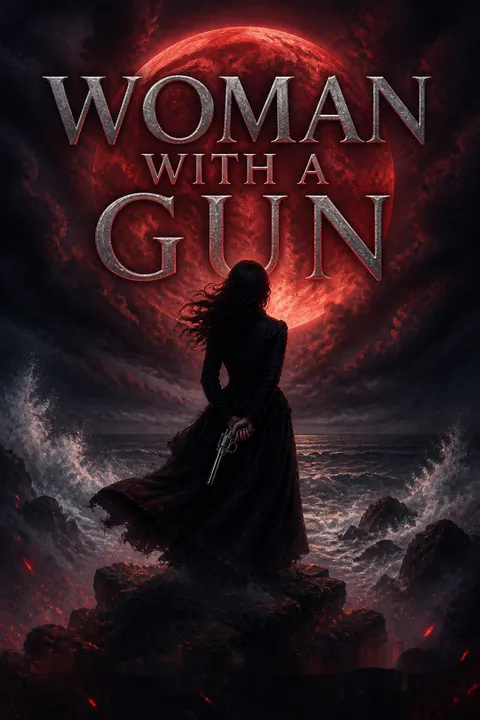
Stacey Kim, a disillusioned MFA graduate and aspiring novelist, toils as a receptionist in a New York law firm, her creative spark all but extinguished. On a lunch break, she stumbles upon a photography exhibit at MoMA and is transfixed by Kathy Moran's Pulitzer-winning "Woman with a Gun"—a haunting image of a bride on a moonlit beach, holding an antique revolver behind her back. The photograph's enigmatic story electrifies Stacey, reigniting her creative ambition. She becomes obsessed with uncovering the real events behind the image, convinced that solving its mystery will provide the plot for her long-stalled novel. This moment marks the beginning of Stacey's journey from passive observer to active investigator, setting her on a collision course with the secrets of Palisades Heights.
The Cahill Wedding Night
In 2005, wealthy businessman Raymond Cahill marries Megan, a beautiful woman with a complicated past. Their wedding in Palisades Heights is the event of the season, but the celebration turns to horror when, hours after the reception, Raymond is found murdered in his seaside home. Megan is discovered on the beach in her wedding dress, dazed and holding an antique revolver—later identified as the murder weapon. She claims amnesia, unable to recall the events between leaving the reception and being found by local photographer Kathy Moran. The shocking juxtaposition of love, violence, and mystery on a single night sets the stage for a complex investigation, with Megan at its troubled center.
Crime Scene and Suspicions
Jack Booth, a seasoned prosecutor, is called in to assist the local DA, Teddy Winston, and detective Archie Denning. The crime scene is a study in contradictions: Cahill's den is a mess of blood and broken glass, but the rest of the house is untouched. The vault containing Cahill's prized collection of coins, stamps, and antique firearms has been looted, suggesting a robbery gone wrong. Megan's amnesia and the fact she was found with the murder weapon make her both a victim and a prime suspect. The investigators are forced to consider whether Megan is a traumatized bystander, a cunning killer, or an accomplice in a larger scheme.
Megan's Amnesia and Defense
Megan Cahill's inability to remember the night's events becomes both her shield and her curse. She hires local attorney Henry Baker, who, despite his lack of experience with capital cases, is drawn to her vulnerability and beauty. Megan's past—her messy divorce from ex-football player Parnell Crouse, rumors of gold-digging, and her sudden inheritance—fuels public suspicion. As the investigation stalls, Megan's amnesia frustrates both her defenders and her accusers, leaving her isolated and increasingly desperate. The legal and emotional stakes escalate as the town and the media circle around her, hungry for answers.
The Gun Collector's Vault
Frank Janowitz, Cahill's curator, confirms that the revolver Megan held is a Schofield .44 Smith & Wesson, possibly once owned by Wyatt Earp. The vault's missing items—rare coins, stamps, and guns—point to a thief with specialized knowledge. The choice of an antique gun as the murder weapon is bizarre, raising questions about the killer's motives and access. The investigation broadens to include Cahill's business rivals, jealous exes, and the possibility of an inside job. The vault becomes a symbol of both Cahill's obsessions and the secrets that may have led to his death.
Intertwined Pasts Revealed
As Jack Booth and the team dig deeper, they uncover a web of connections: Kathy Moran, the photographer, is a former lawyer with a troubled history involving drugs and a notorious criminal, Gary Kilbride. Megan's ex-husband, Parnell Crouse, is a violent man with a grudge. Cahill's business partner, Kevin Mercer, and disgruntled client Armand Tuttle add to the list of those with possible motives. The investigation is further complicated by the revelation that several key players—Kathy, Megan, and Cahill—share overlapping histories, secrets, and traumas that muddy the line between victim and perpetrator.
The Kilbride Disaster
Flashbacks reveal Jack Booth's earlier career in Portland, where he prosecuted Gary Kilbride, a sadistic drug dealer. Kathy Moran, then a young defense attorney, outmaneuvered Jack in court but was later revealed to be addicted to cocaine and entangled with Kilbride. Her fall from grace, subsequent rehabilitation, and move to Palisades Heights as a bartender and photographer add layers to her enigmatic presence in the current case. The unresolved violence and manipulation of the Kilbride affair echo in the present, suggesting that old wounds and vendettas may be driving new crimes.
Kathy's Downfall and Redemption
Kathy Moran's life is a study in contrasts: brilliant, beautiful, and creative, yet self-destructive and haunted by her past. After her legal career implodes, she finds solace and purpose in photography, eventually capturing the iconic "Woman with a Gun." Her image becomes both her redemption and her curse, catapulting her to fame but also tying her forever to the night of Cahill's murder. Kathy's relationships—with Jack, with the town, and with her own demons—are fraught with ambiguity, making her both a witness and a potential suspect as the story unfolds.
The Investigation Deepens
Years pass, but the Cahill case remains unsolved. Stacey Kim, now living in Oregon, becomes increasingly obsessed with the mystery, determined to write a novel that will finally reveal the truth. As she interviews the original investigators, lawyers, and townspeople, she uncovers inconsistencies and hidden connections. Megan's sudden death—stabbed in her own home—reignites the investigation and raises the stakes. The theft of Kathy's photographs from a gallery exhibit, and a series of break-ins and attacks, suggest that someone is desperate to keep the past buried.
Shadows from the Past
Stacey's research uncovers a shocking link: Kathy Moran's parents were murdered in a robbery in Arlington, California, when she was twelve. Among the items stolen was a Schofield revolver—possibly the same gun used to kill Cahill. This revelation reframes Kathy's entire life, suggesting a motive for revenge and a hidden connection to Cahill. As Stacey digs deeper, she becomes the target of a violent attack, barely surviving an attempted murder. The line between investigator and victim blurs, and the true cost of obsession becomes clear.
The Gallery and the Gun
At a gallery opening for Kathy's work, Megan Cahill is visibly shaken by a photograph that appears to show her ex-husband, Parnell Crouse, in a bar. Moments later, Megan flees and is found dead the next day. The theft of specific photographs from the exhibit suggests a cover-up. Jack Booth, piecing together the visual clues, realizes that the angle of "Woman with a Gun" contradicts Kathy's account of the night—implying she was at the scene before Megan appeared on the beach. The photograph, once a symbol of mystery, becomes the key to unraveling the entire case.
Stacey's Obsession Ignites
Stacey's determination to solve the case and write her novel leads her into direct conflict with Kathy Moran. As she uncovers the truth about Kathy's childhood, her connection to Cahill, and her possible involvement in multiple murders, Stacey becomes a target. A failed break-in at her home and a near-fatal stabbing in California make it clear that someone will kill to keep the past hidden. Stacey's journey from curious outsider to central player in the drama underscores the dangerous power of art, memory, and truth.
Revisiting Palisades Heights
With the evidence mounting, Jack Booth confronts Kathy Moran about her connection to Parnell Crouse and the inconsistencies in her story. Kathy, cornered, confesses to orchestrating the murder of Raymond Cahill as revenge for her parents' deaths, enlisting Crouse as her accomplice. She admits to killing Crouse and Megan to cover her tracks, and to manipulating events to frame others. The iconic photograph, "Woman with a Gun," is revealed as both a work of art and a silent confession—a record of the moment before everything changed.
The Unsolved Mystery Lingers
Kathy, unable to face arrest and public exposure, takes her own life with a heroin overdose. The case is finally closed, but the resolution is bittersweet. Jack Booth, who had loved and defended Kathy, is left questioning the nature of truth, justice, and love. Stacey, traumatized but triumphant, turns her experience into a bestselling true crime book, forever linking her fate to the photograph that started it all. The town of Palisades Heights, and all those touched by the case, are left to grapple with the legacy of violence, art, and the secrets that refuse to die.
Megan's Sudden Death
Megan Cahill's murder, a decade after her husband's, shocks Palisades Heights and reignites the investigation. Stacey Kim, now deeply involved, discovers that Megan's death is linked to the original crime and to the stolen photographs. The method of her murder—stabbed and pushed over a balcony—suggests both personal animosity and a desire to silence her. The community is forced to confront the possibility that the killer has been among them all along, hiding in plain sight.
The Photographer's Secret
As evidence mounts, Kathy Moran's carefully constructed persona begins to unravel. Her traumatic childhood, her relationship with Crouse, and her obsession with revenge come to light. The iconic photograph is revealed to be both a masterpiece and a lie, its perspective exposing Kathy's presence at the scene of the crime. Her confession to Jack Booth is both chilling and tragic, revealing a woman driven by pain, artistry, and a desperate need for closure. Kathy's suicide is both an escape and an admission, leaving those who loved her to pick up the pieces.
The Final Confrontation
Jack Booth's confrontation with Kathy is the emotional climax of the story. Torn between love, duty, and horror, Jack must choose between protecting Kathy and seeking justice. Kathy's confession, her attempt to kill Jack, and her ultimate decision to let him go are fraught with ambiguity and pain. The resolution is not a triumph but a reckoning, as all involved are forced to confront the consequences of their actions and the limits of forgiveness.
Truth, Justice, and Art
In the aftermath, Stacey Kim publishes her book, transforming personal trauma into public narrative. The town, the investigators, and the survivors are left to reflect on the nature of truth, the power of art, and the enduring impact of violence. The photograph "Woman with a Gun" remains, both a masterpiece and a monument to the secrets it concealed. The story ends not with easy answers, but with the recognition that some mysteries, once solved, leave scars that never fully heal.
Analysis
"Woman with a Gun" is a meditation on the intersection of art, trauma, and justice. At its core, the novel asks whether truth can ever be fully known, and whether the pursuit of truth is worth the personal cost. The iconic photograph at the heart of the story is both a work of art and a silent confession, embodying the ambiguity and complexity of human motivation. The novel explores the ways in which past violence reverberates through lives and communities, shaping destinies and distorting memories. Through its layered narrative, flawed characters, and refusal to offer easy answers, the book challenges readers to consider the limits of justice, the dangers of obsession, and the redemptive (and destructive) power of storytelling. In the end, "Woman with a Gun" is less about solving a crime than about understanding the wounds that drive us—and the art we create to make sense of them.
People Also Read

Characters
Stacey Kim
Stacey is a young, ambitious writer whose creative block is shattered by her encounter with "Woman with a Gun." Her journey from passive observer to active investigator is marked by determination, vulnerability, and courage. Stacey's outsider status allows her to ask questions others avoid, but her obsession puts her in danger as she becomes a target for those desperate to keep the past hidden. Her psychological arc is one of transformation—from self-doubt to self-assertion, from naivety to hard-won wisdom. Her relationships with Glen Kraft and the townspeople ground her, but her relentless pursuit of the truth is both her gift and her curse.
Kathy Moran
Kathy is a complex figure: once a brilliant lawyer, then a disgraced addict, and finally a celebrated photographer. Her traumatic childhood—the murder of her parents and the theft of her father's prized revolver—shapes her adult life. Kathy's artistry is inseparable from her pain; her iconic photograph is both a confession and a mask. Her relationships are fraught with ambiguity: she is both victim and perpetrator, muse and murderer. Kathy's psychological profile is marked by intelligence, creativity, and a deep well of unresolved rage and grief. Her ultimate confession and suicide are both acts of self-destruction and attempts at redemption.
Jack Booth
Jack is a seasoned attorney whose career is defined by ambition, competitiveness, and a need for control. His entanglement with Kathy Moran—first as adversary, then as lover and defender—forces him to confront his own limitations and vulnerabilities. Jack's psychological journey is one of disillusionment: his faith in the law, in love, and in himself is tested by the ambiguities of the case and the people involved. His final confrontation with Kathy is both a professional and personal reckoning, leaving him changed and uncertain about the nature of justice and intimacy.
Megan Cahill
Megan is the quintessential femme fatale: stunning, intelligent, and perpetually under suspicion. Her past—marked by a messy divorce, accusations of gold-digging, and a string of wealthy lovers—makes her both a target and a suspect. Megan's amnesia, real or feigned, is both a defense mechanism and a narrative device, keeping her at the center of the mystery. Her eventual murder, years after her husband's, suggests that she knew more than she revealed, and her death is both a silencing and a catalyst for the final unraveling of the case.
Henry Baker
Henry is a small-town attorney whose life is upended by his involvement in the Cahill case. His infatuation with Megan, his struggles with depression and alcoholism, and his sense of professional inadequacy make him a sympathetic but flawed figure. Henry's loyalty to Megan is both noble and self-destructive, blinding him to her possible guilt and to his own limitations. His presence at key moments in the story adds emotional depth and complexity to the legal and personal dynamics at play.
Glen Kraft
Glen is Henry Baker's associate and later partner, a competent but unremarkable lawyer whose life is transformed by his relationship with Stacey Kim. Glen's steadiness, kindness, and willingness to support Stacey's quest for the truth make him a grounding presence in the narrative. His own journey—from small-town dissatisfaction to personal fulfillment—mirrors Stacey's, and their partnership provides a counterpoint to the more destructive relationships in the story.
Archie Denning
Archie is the state police detective assigned to the Cahill case. His methodical approach, skepticism, and experience make him a stabilizing force in the investigation. Archie's ability to see through red herrings and focus on the evidence is crucial to the eventual resolution of the case. His interactions with Jack, Teddy Winston, and the other investigators highlight the challenges of small-town policing and the complexities of high-profile crimes.
Teddy Winston
Teddy is the local district attorney whose lack of experience and confidence is exposed by the complexity of the Cahill case. His reliance on outside help, his fear of powerful defense attorneys, and his political anxieties make him both a sympathetic and a somewhat comic figure. Teddy's journey is one of survival—trying to do his job in the face of overwhelming odds and public scrutiny.
Gary Kilbride
Kilbride is a violent drug dealer whose past crimes and manipulations haunt several characters, especially Kathy Moran. His release from prison and subsequent death at Kathy's hands are both a resolution of old traumas and a trigger for new violence. Kilbride's presence in the narrative is a reminder of the enduring power of evil and the ways in which past sins can reverberate through the lives of others.
Parnell Crouse
Crouse is Megan's ex-husband, a former football player whose career and life are derailed by injury, addiction, and violence. His involvement in the Cahill murder—whether as perpetrator, accomplice, or scapegoat—is central to the mystery. Crouse's own death, on a remote logging road, is both a loose end and a clue, suggesting that he was manipulated by forces beyond his control.
Plot Devices
Nonlinear Narrative and Multiple Timelines
The novel employs a nonlinear structure, weaving together events from 2000, 2005, and 2015. Flashbacks, interviews, and shifting points of view allow the reader to piece together the mystery alongside the characters. This structure creates suspense, allows for dramatic irony, and emphasizes the enduring impact of past traumas on present actions.
The Photograph as Central Symbol
"Woman with a Gun" is more than a plot device—it is the story's central symbol, representing mystery, memory, and the power of art to both reveal and conceal truth. The photograph's perspective, content, and context become key to unraveling the mystery, and its public display both immortalizes and indicts its creator.
Unreliable Narration and Amnesia
Megan's amnesia, Kathy's selective storytelling, and the gaps in the official record create an atmosphere of uncertainty. The reader, like the investigators, must question every account, every motive, and every piece of evidence. This device heightens suspense and underscores the theme that truth is often elusive and subjective.
Foreshadowing and Red Herrings
The narrative is rich with foreshadowing—subtle hints about characters' pasts, the significance of the gun, and the connections between seemingly unrelated events. Red herrings, such as the focus on Megan's guilt or the possibility of a random robbery, keep the reader guessing and maintain narrative tension.
The Writer as Detective
Stacey Kim's quest to write a novel about the case becomes a parallel investigation, blurring the lines between fiction and reality. Her outsider perspective allows her to see what others miss, but her involvement also puts her in danger. This device allows the novel to comment on the nature of storytelling, the ethics of true crime, and the power of narrative to shape reality.
Download PDF
Download EPUB
.epub digital book format is ideal for reading ebooks on phones, tablets, and e-readers.








































