
Plot Summary
Arrival in Minneapolis Shadows
Holger Rudi, a Norwegian writer, arrives in Minneapolis under the guise of researching a novel, but his true purpose is to unravel the psychology behind a series of murders that occurred six years prior. The city, changed by time and tragedy, is a landscape of both nostalgia and unease. Holger's observations—of empty streets, the aftermath of George Floyd's murder, and the quiet tension—set the stage for a story that is as much about America's wounds as it is about a single crime. He is determined to get inside the mind of a killer, to understand the human beneath the inhuman, and to confront the question: could that have been me?
Crosshairs and Consequences
In 2016, a man waits in a Jordan projects apartment, rifle trained on Marco Dante, a notorious gun dealer. The city below is bleak, its inhabitants numbed by poverty and violence. The sniper's meticulous preparation is matched by his emotional detachment—until the shot is fired, and Dante falls, not dead but wounded. The killer's escape is methodical, but the act leaves him trembling, haunted by memories of family and loss. The city's indifference to violence is palpable, and the killer's own sense of being already dead foreshadows the unraveling to come.
Dinkytown Confessions
Holger, in the present, retraces the killer's steps to Dinkytown, a student enclave once full of promise and now sanitized. He tries to inhabit the mind of the murderer, to reconstruct the morning of the shooting, and to imagine the conversations and choices that led to violence. The city's layers—its bohemian past, its gentrified present—mirror the layers of memory and guilt that Holger seeks to peel back.
One-Night Bob's Descent
Detective Bob Oz, known as "One-Night Bob" for his former womanizing, is now a man adrift—divorced, drinking, and haunted by loss. His banter with bartender Liza is laced with pain and self-deprecation. When he's called to the Jordan shooting, his cynicism and anger are on full display. Bob's personal failures bleed into his work, and his inability to connect—except through fleeting, transactional encounters—sets him on a collision course with both the case and his own demons.
Exit Wounds and Entrances
Bob arrives at the Jordan projects, where Dante lies bleeding but alive. The neighborhood's decay and violence are a stark backdrop to Bob's investigation. He clashes with colleagues, navigates the indifference of witnesses, and finds clues—a rifle case, insulin, a taxidermist's card—that hint at the killer's identity. The encounter with Mrs. White, a neighbor who sees the humanity in the suspect, challenges Bob's assumptions and deepens the story's moral ambiguity.
Ghosts of City Hall
Holger visits Minneapolis City Hall, a building heavy with history and symbolism. The ghosts of past injustices—public executions, police violence—linger in its halls. The Homicide Department, haunted by its own failures, is the nerve center of the investigation. Holger's research blurs the line between fact and fiction, as he seeks to give life to the "ghost" seen on surveillance footage, and to understand the ripple effects of violence across generations.
Homicide Unit Fractures
Bob's return to the Homicide Unit is fraught with tension. He is marginalized by his superiors, mocked by colleagues, and tormented by memories of his lost daughter and failed marriage. Superintendent Walker, himself shaped by a legacy of activism and disappointment, tries to keep the unit together as the case grows more complex. The investigation into Tomás Gomez, the suspect, is hampered by bureaucracy, prejudice, and the detectives' own emotional baggage.
Wolf Among Wolves
Bob's investigation leads him to Dr. Egeland, who reveals that Gomez is marked by gang tattoos and a wolf motif. The "wolf" is both a literal and symbolic presence—a lone avenger shaped by trauma. The killer's past, as a victim of gang violence and systemic neglect, comes into focus. Bob's interviews with Dante, the wounded gun dealer, and with street informants, paint a picture of a man driven by loss, rage, and a desire for retribution.
Crying in the Dark
Both Bob and the killer are haunted by the cries of lost children—real and imagined. Bob's visit to his former home, now occupied by his ex-wife Alice and her new partner, is a moment of raw pain and humiliation. The killer's attempt to finish off Dante at the hospital is thwarted by chance and the presence of police. The city's indifference to suffering is mirrored in the personal isolation of its characters.
Rushing Sounds, Broken Men
Bob's anger boils over in a confrontation with a man who accuses him of seducing his wife. The ensuing fight is brutal, a manifestation of Bob's self-loathing and inability to break the cycle of violence. The killer, meanwhile, is plagued by doubts about his mission, but is driven on by memories of his murdered family and the need for closure. Both men are trapped by their pasts, unable to find peace.
Liza and the Lonely Heart
Liza, the bartender, emerges as a voice of empathy and resilience. Her own struggles—with single motherhood, disability, and trauma—mirror those of the men around her. Her interactions with Bob offer a glimmer of hope, a possibility of connection and healing. Yet both are wary, scarred by past betrayals and the fear of vulnerability.
Hanson's Choices
Detective Olav Hanson, a relic of an older, more corrupt era, is confronted by his own bad choices. His encounter with a would-be teenage robber is a moment of unexpected mercy, but also a reminder of the thin line between law and lawlessness. Hanson's past involvement with criminal gangs, and his nickname "Milkman," hint at deeper rot within the police force.
Radica 20Q Nights
Bob's nights are filled with insomnia, self-recrimination, and the futile search for answers—symbolized by the Radica 20Q toy he once gave his daughter. The city's violence, the failures of the justice system, and the randomness of fate weigh heavily on him. The killer, too, is restless, driven by a compulsion to complete his mission even as doubt gnaws at him.
Downtown Taxidermy
Bob's visit to Town Taxidermy introduces Mike Lunde, a craftsman who preserves the dead for the living. The process of taxidermy becomes a metaphor for the novel's central themes: the desire to freeze time, to hold on to what is lost, and the dangers of living in the past. Lunde's empathy for his clients, and his own hidden pain, foreshadow the story's final revelations.
The Art of Stuffing
Lunde explains the philosophy of taxidermy—how it is less about recreation than about storytelling, about creating a fiction that feels truer than fact. The uncanny lifelikeness of the animals, the importance of the eyes, and the act of idealization all echo the characters' struggles to make sense of their own losses. The line between art and pathology, between preservation and obsession, grows thin.
Alice and the Abyss
Bob's ex-wife Alice, a psychologist, is both a source of wisdom and a reminder of what he has lost. Their conversations about loneliness, trauma, and the impossibility of moving on are raw and honest. Alice's new pregnancy is a bittersweet symbol of renewal and the passage of time. Bob's inability to let go, his stalking of memories, and his self-destructive impulses are laid bare.
Amigo and the Past
Bob's street-level investigation uncovers the legend of Lobo, a cartel enforcer turned avenger. The stories of violence, betrayal, and survival are both mythic and mundane. The city's criminal underworld is a mirror of its official institutions—ruthless, self-serving, and indifferent to collateral damage. The past refuses to stay buried, and the cycle of revenge grinds on.
Milkman's Debt
Hanson's past as "Milkman," a cop on the take, comes back to haunt him when he is contacted by Die Man, a gang boss. The demand is clear: silence Lobo before he can talk. Hanson's moral compromises, his regrets, and his survival instinct are all on display. The river, a symbol of the city's darkness, becomes the stage for reckoning.
Four Hundred Yards
The killer, obsessed with getting it right, practices at a shooting range, perfecting the shot that will bring justice—or vengeance. The technical details of marksmanship are a metaphor for the emotional calculations that drive him. The city's gun culture, its rituals and rationalizations, are laid bare.
The Eyes Have It
Bob and Lunde discuss the importance of eyes—in taxidermy, in art, in life. The ability to see, to recognize loneliness, pain, and loss in another, is both a gift and a curse. The killer's ability to move unseen, to wear masks both literal and figurative, is contrasted with the detectives' blindness to the truth.
Southdale Mall Memories
Holger's visit to Southdale Mall is a meditation on the promises and failures of America. The mall, once a symbol of abundance and possibility, is now a relic of a vanished era. The city's transformation mirrors the characters' own journeys from innocence to disillusionment.
The Desert of Loss
The killer's sense of isolation is overwhelming, but it is also the engine of his actions. The emptiness of the parking lot, the routine of the intended victim, and the killer's meticulous planning all speak to a world where connection is fleeting and violence is a way to assert meaning.
Wheel of Fortune
Bob's attempts to reach out—to old lovers, to colleagues, to anyone—are met with rejection or indifference. The randomness of fate, the spinning of the wheel, is both a comfort and a curse. The city's violence is mirrored in the violence of personal relationships.
Recoil and Reflection
The killer strikes again, this time with deadly precision. The city's response is chaotic, with multiple agencies vying for control and the media circling like vultures. Bob and Kay Myers, his only true ally, struggle to make sense of the pattern, to find the connection between the victims, and to stop the next killing.
Night-Vision Pursuit
The pursuit of the killer moves into the city's skyways and shopping malls, a labyrinth of surveillance and blind spots. The killer's ability to evade capture, to manipulate the system, and to play cat and mouse with the police is both thrilling and terrifying. The city becomes a character in its own right—a maze of secrets and dangers.
Skyways: The Hunt
The police, led by Hanson and Kay, close in on the suspect in the Track Plaza shopping center. The tension is palpable, the risks high. The killer's escape through the ventilation system is a masterstroke of planning and improvisation, leaving the police humiliated and the public fearful.
Skyways: The Escape
The killer's use of disguise—literal masks, stolen identities, and the manipulation of surveillance—allows him to slip through the city's fingers. The police, focused on the wrong suspect, are outwitted at every turn. The theme of invisibility, of being seen and unseen, is central.
Feeling Minnesota
Bob and Kay, both exhausted and demoralized, find solace in each other's company. Their conversation about guns, violence, and survival is a microcosm of the novel's larger debates. The city's divisions—racial, economic, generational—are laid bare. The possibility of healing, of moving forward, is fragile but real.
Death Penalty
The question of the death penalty—legal, moral, and personal—runs through the story. Bob and Lunde debate the meaning of justice, the possibility of forgiveness, and the dangers of living in the past. The killer's actions are both a protest and a cry for help, a demand to be seen and understood.
The Password
Bob's investigation, aided by Liza and Kay, uncovers the truth about the killer's identity and motives. The use of passwords, codes, and hidden messages is both literal and symbolic. The past, long buried, is brought to light, and the connections between the characters are revealed.
The Rage of Abandonment
Alice, Bob's ex-wife, explains the psychology of trauma—the rage of abandonment that drives people to extremes. The killer's actions are rooted in loss, in the shattering of the self, and in the inability to move on. The story's emotional core is laid bare: the longing for connection, the pain of separation, and the hope for redemption.
White and the House of Horrors
Kay's discovery of the "house of horrors" in the woods, filled with grotesque taxidermy and the flayed body of Tomás Gomez, is a moment of horror and revelation. The real killer is unmasked: Mike Lunde, the taxidermist, who has been using Gomez's face and hands as a disguise. The story's themes of identity, memory, and the dangers of living in the past come to a head.
Lobo Unmasked
The police, now aware of Lunde's true identity, race to stop him before he can complete his masterpiece—a public act of violence meant as both protest and revenge. The city is on lockdown, the stakes are life and death. Bob, the only one who truly understands Lunde, is the last hope for a peaceful resolution.
The Masterpiece
Lunde's final act is both a work of art and a cry of despair. He takes the mayor's family hostage, not to kill them, but to make a point about the consequences of gun culture and the cycle of violence. Bob, unarmed and vulnerable, negotiates their release and confronts Lunde in a moment of shared understanding and grief. The story ends not with triumph, but with the recognition of shared humanity and the possibility of healing.
Kentucky Fried Hero
Bob is hailed as a hero, but the cost is high. The city, the police, and the media all seek to spin the story to their own ends. Kay, now poised for promotion, reflects on the compromises and trade-offs required by power. The cycle of violence is not broken, but there is hope for change.
Cashmere and Closure
Bob's reconciliation with Alice, his tentative romance with Liza, and his decision to leave the police force are moments of closure and renewal. The city, scarred but resilient, moves on. The story's final scenes are quiet, intimate, and full of hard-won wisdom.
Departure and Legacy
Holger, the writer, reflects on the story's aftermath and the lessons learned. The characters' fates—Kay's promotion, Walker's illness, Bob's new life—are sketched in brief. The story ends with a meditation on the power of fiction to reveal truth, the importance of memory, and the enduring hope for love and connection in a broken world.
Analysis
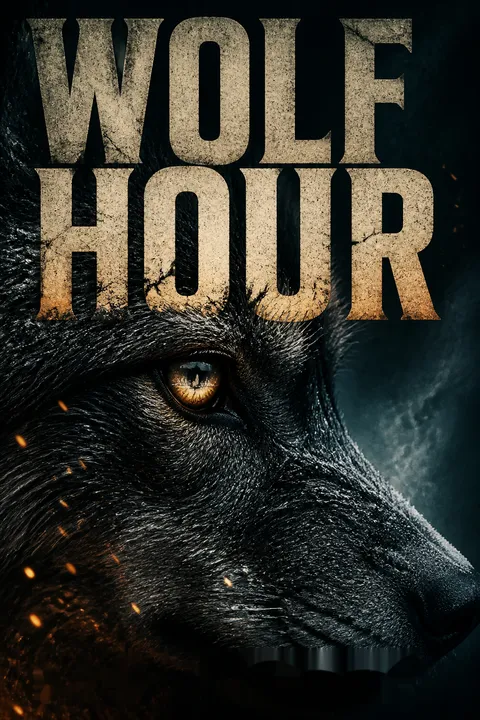
A meditation on grief, violence, and the search for meaningWolf Hour is more than a crime novel—it is a profound exploration of the ways trauma shapes individuals and societies. Through its intricate plot, complex characters, and layered symbolism, the book asks what it means to survive loss, to seek justice, and to find connection in a world marked by violence and indifference. The story's use of taxidermy as a central metaphor—preserving the dead, idealizing the past, and the dangers of refusing to move on—resonates on both personal and societal levels. The novel critiques the cycles of revenge and the failures of institutions, but it also offers hope: in empathy, in the possibility of change, and in the small acts of kindness that allow people to begin again. Ultimately, Wolf Hour is a story about the cost of holding on, the courage required to let go, and the enduring human need for love, understanding, and redemption.
Review Summary
Wolf Hour by Jo Nesbø receives an overall rating of 3.97/5. Reviewers praise this standalone thriller set in Minneapolis, featuring detective Bob Oz investigating serial sniper killings across 2016 and 2022 timelines. Many appreciate Nesbø's exploration of American gun violence, trauma, and moral complexity. Bob Oz, described as a brilliant but troubled detective with anger issues, draws comparisons to Harry Hole. While most find the pacing fast and twists satisfying, some readers found it slow or boring. The novel's psychological depth and unexpected ending particularly impressed fans, though a few were disappointed compared to Nesbø's earlier work.
Characters
Bob Oz
Bob Oz is the emotional core of the novel—a homicide detective whose life has been shattered by the accidental death of his daughter and the subsequent collapse of his marriage. His nickname, "One-Night Bob," hints at a past of womanizing and bravado, but the man we meet is deeply wounded, angry, and adrift. Bob's relationships—with ex-wife Alice, with bartender Liza, with his colleagues—are marked by longing and self-sabotage. His journey is one of painful self-examination, as he confronts his own capacity for violence, his failures as a husband and father, and his desperate need for connection. Through the case, Bob finds a measure of redemption—not by solving the crime, but by understanding the humanity of both victim and killer, and by choosing empathy over vengeance.
Mike Lunde / Tomás Gomez
Mike Lunde, the taxidermist, is the novel's most complex figure—a man who has lost everything to senseless violence and is driven to become both avenger and artist. By assuming the identity of Tomás Gomez, he enacts a series of murders that are both personal and political, targeting those he holds responsible for the cycle of violence that destroyed his family. Lunde's mastery of disguise, his empathy for the dead, and his philosophical musings on art and memory make him both sympathetic and terrifying. His ultimate act—a public hostage drama meant to force society to confront its own complicity—reveals a man desperate to be seen, understood, and to give meaning to his pain. Lunde's psychological unraveling is both a cautionary tale and a plea for compassion.
Kay Myers
Detective Kay Myers is Bob's closest ally and moral compass. A Black woman from Chicago's Englewood neighborhood, Kay has survived her own traumas and risen through the ranks by sheer competence and integrity. Her empathy, intelligence, and refusal to play office politics make her both respected and isolated. Kay's relationship with Bob is one of mutual respect and unspoken understanding—they are both outsiders, both haunted, both searching for justice in a broken system. Her eventual promotion to head of Homicide is both a personal victory and a testament to the possibility of change.
Alice
Alice, Bob's ex-wife, is a psychologist whose professional insights into trauma and loneliness are matched by her own struggles with grief and loss. Her relationship with Bob is fraught—marked by love, anger, and the shared wound of their daughter's death. Alice's new pregnancy is a bittersweet sign of renewal, and her willingness to forgive and move forward offers a model of resilience. She is both a mirror for Bob's pain and a beacon of what is possible beyond it.
Liza Hummels
Liza, the bartender, is a survivor—of disability, single motherhood, and past trauma. Her sharp wit and no-nonsense attitude mask a deep well of empathy and strength. Liza's interactions with Bob are a lifeline for both, offering the possibility of connection and healing in a world marked by loss. Her journey from wary acquaintance to partner is a testament to the power of small acts of kindness and the courage to trust again.
Olav Hanson ("Milkman")
Hanson is a relic of an older, more compromised police force—a man whose bad choices have left him bitter, isolated, and vulnerable. His past as "Milkman," a cop on the take, comes back to haunt him when he is blackmailed into silencing Lobo. Hanson's final fate—murdered and displayed as a grotesque trophy—is both a reckoning and a commentary on the costs of moral compromise.
Brenton Walker
Superintendent Walker is a man caught between his ideals and the realities of power. The son of activists, he has tried to reform the police from within, but is worn down by bureaucracy, politics, and the failures of the system. His support for Kay, his conflicted relationship with Bob, and his ultimate resignation to the status quo are emblematic of the novel's ambivalence about the possibility of real change.
Marco Dante
Dante is both victim and perpetrator—a gun dealer whose business fuels the city's violence, and whose own death is a direct result of the world he helped create. His interactions with Bob and Lunde reveal the interconnectedness of crime, poverty, and institutional failure. Dante's fate—killed by his own weapons—serves as a grim commentary on the cycle of violence.
Holger Rudi
Holger, the Norwegian writer, is both narrator and participant—a stand-in for the reader, seeking to understand the story's moral complexities. His journey through Minneapolis is a meditation on memory, guilt, and the power of storytelling to make sense of chaos. Holger's outsider perspective allows the novel to interrogate both American and Norwegian myths of innocence and justice.
Mike Lunde's Family
Monica, Anna, and Sam—Mike Lunde's wife and children—are the emotional heart of the novel. Their murder is the catalyst for all that follows, and their absence haunts every page. Through memories, photographs, and the act of taxidermy, they are both present and lost, symbols of the irreparable damage wrought by violence.
Plot Devices
Dual Timelines and Shifting Perspectives
The novel employs a dual timeline structure, alternating between the events of 2016 and the present-day investigation by Holger Rudi. This allows for a layering of perspectives—detective, killer, victim, and observer—each offering partial truths and emotional resonance. The use of shifting points of view, including first-person confessions and third-person narration, creates a sense of uncertainty and moral ambiguity. The reader is invited to inhabit multiple minds, to question easy judgments, and to see the story's events from all sides.
Masks, Disguise, and Identity
The motif of masks—taxidermy, disguise, false identities—runs throughout the novel. Mike Lunde's use of Tomás Gomez's face and hands as a literal mask is both a plot twist and a symbol of the ways people hide their true selves. The theme extends to the emotional masks worn by Bob, Kay, and others, as they struggle to present a façade of competence and control while hiding pain and vulnerability.
Taxidermy as Metaphor
Taxidermy is both a literal profession and a central metaphor. The act of preserving the dead, of creating lifelike illusions, mirrors the characters' attempts to hold on to lost loved ones, to freeze time, and to avoid the pain of moving on. The uncanny realism of the stuffed animals, the importance of the eyes, and the process of idealization all echo the novel's exploration of grief, trauma, and the search for meaning.
Foreshadowing and Symbolism
The novel is rich in foreshadowing—early references to wolves, guns, and the city's history of violence all point toward later revelations. Symbols such as the Radica 20Q toy, the cashmere coat, and the city's architecture serve as touchstones for the characters' emotional journeys. The use of weather, light, and the changing seasons underscores the themes of loss, renewal, and the passage of time.
Social Critique and Political Context
The story is set against the backdrop of Minneapolis's racial tensions, economic inequality, and gun culture. The murders are not isolated events, but the product of systemic rot—poverty, corruption, and the easy availability of weapons. The novel interrogates the myths of American exceptionalism, the failures of the justice system, and the dangers of apathy and resignation.
About the Author
Other books by Jo Nesbø




Download PDF
Download EPUB
.epub digital book format is ideal for reading ebooks on phones, tablets, and e-readers.








































