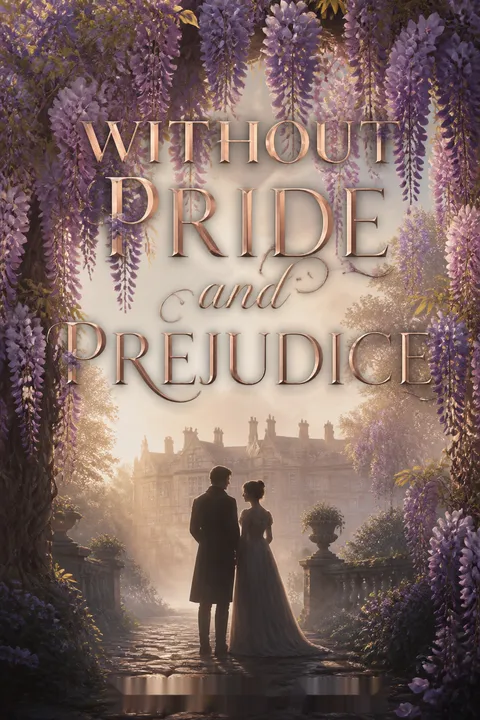

Plot Summary
Kansas to Cobblestones
Monroe Wilde, a Kansas girl with a penchant for Jane Austen, is uprooted to a posh UK school. Feeling out of place, she stumbles—literally—into the orbit of Alastair Fitzroy, a brooding, impossibly handsome British aristocrat. Their first meeting is a comedy of errors, but it forges an instant, if awkward, connection. Monroe's longing for home is tempered by the magic of her new surroundings and the magnetic pull of Fitz. The chapter sets the tone for a story about belonging, identity, and the unpredictable ways life can change when you least expect it. Monroe's journey from Kansas lawns to English cobblestones is the first step in a transformation she never saw coming.
A Demigod and a Disaster
Monroe's clumsy charm and Fitz's reserved dignity create an unlikely friendship. Despite their differences—her warmth and his coolness—they find solace in each other. Monroe's attempts to help often end in chaos, but Fitz is drawn to her authenticity. Their bond deepens over shared music, laughter, and late-night talks, even as Fitz's aristocratic world looms as a barrier. Monroe's self-doubt and Fitz's emotional reticence set the stage for years of near-misses and unspoken feelings. The seeds of something deeper are sown, but both are too afraid—or too proud—to admit it.
Platonic in the Dictionary
Monroe and Fitz maintain a close, platonic friendship through college and early adulthood, despite the growing undercurrent of attraction. Each dates others, but no relationship survives the shadow of their connection. Fitz's girlfriends and Monroe's boyfriends sense the intensity between them, leading to jealousy and breakups. Their emotional intimacy is unmatched, but both cling to the safety of friendship, fearing that crossing the line would ruin everything. The world sees them as platonic, but their hearts know otherwise.
Missed Chances, Hidden Hearts
Monroe becomes engaged to Tony, a well-meaning but incompatible man. Fitz, now a duke, is gutted but remains silent, believing he's protecting Monroe from the scrutiny of his world. When Monroe's engagement falls apart—partly due to her own "helpfulness"—Fitz's relief is palpable, but he still can't confess his feelings. Both are haunted by what-ifs and the pain of loving from afar. Their friendship is tested by jealousy, pride, and the fear of losing each other.
Engagements and Endings
Monroe's wedding is called off after her well-intentioned meddling backfires. Fitz, secretly overjoyed, offers comfort but still hides his love. Monroe, devastated but resilient, receives an invitation to play Elizabeth Bennet at Pride and Prejudice Park—a dream come true. Fitz volunteers to join her as Mr. Darcy, setting the stage for a week of role-play that will blur the lines between fiction and reality. Both sense that this trip could change everything, but old fears linger.
Honeymoon for Two
Monroe and Fitz embark on their "honeymoon" at Pride and Prejudice Park, pretending to be Elizabeth and Darcy. The journey is filled with mishaps, laughter, and moments of undeniable chemistry. Fitz's aristocratic reserve clashes with Monroe's exuberance, but their affection grows. The park's immersive Regency experience forces them to confront their feelings, even as rivals and exes threaten to derail their happiness. The stage is set for confessions, misunderstandings, and the possibility of finally becoming more than friends.
Pride and Prejudice Park
At the park, Monroe and Fitz are surrounded by Austen enthusiasts, including Fitz's would-be fiancée Winnifred and Monroe's ex Tony. The experience is both magical and fraught, as scripted roles bleed into real emotions. Monroe's insecurities flare under the scrutiny of Fitz's world, while Fitz grapples with the expectations of his title. Their playful banter and Regency role-play become a battleground for pride, vulnerability, and the hope of something real.
Pretending Mr. Darcy
As Monroe and Fitz act out Elizabeth and Darcy's story, their own feelings surface. A midnight rendezvous leads to a passionate, long-awaited kiss, but also to a painful confrontation. Fitz's attempt to "protect" Monroe by suggesting she change for his world devastates her. The parallels to Austen's original story are clear: pride, misunderstanding, and the fear of not being enough threaten to tear them apart. Monroe's heartbreak is raw, and Fitz is left to reckon with the consequences of his words.
Rivalries and Revelations
A tabloid photo of Monroe at the airport sparks ridicule and self-doubt. Fitz's mother and Winnifred intensify the pressure, while Monroe feels exposed and unworthy. Fitz's efforts to apologize fall flat, as Monroe realizes she can't be with someone who doesn't accept her as she is. Both are forced to confront their deepest fears: for Monroe, the fear of never being enough; for Fitz, the fear of losing her by holding back. Their relationship reaches a breaking point.
Regency Rules and Realities
During a Regency riding lesson, Monroe's attempt to help leads to a fall and a coma. In her unconscious state, she dreams she is Elizabeth Bennet, living out an alternate Pride and Prejudice where she tries to "fix" everyone's story. Despite her best efforts, she learns that happiness can't be orchestrated or earned by changing herself. Meanwhile, Fitz is wracked with guilt and fear, realizing too late that he loves Monroe exactly as she is.
Letters, Lessons, and Losses
In her dream, Monroe's attempts to help lead to unintended consequences, mirroring her real-life struggles. She finally understands that she doesn't want to be loved "despite" her flaws, but because of them. Fitz, at her bedside, confesses his love and begs for forgiveness. When Monroe awakens, both are changed—humbled, honest, and ready to risk everything for each other. Their reunion is tender, marked by vulnerability and the promise of a new beginning.
A Dream of Elizabeth
Monroe's dream journey as Elizabeth Bennet teaches her the value of authenticity and self-love. She realizes that her worth isn't defined by fitting into someone else's world, but by embracing her own. Fitz's public defense of Monroe and his willingness to renounce his title for her prove his devotion. Together, they face the world—tabloids, family, and all—with newfound confidence and unity. Their love story becomes one of mutual acceptance, growth, and joy.
Fixing the Unfixable
Monroe and Fitz navigate the challenges of blending their lives—her American roots, his British aristocracy, and the scrutiny of the public eye. Monroe's "helpfulness" is reframed as a gift, not a flaw. Fitz's mother remains a formidable obstacle, but Monroe's warmth and resilience begin to thaw even the iciest hearts. Together, they learn that true partnership means supporting each other's dreams, quirks, and vulnerabilities. Their home becomes a sanctuary for love, laughter, and second chances.
Waking to Forgiveness
Monroe's recovery is marked by forgiveness—of herself, of Fitz, and of the past. Therapy helps her process old wounds, while Fitz's unwavering support cements their bond. Their engagement is intimate and joyful, surrounded by friends who have become family. The lessons of Pride and Prejudice—humility, courage, and the power of love—are woven into their everyday lives. Monroe's journey from self-doubt to self-acceptance is complete.
Becoming Monroe Again
Monroe and Fitz marry in a ceremony that blends tradition with authenticity. Monroe's father and friends from Pride and Prejudice Park celebrate her for who she is—quirky, kind, and unapologetically herself. Fitz's public declaration of love silences critics and wins over skeptics. Together, they redefine what it means to be a duchess and a duke, choosing each other over societal expectations. Their love is imperfect, but real.
Dancing Without Pretense
Monroe and Fitz's marriage is a dance—sometimes awkward, always heartfelt. They navigate the challenges of public life, family drama, and personal growth with humor and grace. Their home is filled with music, laughter, and the occasional disaster, but also with unwavering support. Monroe's "fixing" becomes a source of pride, not shame, and Fitz learns to let go of pride in favor of vulnerability. Together, they create a life that is uniquely theirs.
Facing the World Together
Monroe and Fitz welcome a child, blending their worlds even further. Their love story inspires those around them, proving that happiness is found not in perfection, but in acceptance. They continue to face challenges—family, fame, and the pressures of aristocracy—but do so as a team. Their journey is a testament to the power of choosing each other, again and again, without pride or prejudice.
Happily Ever After, Actually
Monroe and Fitz's story is not a fairy tale, but a real, hard-won happily ever after. They honor the lessons of Austen while forging their own path—one filled with laughter, forgiveness, and the courage to be themselves. Their love is a celebration of imperfection, resilience, and the magic that happens when two people choose each other, every day. In the end, they prove that the best stories are the ones we write together.
Analysis
Without Pride and Prejudice is a witty, heartfelt, and thoroughly modern homage to Austen's classic, reimagining the iconic love story through the lens of contemporary anxieties and aspirations. At its core, the novel is a meditation on authenticity—the struggle to be seen, accepted, and loved for one's true self in a world obsessed with appearances and perfection. Monroe's journey from self-doubt to self-acceptance is both universal and deeply personal, resonating with anyone who has ever felt "not enough." Fitz's transformation from proud, emotionally distant aristocrat to vulnerable, devoted partner is a testament to the power of humility, apology, and growth. The novel deftly weaves together humor, romance, and psychological insight, using meta-fictional devices and modern plot twists to explore timeless themes. Its ultimate message is clear: happiness is not found in becoming someone else, but in embracing—and being embraced for—who you already are. In a world of curated images and relentless judgment, Without Pride and Prejudice offers a refreshing, redemptive vision of love without conditions, friendship without fear, and the courage to write your own story.
Review Summary
Without Pride and Prejudice receives mostly positive reviews, averaging 4.02/5. Fans of Jane Austen particularly enjoy the friends-to-lovers romance between Monroe and Fitz, praising the witty banter, swoony moments, and clever Pride and Prejudice references. Many highlight a surprising mid-story twist as a standout element. Critics note that Monroe's character can feel annoying or lacking self-awareness, and some disliked the book's second section. Overall, Austen enthusiasts tend to adore it, while others find it falls short of expectations.
People Also Read

Characters
Monroe Wilde
Monroe is a Kansas-born Jane Austen devotee whose life is defined by her desire to help others—even when her efforts backfire. Her warmth, humor, and self-deprecating charm make her both lovable and relatable. Monroe's journey is one of self-acceptance: she longs to be an "Elizabeth" but fears she's more of a "Kitty." Her relationship with Fitz is the emotional core of the story, marked by years of platonic intimacy, missed chances, and finally, courageous vulnerability. Monroe's greatest struggle is believing she is enough, just as she is. Through heartbreak, dreams, and self-discovery, she learns that her quirks are her strengths, and that true love means being seen and cherished for her authentic self.
Alastair Fitzroy (Fitz)
Fitz is the archetypal modern Mr. Darcy: wealthy, intelligent, and reserved, but deeply loyal and loving beneath his stoic exterior. Raised in the British aristocracy, he is burdened by expectations and the weight of his title. Fitz's greatest fear is exposing Monroe to the scrutiny and judgment of his world, leading him to hold back his feelings for years. His journey is one of humility and redemption—learning to let go of pride, embrace vulnerability, and fight for the woman he loves. Fitz's devotion to Monroe is unwavering, and his willingness to change, apologize, and publicly defend her marks his transformation from a man ruled by duty to one ruled by love.
Tony Baker
Tony is Monroe's former fiancé, whose good looks and affable nature mask deeper flaws. He is threatened by Monroe's closeness with Fitz and ultimately reveals his true colors through betrayal and self-interest. Tony's presence serves as a catalyst for Monroe's self-realization and Fitz's awakening. His arc is a cautionary tale about the dangers of settling for less than true compatibility and the importance of integrity in relationships.
Lady Winnifred Roberts
Winnifred is Fitz's mother's preferred match for him—a woman of impeccable breeding and social standing. Her rivalry with Monroe is marked by subtle (and not-so-subtle) barbs, but beneath her haughtiness lies vulnerability and longing. Winnifred's inability to win Fitz's heart forces her to confront her own insecurities and the limitations of status without genuine connection. Her eventual entanglement with Tony is both ironic and redemptive, highlighting the unpredictability of love.
Macey Bennet
Macey is Monroe's "Jane"—a kindred spirit who provides emotional support and gentle wisdom. Her own romantic journey with Zane mirrors Monroe's, offering a parallel narrative of overcoming fear and embracing love. Macey's presence in both Monroe's dream and reality underscores the importance of female friendship and the healing power of empathy.
Kingston
Kingston is Fitz's confidant and the quiet anchor of Blackhaven. His unspoken love for Anna and his gentle guidance for both Fitz and Monroe make him a stabilizing force. Kingston's ability to speak truth to power—especially to Fitz—helps catalyze Fitz's transformation. His subplot with Anna adds depth and hope to the story's exploration of love across social boundaries.
Anna Fitzroy
Anna is Fitz's younger sister, a concert pianist whose own struggles with vulnerability mirror her brother's. Her friendship with Monroe and her slow-burn romance with Kingston provide a counterpoint to the main love story. Anna's journey is one of learning to trust, open up, and pursue happiness on her own terms.
Beatrix Fitzroy (Mum B.)
Beatrix is the dowager duchess, fiercely protective of her family's reputation and resistant to change. Her initial disdain for Monroe masks her own regrets and disappointments. Over time, Beatrix's icy exterior softens, revealing a woman capable of growth and reconciliation. Her eventual acceptance of Monroe is hard-won and deeply meaningful.
Jane Bennet (Macey in the Park)
Jane is both a character in Monroe's dream and a real-life friend. Her journey from self-doubt to self-assurance parallels Monroe's, and her romance with Bingley/Zane is a testament to the power of kindness and perseverance. Jane's unwavering support helps Monroe weather the storms of love and self-discovery.
Tony's Family
Tony's parents represent the collateral damage of his actions, but their gratitude toward Monroe for inadvertently exposing his embezzlement highlights the ripple effects of honesty and courage. Their subplot reinforces the theme that even well-intentioned mistakes can lead to unexpected good.
Plot Devices
Dual Timelines and Flashbacks
The narrative moves fluidly between Monroe and Fitz's shared history and their present-day challenges. Flashbacks to their school days, college years, and pivotal moments of connection and misunderstanding provide context for their emotional barriers. This structure allows readers to experience the slow burn of their relationship and the weight of missed opportunities, heightening the stakes of their eventual union.
Role-Play and Meta-Fiction
The Pride and Prejudice Park setting serves as both a literal and metaphorical stage for Monroe and Fitz to confront their feelings. By stepping into the roles of Elizabeth and Darcy, they are forced to reenact—and ultimately rewrite—the classic story's themes of pride, prejudice, and redemption. Monroe's dream sequence, in which she becomes Elizabeth, deepens this meta-fictional exploration, allowing her to "fix" the story and, in doing so, fix herself.
Letters and Communication
Letters—both in the Regency role-play and in real life—serve as vehicles for confession, apology, and vulnerability. Fitz's heartfelt letters to Monroe echo Darcy's in the original novel, providing moments of emotional clarity and connection. The motif of communication (and miscommunication) underscores the importance of honesty and the courage to speak one's truth.
Public Scrutiny and Social Media
The tabloid photo of Monroe and the ensuing public ridicule mirror the social pressures faced by Elizabeth in Austen's time. The story uses contemporary plot devices—viral articles, social media, and public interviews—to explore the enduring relevance of pride, prejudice, and the longing for acceptance. Fitz's public defense of Monroe is a modern twist on the grand gesture, signaling his growth and commitment.
Dream Sequence and Psychological Realism
Monroe's coma-induced dream as Elizabeth Bennet is both a homage to Austen and a psychological journey. The dream allows her to confront her deepest fears, test her "fixing" compulsion, and ultimately realize that she is enough as herself. The device serves as both a narrative reset and a therapeutic breakthrough, paving the way for real-world healing and reconciliation.
Parallel Subplots and Supporting Cast
The stories of Macey and Zane, Anna and Kingston, and even Tony and Winnifred provide counterpoints to Monroe and Fitz's journey. These subplots reinforce the central themes of love, forgiveness, and the courage to choose happiness, while also offering moments of levity and camaraderie.
Download PDF
Download EPUB
.epub digital book format is ideal for reading ebooks on phones, tablets, and e-readers.








































