
Plot Summary
Miami Meltdown and Boom Box
Penelope "Pip" Dupont, a tightly wound assistant to a famous author, arrives in Miami for a book cruise, desperate for peace after a painful breakup. Her attempt at serenity is shattered by a lewd, inconsiderate man blasting music on the beach. In a rare outburst, she threatens to throw his boom box into the ocean, drawing a crowd and the intervention of her quirky group of author friends, The Magnificent Seven. This public meltdown is both a personal breaking point and a catalyst for change, exposing Pip's pent-up frustration and setting the tone for a journey of self-discovery, vulnerability, and unexpected adventure.
The Magnificent Seven Unveiled
Pip reflects on her role as assistant to Hugh Griffin and, by extension, to The Magnificent Seven—a legendary alliance of bestselling authors, each a titan in a different genre. The group's origin story is revealed: a chance meeting in an elevator led to a pact of mutual promotion and support. Each member is distinct—romantic Neena, prim Jackie, costumed Gordon, TikTok-famous Crystal, cryptic Ricky, dashing Nash, and mastermind Hugh. Their camaraderie is enviable, but Pip senses hidden depths and secrets beneath the surface. The group's dynamic is both her anchor and her challenge, as she navigates belonging and self-doubt.
Boarding the Book Cruise
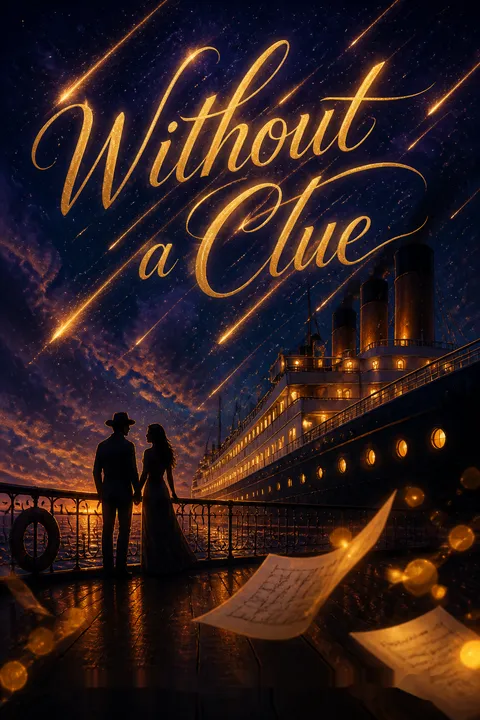
The group boards a luxurious, 1920s-inspired cruise ship for the inaugural Magnificent Seven Book Cruise, where hundreds of fans await. Pip, still reeling from her Miami incident and recent heartbreak, is swept into the chaos of organizing workshops, wrangling eccentric authors, and managing logistics. The ship is a floating world of glamour and literary excitement, but Pip's anxiety simmers beneath her professional exterior. The cruise is meant to be a celebration, but for Pip, it's a test of endurance, composure, and her ability to keep the group—and herself—together.
Nash Returns, Tensions Rise
Nash Eyre, the group's rugged Western author and Pip's closest confidant, finally arrives after weeks off-grid. Their reunion is charged with unspoken affection and the comfort of deep friendship. Nash's presence grounds Pip, but also stirs confusion about the boundaries of their relationship. As the group settles in, Pip's longing for connection and fear of vulnerability intensify. Nash's easy charm and steadfast support contrast with Pip's self-doubt, highlighting the emotional stakes beneath the cruise's surface festivities.
Hugh's Ominous Warning
After a day of events, Hugh pulls Pip aside for a private conversation. He confides that he believes someone—possibly one of The Seven—is trying to kill him, showing her a threatening note signed "Of The Seven." Pip is skeptical, suspecting Hugh's eccentricity and overwork, but the gravity of his fear unsettles her. Hugh makes her promise to retrieve the note from his desk if anything happens to him, urging secrecy and caution. This chilling encounter plants seeds of paranoia and sets the stage for a real-life mystery that will soon engulf them all.
Meteor Showers and Secrets
Unable to sleep, Pip joins Nash on deck to watch a meteor shower. The peaceful, starlit night offers a rare moment of calm and intimacy, as they share stories and worries about Hugh's behavior. Their connection deepens, but Pip's mind is restless—haunted by Hugh's warning and her own insecurities. The night is a turning point: Pip realizes how much Nash's presence means to her, and how fragile her sense of safety has become. The beauty of the sky is a brief respite before chaos descends.
The Staged Death Unravels
The next morning, Pip discovers Hugh's "dead" body in his cabin, bloodied and lifeless. She panics, alerting the group, only to learn it was a staged murder mystery game—Hugh's idea for cruise entertainment. The group's complicity in the prank, and their casual attitude, infuriate and traumatize Pip. The incident exposes cracks in their unity and Pip's own emotional limits. The line between fiction and reality blurs, and Pip's trust in her friends—and herself—is shaken.
Real Murder on the Ship
Just as the group recovers from Hugh's prank, the ship's head of security, Carragan, is found murdered. Panic and suspicion erupt: the locked author's wing means the killer must be one of The Seven. The cruise is thrown into lockdown, and the group is ordered to maintain normalcy for the guests while the investigation unfolds. Paranoia spreads, alliances fray, and Pip is thrust into the role of reluctant detective, forced to confront the possibility that one of her friends is a murderer.
Locked In With a Killer
The group is confined to their wing, questioned by security, and forbidden from interacting with guests. Pip juggles the impossible task of running the cruise while investigating the murders. Old wounds and hidden resentments surface: Pip's recent breakup, her feelings for Nash, and the group's tangled histories. The claustrophobic setting amplifies tensions, and Pip's composure begins to crack. She resolves to solve the case herself, determined to protect her friends and prove her own worth.
Suspicions and Paranoia Spread
Pip begins systematically interviewing each member of The Seven, uncovering a web of secrets: Neena's past engagement to Hugh, Jackie's possible ghostwriting, Crystal's hidden identity, Ricky's cryptic warnings, and Gordon's unexpected inheritance. Each has motive, means, and opportunity. Paranoia mounts as Pip realizes everyone—including herself—looks guilty. The investigation becomes personal, forcing Pip to confront her own biases, fears, and the limits of her trust.
Pip's Past and Michael's Betrayal
Amid the chaos, Pip reflects on her eight-year relationship with Michael, whose public betrayal shattered her confidence. The pain of being "not enough" lingers, coloring her interactions and fueling her need for control. The group's support is both a comfort and a reminder of her outsider status. Pip's journey becomes as much about healing and self-acceptance as about solving the mystery. Her vulnerability is both her greatest weakness and her emerging strength.
Carragan's Death, Chaos Erupts
The discovery of Carragan's body plunges the group into deeper crisis. Security is overwhelmed, and the group's attempts to maintain order devolve into farce. Pip's efforts to keep everyone safe and sane are met with resistance, suspicion, and escalating fear. The cruise's veneer of luxury and celebration is stripped away, revealing the raw, messy reality of grief, guilt, and survival. Pip's leadership is tested as never before.
The Investigation Begins
With official channels failing, Pip takes charge of the investigation, interviewing each suspect and piecing together clues. Nash becomes her steadfast partner, offering protection and emotional support. Their partnership deepens, blurring the line between friendship and something more. Pip's analytical skills and literary knowledge become her tools, but the emotional toll is immense. The investigation is as much about understanding human nature as about finding a killer.
Interviews and Hidden Motives
Each interview reveals new layers: Neena's heartbreak, Jackie's secrets, Crystal's resentment, Ricky's darkness, Gordon's contentment. Motives multiply—jealousy, ambition, revenge, love. Pip uncovers a bloody knife in Crystal's room, then in others', deepening the mystery. The group's eccentricities become both clues and distractions. Pip's empathy and insight grow, but so does her sense of isolation. The truth seems further away than ever.
Nash's Confession, Pip's Doubt
In a moment of vulnerability, Nash confesses his love for Pip, revealing years of hidden feelings. Pip is overwhelmed—torn between joy and fear, trust and doubt. When she discovers a bloody knife in Nash's bag, her world tilts: could the man she loves be the killer? Hugh's cryptic note warning her about Nash haunts her. Pip is forced to question everything she believes about love, loyalty, and herself.
The Knife in the Bag
Pip's discovery of the knife in Nash's belongings is a devastating blow. She searches for rational explanations, but the evidence is damning. Her heart and mind are at war: the Nash she knows is incapable of murder, but the facts suggest otherwise. The emotional stakes reach their peak as Pip grapples with betrayal, fear, and the possibility of losing both her love and her sense of self.
Peppermint Kiss and Revelation
In a moment of clarity, Pip realizes the truth: the proliferation of knives and motives is a deliberate misdirection. A "peppermint kiss" with Nash becomes a symbol of trust and renewal. Pip's courage to love—and to believe in herself—unlocks the final piece of the puzzle. She sees through the layers of deception and recognizes the game at play. The mystery is not just about murder, but about friendship, belonging, and the courage to write her own story.
The Truth About Friendship
Pip discovers that the murders were an elaborate, staged game orchestrated by Hugh and the group to push her out of her comfort zone and into her own power as a writer. The clues, the paranoia, the emotional trials—all were designed to force Pip to confront her fears, embrace her voice, and claim her place among The Magnificent Seven. The group's love is revealed not in their perfection, but in their willingness to challenge and support her.
Hugh's Game Exposed
Hugh emerges alive, explaining the game's purpose: to give Pip the story—and the confidence—she needed to become a writer in her own right. The group's complicity is revealed, and the cruise's chaos is reframed as a crucible for Pip's transformation. The "Rule of Yes" among The Seven, the staged deaths, the planted evidence—all were part of a grand, loving scheme. Pip is offered Hugh's place in the group, her journey from outsider to insider complete.
A New Chapter Begins
With the mystery solved and her confidence restored, Pip writes the first chapter of her own novel—her story. The group celebrates her induction into The Magnificent Seven, and her relationship with Nash blossoms into love. The cruise ends not with tragedy, but with renewal: Pip has found her voice, her place, and her people. The adventure continues, as friendship, love, and creativity propel her into a future she never dared imagine.
Analysis
Melissa Ferguson's Without a Clue is a witty, heartfelt meta-mystery that uses the conventions of the whodunit to explore deeper questions of identity, belonging, and creative courage. By setting the story on a cruise ship with a cast of eccentric authors, Ferguson creates both a loving parody of the genre and a poignant meditation on friendship and self-worth. The locked-room mystery is less about catching a killer than about forcing the protagonist—and the reader—to confront the ways we hide from ourselves and each other. Pip's journey from anxious assistant to empowered writer is both a satisfying narrative arc and a metaphor for anyone struggling to find their place in a world of larger-than-life personalities. The novel's ultimate twist—that the murders were staged to push Pip into authorship—reframes trauma as transformation, and chaos as the necessary prelude to creation. Ferguson's message is clear: true friendship is not about comfort, but about challenging each other to grow; true creativity is not about perfection, but about daring to begin. In a world obsessed with appearances and achievement, Without a Clue is a reminder that sometimes, the best stories start when we let ourselves fall apart—and trust our friends to help us put the pieces back together.
Review Summary
Without a Clue receives mostly positive reviews, averaging 3.75/5 stars. Readers praise the cozy, fun atmosphere set aboard a luxury book cruise, the likable protagonist Pip, and the sweet romance with Nash. The ensemble cast of eccentric authors is frequently highlighted as entertaining. The audiobook narration by Karissa Vacker receives consistent acclaim. Common criticisms include a predictable mystery, underdeveloped characters, and a romance needing more depth. Overall, readers recommend it as a lighthearted, entertaining read blending cozy mystery and romantic comedy elements.
People Also Read



Characters
Penelope "Pip" Dupont
Pip is the heart of the story—a meticulous, self-effacing assistant to Hugh Griffin and The Magnificent Seven. Haunted by a recent, humiliating breakup and a lifetime of striving for composure, Pip is both deeply competent and deeply insecure. Her journey is one of self-discovery: from outsider and caretaker to empowered writer and beloved friend. Pip's psychological arc is marked by her struggle to trust herself, to accept love (especially from Nash), and to claim her own voice. Her relationships—with the group, with Nash, and with herself—are the emotional engine of the narrative.
Nash Eyre
Nash is the group's Western author, known for his cowboy hat, off-grid adventures, and quiet strength. He is Pip's closest friend and, ultimately, her romantic partner. Nash's loyalty, humor, and protectiveness anchor Pip through chaos and self-doubt. His own vulnerabilities—hidden feelings for Pip, discomfort with fame, and a longing for simplicity—add depth to his character. Nash's development is intertwined with Pip's: his confession of love is both a risk and a gift, challenging Pip to believe she is worthy of happiness.
Hugh Griffin
Hugh is the mastermind behind The Magnificent Seven and the orchestrator of the cruise's central mystery. A legendary mystery author, Hugh is both charming and maddening—his love for games, puzzles, and psychological experiments drives the plot. His relationship with Pip is paternal, challenging, and ultimately redemptive: he sees her potential before she does, and his elaborate scheme is a testament to his belief in her. Hugh's willingness to blur fiction and reality is both his flaw and his genius.
Neena
Neena is the group's romance author, known for her glittering outfits, fruit baskets, and grandmotherly warmth. Beneath her exuberance lies a history of heartbreak—her past engagement to Hugh and her hidden love for Gordon. Neena's role is both comic relief and emotional ballast; her support for Pip is unwavering, and her own journey toward vulnerability mirrors Pip's.
Jackie
Jackie writes historical fiction and is the group's most exacting member—obsessed with punctuality, lineage, and propriety. Her brittle exterior hides deep insecurities and a fear of being exposed (literally, as a possible ghostwriter). Jackie's relationship with Pip is prickly but ultimately respectful; her willingness to play along with Hugh's scheme, despite her discomfort, reveals her loyalty.
Gordon
Gordon is the group's costumed, Renaissance-fair-loving fantasy writer. He is both comic and sage, offering Pip moments of levity and insight. Gordon's lack of ambition and his contentment with life make him an unlikely suspect, but also a grounding presence. His secret romance with Neena adds a layer of sweetness and surprise.
Crystal (Mary Alice Givens Griffin)
Crystal is the group's youngest member, a social media sensation with a hidden past—she is Hugh's secret daughter, forced to join the group under a pseudonym. Her resentment toward Hugh and Pip fuels much of the story's tension. Crystal's volatility and need for validation make her both a red herring and a symbol of the group's complicated dynamics.
Ricky
Ricky is the group's thriller author, known for his slow speech, dark humor, and unsettling presence. He is both a source of comic dread and genuine suspicion. Ricky's psychological distance and penchant for the macabre make him an enigma; his loyalty to the group is real, but his methods are inscrutable.
Carragan / Bob Moore
Carragan is introduced as the ship's head of security, a hard-nosed investigator who quickly becomes a suspect himself. In reality, he is an actor (and Hugh's friend) playing a role in the grand scheme. His aggressive tactics and incompetence are both red herrings and a commentary on the blurred lines between fiction and reality.
The Magnificent Seven (as a collective)
The group is both Pip's challenge and her salvation—a microcosm of creative ambition, insecurity, love, and rivalry. Their relationships are marked by loyalty, secrets, and the willingness to push each other toward growth. The psychological complexity of the group—each member's need for belonging, recognition, and forgiveness—drives the story's emotional arc.
Plot Devices
Locked-Room Mystery on a Cruise Ship
The cruise ship setting creates a classic "locked-room" scenario: a finite cast of suspects, no escape, and mounting paranoia. The physical and psychological confinement amplifies tensions, forcing characters to confront their secrets and relationships. The device is both homage to classic mysteries and a metaphor for Pip's internal journey—she must solve the puzzle of herself as much as the external crime.
Fake Murder, Real Emotions
Hugh's staged murder mystery is a meta-narrative device: by turning life into a game, he forces Pip (and the group) to confront their fears, desires, and true selves. The device allows for layers of foreshadowing, red herrings, and emotional misdirection. The eventual revelation that the murders were staged reframes the entire story, transforming trauma into catharsis and chaos into growth.
Multiple Red Herrings and Motives
The proliferation of motives, planted evidence (knives), and hidden secrets creates a web of suspicion that implicates everyone. This device keeps the reader (and Pip) guessing, while also exploring the psychological reality that everyone harbors darkness and vulnerability. The red herrings are not just plot twists, but explorations of character and theme.
The "Rule of Yes" and Secret Handshakes
The Magnificent Seven's secret rules and rituals are both plot devices and symbols of belonging. The "Rule of Yes"—one unbreakable favor owed to the group—forces members to participate in Hugh's scheme, revealing the costs and rewards of loyalty. These devices underscore the story's central question: what does it mean to be part of a family, chosen or otherwise?
Metafiction and Writerly Self-Discovery
Pip's arc mirrors the structure of a mystery novel: she gathers clues, confronts suspects, and ultimately writes her own story. The act of writing—her first chapter—becomes both the solution to the mystery and the key to her self-actualization. The story is a love letter to fiction, creativity, and the courage to claim one's voice.
Download PDF
Download EPUB
.epub digital book format is ideal for reading ebooks on phones, tablets, and e-readers.








































