
Plot Summary
Family Picnic, Shattered Lives
The Cardinal family—Jack, Amanda, Lou, and Oz—set out for a rare, happy picnic in 1940s New York. Jack, a passionate but struggling writer, is lost in his thoughts, Amanda worries about their future, and the children, Lou (12) and Oz (7), are caught between hope and uncertainty. Tensions simmer over Jack's plans to move the family to California for work, or perhaps to Virginia, his childhood home. On the drive home, a sudden accident shatters their world: Jack is killed, Amanda is left in a coma, and the children are orphaned in spirit. The moment is seared with grief, guilt, and the abrupt end of innocence, setting Lou and Oz on a journey of survival, loss, and the search for belonging.
Funeral Bells and Orphaned Hearts
Jack's funeral is a somber affair, filled with mourners who cannot grasp the depth of Lou and Oz's loss. Amanda remains unresponsive, her soul seemingly fled. The children overhear adults discussing their fate—orphans with no family, no money, and a mother who may never return. Lou's fierce spirit emerges as she insists they have family: their great-grandmother, Louisa Mae Cardinal, in Virginia. With no other options, the executors arrange for the children and their comatose mother to journey south, leaving behind the city and all they have known. The siblings cling to each other, their bond deepening in the face of abandonment and the unknown.
Journey to the Mountain
Lou and Oz, accompanied by a stern nurse and their silent mother, travel by train to the mountains of Virginia. The city recedes, replaced by the wild, mysterious landscape of their father's stories. Lou tries to comfort Oz, who is frightened and hopeful, believing in magic and wishing for their mother's recovery. The siblings bicker, comfort, and protect each other, their roles shifting as Lou's skepticism clashes with Oz's faith. The journey is both physical and emotional—a passage from childhood to the hard realities of survival, and from the familiar to the strange, as they approach the home of a woman they have never met.
Meeting Louisa Mae Cardinal
Arriving at the humble mountain farm, Lou and Oz meet Louisa Mae Cardinal, their great-grandmother—a tall, strong, no-nonsense woman who rules her land with wisdom and grit. She immediately dismisses the city nurse, asserting her authority and making it clear that the children and Amanda are now her responsibility. The farmhouse is old, patched, and full of history, but also of care and resilience. Louisa's presence is both intimidating and comforting; she is a living link to their father's past and the mountain's enduring spirit. The children sense both safety and the weight of new expectations as they begin to settle into this unfamiliar world.
New Roots, Old Wounds
Lou and Oz struggle to adapt to the rhythms of farm life—early mornings, hard chores, and the absence of modern comforts. Lou is given her father's childhood room, connecting her to his memory, while Oz clings to hope for their mother's recovery. Louisa teaches them self-reliance, the value of work, and the harsh realities of survival. The children visit Amanda daily, caring for her as best they can, but Lou's anger and guilt over the accident simmer beneath the surface. The siblings' relationship is tested by fear, longing, and the slow, painful process of letting go of the past.
Learning the Land's Ways
Lou and Oz are initiated into the demanding life of the mountain—milking cows, hauling water, tending animals, and learning to ride horses. They meet Eugene ("Hell No"), Louisa's loyal farmhand, and Diamond Skinner, a wild, barefoot neighbor boy who becomes their friend and guide. The children discover the beauty and danger of the land, from haunted wells to mountain lions, and the importance of community in times of need. Lou's pride and stubbornness clash with the mountain's challenges, but she slowly gains respect for the land and its people, even as she remains an outsider.
Schoolyard Battles and Belonging
At Big Spruce School, Lou and Oz face hostility as "Yankees" and outsiders. Lou's quick temper leads to fights with Billy Davis, the local bully, but also earns her a grudging respect. The siblings navigate the complexities of mountain society—poverty, pride, and the unspoken rules of belonging. Lou's defiance and Oz's gentleness set them apart, but their resilience and willingness to help others begin to win over classmates and neighbors. The schoolyard becomes a microcosm of their struggle to find a place in this new world, and to honor their father's legacy while forging their own identities.
Wishing Wells and Lost Hope
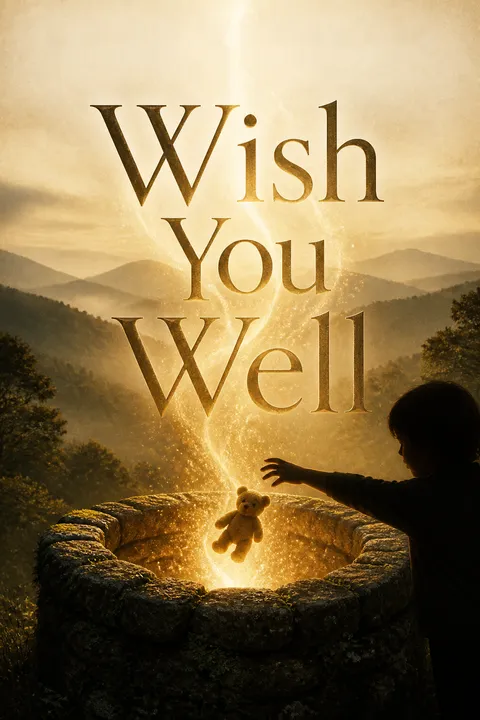
Diamond introduces Lou and Oz to the legend of the haunted wishing well—a place where wishes come true, but only at great personal cost. Oz, ever hopeful, sacrifices his beloved bear, wishing for their mother's recovery. Lou, skeptical but desperate, later adds her own wish. The well becomes a symbol of their longing for miracles and the limits of faith. As time passes and Amanda remains unresponsive, Lou's cynicism deepens, while Oz's hope is tested. The well's magic is ambiguous, offering no easy answers, and the children must confront the reality that some wounds cannot be wished away.
Hard Work, Hard Lessons
The seasons turn, bringing both bounty and hardship. Lou, Oz, and Louisa work tirelessly to plant, tend, and harvest crops, learning the rhythms of the land and the value of perseverance. The community comes together for barn raisings, church suppers, and to help those in need, reinforcing the importance of mutual support. The children witness the struggles of their neighbors—poverty, abuse, and loss—and come to understand the quiet heroism of survival. Lou's relationship with Louisa deepens, as she learns the stories of her family and the sacrifices that shaped their lives.
Townsfolk, Coal, and Change
The outside world intrudes as Southern Valley Coal and Gas seeks to buy up land for natural gas extraction, promising prosperity but threatening the mountain's way of life. Louisa refuses to sell, valuing the land's legacy over money, but faces pressure from neighbors and townsfolk desperate for change. The children witness the decline of Dickens and Tremont as coal and lumber industries collapse, leaving unemployment and bitterness in their wake. The moral conflict between short-term gain and long-term stewardship becomes central, testing the community's unity and the Cardinal family's resolve.
Diamond's Friendship, Diamond's Fate
Diamond Skinner, Lou and Oz's closest friend, is killed in a mine explosion caused by Southern Valley's secret gas drilling. The tragedy exposes the company's recklessness and the community's vulnerability. Lou is devastated by Diamond's death, grappling with guilt, grief, and the fragility of life. The loss cements her bond with Oz and deepens her understanding of the mountain's dangers and the importance of truth. Diamond's memory becomes a touchstone for courage and loyalty, inspiring Lou to fight for justice and to honor the sacrifices of those she loves.
Fire, Loss, and Community
A devastating fire destroys the Cardinal barn, threatening their survival as winter approaches. Louisa suffers a stroke from the shock, leaving the children and Eugene to fend for themselves. The community rallies, coming together to rebuild the barn in a display of solidarity and compassion. The experience teaches Lou and Oz the true meaning of family—not just blood, but the bonds forged through shared hardship and kindness. The children grow in strength and maturity, learning to accept help and to give it in turn, even to those who once scorned them.
The Courtroom and the Mountain
Southern Valley sues to have Louisa declared incompetent, seeking to seize the land. Cotton Longfellow, the family's loyal lawyer and friend, defends them in a tense courtroom drama. The trial exposes the company's culpability in Diamond's death and the moral bankruptcy of exploiting the land for profit. Lou and Oz are forced to confront the possibility of losing everything—home, family, and future. The community is divided, torn between desperation and principle. In a climactic moment, Amanda awakens from her coma, reclaiming her role as mother and guardian, and the family's legacy is preserved.
Miracles, Letters, and Love
Amanda's recovery is a miracle born of love, faith, and the children's sacrifices. Lou discovers her mother's letters, finding comfort, wisdom, and a renewed sense of connection. The family is reunited, and Cotton and Amanda marry, blending their lives and histories. Lou and Oz come to terms with their losses, honoring the memories of Jack, Louisa, and Diamond. The mountain endures, scarred but resilient, and the children find their place within its embrace. The power of storytelling—of remembering, forgiving, and loving—becomes the foundation of their new life.
Home, Memory, and Belonging
Years later, Lou reflects on her journey from orphaned child to writer, teacher, and matriarch. She has left the mountain and returned, raising her own family on the land Louisa preserved. Oz fulfills his dreams, becoming a teacher and a World Series pitcher, while Eugene builds his own farm and family. The lessons of the mountain—courage, hope, and the strength of community—endure through generations. Lou's stories, like her father's, keep the memory of those she loved alive, and she finds peace in the knowledge that she belongs to the land, and it to her. The view from the high rock is, indeed, very fine.
Analysis
Wish You Well is a deeply American novel that explores the enduring power of family, community, and the land in the face of loss, change, and adversity. Set against the backdrop of the Appalachian mountains during a time of economic upheaval, the story is both a coming-of-age tale and a meditation on the meaning of home. Through the eyes of Lou and Oz, readers experience the pain of grief, the struggle for survival, and the slow, hard-won process of healing. The novel interrogates the costs of progress, the dangers of forgetting the past, and the necessity of sacrifice for the greater good. Its characters are richly drawn, embodying both the strengths and flaws of their world. The use of letters, storytelling, and the symbolism of the land and wishing well elevate the narrative, offering layers of meaning and emotional resonance. Ultimately, Wish You Well is a celebration of resilience, the redemptive power of love, and the importance of holding fast to one's roots, even as the world changes. Its lessons—about courage, hope, and the value of community—are as relevant today as they were in the era it depicts.
Review Summary
Wish You Well by David Baldacci receives polarized reviews with a 4.06 average rating. Many readers praise it as a beautiful, emotional departure from Baldacci's typical thrillers, comparing it favorably to "To Kill a Mockingbird." Set in 1940s Appalachian Virginia, the story follows Lou and Oz Cardinal after a tragic accident kills their father and leaves their mother comatose. Critics appreciate the vivid setting and emotional depth, though some find the characters unrealistic, the plot predictable and clichéd, with dialogue that doesn't sound authentic for children. The ending divides readers—some find it heartwarming while others consider it contrived.
People Also Read







Characters
Louisa Mae "Lou" Cardinal
Lou is the twelve-year-old protagonist whose journey from city girl to mountain survivor forms the heart of the story. She is intelligent, stubborn, and fiercely protective of her younger brother, Oz. Lou's identity is shaped by her father's legacy as a writer and her own longing for approval and love. The trauma of her father's death and her mother's coma forces Lou to grow up quickly, wrestling with guilt, anger, and the need to adapt. Her skepticism is challenged by the mountain's mysteries and her brother's faith. Over time, Lou learns the value of community, hard work, and forgiveness, ultimately finding her place in the world and embracing her role as a storyteller and keeper of family memory.
Oscar "Oz" Cardinal
Oz, Lou's seven-year-old brother, is gentle, sensitive, and full of childlike wonder. He clings to hope and magic, believing in wishing wells and the possibility of miracles. Oz's vulnerability is balanced by a quiet strength and a capacity for joy, even in hardship. He is deeply attached to his mother and sister, and his faith often sustains the family through their darkest moments. Oz's journey is one of gradual awakening to the world's pain, but he never loses his essential kindness. As he grows, Oz becomes a symbol of resilience and the enduring power of love, eventually achieving his own dreams while remaining loyal to his roots.
Louisa Mae Cardinal (Great-Grandmother)
Louisa Mae is the formidable great-grandmother who anchors the family in the mountains. Tall, strong, and uncompromising, she embodies the values of self-reliance, hard work, and loyalty to the land. Her life has been marked by loss—children, husband, and the slow erosion of her world by outside forces—but she endures with dignity and grace. Louisa's relationship with Lou is complex, blending stern discipline with deep affection. She becomes a surrogate mother, teaching the children the ways of the mountain and the importance of community. Her refusal to sell the land, even in the face of poverty and pressure, is both her greatest strength and her ultimate legacy.
Amanda Cardinal
Amanda, Lou and Oz's mother, is left in a coma after the accident, her absence a source of pain and longing for her children. Her eventual recovery is a testament to the power of love, faith, and perseverance. Amanda is intelligent, nurturing, and quietly strong, but also haunted by guilt and loss. Her letters, discovered by Lou, reveal a woman who struggled to connect with her daughter and to find her own place in the world. Amanda's return reunites the family and allows for healing, forgiveness, and the creation of a new future. Her marriage to Cotton Longfellow symbolizes hope and the blending of past and present.
Cotton Longfellow
Cotton is the family's lawyer, friend, and eventual stepfather. Descended from the poet Longfellow, he is an outsider who has chosen the mountains as his home. Cotton is compassionate, self-deprecating, and deeply moral, often quoting poetry and striving to do what is right, even at personal cost. He becomes a surrogate father to Lou and Oz, defending their interests in court and providing emotional support. Cotton's love for Amanda and his commitment to the family are unwavering. His humility and wisdom help guide the children through their trials, and his presence is a stabilizing force in their lives.
Eugene "Hell No" Randall
Eugene is Louisa's farmhand, a Black man with a limp and a past marked by loss and prejudice. He is strong, skilled, and deeply loyal to the Cardinal family, becoming a surrogate uncle to Lou and Oz. Eugene's quiet dignity and work ethic earn the children's respect, and his testimony in court is pivotal in exposing Southern Valley's wrongdoing. He faces racism with grace and resilience, and his eventual establishment of his own farm and family is a testament to his perseverance. Eugene's presence underscores the themes of community, acceptance, and the breaking of generational cycles of injustice.
Diamond Skinner
Diamond is a barefoot, red-haired neighbor boy who befriends Lou and Oz, introducing them to the mountain's secrets and legends. He is mischievous, resourceful, and fiercely independent, living alone after the deaths of his parents. Diamond's friendship provides the children with joy, adventure, and a sense of belonging. His untimely death in a mine explosion, caused by corporate negligence, is a devastating blow that galvanizes Lou's fight for justice. Diamond's memory becomes a symbol of innocence lost and the cost of progress, as well as the enduring power of friendship.
Billy Davis
Billy is the local bully and Lou's primary antagonist at school. His aggression masks deep insecurity and the abuse he suffers at home from his father, George Davis. Billy's journey mirrors Lou's in some ways, as both struggle to find acceptance and to overcome the burdens of their families. Over time, Lou comes to understand and pity Billy, recognizing the cycles of poverty and violence that shape his life. Billy's story highlights the broader social issues facing the mountain community and the need for compassion and change.
George Davis
George Davis is the story's primary human antagonist—a hard, abusive man who exploits his family and neighbors, resists progress, and ultimately collaborates with Southern Valley for personal gain. He is a symbol of the darker aspects of mountain life—ignorance, violence, and the refusal to adapt. Davis's actions, from sabotaging the Cardinals to serving on the jury, threaten the family's survival and the community's integrity. His eventual defeat is a victory for justice and the values of compassion and stewardship.
Hugh Miller & Judd Wheeler
Miller, the slick Southern Valley executive, and Wheeler, the conflicted geologist, represent the encroaching forces of industry and the ethical compromises of progress. Miller is manipulative, offering money and false promises, while Wheeler is ultimately wracked with guilt over Diamond's death. Together, they embody the external threats to the mountain's way of life and the moral dilemmas faced by those caught between survival and conscience.
Plot Devices
Dual Narrative of Loss and Renewal
The novel's structure weaves together the children's immediate struggle for survival with the slow, painful process of emotional healing. The loss of parents, home, and innocence is mirrored by the gradual formation of new bonds—with Louisa, Eugene, Diamond, and Cotton. The narrative uses foreshadowing (the accident, the wishing well, the encroaching threat of industry) to build tension and to highlight the cyclical nature of loss and renewal. The courtroom drama serves as a climax, bringing together personal and communal stakes, and the eventual miracle of Amanda's recovery provides catharsis and closure.
Symbolism of the Land and Wishing Well
The mountain is both setting and character—a source of hardship, beauty, and identity. The struggle to keep the land becomes a metaphor for preserving family, memory, and values in the face of change. The wishing well, with its legend of sacrifice, symbolizes the limits of faith and the necessity of letting go. The children's offerings at the well reflect their willingness to give up what they love most for the sake of others, reinforcing the theme of selflessness and the interconnectedness of past, present, and future.
Letters and Storytelling
Letters from Amanda and Jack, as well as Lou's own writing, serve as a narrative device to reveal character, history, and emotional truth. The act of reading and writing becomes a means of processing grief, preserving memory, and forging identity. Storytelling is both a survival tool and a legacy, connecting generations and providing hope in the face of adversity. The novel's meta-narrative—Lou becoming a writer like her father—underscores the power of words to heal, inspire, and endure.
Community as Character
The mountain community is depicted as both supportive and divided, capable of great kindness and deep prejudice. The barn raising, schoolyard conflicts, and courtroom scenes illustrate the ways in which individuals are shaped by, and in turn shape, their community. The tension between self-interest and the common good is a recurring motif, with characters forced to choose between short-term gain and long-term stewardship. The ultimate triumph of solidarity over greed affirms the novel's central message of hope and resilience.
About the Author
Other books by David Baldacci








Download PDF
Download EPUB
.epub digital book format is ideal for reading ebooks on phones, tablets, and e-readers.








































