
Key Takeaways
1. Dreaming Big Despite Early Barriers
I could love nature, be inspired by it and learn from it, but I began to accept that there was no pathway for me to become a nature-show host.
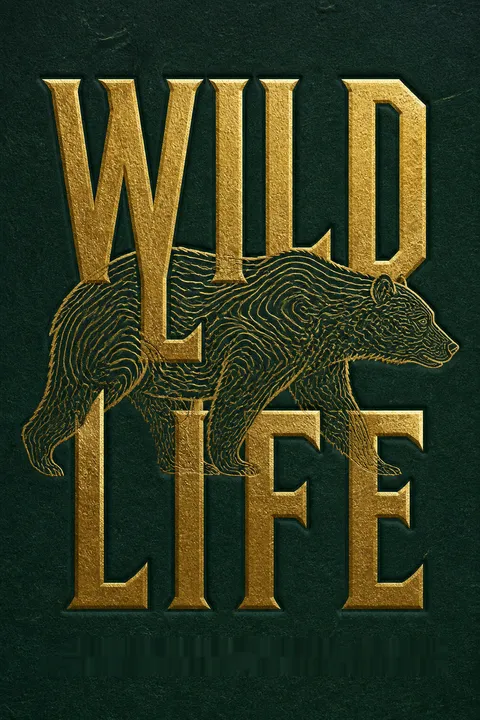
Childhood aspirations. From a young age, Rae Wynn-Grant was captivated by nature shows, dreaming of a "wild life" tracking animals in rainforests and savannas. However, the lack of diverse representation—seeing only white, middle-aged men as hosts—led her to believe this dream was unattainable for a Black girl. Her urban upbringing and parents' strict TV rules meant her early experiences with nature were limited, making the natural world feel distant.
Early challenges. Despite her passion, academic struggles in math and science classes further solidified her belief that a science career was not for her. A pivotal sixth-grade trip to Yosemite National Park, where she experienced California snowfall and a black bear sighting, ignited a deeper connection to the wilderness. This early exposure, though brief, planted seeds of a lifelong calling.
Racial awakening. A move from diverse San Francisco to predominantly white San Luis Obispo, and later to Norfolk, Virginia, exposed Rae to overt anti-Black racism. Incidents like being denied service at a hot dog stand and her brother being racially profiled by police highlighted systemic inequalities, making her feel like an outsider and fueling a desire for escape and hyper-independence.
2. Cultural Immersion Shapes Identity
Ironically, it seemed that my identity as a Black woman might prove to be more important in Africa than it had been at home in the US.
Kenya's call. Bored with classroom environmental science, Rae sought a "hard-core wildlife ecology study-abroad program," leading her to Kenya. Her arrival was met with surprise by staff who didn't expect a Black American student, immediately highlighting her unique identity in Africa. This immersion became a profound journey of self-discovery and cultural exchange.
Challenging perceptions. Living off the grid within a Maasai community, Rae engaged in deep conversations about Black identity, slavery, and racial injustice with both her white classmates and Kenyan staff. An incident where a Maasai community member informed her of Hurricane Katrina's devastation, weeks before she received official news, shattered her optimistic view of racial progress in America and forced her to confront harsh realities.
Personal transformation. The physical dangers of the African bush, from scorpions in boots to a lioness circling her tent, pushed Rae's limits and solidified her resolve to pursue wildlife conservation. The experience also led her to embrace her natural hair, cutting off her braids as a symbol of freedom from societal expectations, and to participate in a Maasai goat slaughter, connecting her deeply to the culture and the cycle of life.
3. Navigating Complex Human-Wildlife Conflicts
For the first time in my career, I was faced head-on with questions and doubts about the validity of my work.
Tanzanian fieldwork. During her master's research in Tanzania, Rae studied human-lion conflict, tracking lions to understand their movements and habitat preferences. This hands-on experience, including identifying individual lions by their whisker patterns and naming a new lion "Michael Jackson," deepened her appreciation for these magnificent creatures. However, the reality of conservation work soon presented stark ethical dilemmas.
Ethical dilemmas. News of lion attacks on Maasai villagers, leading to retaliatory killings of lions, forced Rae to confront the tragic intersection of human and animal needs. Witnessing the aftermath of a lion attack and the subsequent community response challenged her scientific perspective, revealing that justice was not always "black or white" but filled with "shades of gray."
Beyond wildlife. The discovery of a poached giraffe, and the subsequent sharing of its meat among the Maasai community, highlighted the complex socio-economic factors driving human-wildlife conflict. Rae realized that conservation efforts must address human dignity and livelihoods, especially in communities facing economic inequality, rather than solely focusing on animal protection. This experience underscored that "humans are a part of the environment."
4. Mentorship Fuels Academic Breakthroughs
To him, this exchange was merely a couple of sentences in the middle of an enjoyable social event. But for me, it may have been the exact point of inflection where my trajectory solidified.
Supportive professors. At Emory, a calculus professor's belief that "no one is bad at math" and his offer of extra help transformed Rae's academic confidence. Dr. Frances Smith Foster's "Becoming a Woman" seminar provided a safe space for self-reflection, helping Rae navigate personal turmoil and embrace her identity as a young woman of color. These early mentors were crucial in her academic journey.
Yale and Columbia. Dr. Susan Clark, Rae's advisor at Yale, deeply empathized with her identity as a Black woman in science and encouraged her dream of studying lions. A chance introduction by Dr. Dave Skelly to Columbia faculty, followed by Dr. Eleanor Sterling's persistent advocacy despite low test scores, secured Rae's admission to a fully funded PhD program. This demonstrated the power of mentorship in overcoming systemic barriers.
Overcoming imposter syndrome. Despite initial struggles and a "B minus" in an ecology class at Columbia, Rae excelled, finding her groove in academia. Her experience teaching about East African environmental policy to her peers, facilitated by a supportive grad student, transformed her "double life" into a singular, confident identity as a scientist and educator.
5. Reconciling Personal Desires with Expectations
I didn’t know the rule book for women who were on an expedition but in their real life were married with a baby.
Marriage and motherhood. After her PhD, Rae married Oba, a stable and dependable lawyer, and they had a daughter, Zuri. While she achieved many societal markers of success, Rae felt a growing sense of confinement and an "identity crisis" in her domestic life. Her husband's preference for a traditional wife who prioritized home over extensive fieldwork clashed with her adventurous spirit.
The Madagascar affair. An opportunity to lead a rapid biodiversity survey in Madagascar, working with Logan, a charismatic nature photographer, reignited Rae's passion for adventure and her desire to be "seen." The expedition became a space where she felt "younger, freer," leading to an affair that provided the physical and emotional intimacy she felt was lacking in her marriage. This experience, while exhilarating, also created deep internal conflict.
Panama with Zuri. Faced with Oba's disapproval of her travel and her mother's unavailability for childcare, Rae decided to bring two-year-old Zuri on a jaguar tracking expedition to Panama. This unconventional choice, driven by a refusal to let parenting be a barrier to her career and joy, became a powerful statement of her determination to integrate her roles as a mother and a field researcher.
6. Confronting Self-Betrayal and Incompatibility
For so long I had been blaming Oba, telling myself and telling Logan that I’d been trapped in my marriage. But while working with my therapist, who often sat in silence as I spilled my soul onto the office floor, I finally said the truest words I’d ever spoken: 'I trapped myself.'
Logan's deception. The Panama trip revealed Logan's manipulative nature and the hollowness of their affair. Delays and unfulfilled promises regarding the jaguar research, coupled with the discovery of his past deceptions (including a previous affair with Leona), shattered Rae's trust. This forced her to confront the "huge, incalculable lie" she had been living.
Confession and therapy. Returning home, Rae confessed her affair to Oba, leading to a period of intense marriage counseling. Through this process, she realized their fundamental incompatibility: Oba desired a traditional wife, while Rae craved adventure and freedom. Her therapist helped her understand that she had "trapped herself" by not honestly communicating her needs and desires earlier in the relationship.
Painful truths. Accepting responsibility for her choices, including the betrayal and the impact on her family, was a painful but necessary step towards healing. The realization that she had compromised her own values and self-worth for external validation was a profound turning point, leading her to seek a life aligned with her authentic self, even if it meant divorce.
7. Finding Voice Amidst Institutional Racism
To me, it felt as though my boss cared about the reputation of the American Museum of Natural History and her job security more than protecting me from discriminatory treatment.
Racism at AMNH. As a Conservation Science Research and Teaching Postdoctoral Fellow at the American Museum of Natural History, Rae was the only Black full-time biologist. She faced overt racism, including being physically blocked from her office floor by a staff member who assumed she wasn't a scientist. This experience, witnessed by her Black high school interns, highlighted the systemic racism within prestigious institutions.
Censorship and advocacy. Rae's media appearances, where she openly discussed being the "only Black biologist" at AMNH, led to a confrontation with her boss. She was asked to "find a more careful way of communicating," which Rae perceived as censorship aimed at protecting the museum's reputation rather than addressing the lack of diversity. This fueled her commitment to social justice.
Prioritizing dignity. The conflict at AMNH, coupled with her personal turmoil, led Rae to a critical realization: her dignity and commitment to "black and brown liberation" outweighed the prestige of her job. She decided to leave AMNH, recognizing that forging a path in a "dense rainforest" was easier than navigating a "bureaucratic institution" that resisted meaningful change.
8. The Power of Prioritizing Self
Saying no gave me something I didn’t realize I needed: permission to do less.
Moving to DC. In 2018, Rae moved to Washington, DC, with Zuri, determined to pursue her professional goals at National Geographic. Despite securing a fellowship and a new apartment, she experienced severe anxiety and depression, realizing she had been "hustling" to avoid sitting still and processing her traumas. This period forced her to prioritize her mental health.
Healing and new love. Through intensive therapy, Rae confronted her fear, her need for external validation, and her obsession with work, learning to separate her worth from her career. This self-work allowed her to heal and open up to a new relationship with Dave, a former colleague who offered unconditional love, respect, and support for her adventurous spirit, contrasting sharply with her previous experiences.
Permission to do less. An opportunity to lead a gorilla research expedition in the Congo Basin initially overwhelmed Rae. Realizing she had been pushing herself too hard, she made the surprising decision to decline the leadership role and instead recommended a local guide, Romeo, to teach the field course. This act of saying "no" to a demanding opportunity gave her "permission to do less" and allowed her to be available for opportunities that truly aligned with her evolving needs.
9. Redefining Success Through Interdependence
Success is not an arrival—it unfolds over time.
A dream realized. In 2020, fifteen years after discovering her passion, Rae was offered a segment on a National Geographic nature show, fulfilling her childhood dream. This moment, despite coinciding with the early days of the COVID-19 pandemic and an early, challenging pregnancy, affirmed that "dreams manifest differently from the way you had pictured."
The Minnesota bear. During filming, Rae witnessed a profound event: a tranquilized mother bear suffocated in her den but was revived through CPR by the field team. This near-tragedy, and the collective effort to save the bear, served as a powerful metaphor for Rae's own life—suffocated by expectations but revived by turning to her "work—to the locales, people, and animals in which I found solace."
Embracing complexity. The experience solidified Rae's understanding of interdependence, both in ecosystems and in her personal life. She realized that her "place in this great big ecosystem was complex and diverse and necessary to its survival," much like the bears she studied. This shift in perspective, embracing her multifaceted identity and prioritizing her well-being, catalyzed her most impactful work and allowed her to "breathe all on her own."
People Also Read

Download PDF
Download EPUB
.epub digital book format is ideal for reading ebooks on phones, tablets, and e-readers.








































