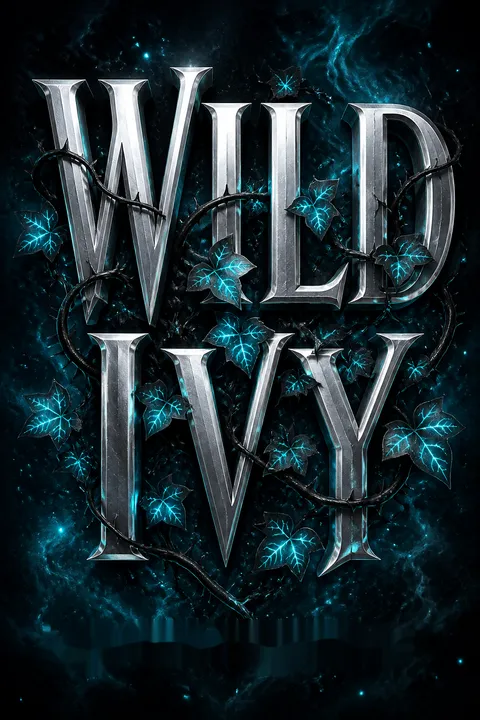

Plot Summary
Betrayal and Awakening
Ivy's world collapses when she discovers her best friend Lila and boyfriend Kai in bed together, shattering her trust and sense of belonging. The pain of this betrayal is compounded by the loss of her parents, leaving Ivy emotionally raw and isolated. Years later, this wound is ripped open again when Lila, revealed as the embodiment of Life, confronts Ivy, now the new Death. The revelation that Lila's friendship was a calculated manipulation for cosmic ends devastates Ivy, but also awakens a fierce determination. Ivy's pain becomes the crucible for her transformation, as she inherits Death's mantle and the responsibility to maintain the balance between life and death. The emotional fallout from betrayal becomes the foundation for Ivy's new power and purpose.
Death's Mantle Claimed
In the aftermath of Lila's revelation, Ivy is forced to explain her new identity to her lovers—Bram, Torin, and Tate. The transition is fraught with tension, as the group grapples with the implications of Ivy's ascension and the cosmic war brewing between Life and Death. Ivy's acceptance of her role is not just a personal transformation but a declaration of war against Life's machinations. The group's dynamic shifts as Ivy's power grows, and the men must decide whether to support her unconditionally or risk losing her to the responsibilities of her new station. The emotional stakes are heightened as Ivy's humanity is tested by the weight of her new power, and the group's unity is both a source of strength and vulnerability.
Unraveling Time's Damage
The group's previous attempt to reverse time to save Ivy and Tate has catastrophic consequences. The fabric of reality is torn, resurrecting the dead and unleashing ancient beings like Lilith and Morrigan. The world is now a patchwork of timelines, with familiar faces altered or erased. Ivy and her lovers must confront the unintended consequences of their actions, including the return of Torin's abusive father and the erasure of key relationships. The group is forced to split up to assess the damage, each encountering threats and revelations that test their resolve. The sense of guilt and responsibility weighs heavily, as they realize that their selfishness has endangered the entire supernatural world.
Ancient Powers Return
The time reversal has not only resurrected the dead but also unleashed primordial forces. Lilith, the mother of demons, and Morrigan, the goddess of war and fate, return, each seeking to reclaim lost power now residing in Ivy and Bram. These confrontations are both physical and psychological, as Ivy and Bram are forced to defend their stolen magicks while grappling with the seductive allure and existential terror of these ancient beings. The group's unity is tested as they face threats that are beyond their understanding, and the lines between ally and enemy blur. The return of these powers signals that the old order is collapsing, and a new, more dangerous era is beginning.
The Cost of Reversal
The group is confronted with the personal cost of their actions as they encounter friends and lovers who no longer remember them, and enemies who have returned more powerful than before. Ivy's guilt over the erasure of relationships and the suffering caused by their time manipulation is palpable. The group debates whether to undo their actions, knowing it may mean sacrificing themselves or each other. The emotional toll is immense, as they are forced to confront the reality that some mistakes cannot be undone without further sacrifice. The chapter is a meditation on the price of power and the limits of redemption.
The Gathering Storm
As the group regroups, they realize that Life is gathering her own forces, including the possibility of an alliance with Morrigan. The threat is not just physical but existential, as Life seeks to end death itself, threatening the natural order. Ivy and her lovers must prepare for a war on multiple fronts, rallying their own army of damned souls while navigating shifting alliances and betrayals. The tension is heightened by the knowledge that their enemies know them intimately, and that the coming conflict will test not just their power but their very identities.
Sacrifice and Strategy
The group debates how to fix the timeline without losing Ivy again. Tate's ancestral magick offers a possible solution, but the risk is immense—if they fail, reality itself could collapse. The group's unity is tested as they argue over who should bear the burden of sacrifice. Ivy's willingness to risk herself for the greater good is both inspiring and heartbreaking, as her lovers struggle to accept the possibility of losing her. The chapter is a study in leadership, love, and the cost of doing what is necessary.
Army of the Damned
Ivy learns to wield her new power, summoning an army of the worst souls ever collected by Death. The process is both exhilarating and terrifying, as she must assert her dominance over beings who have no loyalty or morality. The group tests the army's obedience, discovering that fear and the promise of redemption are powerful motivators. The souls' hunger for freedom and chaos is a constant threat, and Ivy must balance compassion with ruthlessness. The chapter explores the nature of power, the possibility of redemption, and the dangers of unchecked authority.
Resetting the Cycle
Guided by the wisdom of past Deaths, Ivy and her lovers perform a ritual to reset the timeline and restore the balance between life and death. The process is harrowing, as they must channel their collective power and risk being torn apart by the forces they unleash. The ritual is both a physical and spiritual ordeal, forcing each character to confront their deepest fears and desires. The success of the ritual is uncertain until the last moment, and the aftermath leaves the group changed in ways they cannot fully comprehend. The chapter is a meditation on fate, free will, and the cyclical nature of existence.
Aftermath and Desire
In the wake of the ritual, the group is physically and emotionally exhausted. Their relationships are tested by the trauma of what they have endured, but also deepened by their shared survival. Intimacy becomes both a refuge and a means of reclaiming agency in a world that has been upended. However, the peace is short-lived, as new threats emerge—Morrigan's refusal to reclaim her power, the possibility of Life and Morrigan joining forces, and the uncertainty of the soul army's loyalty. The chapter explores the interplay of love, lust, and power in the aftermath of catastrophe.
New Threats, Old Wounds
The group learns that Morrigan is now a wild card, her power refusing to return to her and instead evolving within Bram. Life's agenda becomes clearer—she seeks to become the sole force in the universe, erasing death and the cycle itself. The group must navigate new alliances, including the possibility of working with former enemies, while dealing with the resurfacing of old wounds and unresolved traumas. The chapter is a study in trust, forgiveness, and the necessity of adaptation in the face of changing circumstances.
The Soul Army's Test
Ivy tests the loyalty and capabilities of her soul army, facing resistance and the threat of rebellion. The process is fraught with danger, as the souls are powerful and unpredictable. Ivy must assert her authority while offering the possibility of redemption, balancing fear and hope. The group's unity is tested as they confront the reality that their greatest weapon may also be their greatest liability. The chapter explores the nature of leadership, the limits of control, and the possibility of change even for the damned.
Temptations and Alliances
The group ventures into a sentient, magickal forest in pursuit of Life, facing illusions and temptations designed to separate and destroy them. Each character is confronted by their deepest fears and desires, forced to confront alternate versions of themselves and the possibility of failure. The forest becomes a crucible, testing their unity and resolve. The chapter is a meditation on identity, temptation, and the necessity of facing one's own darkness in order to move forward.
Into the Living Forest
The group's journey through the forest becomes increasingly surreal, as reality bends and shifts in response to their thoughts and emotions. The forest tests their ability to work together, forcing them to rely on trust and intuition rather than power alone. The chapter is a study in adaptation, resilience, and the importance of connection in the face of chaos.
Facing the Void
Ivy is trapped in the transformed Void, now a cosmic nursery for souls awaiting rebirth. She must learn to guide souls through the cycle of death and rebirth, confronting her own grief and the legacy of her parents. The process is both healing and painful, as Ivy comes to terms with her new role as the guardian of transformation. The chapter is a meditation on grief, acceptance, and the possibility of renewal.
The Ritual's Price
The group performs a final, desperate ritual to anchor Ivy's new power and stabilize reality. Each member undergoes a personal transformation, becoming vessels for new forms of magick and guardians of the new order. The process is both excruciating and transcendent, as they are remade to fit the needs of the changing world. The chapter is a study in sacrifice, evolution, and the necessity of embracing change.
Becoming the Balance
Ivy's transformation is complete—she becomes the living embodiment of the cycle, capable of guiding souls through death and into new life. Her lovers become her anchors, each embodying a different aspect of the new order. The group's unity is both a source of power and a symbol of the new balance. The chapter is a meditation on integration, harmony, and the possibility of transcendence.
The Final Confrontation
Life, desperate and dying, attempts to reset reality and erase the cycle. Ivy and her lovers confront her in a battle that is both physical and metaphysical, fighting not just for survival but for the future of existence itself. The confrontation is brutal and costly, but ultimately Ivy's understanding of balance and transformation allows her to prevail. Life is defeated, and the old order is replaced by a new, more fluid cycle.
Rebirth and New Beginnings
In the aftermath, Ivy and her lovers find peace and purpose in their new roles. The soul space becomes a place of healing and renewal, and the group contemplates founding a new academy to guide others through the challenges of power and transformation. Old wounds are healed, friendships are restored, and the promise of new beginnings is embraced. The chapter is a celebration of resilience, love, and the endless possibility of rebirth.
Analysis
Wild Ivy is a dark, emotionally charged exploration of power, transformation, and the necessity of embracing change. At its core, the novel is a meditation on the cyclical nature of existence—the inevitability of death, the possibility of rebirth, and the importance of balance. Through Ivy's journey from betrayal and loss to cosmic ascension, the story interrogates the limits of control, the dangers of nostalgia, and the futility of denying change. The narrative's nonlinear structure, shifting alliances, and frequent use of rituals and sacrifice reinforce the central theme that true power lies not in domination or preservation, but in adaptation and integration. The relationships between Ivy and her lovers serve as both a source of strength and a crucible for growth, illustrating the importance of connection, vulnerability, and collective action. The transformation of the Void into a place of healing and renewal is a powerful metaphor for the possibility of redemption, even for the most damaged souls. Ultimately, Wild Ivy is a celebration of resilience, love, and the endless possibility of new beginnings—a reminder that every ending is also a beginning, and that the only constant is change.
Review Summary
Wild Ivy, the final installment in the Kings of Thornfield trilogy, receives overwhelmingly positive reviews with a 4.1 rating. Readers praise the book's action-packed plot, intense romance, unexpected twists, and satisfying conclusion. Many highlight the exceptional character growth of Ivy and her four love interests, particularly appreciating the emotional depth and spicy scenes. Reviewers love the connections to the author's other series, including cameos from Professor Blackthorn and MistHallow. Most readers express sadness the trilogy ended while hoping for future spin-offs or crossover appearances.
People Also Read

Characters
Ivy Hammond
Ivy is the emotional and narrative center of the story, evolving from a betrayed, grieving shifter into the living embodiment of Death—and ultimately, the cycle of life, death, and rebirth. Her journey is marked by trauma, loss, and the constant threat of annihilation, but also by resilience, compassion, and a fierce will to protect those she loves. Ivy's relationships with Bram, Torin, and Tate are both a source of strength and vulnerability, grounding her humanity as she ascends to godlike power. Psychologically, Ivy is defined by her struggle to reconcile her mortal emotions with her cosmic responsibilities, ultimately finding peace in the acceptance of her role as the guardian of transformation. Her development is a testament to the power of adaptation, forgiveness, and the necessity of embracing change.
Bram Sinclair
Bram is a Dark Fae whose journey mirrors Ivy's in many ways. Initially defined by his wild, untamed magick and a brooding, possessive nature, Bram becomes the vessel for Morrigan's wild magick, evolving into a godlike being capable of manipulating the spaces between realities. His relationship with Ivy is intense and often tumultuous, marked by both passion and rivalry. Bram's psychological arc is one of acceptance—of his own power, his role as Ivy's anchor, and the necessity of letting go of old identities. His development is a study in the balance between control and surrender, and his willingness to evolve becomes crucial to the group's survival.
Torin
Torin is a rare vampire born with true mage power, making him a living contradiction and a natural bridge between old and new supernatural orders. His journey is marked by a struggle to reconcile his vampiric heritage with his mage abilities, and by a fraught relationship with his manipulative mother. Torin's psychological arc is one of self-acceptance and the rejection of toxic legacies. As he embraces chaos magick and his role as an anchor for Ivy, Torin becomes a symbol of the possibility of integration and the necessity of challenging tradition. His loyalty, wit, and willingness to adapt make him both a stabilizing force and a catalyst for change.
Tate Well
Tate is Ivy's fated mate, marked by a soul bond that transcends death. His ancestral magick connects him to the cycles of nature, growth, and decay, making him a natural complement to Ivy's power. Tate's journey is one of self-discovery, as he learns to harness the collective wisdom and power of his lineage. Psychologically, Tate is defined by his resilience, adaptability, and deep sense of responsibility. His development is a meditation on the importance of roots, the value of tradition, and the necessity of embracing change. Tate's role as a teacher and guide becomes increasingly important as the group contemplates founding a new academy.
Lila / Life
Lila, once Ivy's best friend, is revealed to be the vessel for Life, the primordial force seeking to end death and control existence. Her betrayal is both personal and cosmic, shattering Ivy's trust and setting the stage for the central conflict. Psychologically, Lila/Life is defined by fear—of loss, change, and the inevitability of death. Her refusal to accept the cycle becomes her undoing, as her attempts to control and preserve ultimately lead to her own destruction. Lila's arc is a cautionary tale about the dangers of denial, the futility of control, and the necessity of embracing transformation.
Morrigan
Morrigan is an ancient being whose return signals the collapse of the old order. Her power, once absolute, is now evolving within Bram, forcing her to confront her own obsolescence. Morrigan's psychological arc is one of reluctant acceptance—of her diminished role, the necessity of change, and the possibility of finding new purpose as a teacher and guide. Her relationship with Bram is both adversarial and maternal, and her willingness to let go of power becomes a model for the other characters.
Ramsey
Ramsey is Ivy's best friend and handler in The Syndicate, providing emotional support, practical advice, and a grounding presence throughout the story. His relationship with Ivy is marked by loyalty, honesty, and a willingness to challenge her when necessary. Psychologically, Ramsey is defined by his pragmatism, resilience, and deep sense of responsibility. His decision to remain at Thornfield and guide The Syndicate through its transformation is a testament to the importance of stability and the value of friendship.
Josh
Josh is Ramsey's boyfriend and a key member of The Resistance. His role is less prominent but crucial, providing emotional support and practical assistance during crises. Psychologically, Josh is defined by his calm, steady presence and his ability to adapt to changing circumstances. His partnership with Ramsey serves as a model for healthy, supportive relationships.
Professor Blackthorn
Blackthorn is the headmaster of MistHallow Academy, a being of immense power and knowledge. His role is that of a guide and facilitator, helping Ivy and her group understand and harness their evolving powers. Psychologically, Blackthorn is defined by his patience, wisdom, and willingness to adapt to changing circumstances. His mentorship is crucial to the group's survival and the success of their transformation.
Aunt Cathy
Aunt Cathy is Ivy's surrogate mother and a powerful practitioner of chaos magick. Her role is both practical and emotional, providing guidance, support, and tough love when needed. Psychologically, Cathy is defined by her resilience, adaptability, and deep love for Ivy. Her willingness to challenge tradition and embrace change makes her a model for the new order.
Plot Devices
Time Reversal and Its Consequences
The group's decision to reverse time to save Ivy and Tate is the catalyst for the entire narrative, unleashing chaos, resurrecting the dead, and fracturing reality. This device serves as both a plot engine and a metaphor for the dangers of unchecked power and the impossibility of undoing the past without consequence. The narrative structure is nonlinear, with frequent flashbacks, alternate realities, and the blending of past and present, reflecting the instability of the world and the characters' psyches.
The Mantle of Death and the Cycle
The passing of Death's mantle to Ivy is both a literal and symbolic device, marking her transition from victim to agent of change. The cycle of life, death, and rebirth becomes the central metaphor, with Ivy's journey mirroring the transformation of the world itself. The device is used to explore themes of fate, free will, and the necessity of embracing change.
The Army of Souls
Ivy's command of the souls of the damned serves as both a weapon and a test of her leadership. The army is a metaphor for the weight of past actions, the possibility of redemption, and the dangers of unchecked authority. The device is used to explore the nature of power, the possibility of change, and the necessity of balancing fear and hope.
Ancient Powers and Shifting Alliances
The return of ancient beings like Lilith and Morrigan signals the end of the old order and the necessity of adaptation. The shifting alliances and betrayals reflect the instability of the world and the characters' psyches. The device is used to explore the dangers of nostalgia, the futility of control, and the necessity of embracing transformation.
Rituals and Sacrifice
The group's repeated use of rituals to fix reality, anchor power, and reset the cycle serves as both a plot engine and a metaphor for the cost of change. The rituals are physically and emotionally taxing, forcing the characters to confront their deepest fears and desires. The device is used to explore themes of sacrifice, leadership, and the necessity of collective action.
The Void and the Soul Space
The transformation of the Void from a place of stagnation to a cosmic nursery for souls is both a plot device and a metaphor for the possibility of healing and renewal. The device is used to explore themes of grief, acceptance, and the cyclical nature of existence.
Narrative Structure and Foreshadowing
The narrative is structured around cycles—of betrayal and forgiveness, death and rebirth, loss and renewal. Flashbacks, alternate realities, and the blending of past and present are used to foreshadow future events and reinforce the central theme of transformation. The device is used to create a sense of inevitability, while also allowing for moments of surprise and revelation.
About the Author
Other books by Eve Newton
Download PDF
Download EPUB
.epub digital book format is ideal for reading ebooks on phones, tablets, and e-readers.








































