
Plot Summary
Christmas Eve Crisis
On Christmas Eve, Antonia "Toni" Gallo, head of security at Oxenford Medical, discovers a critical discrepancy: two doses of a top-secret antiviral drug are missing from the lab's most secure vault. The lab, housed in a fortified Scottish mansion known as the Kremlin, is on high alert. Toni's meticulous investigation reveals that Michael Ross, a quiet technician, is absent and unreachable. As the night deepens, the possibility of a viral breach looms, and Toni's sense of responsibility intensifies. Her determination to protect the public, the company, and her own career sets the stage for a night of relentless pursuit, suspicion, and mounting dread.
The Missing Technician
Toni's investigation leads her to Michael Ross's isolated cottage. With a decontamination team, she discovers Michael gravely ill, bleeding from every orifice—a victim of the deadly Madoba-2 virus. The scene is harrowing: Michael had smuggled a rabbit out of the lab, likely infected himself while trying to save it, and attempted to self-administer the missing drug. The team's efforts to save him fail; Michael dies, and his home is quarantined. Toni's guilt is palpable, but her detective instincts uncover Michael's growing unease with animal testing and his ties to animal rights groups. The incident is contained, but the emotional and professional fallout for Toni is just beginning.
Viral Outbreak Unveiled
News of Michael's death leaks to the press, triggering a media storm and animal rights protests outside Oxenford Medical. The company's reputation is at stake, and Toni must manage both the crisis and her own self-doubt. Chairman Stanley Oxenford, a brilliant but emotionally scarred scientist, supports Toni, recognizing her integrity and skill. Together, they orchestrate a press conference to reassure the public and investors. The threat of American backers pulling funding looms, and the specter of a catastrophic outbreak hangs over the company. The emotional toll on Toni and Stanley is deepened by their growing, unspoken attraction.
Family Tensions Surface
As Christmas approaches, Stanley's fractured family converges at his remote home, Steepfall. His daughters, Miranda and Olga, bring their own families, while his troubled son Kit reluctantly joins. Old wounds resurface: Kit's history of theft and gambling, Miranda's secret affair with her brother-in-law Hugo, and Olga's bitterness over inheritance. The family's dynamic is a mix of love, rivalry, and unresolved pain. Stanley's longing for connection is palpable, as is Toni's outsider status. The stage is set for both reconciliation and disaster as personal and professional crises intertwine.
Kit's Desperate Gamble
Kit, burdened by massive gambling debts to gangster Harry Mac, is coerced into orchestrating a heist at Oxenford Medical. Using his insider knowledge as the lab's former security software designer, Kit partners with ruthless criminals—Nigel, Daisy, and Elton—to steal the antiviral drug. The plan is meticulously timed for Christmas Eve, exploiting the chaos of the viral incident. Kit's motivations are a toxic mix of desperation, resentment toward his father, and a gambler's thrill. As the heist approaches, Kit's anxiety mounts, and his actions set in motion a chain of events that will endanger his family and countless others.
Security Breach at Kremlin
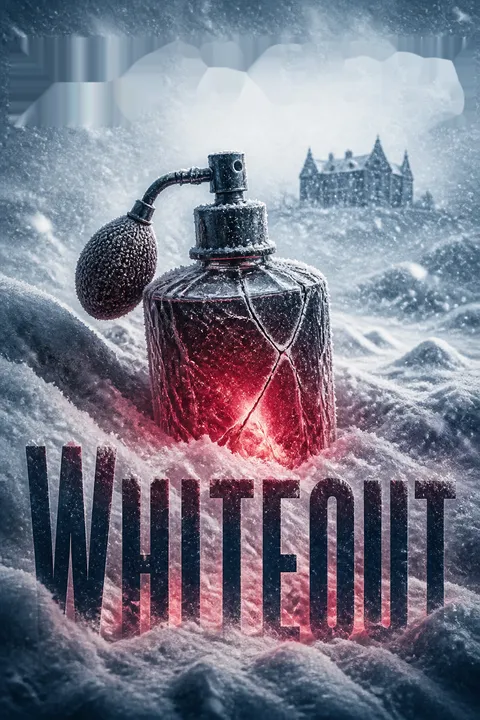
Disguised as telecom repairmen, Kit and his accomplices infiltrate the Kremlin, exploiting the phone system's sabotage and the distraction of the ongoing crisis. They subdue the security guards with violence, tie them up, and use Kit's stolen access card to enter the BSL4 lab. The gang's true objective is revealed: not just the antiviral drug, but samples of the deadly Madoba-2 virus itself. The virus is transferred into a perfume spray bottle, creating a portable weapon of mass destruction. The heist is brutal and efficient, but not without mistakes—Toni's vigilance and the worsening snowstorm complicate their escape.
The Heist Unfolds
As the gang flees the Kremlin, the snowstorm traps them near Steepfall. Seeking refuge, Kit leads them to his family's home, spinning a story of stranded travelers. The criminals' presence quickly turns menacing, and the family's suspicions grow. Tensions explode when Kit's complicity is revealed, and the gang takes the family hostage. Violence erupts: Hugo is beaten, Stanley is humiliated, and the children are threatened. The virus, now in a disguised perfume bottle, becomes the ultimate bargaining chip. Kit's moral collapse is complete, and the family's survival hangs by a thread.
Snowbound and Trapped
The blizzard isolates Steepfall, cutting off phones and escape routes. The gang, desperate to make their rendezvous with a terrorist buyer, rounds up the family, tying and gagging them in the pantry. The children—Craig, Sophie, Tom, and Caroline—become both pawns and potential saviors, hiding and plotting escape. Toni, having arrived to warn Stanley, is caught in the chaos but manages to evade capture. The psychological strain on the family is immense, as old grievances and new terrors collide. The snowstorm, once a festive backdrop, becomes a suffocating prison.
Hostages at Steepfall
As dawn breaks, the gang's control begins to slip. The children's resourcefulness—Craig's daring, Sophie's courage—creates cracks in the criminals' plans. Toni, armed with determination and a recovered pistol, orchestrates a counterattack. The family's unity, tested to the breaking point, becomes their strength. Kit, torn between self-preservation and guilt, wavers. The violence escalates: gunshots ring out, Daisy is run over and left for dead, and Nigel is wounded. The virus, always at the center, is both weapon and curse. The emotional climax is raw, as love, betrayal, and survival instincts clash.
Children in Peril
The children's subplot reaches its peak as Craig and Sophie, after a night of hiding and near-death experiences, confront Daisy in a deadly showdown. Craig's accidental heroism—running over Daisy with the Ferrari—saves Sophie and himself, but leaves them traumatized. Their ordeal mirrors the adult world's chaos, but also highlights resilience and the loss of innocence. The children's actions are pivotal, buying time for Toni and the adults to regain control. The family's fate rests as much on youthful bravery as on adult intervention.
Toni's Counterattack
Toni, battered but unbroken, seizes the initiative. She frees the hostages, confronts Kit and Nigel, and uses both force and persuasion to prevent further bloodshed. Her confrontation with Kit is especially charged—she appeals to his remaining conscience, urging him to help stop the virus's release. The emotional stakes are high: Toni's professional redemption, her love for Stanley, and the survival of the family all converge. Her actions are decisive, blending compassion and ruthlessness, and she emerges as the true hero of the crisis.
The Final Confrontation
As Kit and Nigel attempt their escape with the virus, a high-speed chase and violent crash bring them to the edge—literally and figuratively. Kit, holding the virus, threatens mass murder and suicide. Stanley's intervention—physically restraining his son on the cliff's edge—prevents catastrophe. The moment is fraught with grief, rage, and a glimmer of forgiveness. The family, battered and traumatized, is finally safe. The virus is recovered, but the scars—physical and emotional—are deep.
The Chase for the Virus
With the immediate threat contained, the focus shifts to the terrorist buyer awaiting the virus. Toni, working with police and her friend Odette at Scotland Yard, orchestrates a sting operation. Kit, broken but cooperative, helps set the trap. The virus, now fitted with a tracking device, is exchanged for cash at a remote airfield. The buyer, a shadowy financier, takes the bait, and the authorities close in. The tension is relentless, as the possibility of a global pandemic hangs in the balance.
The Terrorist Exchange
The virus changes hands, traveling from Scotland to London, where it is intended for use in a mass-casualty attack. Toni and Odette, using the tracking device, follow the trail to a theater packed with international tourists. The would-be terrorist, a young woman, is apprehended just as she prepares to unleash the virus. The scene is chilling—a reminder of how close disaster came. Justice is served, but the sense of vulnerability lingers.
London's Deadly Shadow
The aftermath of the crisis is global in scope. The authorities reflect on the narrow escape, the fragility of security, and the ever-present threat of bioterrorism. The Oxenford family, and especially Toni and Stanley, are lauded for their roles in averting catastrophe. The emotional toll is acknowledged: trauma, guilt, and the challenge of rebuilding trust. The world moves on, but the lessons of the ordeal remain.
Aftermath and Reckoning
A year later, the characters reckon with the consequences of their actions. Kit is imprisoned, Daisy faces a life sentence, and the surviving family members struggle to heal. Relationships are tested and redefined: Stanley and Toni marry, blending families and forging new bonds. The company survives, but the shadow of the crisis lingers. The narrative explores forgiveness, redemption, and the enduring scars of violence.
Healing and New Beginnings
The story closes on a note of cautious optimism. The Oxenford family, gathered in the Caribbean for Christmas, reflects on the past year's trials and triumphs. Toni and Stanley's marriage symbolizes renewal, while the younger generation—Craig, Sophie, Tom—embodies resilience and the promise of the future. The specter of the virus is gone, but the memory endures, shaping a family and a world forever changed.
Analysis
Ken Follett's Whiteout is a masterclass in high-stakes suspense, blending the intimate drama of a fractured family with the global threat of bioterrorism. At its core, the novel explores the fragility of security—personal, professional, and societal—and the ways in which trust, love, and integrity are tested under pressure. The Madoba-2 virus is both a literal danger and a metaphor for the contagion of fear, secrecy, and betrayal. Follett's narrative interrogates the ethics of scientific progress, the costs of ambition, and the redemptive power of truth and courage. The characters' psychological complexity—especially Toni's resilience, Stanley's longing for connection, and Kit's tragic self-destruction—grounds the thriller in emotional reality. The novel's structure, with its interwoven timelines and shifting perspectives, heightens suspense and allows for deep thematic exploration. Ultimately, Whiteout is a story about the possibility of healing—within families, within oneself, and within a world perpetually on the brink. Its lessons are timely: vigilance, compassion, and the willingness to confront hard truths are the only antidotes to the viruses—literal and figurative—that threaten us all.
Review Summary
Whiteout by Ken Follett receives mixed reviews averaging 3.68/5 stars. Readers praise its fast-paced thriller elements involving a stolen deadly virus, strong female protagonist Toni Gallo, and suspenseful plotting. However, many criticize awkward romantic subplots, particularly the May-December romance and teenage sexuality scenes. Some find characters cardboard and writing clunky with convenient plot devices. The science behind the fictional Madoba-2 virus is questioned for biological implausibility. While departing from Follett's historical fiction, fans either appreciated the modern thriller or felt disappointed by lower expectations compared to his acclaimed works.
People Also Read

Characters
Antonia "Toni" Gallo
Toni is the heart of the novel's moral and emotional arc. A former police officer forced out for her integrity, she brings relentless dedication to her role at Oxenford Medical. Her sense of responsibility is both her strength and her burden—she is haunted by guilt over every failure, yet refuses to give up. Toni's relationships are complex: she is respected but sometimes resented by colleagues, and her growing love for Stanley is both a source of hope and vulnerability. Psychologically, Toni is marked by a need for control and a fear of letting others down, but her courage and compassion ultimately define her. Her journey is one of redemption, leadership, and the search for belonging.
Stanley Oxenford
Stanley is a man of intellect and deep feeling, scarred by the loss of his wife and the betrayals of his children. As the founder of Oxenford Medical, he is both visionary and vulnerable—his life's work is threatened by forces beyond his control. Stanley's love for his family is fierce, but he struggles to connect, especially with his troubled son Kit. His relationship with Toni offers a chance at renewal, but he is torn between loyalty to the past and hope for the future. Psychologically, Stanley is driven by a need for legacy and redemption, and his arc is one of forgiveness, resilience, and the rediscovery of love.
Kit Oxenford
Kit is the novel's most tragic figure—a gifted but flawed man undone by addiction, resentment, and poor choices. His gambling debts and sense of alienation make him vulnerable to manipulation, leading him to betray his family and endanger the world. Kit's psychological profile is marked by insecurity, a craving for approval, and a self-sabotaging streak. His actions are both selfish and pitiable, and his eventual cooperation in stopping the terrorists hints at a capacity for remorse. Kit's journey is a cautionary tale of wasted potential and the possibility of redemption through truth.
Miranda Oxenford
Miranda is the emotional anchor of the Oxenford family, striving to hold everyone together amid chaos. Her own life is complicated by a secret affair with her brother-in-law and a relationship with the gentle but indecisive Ned. Miranda's psychological landscape is shaped by a longing for security, guilt over past mistakes, and a fierce protectiveness toward her son Tom. Her arc is one of self-forgiveness, acceptance, and the embrace of imperfect love.
Olga Oxenford
Olga is Stanley's eldest daughter, a formidable lawyer whose intellect and sarcasm mask deep insecurities. Her marriage to Hugo is stormy, and her relationship with her siblings is fraught with rivalry and resentment. Olga's psychological defenses are high—she fears vulnerability and loss of control. The crisis at Steepfall exposes her capacity for courage and loyalty, especially in defending her family. Her journey is one of humility, reconciliation, and the struggle to balance justice with compassion.
Hugo
Hugo is Olga's husband, a man whose wit and flirtatiousness conceal a lack of direction and fidelity. His affair with Miranda and subsequent beating at the hands of the criminals leave him physically and emotionally scarred. Hugo's psychological makeup is a mix of charm, insecurity, and a longing for approval. The trauma he endures forces him to confront his own weaknesses and the consequences of his actions. His arc is one of painful growth and the search for redemption.
Daisy
Daisy is the most dangerous of the criminals—a woman whose brutality and lack of empathy make her a true antagonist. Raised in a criminal environment, she channels her pain into violence, relishing the suffering of others. Psychologically, Daisy is a study in sociopathy, with flashes of vulnerability buried beneath layers of rage. Her interactions with the family, especially the children, are chilling. Daisy's arc is one of escalating violence and ultimate downfall, serving as a dark mirror to the novel's themes of family and morality.
Nigel
Nigel is the brains behind the heist, a professional thief whose motivations are purely financial. He is cold, efficient, and ruthless, willing to kill or betray anyone to achieve his goals. Psychologically, Nigel is detached, viewing others as tools or obstacles. His interactions with Kit and the gang reveal a capacity for manipulation and a lack of conscience. Nigel's arc is one of hubris and eventual defeat, embodying the dangers of unchecked ambition.
Elton
Elton is the technical expert of the gang, skilled but less hardened than Daisy or Nigel. He is pragmatic, focused on survival, and occasionally shows flashes of doubt or empathy. Psychologically, Elton is adaptable but morally ambiguous, willing to follow orders but not immune to fear. His arc is one of complicity and eventual capture, illustrating the costs of going along with evil.
Craig
Craig, Olga and Hugo's teenage son, represents the resilience and resourcefulness of youth. Thrust into danger, he rises to the occasion, protecting his cousin Sophie and confronting Daisy in a life-or-death struggle. Psychologically, Craig is shaped by a desire to prove himself, a budding sense of responsibility, and the confusion of adolescence. His arc is one of accelerated maturity, trauma, and the forging of identity through crisis.
Plot Devices
Parallel Crises and Interwoven Timelines
The novel employs a tightly interwoven structure, alternating between the professional crisis at Oxenford Medical and the personal drama at Steepfall. The ticking clock of the viral outbreak, the heist, and the snowstorm create a relentless sense of urgency. Foreshadowing is used effectively—Michael's death hints at deeper vulnerabilities, while Kit's gambling and resentment set up his betrayal. The use of children's perspectives adds emotional depth and suspense, contrasting innocence with the adult world's corruption. The narrative's shifting viewpoints allow for psychological insight and thematic resonance, as characters' choices ripple across the intertwined plots.
The Virus as Symbol and Threat
The virus is both a literal and symbolic device—representing not just biological danger, but the consequences of ethical compromise, secrecy, and betrayal. Its transfer into a perfume bottle is a masterstroke of narrative irony: something meant to attract becomes a weapon of mass destruction. The virus's journey—from lab to family home to terrorist hands—mirrors the spread of fear, guilt, and violence through the characters' lives. The threat of a pandemic amplifies the stakes, forcing characters to confront their deepest values and fears.
Family as Microcosm
The Oxenford family's dysfunction—secrets, rivalries, and longing for connection—parallels the larger crisis. The home, meant to be a sanctuary, becomes a battleground. The snowstorm isolates and intensifies the drama, turning the family into both victims and heroes. The interplay between personal redemption and collective survival is central: forgiveness, sacrifice, and the possibility of change are tested under extreme conditions.
Redemption and Moral Choice
The plot hinges on moments of moral decision: Toni's refusal to give up, Kit's eventual cooperation, Stanley's forgiveness, and the children's bravery. These choices are foreshadowed by earlier conflicts and pay off in climactic confrontations. The narrative structure allows for reversals and surprises—heroes falter, villains show vulnerability, and the line between good and evil blurs. The resolution is earned through struggle, loss, and the willingness to act despite fear.
About the Author



Download PDF
Download EPUB
.epub digital book format is ideal for reading ebooks on phones, tablets, and e-readers.








































