
Plot Summary
Letters to the Lost
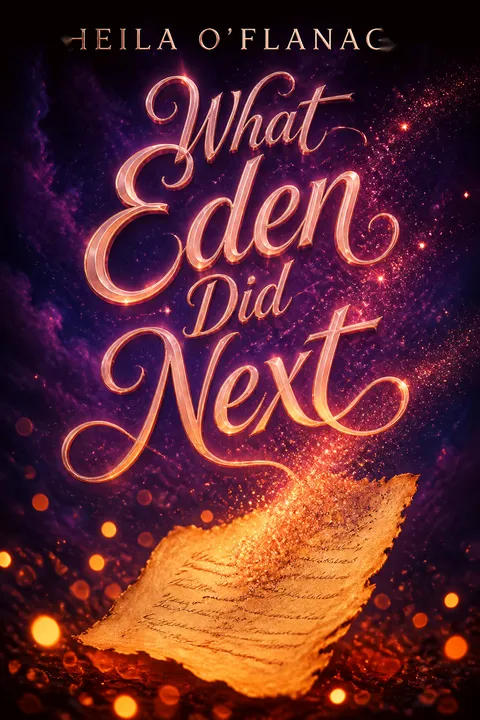
Five years after Andy's death, Eden still writes letters to him, pouring out her heart and daily life. These letters are her way of keeping him close, sharing her joys and struggles, and processing her grief. The act of writing is both a comfort and a ritual, a private space where she can be honest about her pain and her hopes for their daughter, Lila. Through these letters, Eden reveals her longing for the life they planned, her gratitude for Andy's family, and her struggle to move forward. The letters are filled with love, regret, and the ache of absence, setting the emotional tone for the journey ahead.
Five Years On
Eden's world is now defined by her role as a single mother to Lila, the daughter Andy never met. She is surrounded by Andy's loving family, who support her but also keep her tethered to the past. Eden works as a carer, a job that offers flexibility but little fulfillment. She is grateful for the Farrellys' kindness, yet sometimes feels overwhelmed by their constant presence and expectations. The pain of Andy's loss is ever-present, but Eden has learned to cope, finding small moments of joy in Lila's laughter and the routines of daily life. Still, she wonders if she will ever truly move on.
New Neighbours Arrive
The arrival of Rafe McConnell, a widower with a young daughter, Poppy, stirs curiosity and excitement in the close-knit community of Sycamore Grove. The neighbourhood, with its watchful WhatsApp group and lively residents, is abuzz with speculation about the new family. Eden, working as a carer for Elizabeth, an elderly neighbour, observes the unfolding drama from both inside and outside the circle. The Grove's women, in particular, are eager to welcome—and perhaps rescue—the handsome single father, projecting their own hopes and fantasies onto him. The stage is set for new relationships and old wounds to surface.
Past and Present Collide
A chance encounter at the seafront reveals that Rafe is none other than "Mac," Eden's childhood best friend from Galway. Their reunion is bittersweet, filled with nostalgia and the recognition of all that has changed. Both have endured profound loss—Eden her husband, Rafe his wife—and both are raising daughters alone. Their connection is immediate, but complicated by the weight of their pasts and the expectations of those around them. As they catch up over coffee, old memories resurface, and the possibility of something new begins to flicker between them.
The Weight of Family
Eden is deeply entwined with Andy's family, who have become her own. Valerie, her mother-in-law, is loving but overbearing, always reminding Eden of her duty to Lila and to Andy's memory. The Farrellys' support is both a blessing and a burden, making it difficult for Eden to assert her independence. Meanwhile, Rafe's family in Galway is similarly close-knit, with his sister Petra playing a protective role. Both Eden and Rafe struggle to balance their own needs with the expectations of their families, feeling pulled in multiple directions as they try to build new lives.
The Widower Next Door
Rafe's presence in Sycamore Grove becomes a focal point for the neighbourhood, especially among the women. Offers of help, baked goods, and playdates for Poppy abound, as the residents compete to be part of his new life. Eden observes this with a mix of amusement and discomfort, recognizing the double standard: a widower is seen as a romantic hero, while a widow is often viewed as a burden. The community's well-meaning interference highlights the challenges of starting over in a world that is quick to judge and slow to understand.
Unexpected Connections
As Eden and Rafe spend more time together—arranging playdates for their daughters, sharing memories, and supporting each other through daily struggles—their bond deepens. Both are cautious, wary of rushing into anything, but the attraction is undeniable. Their friendship offers a respite from grief, a space where they can be themselves without the weight of expectations. For Eden, Rafe represents a link to her past and a glimpse of a possible future. For Rafe, Eden is a reminder that happiness might still be within reach, even after unimaginable loss.
The Pull of the Past
Eden is torn between her loyalty to Andy's memory and her desire to move forward. She feels guilty for even considering a new relationship, fearing it would betray the vows she made to her late husband. The letters she writes to Andy become a battleground for her emotions, as she tries to reconcile her love for him with her growing feelings for Rafe. The past is ever-present, shaping her decisions and colouring her interactions with others. Eden's struggle is mirrored by Rafe, who is also haunted by the trauma of his wife's death and the responsibility of raising Poppy alone.
The Village Within the Grove
Sycamore Grove is more than just a street; it is a microcosm of society, with its own rules, alliances, and dramas. The residents look out for each other, but also gossip and compete. Elizabeth, Eden's client, becomes a confidante and advisor, offering wisdom from her own long life. The Grove's WhatsApp group is a constant presence, documenting every arrival, departure, and rumour. In this environment, Eden and Rafe must navigate not only their own feelings but also the opinions and interventions of their neighbours, who are always watching and always ready to help—or hinder.
The Dance of Grief
Eden and Rafe's relationship is a delicate dance, shaped by their shared experience of grief. They are drawn to each other, but both are afraid of moving too quickly or hurting those they love. Their intimacy is tentative at first, a series of small steps and missteps as they learn to trust again. The physical connection between them is both healing and fraught, as they grapple with the guilt of loving someone new. Through their relationship, they begin to understand that grief and love can coexist, and that moving on does not mean forgetting.
A Chance at Happiness
As Eden and Rafe grow closer, they begin to imagine a future together. Their daughters, Lila and Poppy, form their own bond, creating the beginnings of a new family. Eden's calligraphy business starts to flourish, giving her a sense of purpose and achievement. Rafe finds comfort in the routines of daily life and the support of his neighbours. Both are hesitant to fully embrace happiness, fearing it will be taken away, but they are learning to take risks and open their hearts. The possibility of joy, once unthinkable, becomes real.
The Pressure to Move On
Eden faces increasing pressure from Andy's family to "move on" and accept their offer to live with them in Dunleary, a seaside home that represents both a dream and a trap. Valerie's well-intentioned plans are suffocating, making Eden feel obligated to repay the family's kindness by sacrificing her own desires. Michelle, her sister-in-law, is both supportive and critical, questioning Eden's choices and her relationship with Rafe. The expectations of others weigh heavily, making it difficult for Eden to make decisions for herself and Lila.
The Offer of Dunleary
Valerie and Sean's offer of a self-contained extension in their newly renovated Dunleary home is generous, but comes with strings attached. The move would provide security, support, and a beautiful environment for Lila, but would also mean living under the constant gaze of Andy's family. Eden is torn between gratitude and resentment, knowing that accepting the offer would mean giving up her independence and any chance of a private life. The decision becomes a symbol of her struggle to define herself outside of her roles as widow, mother, and daughter-in-law.
The Temptation of Escape
The prospect of moving to Dunleary is both alluring and frightening. Eden imagines the peace and beauty of the seaside, the ease of having family support, and the opportunity to focus on her calligraphy. But she also fears being trapped in the past, unable to fully embrace a future with Rafe or anyone else. The move represents an escape from the pressures of daily life, but also a retreat from the possibility of real change. Eden must confront her own fears and desires, and decide what kind of life she wants for herself and Lila.
The Galway Return
A trip to Galway with Rafe and their daughters brings Eden face-to-face with her past. Visiting her old neighbourhood, reconnecting with Rafe's family, and seeing the places she once called home forces her to confront the losses and choices that have shaped her life. The journey is both healing and unsettling, as Eden realizes how much she has changed—and how much she still carries with her. The experience helps her see that the past does not have to define her, and that she can choose what to bring forward into her future.
The Choice of Home
Eden is at a crossroads, torn between the safety of Dunleary and the freedom of her own home in Dublin. The decision is complicated by the needs of Lila, the expectations of the Farrellys, and her feelings for Rafe. Through conversations with friends, family, and her own heart, Eden comes to understand that home is not just a place, but a state of being. She realizes that she must choose for herself, even if it means disappointing those she loves. The act of choosing becomes an assertion of her own identity and agency.
The Breaking Point
Tensions come to a head as Eden finally confronts Valerie and the rest of Andy's family about her decision not to move to Dunleary. The conversation is painful, filled with accusations, misunderstandings, and raw emotion. Eden stands her ground, insisting on her right to live her own life and make her own choices. The confrontation is both liberating and heartbreaking, as she acknowledges the debt she owes to the Farrellys but refuses to let it dictate her future. In claiming her independence, Eden takes a crucial step toward healing.
The Power of Saying No
Eden's decision to stay in Dublin and pursue her relationship with Rafe is an act of self-love and courage. She recognizes that she can honour Andy's memory without sacrificing her own happiness. The process of letting go is both painful and necessary, as Eden burns the letters she wrote to Andy, symbolically closing a chapter of her life. She embraces the idea that love is not finite, and that it is possible to love again without diminishing what came before. By saying no to Dunleary, she says yes to herself.
The Layering of Love
With the support of Rafe, her friends, and even her aunt Trudy—who recovers from a stroke and offers wisdom from her own unconventional life—Eden learns to layer new love over old. She accepts that happiness is possible, even after loss, and that she deserves to pursue it. The blending of families, the flourishing of her calligraphy business, and the deepening of her relationship with Rafe and their daughters mark the beginning of a new chapter. Eden is no longer defined by grief, but by the choices she makes and the love she gives and receives.
A New Beginning
Eden and Rafe's relationship becomes public at his house-warming party, where they are surrounded by friends, neighbours, and family. The community celebrates not only their union but also the resilience and courage it took to get there. Eden's final letter to Andy is a farewell, a recognition that she will always love him but no longer needs to hold on so tightly. She is ready to live fully in the present, embracing the messy, beautiful, and unpredictable nature of life. The story ends with Eden looking to the future, hopeful and at peace.
Analysis
Sheila O'Flanagan's What Eden Did Next is a nuanced exploration of grief, resilience, and the messy, beautiful process of moving forward after loss. The novel's modern relevance lies in its honest portrayal of blended families, the pressures of societal and familial expectations, and the challenge of asserting one's own needs in the face of well-meaning interference. Eden's journey is both deeply personal and universally relatable, capturing the tension between honoring the past and embracing the future. The story rejects the notion that love is a zero-sum game, instead offering a vision of layered, cumulative affection that allows for both remembrance and renewal. Through its rich cast of characters and tightly woven community setting, the novel examines how support can become suffocation, and how true healing requires both courage and self-compassion. Ultimately, What Eden Did Next is a celebration of second chances, the power of saying no, and the importance of choosing happiness—not as a betrayal of the past, but as an act of hope for the future.
Review Summary
What Eden Did Next is generally well-received, averaging 4.04 out of 5. Readers praise its heartwarming exploration of grief, loss, and second chances, with many highlighting the charming, realistic characters—particularly Eden, Elizabeth, and Rafe. The Irish setting and community atmosphere are frequently celebrated. However, some critics find the story overly predictable and slow-paced, with thinly drawn characters despite its length. Most agree it's an enjoyable, comforting read, ideal for those seeking an uplifting, feel-good story about love, healing, and moving forward after tragedy.
People Also Read

Characters
Eden Hall
Eden is the heart of the novel—a woman marked by loss but defined by her strength and capacity for love. After losing her firefighter husband, Andy, just as she discovered she was pregnant, Eden is left to raise their daughter, Lila, alone. She is fiercely loyal to Andy's family, grateful for their support but increasingly aware of how their expectations confine her. Eden's psychological journey is one of moving from passive gratitude and guilt to active self-determination. Her letters to Andy reveal her vulnerability, longing, and eventual acceptance that loving again does not betray the past. Through her relationship with Rafe, she learns to balance memory with hope, and to claim happiness on her own terms.
Rafe (Mac) McConnell
Rafe is Eden's childhood best friend from Galway, now a widower raising his daughter, Poppy, alone. His return to Ireland and move to Sycamore Grove are acts of both escape and renewal after the traumatic murder of his wife, Jewel. Rafe is intelligent, gentle, and deeply private, carrying the scars of his past but open to the possibility of new love. His relationship with Eden is both a rekindling of childhood innocence and a mature partnership forged in shared grief. Rafe's journey is about learning to trust, to let others in, and to believe that happiness is possible after tragedy.
Valerie Farrelly
Valerie is Andy's mother and Eden's primary support system after his death. She is generous, nurturing, and fiercely protective, but her love often manifests as control. Valerie's inability to let go of Andy's memory leads her to make decisions for Eden, believing she knows what's best. Her offer of a home in Dunleary is both an act of kindness and an attempt to keep Eden—and Andy's legacy—close. Valerie's struggle is with her own grief and the fear of losing another loved one, making her both sympathetic and, at times, suffocating.
Michelle
Michelle is Andy's sister and Eden's confidante, but also a gatekeeper of family expectations. She is warm, practical, and deeply invested in Eden and Lila's well-being, but her concern often crosses into judgment. Michelle's role as Lila's godmother gives her a sense of responsibility that sometimes clashes with Eden's autonomy. She embodies the tension between support and interference, ultimately learning to accept Eden's choices even when they diverge from her own values.
Lila
Lila is the living link between Eden and Andy, a spirited and intelligent child who brings joy and purpose to her mother's life. Her presence is both a comfort and a reminder of what has been lost. Lila's relationships—with her mother, her grandparents, and Poppy—reflect the novel's themes of family, belonging, and the possibility of new beginnings. She is both the reason Eden hesitates to change and the inspiration for her to seek happiness.
Poppy
Poppy is Rafe's daughter, a bright and logical child shaped by loss but resilient and adaptable. Her friendship with Lila is immediate and genuine, offering both girls a sense of stability and companionship. Poppy's questions about life, death, and family mirror the adults' struggles, and her acceptance of Eden and Lila into her world helps pave the way for the blending of families.
Elizabeth Green
Elizabeth is Eden's client and later friend, a seventy-five-year-old woman recovering from a mugging. Sharp, witty, and independent, Elizabeth offers Eden both practical advice and emotional support. Her own experiences with love, loss, and aging provide a counterpoint to Eden's journey, reminding her that life is full of second chances and that happiness can be found at any age. Elizabeth's budding romance with William is a subplot that echoes the novel's central themes.
Petra McConnell
Petra is Rafe's older sister, fiercely loyal and sometimes overbearing. She worries about Rafe's vulnerability and is initially skeptical of Eden, fearing that their shared grief will lead to more pain. Petra's journey is one of learning to let go, to trust her brother's judgment, and to accept that love can be messy and unpredictable. Her transformation from skeptic to supporter is a testament to the power of family and the importance of letting others make their own choices.
Valerie's Family (Sean, Amanda, Gavin, Stephanie)
The Farrellys are a large, loving, and sometimes overwhelming presence in Eden's life. Each member brings their own perspective, from Sean's quiet strength to Amanda's adventurous spirit. Their collective desire to care for Eden and Lila is genuine, but their inability to see her as anything other than Andy's widow creates tension. The family dynamic is both a safety net and a source of conflict, forcing Eden to define her own boundaries.
Trudy and Kevin
Trudy and Kevin took Eden in after her parents' death, providing her with a home but little emotional warmth. Their relationship with Eden is complicated by guilt, regret, and the passage of time. Trudy's stroke and subsequent recovery offer an opportunity for reconciliation and understanding, allowing Eden to see her guardians in a new light. Their story underscores the novel's message that families are imperfect, but love can be found in unexpected places.
Plot Devices
Letters as Emotional Anchor
The novel uses Eden's ongoing letters to her late husband as a narrative device, allowing readers intimate access to her thoughts and feelings. These letters serve as both exposition and emotional anchor, charting her journey from mourning to acceptance. They provide a safe space for Eden to process her guilt, hopes, and fears, and their eventual cessation marks her readiness to embrace a new life.
Parallel Journeys of Grief
The story draws parallels between Eden and Rafe, both widowed and raising young daughters. Their mirrored experiences create a sense of destiny and inevitability, while also highlighting the unique ways individuals process loss. The narrative structure alternates between their perspectives, deepening the emotional resonance and building tension as they navigate the possibility of new love.
Community as Microcosm
The close-knit neighbourhood of Sycamore Grove functions as a microcosm of society, with its own rules, hierarchies, and gossip. The residents' interventions, both helpful and intrusive, mirror the broader societal expectations placed on widows and widowers. The WhatsApp group, playdates, and communal events provide both comic relief and commentary on the challenges of starting over in a world that is quick to judge.
Foreshadowing and Symbolism
The recurring motifs of letters, invitations, and home renovations foreshadow Eden's journey toward self-assertion and transformation. The offer of Dunleary, the return to Galway, and the burning of Andy's letters are symbolic acts that mark key turning points in her emotional arc. The blending of families, the flourishing of Eden's calligraphy business, and the community celebrations all serve as metaphors for healing and renewal.
Layering of Love
The novel challenges the idea that loving again diminishes past love. Through conversations with friends, family, and her own reflections, Eden comes to see love as something that can be layered—each new relationship adding to, rather than replacing, what came before. This device allows for a nuanced exploration of grief, loyalty, and the courage to move forward.

Download PDF
Download EPUB
.epub digital book format is ideal for reading ebooks on phones, tablets, and e-readers.








































