
Plot Summary
A Life Changed Forever
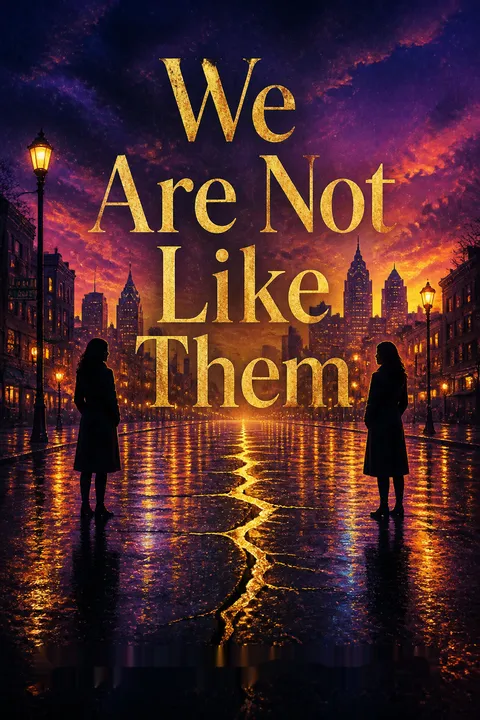
A Black teenager, Justin Dwyer, is shot by police in Philadelphia. The prologue immerses us in Justin's final moments—his confusion, fear, and the cold reality of violence that Black boys are taught to anticipate. The shooting is not just a tragedy for Justin and his mother, Tamara, but a seismic event that ripples through the city and the lives of two women: Riley, a Black TV reporter, and Jen, a white woman married to one of the officers involved. The event is both personal and political, setting the stage for a story about race, justice, and the fragile bonds of friendship. The emotional impact is immediate and devastating, as the reader is forced to confront the loneliness and loss that follows senseless violence.
Childhood Bonds, Adult Worlds
Riley and Jen's friendship began in childhood, transcending race and class in a Philadelphia neighborhood. As adults, their lives have diverged: Riley is a driven journalist, striving for a coveted anchor position, while Jen is struggling with infertility and married to Kevin, a police officer. Their bond is deep, filled with shared memories and inside jokes, but also unspoken tensions and differences. When Riley returns to Philadelphia, the two try to reconnect, but the city—and their lives—have changed. The comfort of old friendship is shadowed by new responsibilities, ambitions, and the subtle, persistent presence of race in their experiences.
The Shooting's Aftermath
The shooting of Justin Dwyer throws Jen and Riley's worlds into chaos. Jen's husband, Kevin, is one of the officers involved, and the city erupts in protest and pain. Jen is terrified for her family's future, while Riley is assigned to cover the story for her station. Both women are forced to navigate impossible positions: Jen must support her husband while grappling with the horror of what's happened, and Riley must balance her professional integrity with her personal connection to Jen. The shooting exposes cracks in their friendship, as each woman is pulled by her own community, family, and sense of justice. The emotional toll is immense, as fear, anger, and uncertainty threaten to overwhelm them.
Lines Drawn, Sides Taken
As the investigation unfolds, the city's divisions become personal. Jen's family is besieged by media and protesters, and she is pressured to defend Kevin publicly. Riley, meanwhile, is caught between her duty as a journalist and her loyalty to Jen. The two women struggle to communicate, their conversations fraught with misunderstanding and pain. Each feels betrayed by the other: Jen by Riley's refusal to "take her side," and Riley by Jen's inability to see the broader racial injustice at play. The shooting forces them to confront uncomfortable truths about privilege, bias, and the limits of empathy. Their friendship, once a refuge, becomes a battleground.
Family, Fear, and Fallout
The shooting's impact radiates through both women's families. Jen's marriage is tested as Kevin spirals into guilt and fear, haunted by the possibility of indictment and the loss of his career. Riley's family, too, is shaken—her brother Shaun's own experiences with police brutality resurface, and her grandmother Gigi's health declines. The women's parents and siblings become sources of both comfort and conflict, as old wounds and generational trauma are exposed. The city's unrest mirrors the turmoil in their homes, and both Jen and Riley are forced to reckon with the ways their families have shaped their understanding of race, justice, and belonging.
The City Divides
As Justin's death becomes a national story, Philadelphia is gripped by marches, vigils, and media scrutiny. Riley covers the protests, feeling the weight of her community's grief and anger. Jen, isolated and afraid, is targeted by reporters and activists. The city's divisions are stark: Black and white, police and community, justice and denial. The women's personal struggles are magnified by the collective trauma around them. The march for Justin becomes a focal point, drawing together mothers, activists, and ordinary citizens demanding change. The city's pain is palpable, and the possibility of healing seems distant.
Marches, Media, and Mothers
Riley secures an exclusive interview with Tamara, Justin's mother, capturing the raw pain and dignity of a woman who has lost everything. The segment becomes a touchstone for the city, humanizing Justin and galvanizing calls for justice. Jen watches, torn between sympathy for Tamara and fear for her own family. The media's role is double-edged—amplifying voices, but also sensationalizing tragedy. The mothers of the movement, women who have lost children to police violence, become symbols of both suffering and resilience. The city's attention is fixed on the trial, but the deeper wounds—of racism, loss, and mistrust—remain.
Secrets, Silence, and Shame
As the investigation intensifies, secrets and silences multiply. Riley hides her friendship with Jen from her newsroom, fearing professional repercussions. Jen, desperate for support, feels abandoned by Riley and isolated from her community. Both women struggle with shame—Jen for Kevin's actions, Riley for her own compromises and the pain of her brother's past. Their inability to speak openly deepens the rift between them. The weight of what is unsaid—about race, guilt, and responsibility—becomes unbearable. Each woman is forced to confront her own complicity and the limits of her understanding.
Grief, Guilt, and Goodbyes
Gigi's death brings Riley's family together in Alabama, where generational trauma and stories of lynching resurface. The funeral is both a moment of mourning and a reckoning with history. Jen, meanwhile, faces the possibility of losing everything—her husband, her home, her sense of self. Letters are written but not sent, apologies are offered but not accepted. The women's grief is compounded by guilt: for what they have done, what they have failed to do, and what they cannot change. Goodbyes are said—to loved ones, to old dreams, to the illusion of safety.
Letters, Loss, and Letting Go
Kevin writes a letter to Tamara, seeking forgiveness he knows he cannot earn. Riley and Jen exchange emails, trying to bridge the gap between them. The act of writing becomes a way to process pain, to seek understanding, and to let go of what cannot be fixed. The city, too, begins to move forward, though the scars remain. The women's friendship is fragile, but not broken. Each must decide what to hold on to and what to release, as they search for meaning in the aftermath of tragedy.
Hard Conversations, Harder Truths
Riley and Jen finally confront each other, airing grievances and fears that have long been buried. Their conversation is raw, honest, and painful—an acknowledgment of the ways they have hurt each other and the world's refusal to let them ignore race. They grapple with privilege, allyship, and the impossibility of returning to "normal." The conversation does not resolve everything, but it marks a turning point: a willingness to keep talking, to keep trying, even when it hurts. The truth is hard, but silence is harder.
Justice, Deals, and Decisions
The legal process reaches its climax: indictments, plea deals, and the possibility of prison. Kevin is offered a deal—testify against his partner in exchange for probation and the end of his career. The decision is agonizing, pitting loyalty against conscience, family against brotherhood. Jen and Kevin must decide what kind of people they want to be, and what kind of future they can build. Riley, too, faces choices about her career, her relationships, and her own integrity. Justice is imperfect, but choices must be made.
New Beginnings, Old Wounds
Jen and Kevin decide to leave Philadelphia, seeking a fresh start in Florida. Riley is promoted, but her success is bittersweet. Both women are changed by what they have endured—older, wiser, and marked by loss. Their friendship is altered, but not ended. They carry old wounds with them, but also the hope of new beginnings. The city, too, begins to heal, though the work is far from finished. The past is never truly gone, but it does not have to define the future.
Forgiveness and Moving Forward
Letters are delivered, apologies are made, and small acts of kindness offer the possibility of forgiveness. Tamara, Justin's mother, receives Kevin's letter—not as closure, but as a gesture of accountability. Riley and Jen share a meal, exchanging gifts and promises to keep talking, to keep trying. The process of healing is slow and uncertain, but it begins with honesty and empathy. Forgiveness is not forgetting, but a way to move forward without being consumed by anger and pain.
Friendship's Fragile Future
Riley and Jen's friendship, once unshakeable, is now delicate and uncertain. They have survived a trial by fire, but the future is unclear. Both women are committed to rebuilding trust, to having the hard conversations, and to supporting each other—even as their lives diverge. The story ends not with easy answers, but with the recognition that friendship, like justice, is a process, not a destination. The hope is that love can endure, even when the world conspires to tear it apart.
Hope, Healing, and History
The epilogue returns to Tamara, who finds solace not in justice, but in memory and community. The pain of loss is ever-present, but so is the possibility of change. The story closes with a sense of hope: that by facing history, telling the truth, and refusing to give up, individuals and communities can begin to heal. The lessons of the past are not forgotten, but used to build a better future. The final note is one of resilience, courage, and the enduring power of love.
Analysis
We Are Not Like Them is a searing, timely exploration of race, friendship, and the search for justice in contemporary America. Through the intertwined lives of Riley and Jen, the novel exposes the fault lines that run through even the closest relationships when confronted by tragedy and systemic injustice. The alternating perspectives invite readers to empathize with both women, challenging easy assumptions and highlighting the complexity of allyship, privilege, and pain. The story refuses simple answers, instead insisting on the necessity of hard conversations, accountability, and the willingness to change. The novel's greatest strength lies in its honesty—its refusal to shy away from discomfort, its acknowledgment of the limits of understanding, and its belief in the possibility of healing. By centering the voices of women—mothers, friends, daughters—the book offers a powerful meditation on the ways love can endure, even in a world determined to divide. The lesson is clear: justice and reconciliation require not just empathy, but action, humility, and the courage to keep talking, even when it hurts.
Review Summary
We Are Not Like Them receives mixed reviews, averaging 4.06/5. Many praise it as powerful, emotional, and thought-provoking, highlighting its raw exploration of racism, police brutality, and interracial friendship. The dual-perspective narrative, written by real-life interracial friends, is frequently commended for authenticity. However, critics argue it lacks depth, feels like a checklist of social justice talking points, and caters to book clubs rather than challenging readers. Many found Jen's character selfish and underdeveloped, and felt the friendship was unconvincingly one-sided throughout.
People Also Read








Characters
Riley Wilson
Riley is a Black TV reporter, fiercely intelligent and driven, who has returned to her hometown of Philadelphia to pursue her dream of becoming a news anchor. Her lifelong friendship with Jen is a source of comfort and complexity, as it forces her to navigate the intersections of race, loyalty, and ambition. Riley is deeply connected to her family, especially her grandmother Gigi and her brother Shaun, whose struggles with the justice system haunt her. She is both a witness and a participant in the city's pain, torn between her professional responsibilities and personal loyalties. Riley's journey is one of self-discovery, as she learns to speak her truth, confront her own biases, and demand more from those she loves. Her character embodies the tension between assimilation and authenticity, and her growth is marked by a willingness to have hard conversations and to risk vulnerability for the sake of justice and friendship.
Jennifer "Jen" Murphy
Jen is a white woman whose life is upended when her husband, Kevin, is involved in the shooting of an unarmed Black teenager. Her friendship with Riley is the anchor of her life, but it is tested by the events that follow. Jen is compassionate and well-meaning, but often blind to her own privilege and the realities of race. Her struggles with infertility, financial insecurity, and family expectations add layers of vulnerability and resentment. Jen's journey is one of reckoning—with her marriage, her identity, and her place in a divided city. She is forced to confront uncomfortable truths about herself and those she loves, and to choose between loyalty and justice. Her development is marked by pain, growth, and a hard-won humility that allows her to begin the work of true allyship.
Kevin Murphy
Kevin is Jen's husband, a white police officer whose split-second decision changes countless lives. He is portrayed as a good man, devoted to his family and his job, but also shaped by the culture of policing—its codes of silence, loyalty, and fear. Kevin's guilt is overwhelming, and he is caught between the demands of his profession and the consequences of his actions. His relationship with Jen is strained by shame, fear, and the threat of indictment. Kevin's journey is one of reckoning: he must decide whether to protect his own or to tell the truth, even at great personal cost. His character is a study in the complexities of culpability, remorse, and the possibility of redemption.
Tamara Dwyer
Tamara is Justin's mother, a Black woman whose life is shattered by her son's death. Her grief is raw and unfiltered, and she becomes a reluctant public figure in the fight for justice. Tamara's pain is both personal and political, as she is thrust into the spotlight and forced to relive her loss for the sake of the movement. She is dignified, honest, and unyielding in her demand for accountability. Tamara's character embodies the suffering and strength of countless mothers who have lost children to violence, and her journey is one of survival, memory, and the search for meaning in the face of unimaginable loss.
Shaun Wilson
Shaun is Riley's younger brother, whose own encounters with police brutality and the criminal justice system serve as a painful reminder of the dangers faced by Black men in America. He is smart, sensitive, and struggling to find his place in a world that is often hostile and unforgiving. Shaun's experiences deepen Riley's understanding of the stakes involved in Justin's death, and his presence in the story is a constant reminder of the personal cost of systemic racism. His relationship with Riley is loving but fraught, as both siblings grapple with the weight of expectation, disappointment, and hope.
Gigi Wilson
Gigi is Riley's grandmother, a formidable presence whose stories and strength anchor the Wilson family. Her life is marked by resilience in the face of racism, loss, and change. Gigi's declining health and eventual death are a source of grief and reflection for Riley, prompting a reckoning with family history and generational trauma. Gigi's wisdom, humor, and love are a guiding force, and her legacy shapes the choices and values of those she leaves behind.
Cookie Murphy
Cookie is Kevin's mother and Jen's mother-in-law, a woman fiercely devoted to her family and determined to shield them from harm. She is opinionated, traditional, and often oblivious to the realities of race and privilege. Cookie's love is both a comfort and a constraint, as her expectations and judgments add pressure to an already strained household. Her character represents the generational divide in understanding and addressing issues of justice and accountability.
Sabrina Cowell
Sabrina is the city's first Black female district attorney, determined to pursue justice in Justin's case. She is strategic, charismatic, and unafraid to challenge the status quo. Sabrina's pursuit of an indictment is both a personal mission and a political calculation, as she navigates the demands of public opinion, legal precedent, and her own ambitions. Her character is a catalyst for change, but also a reminder of the complexities and compromises inherent in the pursuit of justice.
Corey
Corey is Riley's former boyfriend, a white man whose relationship with Riley is marked by both deep connection and the challenges of navigating race and family. Their breakup and eventual reconnection force Riley to confront her own fears, desires, and the possibility of happiness outside prescribed boundaries. Corey's presence in the story is a counterpoint to the pain and conflict elsewhere, offering a glimpse of hope and the possibility of love that transcends difference.
Wes
Wes is Tamara's brother and Justin's uncle, a steady presence who supports his sister through her grief and helps navigate the media and legal aftermath. He is practical, compassionate, and committed to honoring Justin's memory. Wes's role as a connector—between family, community, and the broader movement—underscores the importance of solidarity and action in the face of tragedy.
Plot Devices
Dual Perspectives and Alternating Narration
The novel is structured around alternating chapters from Riley and Jen's points of view, allowing readers to inhabit both women's inner lives. This device highlights the differences in their experiences—of race, privilege, and pain—while also revealing the depth of their bond. The dual narration creates dramatic irony, as the reader is privy to thoughts and feelings the characters cannot or will not share with each other. This structure also mirrors the broader divisions in the city and the country, inviting readers to empathize with both sides of a complex, painful issue.
The Inciting Incident and Its Ripple Effects
The shooting of Justin Dwyer is the catalyst for the entire narrative, setting off a chain reaction that affects not only the main characters but their families, communities, and the city at large. The incident is explored from multiple angles—personal, professional, political—allowing the story to examine the ways trauma reverberates through lives and institutions. The plot is driven by the characters' responses to this event, as they struggle to make sense of what has happened and what it means for their futures.
Letters, Emails, and Unsent Messages
Throughout the novel, characters write letters, emails, and texts—some sent, some not—as a way to process their emotions and reach out to others. These written communications serve as both plot devices and windows into the characters' inner worlds. They reveal what is too hard to say aloud, and often mark turning points in relationships. The act of writing becomes a means of seeking closure, forgiveness, and understanding, even when words fail.
Foreshadowing and Generational Trauma
Stories of family history—lynchings, migration, and survival—are woven throughout the narrative, providing context and depth to the characters' experiences. Gigi's stories, in particular, foreshadow the dangers faced by Black men and the persistence of racism across generations. The novel uses these echoes of the past to underscore the urgency and weight of the present crisis, reminding readers that history is never truly past.
The City as Character
Philadelphia is more than a backdrop; it is a living, breathing presence in the novel. The city's neighborhoods, institutions, and history shape the characters' lives and choices. The marches, protests, and media frenzy are not just plot points, but reflections of the broader social forces at work. The city's divisions—by race, class, and history—are mirrored in the personal divisions between characters, reinforcing the novel's themes of belonging, exclusion, and the search for justice.
The March and the Media
The march for Justin and the media coverage of the case serve as focal points for the community's grief and anger. These events bring together disparate characters and highlight the power—and limitations—of collective action. The media's role is scrutinized, as it both amplifies voices and distorts reality. The public spectacle contrasts with the private pain of the families involved, underscoring the complexity of seeking justice in the court of public opinion.
The Plea Deal and Moral Dilemmas
The offer of a plea deal to Kevin crystallizes the novel's central moral dilemma: loyalty versus truth, self-preservation versus accountability. The decision to testify against a fellow officer is fraught with personal and professional consequences, forcing characters to confront their values and the cost of doing the right thing. The plot device of the deal heightens tension and forces a reckoning with the limits of justice and forgiveness.
Download PDF
Download EPUB
.epub digital book format is ideal for reading ebooks on phones, tablets, and e-readers.








































