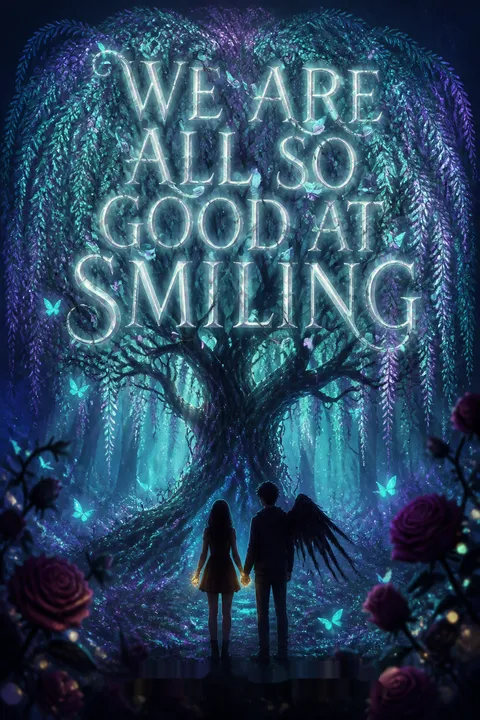

Plot Summary
Hospital Walls and Hidden Pain
Whimsy, a Black teenage girl with magical roots, finds herself in a psychiatric hospital after another episode of deep depression. She feels stripped of her identity—her magical items, her dirt, her notebook, her gloves—all taken away. The hospital's sterile environment amplifies her sense of being watched, judged, and misunderstood. Her parents visit, worried and weary, but their love is tangled with fear and frustration. Whimsy's pain is both visible and invisible, a haunting ache that she tries to mask with practiced smiles. She is surrounded by others who are also hurting, but the loneliness is profound. The hospital is a place of safety and suffocation, a liminal space where Whimsy is forced to confront her own mind and the memories she's tried to bury.
The Boy with Shadow Wings
A new patient arrives: Faerry, a boy with mint-green hair and a mysterious aura. Whimsy notices the outline of wings in his shadow, a sign of his Fae heritage. Unlike most, he comes alone, carrying his own burdens. Their first interactions are prickly, filled with banter and mutual recognition of pain. Faerry is charming but guarded, hiding his own wounds behind a façade of joy. Whimsy is drawn to him, sensing a kindred spirit. Their connection is immediate yet tentative, both wary of letting anyone too close. Faerry's presence disrupts Whimsy's isolation, offering the possibility of friendship and understanding, but also stirring memories and fears she's tried to suppress.
Smiles, Secrets, and Sorrow
In group therapy, Whimsy and Faerry are surrounded by other teens, each assigned a Fairy Tale persona in Whimsy's mind. The therapist asks them to share secrets, and Whimsy's answer—jealousy of leaves for their certainty—sparks a discussion about identity and worth. The group's confessions are a tapestry of pain, humor, and longing. Whimsy's metaphor about leaves becomes a meditation on the persistence of self, even when broken. Faerry's understanding of her words hints at a deeper connection. The session is both cathartic and unsettling, exposing vulnerabilities and the ways people hide behind smiles. The act of sharing, even in metaphor, is a small act of rebellion against silence and shame.
Fairy Tales and False Memories
Released from the hospital, Whimsy returns home, surrounded by reminders of her magical heritage and her lost brother, Cole. Her mother's Hoodoo magic has altered memories, making it easier for the family to cope but leaving Whimsy with fragmented truths. Her notebook, stuffed with Fairy Tales, becomes both a comfort and a curse, blurring the line between reality and story. Faerry, now her neighbor, reappears, and their friendship deepens through shared poems and late-night conversations. Both are haunted by the past—Whimsy by the loss of Cole, Faerry by his own family's secrets. The Forest at the end of Marsh Creek Lane looms as a symbol of trauma, magic, and the unknown.
Haunted Forest, Haunted Past
The Forest is both real and symbolic—a place where Whimsy's sorrow took root and where something terrible happened years ago. She and Cole once explored its depths, but after a traumatic event, she has avoided it for a decade. The Forest is now "Haunting," filled with shifting shadows and memories that refuse to stay buried. Faerry, too, is afraid of the Forest, his own fears entwined with Whimsy's. Their shared avoidance is a silent bond, but when Faerry goes missing, Whimsy is forced to confront the Forest and the pain it represents. The Forest becomes the stage for their journey through grief, guilt, and healing.
Friendship on Marsh Creek Lane
As neighbors and classmates, Whimsy and Faerry navigate the challenges of returning to school, facing stigma, and dealing with unsympathetic peers. Their friendship is a lifeline, offering moments of warmth and understanding amid the coldness of the world. They share stories, poems, and secrets, finding solace in each other's company. Both are marked by loss—Whimsy by Cole's disappearance, Faerry by his sister Tale's absence. Their connection is deepened by their shared experiences of depression, magic, and feeling out of place. Together, they begin to imagine the possibility of healing, even as the past continues to cast long shadows.
School, Stigma, and Civil Disobedience
Back at school, Whimsy faces rumors, bullying, and the ignorance of classmates and teachers. When a confrontation in English class escalates, Faerry stands by her side, and together they walk out in an act of civil disobedience. Their defiance is both a protest against the school's lack of empathy and a declaration of solidarity. The consequences are swift—suspension and parental concern—but the act cements their bond. The world outside is often hostile to those who are different or hurting, but Whimsy and Faerry find strength in each other. Their friendship becomes an act of resistance, a refusal to be defined by others' expectations or prejudices.
The Garden of Sorrow
When Faerry disappears into the Forest, Whimsy must follow, entering the magical Garden at its heart. The Garden is a manifestation of her sorrow, filled with characters and trials drawn from her Fairy Tale notebook. It is a place where memories, fears, and pain take physical form. The only way out is through, and Whimsy must confront the monsters she has created—Sorrow, guilt, and the ghosts of the past. The Garden is both a test and a crucible, forcing Whimsy and Faerry to face the truths they have avoided. Their journey through the Garden is a metaphor for the process of healing from trauma and depression.
Entering the Forest Again
Armed with magical tools and determination, Whimsy enters the Forest to rescue Faerry. The path is treacherous, marked by shifting landscapes and magical obstacles. She encounters Sorrow's candy house, a place of temptation and danger, where memories are both weapon and wound. Faerry is trapped, and together they must navigate the Garden's trials—each one a reflection of their inner struggles. The journey is harrowing, filled with moments of despair and flashes of hope. Along the way, they are aided by magical beings—Baba Yaga, Anansi, Mama Wata—each offering wisdom and challenges. The Forest becomes a place of reckoning, where the past must be faced to move forward.
Sorrow's Candy House
Inside the candy house, Sorrow takes on a physical form, taunting Whimsy and Faerry with their deepest fears and regrets. The house is a trap, feeding on their guilt and self-loathing. Sorrow tries to convince them that they are to blame for the losses they have suffered—Cole, Tale, their own happiness. The only escape is through fire, a leap of faith that requires them to trust each other and themselves. The act of facing Sorrow head-on is both terrifying and liberating. It is a confrontation with the darkest parts of themselves, and only by acknowledging their pain can they begin to heal.
Trials of the Magical Garden
The Garden tests Whimsy and Faerry with a series of magical and psychological challenges. They encounter Baba Yaga's house, Anansi's riddles, Mama Wata's flood, poisonous apples, and the vampire Adze. Each trial is rooted in folklore but also mirrors their personal struggles—panic attacks, self-harm, voicelessness, and the weight of others' expectations. The trials force them to confront not only external monsters but also the internalized voices of shame, fear, and despair. Through each challenge, they collect magical tokens—flowers, feathers, stories—that symbolize their growing strength and resilience. The journey is exhausting but transformative, forging a deeper bond between them.
Facing Monsters and Memories
As they progress, Whimsy and Faerry are forced to relive the events that led to their siblings' deaths. The Garden presents three versions of the story: what the children saw, what the parents saw, and what actually happened. The truth is revealed—Cole and Tale did not die by choice, but by accident. The guilt that has haunted Whimsy and Faerry is unfounded, a product of grief and magical manipulation. This revelation is both devastating and freeing. They mourn their siblings, but also begin to forgive themselves. The act of naming the truth is a powerful step toward healing, breaking the hold of Sorrow.
The Truth in Three Stories
The Griot, a magical storyteller, guides Whimsy and Faerry through the process of understanding their past. By witnessing the three perspectives, they see how memory, magic, and trauma have shaped their lives. The stories are not just personal—they are communal, reflecting the ways families and communities deal with loss and pain. The act of storytelling becomes an act of reclamation, allowing Whimsy and Faerry to rewrite their narratives. They realize that healing is not about erasing the past, but about integrating it, finding meaning and hope amid sorrow. The Garden begins to weaken, its power diminished by truth and love.
Ghosts, Owls, and Forgiveness
In the final trial, Whimsy and Faerry are reunited with the ghosts of Cole and Tale, who have been watching over them as owls. The siblings offer forgiveness and reassurance, affirming that their deaths were not Whimsy and Faerry's fault. The encounter is bittersweet, filled with love, grief, and release. The siblings' presence is a reminder of the enduring bonds of family and friendship, even in the face of loss. With their help, Whimsy and Faerry are able to complete their journey, collecting the last magical tokens needed to break the Garden's hold. The act of forgiveness is transformative, allowing them to move forward with hope.
Burning Down Sorrow
With the help of their magical allies and the spirits of their siblings, Whimsy and Faerry confront Sorrow one final time. They gather the tokens from their journey—flowers, feathers, stories—and use them to set the candy house and the Garden ablaze. The explosion is both literal and symbolic, a purging of pain and a celebration of survival. The Garden's destruction marks the end of Sorrow's dominion and the beginning of a new chapter. Whimsy and Faerry emerge from the Forest changed—scarred but stronger, no longer defined by their trauma. The act of burning down Sorrow is an act of self-affirmation, a declaration that they are more than their pain.
Returning Home, Reborn
Whimsy and Faerry return home, exhausted but renewed. Their families remain unaware of the full extent of their journey, but the world feels different—lighter, more hopeful. The ghosts of Cole and Tale linger as comforting presences, reminders that love endures beyond loss. Whimsy and Faerry's friendship is deepened, now rooted in shared experience and mutual support. They are no longer haunted by the past, but carry it with them as a source of strength. The process of healing is ongoing, but they have found tools—storytelling, magic, friendship—to help them navigate the challenges ahead. The Forest is no longer a place of fear, but a testament to their resilience.
Fairy Tales, Real Endings
In the aftermath, Whimsy and Faerry reflect on the journey they have taken. They recognize the importance of stories—not just as escape, but as a means of understanding and transformation. Fairy Tales are revealed to be both whimsical and true, offering guidance and comfort in times of darkness. Whimsy and Faerry commit to writing their own story, ensuring that their experiences are not erased or forgotten. The book ends with a message of hope: that healing is possible, that no one is alone in their pain, and that even in the darkest Forest, there is a way out. The final note is one of celebration—of survival, of friendship, and of the enduring magic of being alive.
Analysis
A modern fairy tale of depression, identity, and hopeAmber McBride's We Are All So Good at Smiling is a luminous, genre-blending exploration of clinical depression, trauma, and the redemptive power of storytelling. Through Whimsy and Faerry's journey, the novel confronts the isolating, cyclical nature of mental illness, especially as experienced by Black youth, and the ways families and communities struggle to cope. The magical Garden is a brilliant metaphor for the layers of pain, memory, and cultural inheritance that shape identity. By weaving together folklore, Hoodoo, and contemporary realities, McBride offers a narrative that is both deeply personal and universally resonant. The book insists that healing is not linear or solitary; it requires facing the truth, accepting help, and rewriting one's story. Ultimately, the novel is a celebration of survival, friendship, and the enduring magic of being alive—a reminder that even in the darkest Forest, there is always a way out, and that no one is ever truly alone.
Review Summary
We Are All So Good at Smiling is a novel in verse about clinical depression and trauma, blending magical realism with mental health themes. Readers praised its beautiful writing, unique storytelling, and powerful representation of depression in the Black community. Many found the book emotionally resonant and appreciated its hopeful tone. Some readers struggled with the abstract nature and felt the magical elements were underdeveloped. Overall, reviewers commended the author's portrayal of mental illness and the importance of the book's message, despite mixed opinions on its execution.
Characters
Whimsy
Whimsy is a Black teenage girl with deep roots in Hoodoo magic, marked by her glowing palms, love of dirt, and a notebook filled with Fairy Tales. She is haunted by clinical depression, the loss of her brother Cole, and the weight of her family's altered memories. Whimsy's journey is one of self-discovery, as she navigates the complexities of mental illness, grief, and identity. Her relationship with Faerry is central, offering both challenge and comfort. Whimsy is introspective, creative, and fiercely loyal, but struggles with guilt and self-doubt. Over the course of the story, she learns to confront her pain, accept help, and reclaim her narrative, emerging stronger and more whole.
Faerry
Faerry is a Fae boy with mint-green hair, shadowy wings, and a garden of tattoos. He is both magical and deeply human, struggling with depression, self-harm, and the loss of his sister Tale. Faerry's outward confidence masks a profound vulnerability, and his connection with Whimsy is immediate and transformative. He is witty, empathetic, and fiercely protective, but also haunted by guilt and the expectations of his powerful parents. Faerry's journey mirrors Whimsy's, as he learns to face his fears, accept his pain, and find hope in connection. Together, they navigate the trials of the Garden, supporting and saving each other in ways neither could alone.
Cole
Cole is Whimsy's older brother, whose disappearance is the central trauma of her life. In reality, Cole died in a tragic accident, but magical manipulation has left his fate shrouded in mystery. As a ghostly presence, Cole watches over Whimsy, offering comfort, forgiveness, and guidance. He represents both loss and the enduring power of love. Cole's relationship with Whimsy is tender and protective, and his eventual reunion with her is a moment of profound healing. Through Cole, Whimsy learns that grief is not a punishment, and that those we love are never truly gone.
Tale
Tale is Faerry's older sister, whose absence mirrors Cole's in Whimsy's life. Like Cole, Tale died in the Forest, her memory obscured by magic and grief. As a ghost, she is a source of strength and reassurance for Faerry, embodying the possibility of forgiveness and release. Tale's presence is gentle and wise, guiding Faerry through his darkest moments. Her relationship with Faerry is one of deep affection and understanding, and her final message is one of hope and absolution. Tale's story underscores the importance of facing the truth, no matter how painful.
Whimsy's Mother
Whimsy's mother is a powerful Hoodoo practitioner who uses her magic to protect her family from pain, even at the cost of truth. Her spells to alter memories are well-intentioned but ultimately harmful, leaving Whimsy isolated in her grief. She is loving but distant, struggling to balance her desire to help with her fear of confronting the past. Her relationship with Whimsy is complicated, marked by both care and misunderstanding. Over time, she comes to recognize the limits of her magic and the importance of honesty and vulnerability.
Whimsy's Father
Whimsy's father is a steady presence, offering comfort and stability amid chaos. He is less involved in magic but deeply invested in Whimsy's well-being. His love is quiet but unwavering, and he struggles with feelings of helplessness in the face of his daughter's pain. He represents the everyday challenges of supporting a loved one with mental illness, and his relationship with Whimsy is marked by small acts of care and concern.
Faerry's Parents (Tristan & Isolde)
Faerry's parents are influential figures in the magical community, burdened by their own grief and expectations. They struggle to understand Faerry's depression, often resorting to denial or blame. Their relationship with Faerry is strained, marked by love but also misunderstanding and pressure. Their inability to accept vulnerability in themselves or their son is a source of pain, but their eventual plea for Whimsy's help reveals a deeper capacity for care.
Sorrow
Sorrow is both a magical entity and a psychological force, taking on various forms throughout the story. It is the antagonist of the Garden, feeding on Whimsy and Faerry's pain, guilt, and self-loathing. Sorrow is seductive, convincing them that they are to blame for their losses. Its defeat requires not just magical power, but the courage to face the truth and accept forgiveness. Sorrow represents the insidious nature of depression, and its destruction is a metaphor for the possibility of healing.
Baba Yaga, Anansi, Mama Wata, Griot
These magical beings serve as mentors and obstacles in the Garden, each representing different aspects of folklore and the healing journey. Baba Yaga offers protection and tough love; Anansi challenges with riddles and the power of story; Mama Wata embodies transformation and the cleansing power of tears; the Griot preserves and reveals the truth. Together, they help Whimsy and Faerry navigate the Garden, offering tools, wisdom, and perspective. They symbolize the importance of cultural heritage, storytelling, and community in the process of healing.
The Garden
The Garden is both a physical and psychological space, crafted from Whimsy's sorrow and stories. It is a place of danger and possibility, filled with trials that mirror the characters' inner struggles. The Garden's shifting landscapes and magical inhabitants force Whimsy and Faerry to confront their pain, but also offer the chance for growth and transformation. The Garden is ultimately a testament to the power of imagination, resilience, and the human capacity for renewal.
Plot Devices
Magical Realism and Folklore as Healing
The novel uses magical realism, drawing on African American Hoodoo, West African, and European folklore, to externalize the characters' internal struggles. The Garden, its trials, and its inhabitants are both literal and metaphorical, allowing Whimsy and Faerry to confront their pain in tangible ways. Fairy Tales serve as both escape and guide, offering wisdom and structure to the chaos of grief and depression. The use of magical plot devices—enchanted objects, riddles, transformations—mirrors the unpredictable and cyclical nature of healing. The narrative structure, with its journey through the Garden's circles, echoes classic quest and underworld narratives, while foreshadowing and memory manipulation create suspense and emotional depth. The interplay of story and reality is central, emphasizing the power of narrative to shape, heal, and reclaim identity.
Download PDF
Download EPUB
.epub digital book format is ideal for reading ebooks on phones, tablets, and e-readers.








































