
Plot Summary
Brotherhood Reborn, Off the Grid
Jack Emery, frustrated by a justice system that fails victims, leaves his wife Nikki's law firm and reunites with old friends—Ted, Joe, Harry, Bert, Jay, and others. Together, they invest their untouched bonuses into a secret venture, buying and refurbishing a Georgetown building. Their goal: to create an off-the-grid operation, BOLO Consultants, dedicated to righting wrongs the system ignores. Each man brings unique skills, and their camaraderie is deepened by shared disillusionment and a desire for meaningful action. Jack's loyal dog, Cyrus, becomes the group's unofficial mascot. As they prepare to launch, the men are united by a sense of purpose, but also haunted by personal losses and unresolved tensions, especially in their relationships with the women who once formed the Sisterhood.
The BOLO Building Unveiled
The men tour their new headquarters, marveling at Abner's state-of-the-art computer room and the building's security. They formalize their partnership, with Dennis West's recent fortune ensuring financial stability. The group votes to operate as modern-day Robin Hoods, using their resources to help the innocent and punish the guilty, often outside the law. They agree on secrecy, especially from the women, and debate the ethics of their mission. Sparrow, a former FBI agent, reveals he's been offered the Bureau's top job, promising to be their inside man if he accepts. The men toast their new venture, aware that their actions will test loyalties and blur moral lines.
Sparrow's White House Dilemma
Sparrow, accompanied by lawyer Lizzie Fox, meets the President, who offers him the directorship of the FBI. Haunted by his wrongful imprisonment and betrayal by the Bureau, Sparrow hesitates, seeking time to decide. Lizzie urges him to accept, arguing he can reform the tainted agency from within. Their conversation is laced with coded language, wary of surveillance. Sparrow ultimately agrees to take the job, but Lizzie warns him to avoid contact with the BOLO group until his appointment is official. The scene underscores the high stakes and the delicate balance between personal loyalty and public duty.
Secrets, Shields, and Spies
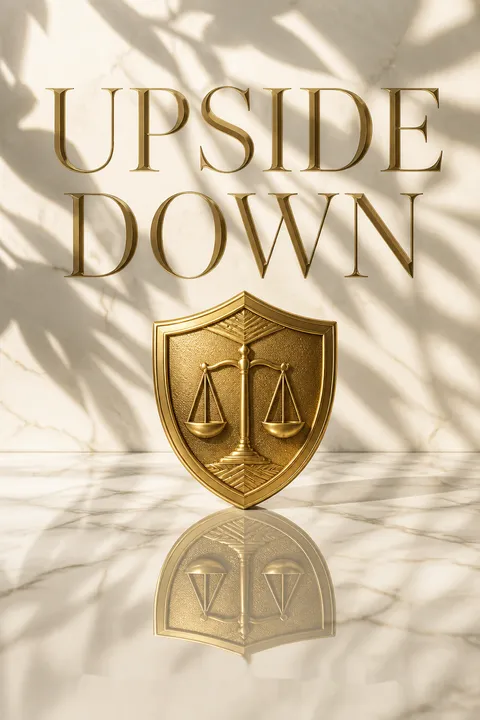
Back at BOLO, the men discuss the legendary gold shields—tokens of global immunity granted by a former president to select vigilantes. These shields symbolize trust and power, but also raise questions about who else holds them and whether enemies might possess them too. The group assigns roles for their first mission: exposing a corrupt lieutenant governor and his wife, slumlords responsible for children's deaths. As they strategize, Jack's strained marriage to Nikki surfaces, mirroring the group's broader struggle to balance personal lives with their clandestine crusade.
The Banana Tree Betrayal
The men's secrecy is shattered when a banana tree, sent by the women, arrives at BOLO. The attached card, signed by the Sisterhood, signals that their female counterparts know about the operation. Suspicion and paranoia ripple through the group as they try to identify the leak. Ted is accused but denies wrongdoing. The incident highlights the deep connections—and potential for conflict—between the men and women, as well as the impossibility of keeping secrets in such a tight-knit community.
Women's Intuition Awakens
Maggie Spritzer, the Post's editor and a former Sisterhood member, grows suspicious of the men's activities. Her investigative instincts lead her to tail Ted and the others, eventually discovering the BOLO Building. She confides in Myra, Annie, and Isabelle, who are grappling with their own personal crises. The women debate whether to intervene, hire private detectives, or confront the men directly. Their unity is tested by secrets, pride, and the pain of being excluded from the new crusade.
Sisters' Fractures, Sisters' Strength
The women's lunch at Betty Lou's Café devolves into confrontation. Maggie's blunt criticism of Nikki, Alexis, and Isabelle for neglecting their relationships and careers sparks tears and anger. Old wounds resurface, and accusations fly—Isabelle lashes out, and Nikki storms off. Yet, beneath the discord, the women's love for each other endures. Myra and Annie counsel patience and resilience, vowing to support their friends through whatever comes next. The Sisterhood's strength lies in its ability to weather storms, even as its members drift apart.
The Slumlord Target
The BOLO men focus on their first mission: exposing Tyler Sandford, the lieutenant governor, and his wife Fiona, whose slum properties have led to child deaths. The group divides tasks—property searches, financial forensics, and background checks—using their collective expertise. Jack plans to interview victims' families, while Harry leverages his FBI contacts. The mission is personal, driven by outrage and a desire to prevent further suffering. The men's resolve is strengthened by the knowledge that official channels have failed, and only their intervention can bring justice.
Tails, Lies, and Double Agents
The men discover they're being tailed by private investigators hired by the women. Harry confronts one tail, Mike Suliman, and recruits him as a double agent, offering cash for inside information. The episode is both comic and tense, illustrating the escalating game of cat and mouse between the two groups. The men realize that secrecy is fleeting and that their actions have consequences beyond their immediate circle. Trust becomes a precious commodity, and every relationship is tested by suspicion.
Lunches, Loyalties, and Losses
The women's lunch, intended as a reunion, becomes a battleground of grievances and regrets. Nikki and Alexis admit to being overwhelmed by work, while Isabelle's marriage to Abner is on the brink. Maggie's intervention, though well-intentioned, backfires, leaving the group fractured. Meanwhile, the men grapple with their own losses—Jack's marriage is strained, Espinosa mourns a breakup, and Abner faces separation from Isabelle. The emotional toll of their double lives threatens to undermine their mission.
The Men's Mission Expands
Inspired by Dennis's suggestion, the BOLO group decides to tackle the class-action lawsuits consuming Nikki and Alexis, targeting corrupt corporations responsible for child deaths and animal cruelty. Their hope is that by dismantling these cases, they can free their loved ones from relentless work and restore balance to their personal lives. The men's sense of purpose grows, but so does the complexity of their operation. They must act covertly, ensuring that their interventions remain anonymous while maximizing impact.
Confrontations and Confessions
Confrontations abound—between Maggie and Ted, between Isabelle and Abner, and within the Sisterhood itself. The women, feeling betrayed and excluded, vow to uncover the men's secrets. The men, in turn, struggle with guilt and the fear of losing those they love. Harry's training of new recruits at the dojo provides comic relief, but also underscores the seriousness of their mission. The chapter ends with a sense of uneasy truce, as both groups prepare for the next phase of their respective battles.
Hope, Healing, and New Beginnings
As the dust settles, glimmers of hope appear. Nikki resolves to ask Jack for help, acknowledging her mistakes. The women, despite their anger, reaffirm their commitment to each other. The men, buoyed by small victories, look ahead to future missions. The story closes with a sense of cautious optimism—relationships may be battered, but the bonds of friendship and love endure. The BOLO group stands ready to fight for justice, inspired by the Sisterhood's legacy and determined to make a difference, no matter the cost.
Analysis
Fern Michaels's Upside Down is a meditation on justice, loyalty, and the complexities of human relationships in the face of institutional failure. By splitting the narrative between the BOLO men and the Sisterhood women, Michaels explores how gender, pride, and secrecy shape both collective action and personal identity. The novel interrogates the limits of vigilante justice—can good intentions justify operating outside the law, and at what cost to one's soul and relationships? The gold shields serve as both literal and metaphorical tokens of belonging, raising questions about who deserves power and protection. The story's emotional core lies in its depiction of fractured friendships and marriages, and the painful but necessary process of reconciliation. Ultimately, Upside Down suggests that true justice requires not only courage and cunning, but also humility, forgiveness, and the willingness to ask for help. The novel's blend of suspense, humor, and heartfelt drama ensures that its lessons resonate long after the final page.
Review Summary
Upside Down receives mixed reviews (4.04/5 stars). Fans praise the fast-paced action and love revisiting the Sisterhood universe with male protagonists. However, many readers criticize the book's abrupt, cliffhanger ending and its brevity, calling it more novella than novel. A common complaint involves difficulty following the story without reading previous Sisterhood books. Several reviewers felt the plot was underdeveloped, with investigations barely mentioned. Despite disappointments about the incomplete narrative structure, dedicated Fern Michaels fans appreciated the series setup and character development.
Characters
Jack Emery
Jack is the emotional and strategic center of the BOLO group, driven by frustration with a legal system that fails victims. His marriage to Nikki is strained by distance and unspoken resentments, mirroring his internal conflict between personal happiness and a higher calling. Jack's loyalty to his friends is unwavering, and his bond with his dog Cyrus provides comfort and comic relief. Psychologically, Jack is haunted by a need for purpose and control, often masking vulnerability with bravado. His journey is one of rediscovering meaning through action, even as he risks losing the relationships that matter most.
Nikki Quinn
Nikki is a brilliant, driven attorney whose success comes at the cost of her marriage. Her law firm's expansion and high-profile cases consume her, leaving little time for Jack or self-care. Nikki's emotional arc is one of denial and eventual reckoning—she recognizes too late the damage done by neglecting her personal life. Her relationship with Jack is marked by love, frustration, and a longing for connection. Nikki embodies the modern dilemma of balancing ambition with intimacy, and her eventual willingness to seek help signals hope for reconciliation.
Ted Robinson
Ted is the group's sharp-tongued investigator, whose journalistic instincts both aid and complicate the BOLO mission. His past relationship with Maggie lingers, fueling tension and mistrust. Ted's loyalty to the group is fierce, but his inability to confide in Maggie leads to personal and professional fallout. Psychologically, Ted is torn between the thrill of the chase and the pain of lost love. His humor masks deeper insecurities, and his development hinges on learning to trust and forgive.
Maggie Spritzer
Maggie is the Sisterhood's former leader in spirit, now sidelined and suspicious of the men's activities. Her investigative prowess is matched by emotional vulnerability—she feels betrayed by Ted and excluded from the new crusade. Maggie's actions are driven by a need for control and belonging, leading her to hire detectives and confront her friends. Her arc is one of self-discovery, as she grapples with pride, guilt, and the limits of her influence. Ultimately, Maggie's strength lies in her resilience and capacity for forgiveness.
Abner Tookus
Abner is the BOLO group's technological mastermind, whose marriage to Isabelle is unraveling due to distance and stubbornness. His loyalty to the group is unquestioned, but his personal life is in shambles. Abner's psychological profile is marked by a need for validation and a fear of abandonment. He compensates for emotional pain with technical brilliance, but longs for reconciliation with Isabelle. His journey is one of learning to balance ambition with vulnerability.
Isabelle Flanders Tookus
Isabelle is fiercely independent, committed to her career in England even as it strains her marriage to Abner. Her pride and sense of duty drive her decisions, but also isolate her from those she loves. Isabelle's psychological struggle centers on the tension between personal fulfillment and relational sacrifice. Her interactions with the Sisterhood reveal both strength and fragility, and her arc is defined by the search for compromise and connection.
Harry Wong
Harry is the group's physical and emotional anchor, training both the BOLO men and FBI agents. His terse demeanor hides deep loyalty and a wry sense of humor. Harry's relationship with Yoko and their daughter Lily grounds him, but he is also haunted by the violence and secrecy of his double life. Psychologically, Harry is a study in contrasts—disciplined yet impulsive, detached yet fiercely protective. His development is marked by moments of unexpected tenderness and moral clarity.
Dennis West
Dennis is the youngest and most enthusiastic member of BOLO, whose recent inheritance funds the group's operations. He is driven by a desire for acceptance and a sense of justice, often pushing for more ambitious missions. Dennis's psychological arc is one of maturation—he learns to temper idealism with pragmatism and to find his place within a group of larger-than-life personalities. His innocence and optimism provide a counterpoint to the cynicism of the older members.
Joe Espinosa
Joe is reeling from a breakup with Alexis, which colors his interactions with the group. He is methodical and reliable, often serving as the voice of reason. Joe's psychological profile is marked by a longing for stability and a fear of further loss. His development is subtle, as he gradually rebuilds confidence and re-engages with the world through the BOLO mission.
Jack Sparrow
Sparrow is offered the directorship of the FBI, a position fraught with personal and ethical dilemmas. His past betrayal by the Bureau leaves him wary, but his sense of duty compels him to accept. Sparrow's psychological journey is one of redemption—he seeks to reform a corrupt institution while maintaining loyalty to his friends. His role as an inside man is both a blessing and a burden, forcing him to navigate competing allegiances and the ever-present threat of exposure.
Plot Devices
Dual Secret Societies and Gendered Parallels
The narrative structure hinges on the creation of the BOLO group as a male counterpart to the original Sisterhood. This duality allows for exploration of gender dynamics, secrecy, and the limits of trust. The plot is driven by alternating perspectives—men plotting in secret, women investigating in parallel—creating tension and irony as each group tries to outmaneuver the other. The use of gold shields as symbols of immunity and belonging adds a layer of mystique and raises questions about power and legitimacy.
Foreshadowing and Interpersonal Fallout
The story is rich in foreshadowing—Sparrow's appointment to the FBI, the women's growing suspicions, the unresolved class-action cases—all pointing to future confrontations and possible alliances. The narrative is punctuated by moments of emotional fallout—arguments, breakups, and reconciliations—that mirror the larger themes of justice and redemption. The interplay between personal and collective missions ensures that every action has both immediate and long-term consequences.
Comic Relief and Emotional Depth
The inclusion of comic moments—Cyrus's antics, Harry's dojo escapades, the banana tree incident—provides relief from the story's darker themes. These lighter elements humanize the characters and deepen reader investment. At the same time, the narrative does not shy away from emotional pain—failed marriages, loneliness, and the cost of secrecy—ensuring that the stakes remain high and the characters' growth feels earned.
Men of the Sisterhood Series

About the Author
Other books by Fern Michaels









Download PDF
Download EPUB
.epub digital book format is ideal for reading ebooks on phones, tablets, and e-readers.








































