
Plot Summary
Forbidden Alliances and Old Wounds
Tyrion, a being of immense power and ancient history, forges a dangerous alliance with Queen Ariadne, blending seduction with political maneuvering. Their relationship is fraught with tension, secrecy, and the ever-present threat of betrayal. Meanwhile, Conall, Ariadne's cousin and champion, struggles with his divided loyalties between family and crown. The shadow of past violence and the burden of old wounds haunt Tyrion, who is driven by a complex mix of vengeance, duty, and a desire to reshape the world. The chapter sets the tone for a story where personal desires and political ambitions are inseparable, and where every relationship is a potential battlefield.
Spell-Twins and Moral Dilemmas
Moira, a powerful Centyr mage, manipulates her spell-twins and the minds of her guards, blurring the line between self-preservation and moral compromise. She creates copies of herself within the bodies of her magical guardians, knowing each act brings her closer to a point of no return. Myra, her oldest spell-twin, becomes both confidante and potential liability, as Moira's actions threaten to unravel her own sense of self. The chapter explores the cost of power, the loneliness of leadership, and the ethical ambiguity of using others—even copies of oneself—as tools in a larger game. The emotional toll of these choices is palpable, as Moira seeks solace in routine and the company of her loyal dog, Humphrey.
Machines at the Gates
Castle Lancaster faces a siege not by monsters, but by swarms of intelligent machines—flying drones and deadly crawlers. The defenders, a mix of wizards and warriors, are pushed to their limits as they struggle to repel wave after wave of attacks. Matthew, gifted with a unique foresight, orchestrates the defense with cold precision, sacrificing lives for the greater good. Karen, exhausted and frustrated, is forced to trust his predictions even as the situation grows dire. The arrival of advanced war machines, the tortuses, marks a turning point, and Matthew unleashes devastating magic to save the castle at great personal cost. The battle leaves him gravely wounded, and the emotional aftermath underscores the high price of survival.
Transcendence and Void
Matthew's near-death experience propels him into a state of transcendence, where he becomes a paradox—both living fire and void, neither fully alive nor dead. His perspective shifts, making mortal concerns seem trivial, yet he is haunted by the memory of those he loves. Meanwhile, Tyrion, in a new body, returns to the She'Har grove to prepare for the next phase of his plan. The narrative explores the allure and danger of godlike power, the temptation to reshape reality, and the isolation that comes with it. The chapter is suffused with existential dread, as both Matthew and Tyrion confront the limits of their own agency and the inevitability of entropy.
The Price of Power
The aftermath of battle leaves the survivors physically and emotionally shattered. Irene, Matthew's sister, struggles to save him, while the others grapple with exhaustion and loss. Tyrion's machinations continue, as he manipulates the political landscape and prepares for further conflict. The narrative delves into the psychological cost of leadership, the weight of impossible choices, and the corrosive effects of guilt. The characters are forced to confront the reality that power, no matter how well-intentioned, always demands a price—often paid by those least able to bear it.
Court Intrigue and Rumors
In Albamarl, the Council of Lords debates rumors about Tyrion's true identity and the legitimacy of the Queen's rule. Old alliances fracture, and new ones are forged in the crucible of suspicion and ambition. The fate of the dragon eggs—sources of immense magical power—becomes a focal point, with various factions vying for control. Conall, now Lord Cameron, is caught between loyalty to his family and duty to the crown. The chapter highlights the fragility of power, the dangers of unchecked ambition, and the ever-present threat of betrayal in a world where trust is a rare commodity.
Family, Loyalty, and Betrayal
Moira's isolation deepens as she is visited by Gareth and Conall, each with their own agendas. The tension between personal loyalty and political necessity comes to a head, as family members are forced to choose sides. Myra's mission to find Matthew and Irene reveals the extent of the family's fragmentation and the dangers they face. The narrative explores the complexities of familial love, the pain of betrayal, and the difficulty of reconciling personal desires with the demands of leadership. The emotional stakes are heightened as the characters realize that survival may require sacrificing those they care about most.
Premonitions and Sacrifice
Lynaralla, a She'Har with the Illeniel gift, experiences a harrowing premonition of the group's destruction at Tyrion's hands. The vision galvanizes the survivors to take desperate measures, pooling their powers to create a magical construct capable of containing a god. The process is grueling, pushing them to the brink of collapse, but it is fueled by love, guilt, and the hope for redemption. The chapter is a meditation on the nature of sacrifice, the limits of foresight, and the courage required to face an uncertain future. The emotional intensity is palpable, as each character confronts their own mortality and the possibility of failure.
Exile and Survival
Rose, once a powerful noblewoman, is reduced to wandering the countryside in search of her daughter and a place to belong. Her journey is marked by hardship, humiliation, and the kindness of strangers. She navigates the underworld of Iverly, using her wits and courage to survive and gather information. The narrative explores themes of exile, resilience, and the enduring strength of the human spirit. Rose's story is a counterpoint to the grand battles and magical conflicts, grounding the narrative in the everyday struggles of those caught in the crossfire of history.
Gambits in the Shadows
Rose's quest brings her into contact with the Roach, a master thief and former assassin, as she navigates the dangerous world of spies and criminals. The tension between trust and deception is ever-present, as alliances shift and hidden agendas come to light. The narrative is suffused with a sense of danger and intrigue, as Rose uses every tool at her disposal to protect her loved ones and outmaneuver her enemies. The emotional stakes are heightened by the constant threat of violence and the knowledge that a single misstep could be fatal.
The Weight of Leadership
Matthew, now the de facto leader of the family, is haunted by the consequences of his decisions. The deaths of friends and family weigh heavily on him, and he struggles to balance the demands of leadership with his own emotional needs. The narrative delves into the psychological toll of command, the difficulty of making impossible choices, and the loneliness that comes with being the one everyone relies on. The chapter is a meditation on the nature of authority, the limits of foresight, and the necessity of accepting responsibility for the lives of others.
Mind Games and Manipulation
Moira's mastery of mind magic becomes both a weapon and a curse, as she manipulates allies and enemies alike to achieve her goals. The boundaries between self and other blur, raising questions about identity, free will, and the morality of using power to shape reality. The narrative explores the dangers of unchecked magical ability, the temptation to play god, and the psychological cost of wielding such power. The emotional core of the chapter is the struggle to retain one's humanity in the face of overwhelming temptation.
The Gathering Storm
As the various factions prepare for the ultimate confrontation, old wounds are reopened and new alliances are forged. Tyrion, now a copy of his former self, gathers his deadliest children and prepares to eradicate the last of the She'Har. The survivors, battered and grieving, pool their remaining strength to set a trap for the godlike being that threatens their world. The narrative is charged with a sense of impending doom, as each character faces the possibility of death and the hope of redemption. The emotional stakes are at their highest, as love, loyalty, and sacrifice collide in the crucible of war.
The Trap is Set
The survivors execute their plan, using Rose as bait to draw out the transcendent Mordecai. The golden cube, a masterpiece of magical engineering, is activated in a last-ditch effort to contain and destroy the godlike threat. The battle is chaotic and brutal, with allies falling and enemies emerging from unexpected quarters. The narrative is a whirlwind of action, emotion, and existential dread, as the characters confront the limits of their power and the inevitability of loss. The emotional climax is reached as the survivors are forced to accept the cost of victory.
The Last Stand
The final battle claims the lives of beloved characters, including Elaine, Cyhan, and Moira. The survivors are left to pick up the pieces, grappling with grief, guilt, and the knowledge that their actions have irrevocably changed the world. The narrative is suffused with a sense of melancholy and bittersweet triumph, as the characters mourn their dead and contemplate the future. The emotional resonance is deepened by the realization that even victory comes at a terrible price.
Aftermath and Grief
In the wake of the final battle, the survivors gather to mourn their losses and begin the slow process of healing. Old wounds are reopened, new relationships are forged, and the future remains uncertain. The narrative explores the enduring power of love, the necessity of forgiveness, and the possibility of redemption. The emotional arc is one of gradual recovery, as the characters learn to live with their scars and find meaning in the aftermath of tragedy.
The Shape of the Future
The story concludes with a meditation on the nature of existence, the burden of immortality, and the hope for renewal. Mordecai, having survived the destruction of his godlike self, lives on through centuries, witnessing the rise and fall of empires, the passing of loved ones, and the endless cycle of birth and death. The narrative is both elegiac and hopeful, suggesting that even in a world shaped by loss and suffering, the possibility of new beginnings endures. The emotional resolution is one of acceptance, as the characters—and the world—move forward into an uncertain but hopeful future.
Analysis
A meditation on power, sacrifice, and the human conditionTranscendence and Rebellion is a sweeping epic that uses the trappings of fantasy—magic, war, and political intrigue—to explore deeply human questions about agency, responsibility, and the cost of survival. At its core, the novel is a meditation on the burden of power: the ways it isolates, corrupts, and demands sacrifice from those who wield it. The narrative is structured around cycles of loss and renewal, with each generation forced to confront the mistakes of the past and the possibility of redemption. The use of magical devices—foresight, mind magic, resurrection—serves as both plot engine and thematic exploration of the limits of agency and the inevitability of suffering. The story's emotional arc is one of gradual acceptance: of loss, of guilt, and of the necessity of moving forward. In the end, the novel suggests that even in a world shaped by tragedy, the possibility of hope endures—not in the promise of victory, but in the courage to face the future, to forgive, and to dream anew.
Review Summary
Transcendence and Rebellion receives overwhelmingly positive reviews, with readers praising the emotional journey, character development, and satisfying conclusion to the series. Many express bittersweet feelings about the ending, appreciating the author's storytelling skills while mourning the departure of beloved characters. Some criticize plot devices and pacing, but most agree it's a fitting end to an epic saga. Readers commend Manning's writing improvement throughout the series and the complex, relatable characters. The epilogue garners mixed reactions, with some finding it unnecessary and others viewing it as a perfect finale.
People Also Read
Characters
Mordecai Illeniel (Matthew's Father)
Mordecai is the central figure whose actions and legacy shape the fate of the world. Once a mortal man, he is transformed by tragedy, love, and the burden of unimaginable power. His relationships—with his children, his lost wife Penny, and his lover Rose—are fraught with guilt, longing, and the desperate hope for redemption. Mordecai's journey is one of self-discovery and self-sacrifice, as he struggles to balance the needs of the many against the pain of personal loss. His psychological complexity is defined by his refusal to relinquish hope, even as he is forced to confront the limits of his own agency and the inevitability of suffering.
Matthew Illeniel
Matthew, Mordecai's son, inherits both his father's magical gifts and the crushing weight of leadership. Gifted with a unique form of precognition, he is able to see possible futures and orchestrate events with cold precision. This ability isolates him, as he is forced to make impossible choices and bear the consequences of his decisions. Matthew's psychological arc is one of growing maturity, as he learns to accept responsibility, seek forgiveness, and trust in the strength of those around him. His relationships—with Karen, his siblings, and his father—are marked by love, frustration, and the ever-present fear of failure.
Moira Illeniel / Myra
Moira is a Centyr mage whose mastery of mind magic and spell-twins makes her both a powerful ally and a potential threat. Her relationship with her spell-twin Myra blurs the boundaries of identity, raising questions about selfhood, agency, and the morality of using others as tools. Moira's arc is one of increasing isolation and moral ambiguity, as she is forced to make choices that compromise her humanity. Myra, in turn, becomes a symbol of hope and renewal, carrying forward Moira's legacy while forging her own path. Their dynamic is a meditation on the nature of self, the cost of power, and the possibility of redemption.
Tyrion Illeniel (The Younger)
Tyrion, once a legendary figure, is now a copy of his former self—created by the She'Har to serve as a weapon against their enemies. His identity is fractured, torn between the memories of his progenitor and the instability of his own existence. Tyrion's arc is one of escalating violence and existential despair, as he seeks to eradicate the She'Har and "fix the story" of his life. His relationships—with his children, his creator, and the godlike dreamer—are defined by manipulation, betrayal, and the corrosive effects of power. Tyrion embodies the dangers of unchecked ambition and the tragedy of a life defined by vengeance.
Rose Thornbear
Rose is a woman of formidable intellect and unyielding will, whose journey from noblewoman to exile and back again is marked by hardship, courage, and the enduring power of love. Her relationships—with Mordecai, her children, and her lost husband Dorian—are the emotional heart of the story, grounding the narrative in the realities of loss, longing, and the hope for renewal. Rose's arc is one of resilience and adaptation, as she navigates the treacherous waters of politics, family, and personal desire. Her psychological strength is matched by her capacity for forgiveness and her unwavering commitment to those she loves.
Irene Illeniel
Irene, the youngest Illeniel, is defined by her fierce loyalty, stubbornness, and the burden of living up to her family's legacy. Gifted with powerful magic, she serves as both healer and warrior, often putting herself at risk to protect others. Irene's psychological journey is one of self-acceptance, as she learns to balance her own needs with the demands of leadership and the expectations of those around her. Her relationships—with her siblings, her father, and George Prathion—are marked by love, frustration, and the struggle to find her own place in a world shaped by tragedy.
Conall Cameron
Conall is torn between his duty to the crown and his loyalty to his family. As Ariadne's champion and a newly minted lord, he is thrust into a world of political intrigue and moral ambiguity. Conall's arc is one of growing self-awareness, as he learns to navigate the complexities of power, honor, and personal desire. His relationships—with his siblings, the Queen, and his father—are fraught with tension, guilt, and the longing for approval. Conall embodies the struggle to reconcile personal values with the demands of leadership.
Karen
Karen, a mage from another world, brings a unique perspective to the story. Her relationship with Matthew is both a source of strength and a point of vulnerability, as she struggles to adapt to a world defined by magic, war, and loss. Karen's arc is one of integration, as she learns to trust herself, her abilities, and the people around her. Her outsider status allows her to see the world with fresh eyes, challenging the assumptions of those around her and offering new possibilities for hope and renewal.
Lynaralla
Lynaralla, a She'Har with the Illeniel gift, serves as both a bridge and a barrier between the human and She'Har worlds. Her premonitions drive the narrative forward, forcing the characters to confront uncomfortable truths and make difficult choices. Lynaralla's arc is one of acceptance, as she comes to terms with her own mortality, the limits of her power, and the necessity of sacrifice. Her relationships—with the Illeniel family, her own people, and the world at large—are marked by a longing for belonging and the courage to face the unknown.
Chad Grayson
Chad is a man defined by loss, guilt, and the struggle to find meaning in a world that seems determined to break him. Once an assassin, now a protector, Chad's arc is one of redemption and self-forgiveness. His relationships—with Danae, Cyhan, and the Illeniel family—are marked by loyalty, regret, and the hope for a second chance. Chad embodies the possibility of change, the power of friendship, and the enduring strength of the human spirit.
Plot Devices
The Illeniel Gift and Foresight
The Illeniel gift, a form of magical foresight, is central to the narrative structure. It allows characters like Matthew and Lynaralla to glimpse possible futures, orchestrate events, and make decisions with far-reaching consequences. This device creates a sense of inevitability and tension, as characters are forced to act on incomplete knowledge, balancing hope and despair. The gift also serves as a metaphor for the burden of leadership, the limits of agency, and the psychological cost of seeing too much. Foreshadowing is woven throughout the narrative, with dreams, visions, and premonitions guiding the characters toward their ultimate destinies.
Spell-Twins, Mind Magic, and Identity
The creation of spell-twins and the use of mind magic blur the boundaries between self and other, raising questions about identity, agency, and the morality of using others as tools. Moira's manipulation of her own copies, and the eventual ascendance of Myra, serve as both plot engine and thematic exploration of the dangers of unchecked power. The device is used to explore the psychological consequences of duplicity, the temptation to play god, and the struggle to retain one's humanity in the face of overwhelming temptation.
The Golden Cube and Magical Engineering
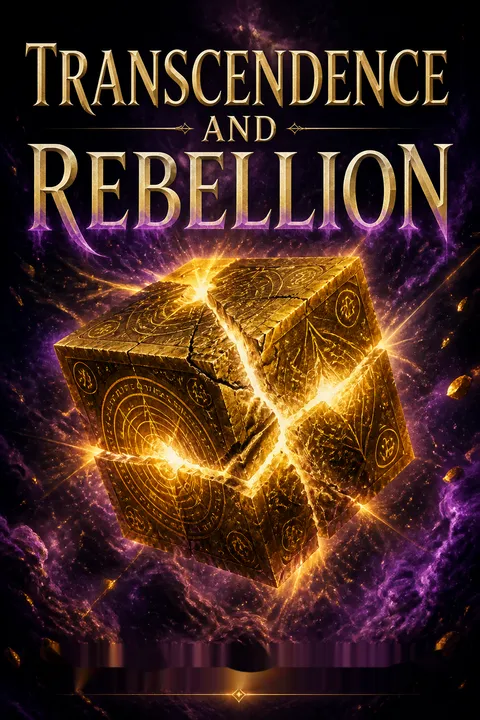
The construction of the golden cube—a magical device designed to contain and destroy a godlike being—is the narrative's central plot device. Its creation requires the combined efforts of the surviving mages, pushing them to the brink of exhaustion and forcing them to confront their own mortality. The device serves as both a literal and metaphorical prison, representing the limits of power, the necessity of sacrifice, and the hope for redemption. Its activation is the story's emotional and narrative climax, bringing together themes of love, loss, and the possibility of renewal.
Resurrection, Copies, and the Dreamer
The recurring motif of resurrection—through spell-twins, magical copies, and the intervention of the dreamer—underscores the story's exploration of immortality, legacy, and the cyclical nature of existence. The dreamer, a godlike figure who shapes reality through dreams, serves as both antagonist and meta-narrative device, blurring the line between fiction and reality. The device is used to question the meaning of life, the possibility of change, and the hope for new beginnings in a world shaped by loss and suffering.
Download PDF
Download EPUB
.epub digital book format is ideal for reading ebooks on phones, tablets, and e-readers.








































