
Plot Summary
Prologue: The Woman in White
In the moonlit woods, a spectral woman lures a drunken man to his doom, revealing her monstrous, horse-like face before killing him. She is la Cegua, a legend in Santa Aguas, feared and worshipped, her hunger for vengeance insatiable. She watches a group of teens play a deadly game on the road, singling out the Sevilla boy—her true target. The town's rules are clear: never roam the woods at night, always keep mustard seeds at your door, and never stop for a woman in white. The prologue sets the tone: a place where old curses and new desires collide, and where the past is never truly buried.
Shattered Roses, Shattered Lives
Cecilia, a Miami teen, returns home drunk, trampling her mother's prized roses. Her family's wealth, built on her mother's marriages, is a fragile facade. When her stepfather is arrested for fraud, Cecilia's numbness is exposed—she feels nothing, not even for her ex, Anthony. Forced to leave Miami, she and her mother, Marina, drive to Santa Aguas, her mother's childhood town. The move is not just a change of scenery but a descent into a world of secrets, resentment, and unresolved pain between mother and daughter.
Exile to Santa Aguas
The drive to Santa Aguas is tense, filled with accusations and revelations. Marina confesses she lost everything, including Cecilia's college fund, to her husband's Ponzi scheme. At a pawnshop, Cecilia encounters a grotesque horse-headed statue—an altar to la Cegua. The town's superstitions are everywhere: mustard seeds, warnings about the woods, and stories of men vanishing. Their new home is the decrepit Sevilla Manor, a gothic relic with a dark history. Marina's connection to the house is ambiguous, hinting at deeper ties to the town's legends.
The House of Secrets
The manor is filled with portraits of stern Sevilla men, but the women are conspicuously absent. Cecilia is drawn to a photograph of a boy—Roman Sevilla—whose gaze seems to follow her. She experiences a chilling vision, hearing a voice urging her to "find me." The house's oppressive atmosphere, combined with the town's isolation, amplifies Cecilia's sense of alienation. Her relationship with her mother is strained, both of them haunted by secrets they refuse to share.
Curses and Caverns
At school, Cecilia learns the town's lore: the Sevilla men die young, cursed by la Cegua, a vengeful spirit said to be Gerardo Sevilla's first wife. Roman Sevilla, the last heir, vanished mysteriously. Cecilia befriends Jamie, Myra, and Di, who introduce her to the town's psychic underbelly. A red-haired girl, Adel, appears, knowing too much about Cecilia's family. The curse is more than a story—it's a living force, and Cecilia is entangled in its web.
The Nightmare Series
Cecilia's art reflects her nightmares—visions of drowning, voids, and faceless women. She is rejected from her dream art school, deepening her sense of inadequacy. Her sleepwalking returns, drawing her toward the woods and the manor's boundaries. The line between dream and reality blurs as she feels the pull of something ancient and hungry. Her mother's rules—never answer the woods, never go out at night—take on new urgency.
The Sevilla Legacy
Cecilia discovers the manor's history: built by Gerardo Sevilla, haunted by tragedy, and the site of generations of untimely deaths. The town's psychics and curanderas were brought in by the Sevillas, hoping to break the curse. Cecilia finds Roman's sketchbook, filled with drawings of the cavern and a mysterious girl. The past is not dead—it is reaching out, demanding to be seen and understood.
The Wishing Well
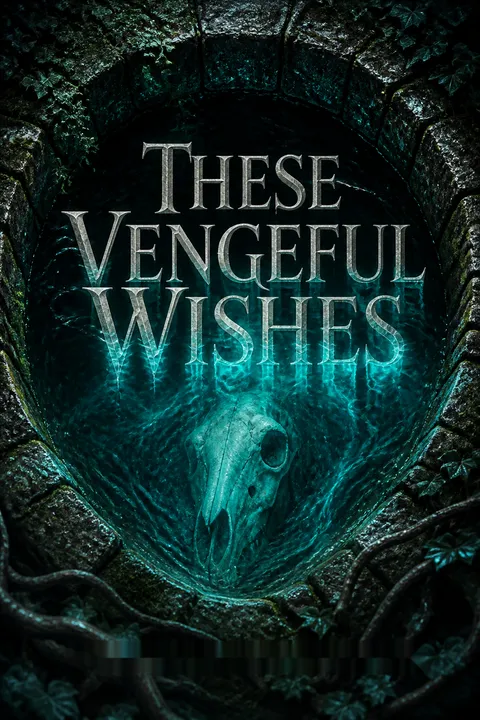
Guided by visions and Jamie's help, Cecilia discovers a secret well in the woods—a cenote with a veiled statue of la Cegua. The cavern is a place of power, granting wishes but exacting a terrible price. Cecilia and Jamie test its magic, experiencing visions and altered realities. The well is both a sanctuary and a trap, its magic tied to the town's fate and the Sevilla bloodline.
Sleepwalking and Summoning
Her sleepwalking intensifies, leading her to the cavern and visions of la Cegua's past. She learns that wishes made in the well come true, but with unintended consequences—her friend Cristina is disgraced, and accidents befall those around her. The boundary between her desires and the curse's demands grows thin. The cavern's magic is seductive, offering Cecilia the power to change her life, but at a cost she cannot yet fathom.
New Friends, Old Ghosts
Cecilia's friendships with Jamie, Myra, and Di deepen, offering her a sense of belonging she's never known. Yet, Adel's presence is a constant threat—she knows too much and is searching for la Cegua's bones. Cecilia's mother, haunted by migraines and memories, reveals fragments of her own past with Roman Sevilla. The town's history is a tapestry of love, betrayal, and supernatural vengeance, and Cecilia is at its center.
The Red-Haired Stranger
Adel is revealed to be a survivor of the original curse, trapped by a wish gone wrong. She seeks to control la Cegua, believing it will free her from her own torment. Adel's obsession with Roman and her rivalry with Marina come to a head, threatening to drag Cecilia into a deadly confrontation. The lines between victim and villain blur as the true cost of the curse is revealed.
The Rules of Desire
Cecilia and Jamie's relationship blossoms, offering hope and healing. Yet, the curse demands sacrifice—only by giving up what one desires most can la Cegua be appeased. Roman's legacy is one of manipulation and failed love; Marina's is of survival and regret. Cecilia must choose between her own happiness and breaking the cycle of vengeance. The well's magic is a mirror, reflecting the darkest truths of the heart.
The Price of Wishes
Every wish made in the cavern has a price: lives lost, memories erased, and destinies altered. Cecilia learns she is the last Sevilla, the final link in the chain of the curse. Roman, resurrected by Adel's ritual, is both her father and her enemy. The truth of her parentage, her mother's bargains, and la Cegua's suffering converge in a final reckoning. The past cannot be undone, but the future is still unwritten.
The Cavern's Bargain
Adel forces Cecilia and Marina into the cavern, demanding they bind la Cegua and resurrect Roman. The ritual unleashes chaos—Adel is killed, Roman returns twisted by power, and la Cegua's true story is revealed. Soledad, the original Cegua, was a victim of betrayal and murder, her spirit bound by injustice. Only by understanding her pain can the curse be broken.
The Truth About Roman
Roman's return is a tragedy—he is not the father Cecilia longed for, but a man consumed by the curse. Marina confesses her own failings, her love for Cecilia, and the impossible choices she made. The family's wounds are laid bare, but in the darkness of the cavern, a new understanding is forged. Cecilia must decide what she truly desires and what she is willing to sacrifice.
The Curse Unbound
Cecilia confronts la Cegua, not as an enemy, but as a kindred spirit. She wishes for Soledad to remember love and to be free. The curse is broken, the cavern collapses, and the spirits are released. Roman fades, Adel is gone, and the town is finally at peace. Cecilia emerges changed, no longer hollow but filled with the messy, painful, beautiful fullness of life.
The Last Sevilla
In the aftermath, Cecilia reconciles with her mother, finds love with Jamie, and claims her place in the world. The manor is no longer haunted, but a home. The past is honored, not feared. Cecilia's art flourishes, capturing the stories of the women who came before her. The cycle of pain is broken, replaced by a legacy of resilience and hope.
The Choice of the Heart
The story ends with Cecilia leaving for a new chapter, her heart open and her future unwritten. The lessons of Santa Aguas—about desire, sacrifice, and the power of women's stories—remain with her. The curse is unbound, but the memory of la Cegua, Soledad, and all the shadowy women endures. Cecilia's journey is one of self-discovery, forgiveness, and the courage to choose love, even when it hurts.
Analysis
"These Vengeful Wishes" is a lush, multi-layered exploration of generational trauma, the hunger for belonging, and the cost of desire. Vanessa Montalban reimagines the Latin American legend of la Cegua as both a supernatural curse and a metaphor for the silencing of women's stories. The novel interrogates the ways in which pain, longing, and violence are inherited, and how cycles of harm can only be broken through radical honesty and self-sacrifice. Cecilia's journey—from numbness to feeling, from isolation to connection—mirrors the process of healing from intergenerational wounds. The book's gothic atmosphere, magical realism, and psychological depth invite readers to question the boundaries between victim and villain, love and control, fate and choice. Ultimately, the story argues that true liberation comes not from wishing away pain, but from facing it, honoring the past, and choosing love—even when it hurts. The legacy of la Cegua, and of all the shadowy women, endures as a testament to resilience, memory, and the transformative power of art in telling one's own story.
Review Summary
These Vengeful Wishes receives mixed reviews averaging 3.88 stars. Readers praise the atmospheric gothic setting, Nicaraguan folklore elements featuring La Cegua (a vengeful spirit with a horse skull face), and the compelling romance with Jamie. The mother-daughter relationship and generational trauma themes resonate strongly. However, many find the plot predictable and pacing uneven. Some note it's not genuinely scary despite horror classification, reading more like mystery/suspense. Character development receives mixed feedback, with Ceci's growth appreciated by some but lacking depth for others. Overall, readers recommend it for atmospheric YA thrillers with cultural folklore.
People Also Read


Characters
Cecilia Navarrete
Cecilia is a seventeen-year-old artist uprooted from Miami after her family's financial ruin. Her relationship with her mother, Marina, is fraught with resentment and longing for connection. Cecilia's psychological landscape is shaped by numbness, abandonment, and a desperate need to be seen. Her art is both a refuge and a mirror for her trauma, especially her "Nightmare Series." As she unravels the mysteries of Santa Aguas, she discovers her own ties to the Sevilla curse and la Cegua. Cecilia's journey is one of awakening—from passive observer to active participant, from hollow to whole. Her greatest challenge is learning to accept love and to break the cycle of pain inherited from generations past.
Marina Navarrete
Marina is a complex figure—ambitious, beautiful, and deeply wounded. Her life has been a series of reinventions, each marriage a bid for security. She loves Cecilia fiercely but is often emotionally unavailable, haunted by her own past in Santa Aguas. Marina's relationship with Roman Sevilla is the source of the family curse's latest chapter. Her choices—driven by fear, love, and desperation—set the story's events in motion. Marina's arc is one of reckoning: she must confront her failures as a mother, her complicity in the curse, and her own need for forgiveness. Ultimately, she chooses her daughter over her own desires, breaking the pattern of abandonment.
Jamie
Jamie is the new boy in town, working multiple jobs and caring for his alcoholic father. He is drawn to Cecilia's darkness, offering her kindness without expectation. Jamie's psychological need to be needed is both his strength and his vulnerability. He is the first to believe in Cecilia, to see her as more than her pain. Their relationship is a slow burn, built on trust and mutual healing. Jamie's presence grounds Cecilia, helping her to open up and risk love. He is also a symbol of hope—a future untainted by the curse.
Roman Sevilla
Roman is the last male heir of the Sevilla line, vanished under mysterious circumstances. In life, he was charismatic, manipulative, and desperate to break the family curse. His relationship with Marina was passionate but toxic, marked by control and failed love. Roman's experiments with the cavern's magic led to disaster, trapping him in a liminal state. As Cecilia's father, he is both a source of longing and pain. His return is a cautionary tale about the dangers of unchecked desire and the inability to accept loss.
La Cegua / Soledad
Soledad was Gerardo Sevilla's first wife, a witch from Villa del Sur, betrayed and murdered for her power. As la Cegua, she haunts the woods, punishing men and cursing the Sevilla line. Her story is one of erasure—her voice silenced, her pain ignored. Through visions, she communicates with Cecilia, seeking both vengeance and release. Soledad embodies the consequences of patriarchal violence and the resilience of women's stories. Her liberation is the key to breaking the curse.
Adel
Adel is a red-haired stranger who is revealed to be a survivor of the original curse, trapped by a wish gone wrong. Her obsession with Roman and rivalry with Marina drive her to manipulate events, seeking to control la Cegua and free herself. Adel's psychological torment is rooted in unrequited love and the loss of agency. She is both victim and villain, her actions a warning about the dangers of envy and the refusal to let go.
Gabe
Gabe is Marina's childhood friend and the caretaker of the Sevilla Manor. He is a stabilizing presence, offering practical support and emotional wisdom. Gabe's unrequited love for Marina is handled with grace; he becomes a surrogate father figure for Cecilia. His role is to anchor the family, helping them to heal and move forward.
Myra and Di
Myra and Di are Cecilia's first real friends in Santa Aguas, artists and outsiders who accept her unconditionally. Their relationship models healthy love and mutual support, contrasting with Cecilia's fraught connections. They help Cecilia to see her own worth and to embrace her art as a means of healing.
Gerardo Sevilla
Gerardo is the founder of Santa Aguas, whose betrayal and murder of Soledad set the curse in motion. His legacy is one of violence, control, and the erasure of women's stories. He is a symbol of the destructive power of unchecked ambition and the generational trauma it creates.
Perla / Curandera Lupe
Perla and her mother, Curandera Lupe, are the town's spiritual guides, offering cryptic warnings and pieces of the puzzle. They represent the wisdom of marginalized women, often ignored but essential to breaking the cycle of pain.
Plot Devices
Generational Curse
The Sevilla family's curse—doomed to die young, haunted by la Cegua—drives the narrative. It is a literal supernatural force and a symbol of inherited trauma, misogyny, and the consequences of unacknowledged pain. The curse's rules (death or sacrifice of desire) structure the story's choices and stakes.
The Wishing Well / Cavern
The hidden cenote is a place where wishes come true, but always at a cost. It is both a sanctuary and a trap, reflecting the characters' deepest fears and longings. The well's magic is unpredictable, echoing the dangers of unchecked ambition and the seductive allure of power.
Sleepwalking and Visions
Cecilia's sleepwalking and visions serve as both foreshadowing and revelation. They allow her (and the reader) to access the past, understand la Cegua's pain, and uncover hidden truths. These episodes heighten the story's gothic atmosphere and sense of inevitability.
Dual Timelines and Hidden Histories
The narrative weaves together present-day events with the histories of Soledad, Roman, and Marina. Letters, photographs, and visions reveal secrets at crucial moments, allowing for dramatic irony and emotional resonance. The structure emphasizes the cyclical nature of trauma and the possibility of breaking free.
The Power of Art
Cecilia's art is a recurring motif, reflecting her inner turmoil and growth. Her "Nightmare Series" becomes a means of processing trauma and connecting with others. Art is both a mirror and a weapon, capable of revealing truth and forging new identities.
The Rules and Superstitions
The town's rules—never roam the woods at night, keep mustard seeds at your door, never stop for a woman in white—are both practical warnings and symbolic boundaries. They foreshadow the dangers to come and reinforce the story's themes of tradition, fear, and resistance.
Download PDF
Download EPUB
.epub digital book format is ideal for reading ebooks on phones, tablets, and e-readers.








































