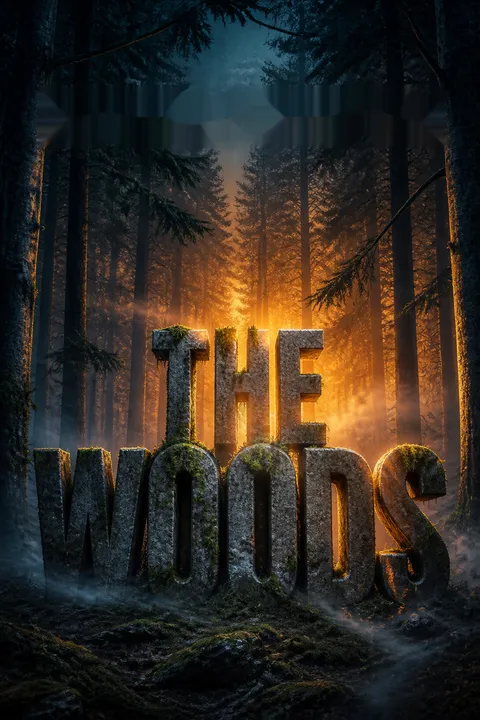

Summary Temporarily Unavailable
This summary is temporarily unavailable and is currently being updated. You can still explore the FAQs and other metadata below.
Plot Summary
Shadows in the Woods
Twenty years ago, at a New Jersey summer camp, four teenagers—Paul Copeland's sister Camille among them—disappeared into the woods. Only two bodies were ever found, victims of a serial killer dubbed the Summer Slasher. The other two, Camille and Gil Perez, were never recovered. The trauma shattered families, left wounds that never healed, and set Paul on a path to become a prosecutor, forever haunted by the question: what really happened in those woods?
The Unburied Past
Now an ambitious county prosecutor and widowed father, Paul Copeland balances his high-profile career with single parenthood. The past is never far: his father's deathbed plea to "find her" echoes in his mind. When a murdered man's body is found in New York, clues link the victim to Paul's own family tragedy. The wall between past and present collapses, forcing Paul to confront the secrets he's tried to bury.
Echoes of a Summer Night
The dead man is identified as Gil Perez, one of the two missing teens from that fateful night. Paul is stunned—if Gil survived, could Camille have as well? The Perez family denies the body is Gil, but evidence mounts. Paul's investigation is personal, driven by guilt and hope. The woods, once a place of youthful freedom, become a symbol of unresolved trauma and the lies that have shaped so many lives.
The Prosecutor's Dilemma
Paul's professional life is consumed by a controversial rape case involving privileged college athletes and a vulnerable victim, Chamique Johnson. The case is a media circus, and Paul faces pressure from all sides—including threats to his reputation and his late wife's charity. The pursuit of justice is complicated by class, race, and the manipulations of powerful families, mirroring the moral ambiguities of his own past.
Ghosts and Living Lies
Lucy Gold, a college professor with a secret past, receives anonymous student journals that eerily recount the events of that summer night. Lucy, once known as Lucy Silverstein, was Paul's first love and the camp owner's daughter. Her own trauma and guilt have shaped her adult life, leading to isolation and alcoholism. The journals force her to confront memories she's tried to forget, and she realizes someone is watching her, dredging up the past for reasons unknown.
The Return of Gil Perez
The investigation into Gil's death reveals he had been living under an alias, obsessed with the events of the woods. His connection to Paul and Lucy is undeniable. As Paul digs deeper, he uncovers a web of lies: the Perez family's denial, Gil's attempts to blackmail powerful people, and the involvement of private investigators hired to destroy Paul's career. The past refuses to stay buried, and the truth becomes more elusive.
Lucy's Secret Journals
The journals sent to Lucy are traced back to a student, but the real authors are private investigators manipulating her for information. The entries reveal intimate details only a witness—or the killer—could know. Lucy and Paul reunite, their old feelings resurfacing amid the chaos. Together, they realize the journals are bait, designed to provoke and expose, and that the real threat may be closer than they think.
The Rape Case Unravels
Paul's rape case reaches a turning point when the defense exploits inconsistencies and the victim's troubled past. A crucial breakthrough comes when Paul links the attackers' use of the names "Cal and Jim" to a pornographic film, exposing their calculated cruelty. The case becomes a battle not just for justice, but for Paul's own integrity, as the defense's private investigators dig into his family's darkest secrets.
The Perez Family Pact
Paul confronts the Perez family, who finally admit Gil survived the woods. The truth is devastating: after witnessing the murder of Margot Green by Wayne Steubens, Gil and Camille fled, too afraid to come forward. Their families, desperate and poor, saw an opportunity in the camp's negligence lawsuit. They faked their children's deaths, securing money but dooming themselves to decades of guilt and secrecy.
The First Skeleton
As ground-penetrating radar uncovers a woman's skeleton near the old camp, Paul's hope that Camille survived is reignited—until forensic evidence suggests otherwise. The discovery forces Paul to re-examine everything: his mother's disappearance, his father's obsession, and the possibility that the real story is even darker than he imagined. The woods yield their secrets slowly, each revelation more painful than the last.
The Price of Silence
The investigation reveals that Paul's mother, Natasha, conspired with the Perez family to hide Camille and Gil, planning to escape with the settlement money. When Paul's father discovered the plan, he killed Natasha and buried her in the woods, a final act of rage and heartbreak. The sins of the parents are visited on the children, and Paul is left to reckon with the legacy of betrayal, survival, and silence.
The Truth About Camille
Camille did survive the woods, but the cost was unbearable. She lived in hiding, haunted by guilt for her role in the cover-up and fear of her father's violence. Paul's search for her becomes a search for meaning, forgiveness, and closure. When Camille finally reappears, the siblings must confront the past together, acknowledging the pain and love that bind them.
The Dead and the Living
The truth about the murders emerges: Wayne Steubens was the killer, but he was aided by the silence and complicity of others. Lucy's guilt for luring Paul away, Ira's desperate attempts to protect his daughter, and the families' choices all contributed to the tragedy. The woods become a graveyard of innocence, but also a place where healing can begin. Paul and Lucy, scarred but resilient, find solace in each other.
The Final Confessions
Paul visits Steubens in prison, seeking final answers. Steubens confesses, but taunts Paul with the knowledge that he manipulated everyone, including Paul himself. The true horror is not just the violence, but the way fear and shame warped the lives of survivors. Paul realizes that the only way forward is to accept responsibility, forgive himself, and let go of the need for perfect justice.
Hope and Reckoning
With Camille back in his life and Lucy by his side, Paul begins to rebuild. The wounds of the past will never fully heal, but the possibility of happiness remains. The story ends not with triumph, but with the hard-won wisdom that survival is its own kind of victory, and that the living must honor the dead by choosing hope over despair.
The Last Victim
The final revelations come at a price: careers destroyed, families shattered, and innocence lost. Yet, in facing the truth, Paul and those around him are freed from the ghosts that haunted them. The woods, once a place of terror, become a symbol of endurance and the possibility of new beginnings.
Facing the Monster
The confrontation with Steubens is not just about justice, but about understanding the nature of evil and the limits of human strength. Paul learns that monsters are made, not born, and that the real battle is against the fear and silence that allow them to thrive. The story's end is bittersweet, a testament to the resilience of the human spirit.
Out of the Woods
The survivors step out of the woods, changed but not defeated. Paul, Lucy, and Camille embrace the future, carrying the scars of their ordeal but also the hope that comes from facing the truth. The past will always be with them, but it no longer defines them. The woods are no longer a place of death, but of hard-earned life.
Analysis
Harlan Coben's The Woods is a masterful exploration of the long shadow cast by trauma, the corrosive power of secrets, and the redemptive potential of truth. At its core, the novel is about the ways in which the past refuses to stay buried—how the choices of one generation shape the lives of the next, and how silence can be as destructive as violence. Coben uses the conventions of the thriller—murder, courtroom drama, hidden identities—not just to entertain, but to probe deeper questions about guilt, forgiveness, and the nature of evil. The woods themselves are a potent metaphor: a place where innocence is lost, where monsters hide, but also where survivors can emerge, changed but not defeated. The novel's modern relevance lies in its portrayal of justice as a messy, imperfect process, and in its insistence that healing requires both courage and honesty. Ultimately, The Woods is a story about facing the darkness within and without, and about the possibility—however fragile—of coming out of the woods whole.
Last updated:
Report IssueReview Summary
The Woods by Harlan Coben receives mixed reviews averaging 4.06/5 stars. Many praise Coben's suspenseful storytelling, constant twists, and page-turning pacing. Readers appreciate protagonist Paul Copeland's character and the gripping mystery surrounding four teenagers who disappeared at summer camp twenty years earlier. However, several reviewers criticize the book's dated writing, problematic portrayal of women and minorities, predictable plot twists, convoluted storylines, and unsatisfying ending. Some find the protagonist insufferable despite his tragic backstory. While fans love Coben's signature style, critics feel the novel relies too heavily on formulaic thriller tropes and lacks originality.
People Also Read
Characters
Paul Copeland
Paul is the novel's emotional center—a man defined by loss, guilt, and a relentless drive for justice. The disappearance of his sister Camille shapes his life, fueling his career as a prosecutor and his inability to let go of the past. Paul's relationships are marked by both tenderness and distance: he is a loving father, a devoted brother, and a man who struggles to forgive himself. His journey is one of reckoning—with his family's secrets, his own mistakes, and the possibility of redemption. Paul's psychological complexity lies in his ability to partition his life, to function amid trauma, and ultimately to choose hope over despair.
Lucy Gold (née Silverstein)
Lucy is Paul's first love and the daughter of the camp owner. Her adult life is shaped by trauma, guilt, and a desperate need to hide from her past. She changes her name, isolates herself, and battles alcoholism, yet remains fiercely intelligent and empathetic. Lucy's relationship with Paul is both a source of pain and healing. Her complicity in the events of the woods, and her father's role in the cover-up, haunt her. Lucy's arc is one of gradual self-forgiveness, as she learns to confront the truth and accept love again.
Camille Copeland
Camille's disappearance is the novel's central mystery. Her survival, hidden by her mother and the Perez family, is both a blessing and a curse. Camille is shaped by fear, guilt, and the burden of silence. Her eventual return forces her and Paul to confront the consequences of their family's choices. Camille embodies the cost of survival—the way trauma can warp identity and relationships, but also the possibility of reconciliation.
Gil Perez
Gil's reappearance as a murder victim sets the plot in motion. His life after the woods is marked by rootlessness, bitterness, and a failed attempt to profit from the past. Gil's actions—blackmail, secrecy, and ultimately his own death—reflect the corrosive power of guilt and the impossibility of escaping one's history. His relationship with his family is fraught, and his fate is a warning about the dangers of unresolved trauma.
Ira Silverstein
Ira is a tragic figure—once a symbol of peace and freedom, now a man destroyed by guilt and loss. His attempts to protect Lucy and cover up the truth lead to further tragedy, including murder. Ira's decline into dementia and eventual suicide are the result of decades of secrets and shame. He represents the failure of good intentions in the face of evil, and the way love can become destructive.
Wayne Steubens
The Summer Slasher, Wayne is both a literal and symbolic monster. His crimes are the catalyst for the novel's events, but his true power lies in his ability to manipulate others—exploiting their fears, secrets, and weaknesses. Wayne's interactions with Paul and Lucy reveal the seductive nature of evil and the difficulty of confronting it. He is a reminder that monsters are made by circumstance and choice, not just by nature.
Natasha Copeland
Paul's mother is a shadowy presence, her actions driving much of the plot. Her decision to hide Camille and Gil, to betray her husband, and to ultimately run away is both an act of desperation and vengeance. Natasha's choices are shaped by her own trauma—her parents' deaths, her husband's betrayal—and her inability to forgive. She is both victim and perpetrator, her legacy one of pain and survival.
Loren Muse
Muse is Paul's chief investigator and confidante. She is sharp, dedicated, and unafraid to challenge Paul when necessary. Muse's role is to keep the investigation honest, to ask the hard questions, and to ensure that justice is not sacrificed for personal loyalty. Her presence grounds the novel, providing a counterpoint to Paul's emotional turmoil.
Chamique Johnson
Chamique is the plaintiff in Paul's rape case—a young woman with a troubled past, fighting for dignity in a system stacked against her. Her courage and honesty are contrasted with the privilege and manipulation of her attackers. Chamique's story parallels the novel's larger themes: the struggle for justice, the power of truth, and the cost of survival.
Sosh Stekierky
Sosh is a link to Paul's Russian past—a man shaped by war, survival, and the compromises of the Cold War. His knowledge of the family's secrets, and his role in both protecting and deceiving Paul, make him a complex figure. Sosh embodies the moral ambiguity of survival, the way good intentions can lead to terrible consequences, and the importance of facing the truth.
Plot Devices
Dual Timelines and Interwoven Mysteries
The novel's structure alternates between the present-day investigation and flashbacks to the summer camp tragedy. This dual timeline creates suspense, as each revelation in the present is mirrored by a deeper understanding of the past. The use of anonymous journals, hidden identities, and unreliable narrators keeps the reader guessing. Foreshadowing is employed through recurring motifs—the woods, the shovel, the missing bodies—hinting at the truth long before it is revealed. The narrative is driven by the interplay of personal and professional stakes, as Paul's pursuit of justice in the courtroom echoes his search for answers in his own life.
The Unreliable Witness and the Power of Silence
The novel explores how trauma distorts memory and perception. Characters lie to protect themselves and others, but these lies become prisons. The use of anonymous journals and manipulated evidence (the private investigators' planted stories) blurs the line between fact and fiction. The silence of survivors—whether out of fear, shame, or self-preservation—allows evil to flourish. The ultimate revelation is that everyone bears some responsibility, and that the truth is both liberating and devastating.
The Woods as Symbol and Setting
The woods are more than a backdrop—they are a living symbol of the unknown, the buried, and the unresolved. They represent both the innocence of youth and the darkness that can consume it. The repeated returns to the woods—by Paul's father, by investigators, by the survivors—underscore the impossibility of escaping the past. The woods are a place of death, but also of revelation and, ultimately, of healing.
The Interplay of Justice and Revenge
The parallel stories of the rape case and the camp murders highlight the complexities of justice. The legal system is shown to be flawed, subject to manipulation by wealth and power. Paul's pursuit of justice is both noble and self-serving, driven by guilt and the need for redemption. The novel questions whether true justice is ever possible, and whether revenge can ever bring peace.
About the Author
Harlan Coben is a #1 New York Times bestselling author renowned as one of the world's leading storytellers in suspense fiction. His novels are published in forty-five languages and have achieved bestseller status in over a dozen countries, with seventy-five million books sold worldwide. Coben's work has earned prestigious literary awards including the Edgar, Shamus, and Anthony Awards. Many of his novels have been adapted into Netflix Original Drama series, including The Stranger, The Innocent, Gone for Good, and The Woods. His most recent Netflix adaptation, Stay Close, premiered in December 2021, starring Cush Jumbo, James Nesbitt, and Richard Armitage.
Other books by Harlan Coben




Download PDF
Download EPUB
.epub digital book format is ideal for reading ebooks on phones, tablets, and e-readers.








































