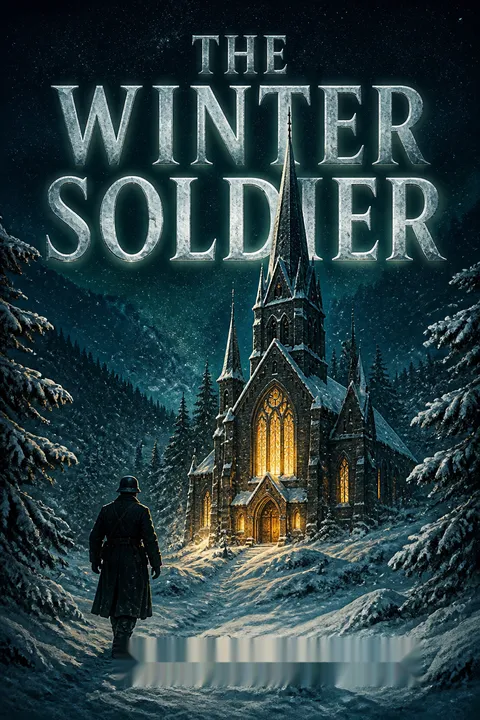

Plot Summary
Vienna's Outsider Son
Lucius Krzelewski grows up in Vienna, the awkward youngest son of a Polish noble family. Alienated by his family's expectations and his own social ineptitude, he finds solace and purpose in the study of medicine. His fascination with the mysteries beneath the skin and the workings of the mind sets him apart from his peers. Lucius's stutter and discomfort in society are soothed only by his immersion in medical science, where he discovers a rare aptitude. Yet, beneath his academic zeal lies a yearning to escape the suffocating world of privilege and find meaning in something real, something earned.
War's Reluctant Summons
As World War I erupts, Lucius's dreams of a clinical career are derailed. The Austrian army's desperate need for doctors accelerates his deployment, despite his inexperience. Pressured by his family's martial pride and his own desire to prove himself, Lucius enlists as a medical lieutenant. Bureaucratic chaos and repeated reassignments delay his arrival at the front, leaving him frustrated and untested. When he finally receives orders to a remote field hospital in the Carpathians, he sets out with a broken wrist and a head full of medical theory, unprepared for the realities awaiting him.
Arrival at Lemnowice
Lucius arrives at Lemnowice, a village hospital housed in a church, to find chaos and despair. The previous doctor has vanished, and the staff is reduced to a single formidable nurse, Sister Margarete. The church is crowded with wounded soldiers, the air thick with the stench of infection and death. Margarete, armed and unyielding, informs Lucius that he is now the sole physician. Overwhelmed by the suffering and his own inadequacy, Lucius is thrust into a world where survival depends on improvisation, courage, and the guidance of a nurse who knows more than he does.
Sister Margarete's Domain
Sister Margarete, whose past is shrouded in mystery, runs the hospital with iron discipline and fierce compassion. She recounts the loss of her fellow nurses to typhus and the madness that claimed the previous doctor. Margarete's pragmatic faith and unorthodox methods keep the hospital functioning amid lice, rats, and the constant threat of death. Lucius, initially paralyzed by self-doubt, is drawn into her orbit, learning to navigate the brutal demands of war medicine. Their partnership, forged in crisis, becomes the hospital's lifeline.
Baptism by Wounds
Lucius is baptized in the realities of battlefield medicine: amputations, infections, and the relentless arrival of new casualties. Under Margarete's tutelage, he learns to operate, to make decisions with life-or-death consequences, and to accept the limits of his knowledge. The hospital's staff—orderlies, cooks, and patients—form a makeshift family, sharing stories and dark humor to survive. Lucius's confidence grows as he finds purpose in the work, but the emotional toll of constant suffering and loss begins to accumulate.
Winter's Unforgiving Lessons
As winter deepens, the hospital is cut off by snow and fighting. Supplies dwindle, and hunger gnaws at everyone. Margarete leads foraging expeditions, teaching Lucius to find food in the forest and to endure deprivation. The camaraderie among the staff and patients deepens, but death is ever-present. Lucius and Margarete's partnership becomes more intimate, their mutual reliance growing into unspoken affection. The hospital becomes a fragile sanctuary, a place of both suffering and unexpected grace.
The Silent Soldier
One night, a peasant brings in a soldier found half-frozen and mute. The man, later identified as József Horváth, is locked in a catatonic state, unresponsive to all attempts at care. Lucius becomes obsessed with diagnosing and curing him, experimenting with sedatives and drawing on his neurological training. Margarete's patience and tenderness coax small signs of life from Horváth. The case becomes a crucible for Lucius, challenging his faith in medicine and his understanding of trauma.
Resurrection and Loss
Through trial and error, Lucius discovers that Veronal, a sedative, can temporarily revive Horváth, allowing him to eat, speak, and even draw. The hospital staff and patients rally around the recovering man, and Lucius feels the thrill of having performed a miracle. Yet, as supplies run low and the war's bureaucracy encroaches, the threat of losing Horváth to the army's harsh discipline looms. Lucius's attachment to both Horváth and Margarete intensifies, but the fragile peace is shattered when a conscription officer arrives, leading to tragedy.
Spring's Brief Reprieve
With the front moving away, the hospital enjoys a brief respite. The snow melts, and the staff and patients forage for food, finding moments of joy and normalcy. Lucius and Margarete's relationship blossoms into love, their connection deepened by shared hardship and mutual respect. Yet, the specter of war remains, and the arrival of new patients and the return of violence threaten their fragile happiness. The hospital's community is tested by loss, longing, and the ever-present uncertainty of the future.
Love in the Ruins
Lucius and Margarete finally consummate their love, stealing moments together amid the ruins of war. Their intimacy offers solace and escape, but both are haunted by secrets and the knowledge that their time together is precarious. Lucius proposes marriage, but Margarete flees, burdened by her past and the impossibility of a future together. Their love, forged in crisis, is both a refuge and a source of pain, as the realities of war and personal history intrude.
The Return of War
The war returns to Lemnowice with brutal force. A conscription officer, Horst, arrives to reclaim soldiers for the front, showing no mercy for the wounded or traumatized. Horváth, still fragile, is subjected to cruel punishment, and Lucius is powerless to protect him. Margarete risks everything to save her patients, suffering violence herself. The hospital is evacuated, and the community is scattered. Lucius is separated from Margarete, left with guilt, grief, and unanswered questions.
Horváth's Fate
Horváth's suffering and ultimate fate haunt Lucius, who is tormented by guilt and recurring nightmares. The loss of Horváth becomes a symbol of the limits of medicine and the moral ambiguities of war. Lucius's relationship with Margarete is severed, and he is left to grapple with the consequences of his choices. The trauma of Lemnowice follows him back to Vienna, where he struggles to find meaning and peace.
Aftermath and Separation
Returning to Vienna, Lucius finds the city hollowed by war and loss. His family is distant, and his attempts to reconnect with friends and colleagues are fruitless. He marries Natasza, a beautiful and lively woman, but their relationship is empty and short-lived. Lucius is plagued by insomnia and haunted by memories of Margarete and Horváth. The end of the war brings no closure, only a sense of dislocation and longing.
Vienna's Hollow Peace
In the postwar years, Lucius drifts through Vienna, unable to escape the shadows of his past. He searches for Margarete, scouring hospitals and records, but finds only dead ends. His marriage dissolves, and he is left alone, a stranger in his own city. The peace is fragile, the wounds of war unhealed. Lucius's only solace is in his work as a doctor, where he tries to atone for his failures and find redemption in caring for others.
Searching for the Lost
Driven by the need for answers, Lucius embarks on a journey across the fractured remnants of the empire. He travels through war-torn Galicia, following rumors and traces of Margarete. Along the way, he encounters other seekers, each searching for lost loved ones. The journey is perilous, marked by violence, suspicion, and the lingering chaos of war. Lucius's determination is fueled by love, guilt, and the hope of reconciliation.
The Long Journey Back
Lucius finally reaches Lemnowice, now a ghost of its former self. He is captured by local partisans but is recognized and saved by Krajniak, the former cook. Together, they reminisce about the hospital, Margarete, and the community they built. Krajniak reveals what he knows of Margarete's fate, offering Lucius both comfort and new questions. The visit is both a homecoming and a farewell, as Lucius confronts the ghosts of his past and prepares to move on.
Lemnowice Revisited
Lucius wanders the empty church, searching for traces of Margarete and the life they shared. The building is stripped bare, the community dispersed. He finds small tokens—stones, memories—that speak to the enduring impact of what happened there. The visit is an act of mourning and acceptance, a recognition that some wounds never heal but can be carried with grace. Lucius says goodbye to Lemnowice, ready to continue his search.
Reunion and Release
Lucius's journey leads him to Tarnów, where he finally finds Margarete—now Małgorzata—working as a nurse, married, and mother to a child. Their reunion is bittersweet: both have survived, changed, and found new lives. Margarete's husband is revealed to be Horváth, the silent soldier they once saved together. Lucius accepts that their love belongs to the past, and that healing means letting go. Their parting is tender, filled with gratitude and sorrow, as Lucius steps into the future, carrying the lessons and scars of war.
Analysis
Daniel Mason's The Winter Soldier is a profound meditation on the costs of war, the limits of healing, and the resilience of the human spirit. Through Lucius's journey from sheltered student to battle-hardened doctor, the novel interrogates the boundaries between knowledge and compassion, duty and desire. The hospital at Lemnowice becomes a crucible where love, suffering, and community are forged amid chaos. Mason's narrative structure, with its circular returns and layered memories, mirrors the psychological reality of trauma—how the past persists, demanding reckoning and, ultimately, acceptance. The novel's central relationships—between Lucius and Margarete, Lucius and Horváth—embody the complexities of care, the dangers of hubris, and the necessity of letting go. In the end, The Winter Soldier offers no easy redemption, but it affirms the possibility of grace: that even in the aftermath of devastation, one can find meaning, connection, and the courage to continue. The story's lessons resonate in any era marked by upheaval, reminding us that healing is a communal, imperfect, and ongoing act.
Review Summary
The Winter Soldier receives predominantly four and five-star reviews, with readers praising its vivid historical detail, unflinching portrayal of WWI field medicine, and richly developed characters. Sister Margarete and protagonist Lucius are particular favorites, with their evolving relationship forming the emotional core of the novel. Reviewers highlight Mason's medical expertise, lyrical prose, and sensitive handling of shell shock/PTSD. Some critics note uneven pacing and an abrupt ending, while others find the romance underdeveloped. Overall, most consider it a memorable, immersive, and deeply human story of war, love, and redemption.
People Also Read





Characters
Lucius Krzelewski
Lucius is the protagonist, a sensitive, awkward son of Polish nobility raised in Vienna. Haunted by social anxiety and a stutter, he finds purpose in medicine, drawn to the mysteries of the body and mind. His journey from sheltered student to war doctor is marked by self-doubt, guilt, and a relentless search for redemption. Lucius's relationships—with Margarete, his patients, and his family—reveal his longing for connection and his struggle to reconcile compassion with the brutal demands of war. His psychological arc is one of growth through suffering, as he learns the limits of knowledge, the cost of love, and the necessity of letting go.
Sister Margarete / Małgorzata
Margarete is the enigmatic nurse who becomes Lucius's mentor, partner, and lover. Her past is veiled in secrecy, her faith pragmatic and unorthodox. Margarete's resilience, resourcefulness, and compassion keep the hospital running amid chaos. She is both nurturing and commanding, guiding Lucius through the horrors of war medicine. Beneath her strength lies deep grief and loss, hinted at by her assumed name and hidden history. Her relationship with Lucius is transformative for both, but ultimately she chooses a path of healing and motherhood with Horváth, embodying the possibility of renewal after devastation.
József Horváth
Horváth is the silent, catatonic soldier whose arrival tests the limits of Lucius and Margarete's skill and compassion. His mysterious condition becomes a focal point for the hospital's hopes and fears. Through Lucius's experimental treatment, Horváth briefly recovers, revealing artistic talent and a gentle spirit. His subsequent suffering and punishment at the hands of the army symbolize the cruelty of war and the inadequacy of medicine to heal all wounds. Ultimately, Horváth's survival and marriage to Margarete represent the resilience of the human spirit and the possibility of healing through love.
Lucius's Mother (Agnieszka)
Agnieszka is a formidable presence, orchestrating her family's fortunes with strategic ruthlessness. She is both supportive and critical of Lucius, pushing him toward social advancement and marriage. Her emotional reserve and focus on appearances create a gulf between mother and son, yet she is not without care, intervening in his career when necessary. Agnieszka embodies the old world's values, struggling to adapt to the upheavals of war and modernity.
Lucius's Father (Zbigniew)
Zbigniew is a retired cavalry officer, steeped in the myths and rituals of Polish nobility. He idolizes martial valor and is proud of Lucius's service, though he struggles to understand his son's sensitivity and vocation. Their relationship is marked by misunderstanding and occasional tenderness, with Zbigniew representing the fading ideals of a vanished era.
Feuermann
Feuermann is Lucius's closest friend from medical school, a fellow outsider and intellectual companion. Their bond is forged through shared ambition and exclusion from Vienna's elite circles. Feuermann's fate is left uncertain, his absence a source of grief and longing for Lucius. He represents the lost generation of young men destroyed or scattered by war.
Krajniak
Krajniak is the hospital's cook, a practical, humorous survivor who loses a hand in the war. He provides stability and comic relief, helping to hold the hospital community together. Later, he becomes Lucius's guide and link to Lemnowice's vanished world, offering both comfort and hard truths about memory and loss.
Zmudowski
Zmudowski is an orderly with a passion for stamps and a deep well of sentimentality. His stories and rituals help create a sense of family among the hospital staff. He is a witness to the war's absurdities and tragedies, embodying the resilience and vulnerability of ordinary people caught in history's tide.
Natasza Borszowska
Natasza is Lucius's wife, chosen through family arrangement. Vivacious, intelligent, and modern, she is ultimately incompatible with Lucius's wounded, introspective nature. Their marriage is brief and unfulfilling, highlighting the gulf between prewar ideals and postwar realities, and the difficulty of finding connection after trauma.
Adelajda
Adelajda is a young mother Lucius meets on his journey, searching for her missing husband. Her hope and grief mirror Lucius's own, and their brief connection underscores the universality of loss and the human need for closure. She represents the countless lives disrupted by war, each with their own story of searching and survival.
Plot Devices
War as Catalyst and Crucible
The novel uses World War I not just as a backdrop but as an engine of transformation. The chaos, violence, and dislocation of war force characters into situations that test their limits, strip away illusions, and reveal hidden strengths and vulnerabilities. The hospital at Lemnowice becomes a microcosm of the war's impact, where survival depends on improvisation, community, and the willingness to confront suffering.
The Hospital as Microcosm
The field hospital is both a sanctuary and a site of horror, where the boundaries between life and death, love and loss, are constantly negotiated. It serves as a crucible for Lucius's development and a stage for the interplay of personalities, cultures, and traumas. The hospital's routines, rituals, and relationships mirror the larger world's struggles and hopes.
Trauma and Memory
The novel explores the psychological and physical scars left by war, using characters like Horváth to embody the mysteries of trauma. Lucius's recurring dreams, guilt, and search for meaning reflect the enduring impact of violence and loss. Memory is both a source of pain and a path to healing, as characters seek to make sense of what they have endured.
Love and Sacrifice
The relationship between Lucius and Margarete is shaped by the pressures of war, secrecy, and the need for solace. Their love is both a refuge and a source of vulnerability, demanding sacrifice and ultimately acceptance of separation. The novel uses their romance to explore the tension between personal desire and duty, and the possibility of renewal after loss.
The Search and the Journey
Lucius's postwar journey across a fractured Europe is both literal and metaphorical, representing the search for lost love, atonement, and identity. The narrative structure mirrors this quest, moving from Vienna to Lemnowice to Tarnów, each stage bringing new revelations and challenges. The journey is marked by encounters with other seekers, reinforcing the universality of longing and the difficulty of finding resolution.
Foreshadowing and Circularity
The novel employs foreshadowing through recurring images (the beech tree, the church, the stones), motifs (medicine, music, foraging), and the cyclical nature of war and peace. Characters and events from the beginning reappear in altered forms, emphasizing the persistence of the past and the possibility of transformation. The ending's reunion is both a return and a release, allowing Lucius to move forward.
About the Author


Download PDF
Download EPUB
.epub digital book format is ideal for reading ebooks on phones, tablets, and e-readers.








































