

Plot Summary
Winter's Thawing Heart
The story opens with Queen Katrina of the North, whose heart, once frozen by duty and loss, begins to thaw as the warmth of love and hope seeps in. The kingdom of Aikyam, divided into four realms—North, East, South, and West—faces a fragile peace. Katrina, burdened by her father's legacy and the weight of her crown, seeks unity through a marriage alliance. Yet, her heart is torn between two kings, Levi of the East and Teodoro of the South, while the enigmatic Atlas of the West, her childhood friend turned enemy, lurks in the shadows. The land itself mirrors Katrina's turmoil, as winter's grip loosens and the promise of renewal stirs, but beneath the surface, old wounds and betrayals threaten to erupt.
Four Kingdoms, One Queen
Katrina's journey to unite the four kingdoms is fraught with political intrigue and personal longing. Each realm is marked by its own pain: the North's icy isolation, the East's scars from war, the South's hunger, and the West's simmering resentment. Katrina's plan is simple—marry to secure peace—but her heart is anything but. Levi and Teo each claim a piece of her, while Atlas, the rebel king, remains a wild card. As she travels, Katrina is haunted by memories of childhood friendship with the three kings, and the knowledge that her father's sins have left deep scars across the land. The queen's struggle is not just for political unity, but for the right to love and be loved in a world shaped by violence and loss.
The Rebel King's Return
Atlas, once Katrina's closest friend, now rules the West with a heart hardened by betrayal and grief. His kingdom, devastated by the North's past cruelties, demands retribution. Atlas's return to power is marked by a calculated coldness; he has waited years for the chance to confront Katrina and the North. When Katrina arrives in Huwen, Atlas greets her not as a friend, but as a usurper and enemy. The West's wounds are raw, and Atlas's thirst for justice is matched only by his desire to see Katrina brought low. Yet, beneath his rage, old feelings stir, complicating his quest for vengeance and threatening to unravel the careful mask he wears.
Chains and Choices
Katrina's arrival in Huwen is a trap. Atlas imprisons her in the castle's dungeon, stripping her of dignity and hope. The cold, fetid cell becomes a crucible, forcing Katrina to confront not only her own suffering, but the suffering her father inflicted on the West. As she endures humiliation and pain, Katrina's resolve hardens. She refuses to break, even as Atlas taunts her with the promise of death. The queen's spirit, forged in winter, refuses to yield. Meanwhile, Atlas is tormented by memories of their shared youth, and the realization that his hatred for Katrina is tangled with love. Both are trapped—Katrina by chains, Atlas by his own bitterness.
The Price of Vengeance
Atlas's campaign against Katrina is as much about punishing himself as it is about punishing her. He is haunted by the loss of his mother, the Lioness of Narberth, and the destruction of his kingdom. The West's suffering under the North's rule has left him hollow, and his quest for vengeance is a desperate attempt to fill the void. Yet, as he watches Katrina endure the dungeon's torments, his resolve wavers. The line between justice and cruelty blurs, and Atlas is forced to confront the possibility that his own soul is at stake. The cost of vengeance, he realizes, may be more than he is willing to pay.
Ghosts of Childhood
Flashbacks reveal the deep bonds formed in childhood between Katrina, Atlas, Levi, and Teo. Once inseparable, their friendship was shattered by the ambitions and betrayals of their parents. The death of Katrina's mother, the Lioness's exile, and the machinations of power-hungry adults left scars that never healed. These ghosts shape the choices of the present: Atlas's rage, Levi's sense of duty, Teo's longing for freedom, and Katrina's desperate hope for unity. The past is never truly past, and the wounds of youth bleed into the struggles of adulthood, threatening to destroy any chance of reconciliation.
The Queen's Dilemma
In the darkness of her cell, Katrina wrestles with impossible choices. Her love for Levi and Teo is real, but so is her connection to Atlas, twisted by pain and memory. The queen's dilemma is not just whom to choose, but whether she can claim happiness at all in a world built on sacrifice. The political stakes are high—her marriage will determine the fate of Aikyam—but the personal stakes are higher. Katrina's struggle is a microcosm of the kingdom's: can love survive in a world ruled by violence, or must it be sacrificed for the greater good?
Betrayal in the West
As Katrina's imprisonment drags on, the true extent of the North's crimes against the West is revealed. The West's women were stolen, its people sold into slavery, its children orphaned. Atlas's hatred is not without cause, but his cruelty toward Katrina is a mask for deeper wounds. The arrival of Inessa and the loyalty of Katrina's friends complicate matters, as does the growing unrest among Atlas's own men. The West is a kingdom on the edge, and Atlas's grip is slipping. The seeds of rebellion are sown, not just against the North, but against the cycle of vengeance itself.
The Dungeon's Cold Embrace
The dungeon becomes a crucible for Katrina's transformation. She endures not just physical suffering, but the psychological torment of guilt and helplessness. The stories of the West's suffering, told by a young boy whose family was destroyed, force Katrina to confront the legacy of her father's rule. Yet, even in the depths of despair, she finds strength. Her resolve to atone for the sins of the past, and to build a better future, is forged in the cold embrace of the dungeon. The queen who emerges is harder, wiser, and more determined than ever.
The Sins of the Fathers
The true villains of Aikyam are revealed: not just Atlas and Katrina's fathers, but the men who enabled their cruelty—chiefs, uncles, and courtiers who profited from suffering. The cycle of violence is perpetuated by those who refuse to see the humanity of their enemies. Katrina's realization that her own uncle, Adelid, is the architect of much of the kingdom's misery is a turning point. The sins of the fathers cannot be undone, but they can be confronted. Katrina vows to break the cycle, even if it means sacrificing her own happiness.
The Gathering Storm
As word of Katrina's captivity spreads, Levi and Teo gather their armies and march west. Old alliances are tested, and new ones are forged. The kings of distant lands, each with their own grievances, join the cause. The West becomes a crucible, as armies gather on its shores and the fate of Aikyam hangs in the balance. Katrina's friends, Inessa and Anya, risk everything to save her. The storm is coming, and no one will escape its fury. The lines between friend and foe blur, as each character is forced to choose where their true loyalties lie.
The Siege of Huwen
The armies of East and South lay siege to Huwen, demanding Katrina's release. Atlas, torn between love and vengeance, is forced to confront the consequences of his actions. The siege is not just a battle for the queen, but for the soul of the kingdom. Old wounds are reopened, and new ones are inflicted. The cost of war is measured not just in lives lost, but in the possibility of forgiveness. As the walls of Huwen tremble, the future of Aikyam is decided not by swords, but by the choices of those who love and hate most fiercely.
The Unraveling of Truths
In the chaos of battle, the truth about Adelid's treachery is revealed. He is the true architect of Aikyam's suffering, manipulating kings and queens for his own gain. The revelation shatters what remains of Katrina's innocence, and forces Atlas, Levi, and Teo to confront the lies that have shaped their lives. The bonds of love and friendship are tested to the breaking point, as each character must decide whether to seek vengeance or forgiveness. The unraveling of truths is both a reckoning and a liberation, as the characters are finally free to choose their own destinies.
The King's Sacrifice
In a moment of reckoning, Atlas offers himself as a sacrifice to the West, taking the punishment meant for Katrina. His back is flayed, his body broken, but his soul is redeemed. The act of self-sacrifice breaks the cycle of vengeance, and the West is finally able to forgive. Katrina, moved by Atlas's pain and love, forgives him in turn. The king's sacrifice is not just for the queen, but for the possibility of a future where love is stronger than hate. The healing of old wounds begins, but the scars remain.
The Queen's Reckoning
With Atlas's sacrifice, Katrina is restored to her rightful place as queen. But her victory is bittersweet, as the true extent of Adelid's betrayal is revealed. The queen's reckoning is both personal and political: she must confront her uncle, avenge her people, and decide the fate of those who have wronged her. The final confrontation is brutal and cathartic, as Katrina takes justice into her own hands. The queen who emerges is no longer a pawn, but a ruler in her own right, determined to build a kingdom founded on love and justice.
The Battle for Tarnow
The armies of Aikyam unite to retake Tarnow from Adelid's grasp. The battle is fierce, and the cost is high. Katrina, Atlas, Levi, and Teo fight not just for the throne, but for the possibility of a future together. The horrors of war are laid bare, and the true cost of power is revealed. In the end, it is not strength of arms, but strength of heart that wins the day. The kingdom is reclaimed, but the scars of battle will never fully heal.
The Fall of Monsters
The final confrontation with Adelid is both brutal and necessary. Katrina, with the help of her friends and lovers, brings her uncle to justice. The monster who haunted her childhood is vanquished, but the victory is bittersweet. The kingdom mourns its dead, and the survivors must find a way to live with the memories of what they have lost. The fall of monsters is not just the end of an era, but the beginning of a new one, where the possibility of healing and forgiveness is finally within reach.
A Kingdom Reborn
In the aftermath of war, Aikyam is reborn. Katrina, Atlas, Levi, and Teo, united by love and shared suffering, build a new future together. The kingdom is rebuilt, not just in stone and steel, but in the hearts of its people. The scars of the past remain, but they are a reminder of what has been overcome. The story ends with a wedding, a celebration of love's triumph over hate, and the promise of a better tomorrow. The winter queen, once frozen by grief, is now the heart of a kingdom where love is the greatest power of all.
Analysis
A modern epic of trauma, love, and healingThe Winter Kissed Kings is a sweeping, emotionally charged fantasy that uses the conventions of romance and epic fantasy to explore the deep wounds left by violence, betrayal, and generational trauma. At its core, the novel is about the struggle to break the cycles of vengeance and suffering that define both kingdoms and individuals. Katrina's journey from guilt-ridden princess to empowered queen is mirrored by the transformations of Atlas, Levi, and Teo, each of whom must confront the ghosts of their past and learn to accept love in all its messy, imperfect forms. The novel's embrace of polyamory is not just a romantic flourish, but a radical statement about the possibility of unity in diversity—about the need to build bridges, not walls, in a world scarred by division. The story's violence is unflinching, but it is never gratuitous; it serves to underscore the cost of power and the necessity of forgiveness. In the end, The Winter Kissed Kings is a testament to the resilience of the human heart, and a celebration of the ways in which love—romantic, platonic, and familial—can heal even the deepest wounds. The lesson is clear: true power lies not in domination, but in the courage to love, forgive, and begin again.
Review Summary
The Winter Kissed Kings received mostly positive reviews, with readers praising its emotional depth, character development, and steamy romance. Many enjoyed the continuation of the duet, appreciating the complex relationships between Katrina and the three kings. Some critics noted grammatical errors and pacing issues. The book was commended for its intense plot, world-building, and satisfying conclusion. Readers particularly enjoyed Atlas's character and the enemies-to-lovers dynamic. Overall, fans of reverse harem and fantasy romance found it a captivating read.
People Also Read

Characters
Katrina of Bratsk
Katrina is the heart of the story—a queen forged in winter, burdened by her father's legacy and the suffering of her people. Her journey is one of transformation: from a sheltered, guilt-ridden princess to a fierce, compassionate ruler. Katrina's greatest strength is her capacity for love, but it is also her greatest vulnerability. Torn between Levi, Teo, and Atlas, she embodies the struggle between personal happiness and the demands of leadership. Her psychological arc is one of guilt, endurance, and ultimately, self-acceptance. Katrina's relationships with her friends and lovers are complex, marked by longing, betrayal, and forgiveness. By the end, she claims her power—not just as a queen, but as a woman who refuses to be defined by the sins of others.
Atlas of Narberth
Atlas is Katrina's childhood friend turned enemy, the rebel king of the West. Scarred by the North's cruelty and the loss of his mother, Atlas is driven by a need for justice that borders on obsession. His psychological journey is one of rage, self-loathing, and eventual redemption. Atlas's relationship with Katrina is fraught with pain and longing; he both loves and hates her, unable to separate the two. His cruelty masks a deep vulnerability, and his ultimate sacrifice for Katrina is both an act of love and a plea for forgiveness. Atlas's arc is about breaking the cycle of vengeance and learning to accept love, even when it hurts.
Levi of Theƶmaer
Levi, king of the East, is the embodiment of duty and honor. He is Katrina's first love, the steady anchor in a world of chaos. Levi's psychological struggle is between his loyalty to his people, his love for Katrina, and his rivalry with Teo and Atlas. He is haunted by the loss of his parents and the betrayals of the past, which make it difficult for him to trust. Levi's journey is one of learning to let go of pride and accept the messy, imperfect nature of love. His eventual willingness to share Katrina is a testament to his growth and the depth of his devotion.
Teodoro of Derfir
Teo, king of the South, is the most free-spirited and sensual of the three kings. He is Katrina's liberator, the one who teaches her to embrace her desires and break free from the chains of duty. Teo's psychological arc is about reconciling his longing for personal freedom with his responsibilities as a king and lover. He is haunted by guilt over his father's actions and his own role in the kingdom's suffering. Teo's love for Katrina is both a source of joy and pain, as he must learn to share her with others and accept the complexities of their relationship.
Adelid of Leikrland
Adelid, Katrina's uncle, is the true villain of the story. A master of political intrigue, he orchestrates much of the kingdom's suffering from the shadows. Adelid's psychological profile is one of narcissism, greed, and a complete lack of empathy. He is driven by a desire for power and recognition, willing to sacrifice anyone—including his own family—to achieve his goals. Adelid's downfall is a result of his inability to see the humanity of others, and his death is both a reckoning and a liberation for the kingdom.
Inessa of Bjørn
Inessa is Katrina's closest friend and confidante, a woman of the North whose loyalty is unshakeable. She is the embodiment of silent strength, enduring hardship with stoicism and grace. Inessa's psychological arc is about learning to accept love and vulnerability, particularly in her relationship with Brick. She is fiercely protective of Katrina, willing to risk everything for her queen. Inessa's presence is a grounding force, reminding Katrina of her roots and the importance of friendship.
Anya
Anya is the light to Inessa's shadow—a handmaiden whose open heart and zest for life bring hope to those around her. Anya's psychological journey is about learning to balance her desire for love with the realities of a harsh world. Her relationship with Cleo and Cristobal is unconventional, but it is a testament to the story's theme of love's many forms. Anya's optimism and resilience are a source of strength for Katrina and the others.
Brick
Brick is Levi's general and Inessa's lover, a man defined by loyalty and a deep sense of justice. He is haunted by the violence of his past and the fear of losing those he loves. Brick's psychological arc is about learning to trust and accept happiness, even when it feels undeserved. His relationship with Inessa is a source of healing for them both, and his unwavering support for Katrina and Levi is crucial to their survival.
Cristobal
Cristobal is Atlas's friend and ally, a pirate king whose flamboyant exterior hides a deep well of wisdom and loyalty. He provides much-needed levity in a story marked by darkness, but his role is more than comic relief. Cristobal's psychological arc is about finding purpose beyond self-indulgence, and his support for Atlas is instrumental in the king's redemption. His unconventional relationship with Anya and Cleo is a celebration of love's diversity.
Salome
Salome, mother to Elijah and surrogate mother to Katrina, is a symbol of innocence and kindness in a brutal world. Her psychological arc is one of endurance and quiet strength, but she is ultimately a victim of Adelid's cruelty. Salome's death is a turning point for Katrina, forcing her to confront the true cost of power and the necessity of justice. Her memory is a guiding light for the queen, a reminder of what is at stake.
Plot Devices
Multi-POV Narrative Structure
The novel employs a multi-POV narrative structure, alternating between Katrina, Atlas, Levi, Teo, and key supporting characters. This device allows readers to experience the story's events from multiple angles, deepening the emotional impact and revealing the complex motivations behind each character's actions. The shifting perspectives also serve to build suspense, as secrets and betrayals are gradually unveiled. The use of flashbacks to childhood further enriches the narrative, providing context for the characters' present-day choices and relationships.
Foreshadowing and Symbolism
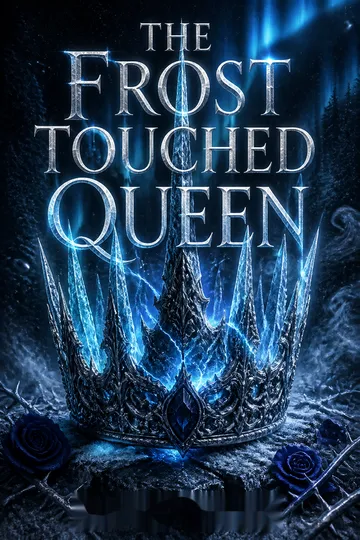
The story is rich in foreshadowing and symbolism, particularly around the changing seasons, the imagery of ice and fire, and the motif of the blue rose. Winter's thawing is both literal and metaphorical, signaling the possibility of renewal and the breaking of old patterns. The blue rose, emblem of the North, becomes a symbol of both beauty and suffering, its thorns a reminder of the pain that comes with love and power. The recurring phrase "my misery, my suffering, my blood" is both a vow and a curse, encapsulating the story's central themes of sacrifice and redemption.
Reverse Harem and Polyamory
The novel subverts traditional romance tropes by embracing a reverse harem structure, where Katrina's love for Levi, Teo, and Atlas is not a problem to be solved, but a solution to the kingdom's divisions. The polyamorous relationship is not without its challenges—jealousy, pride, and the scars of the past threaten to tear them apart—but it ultimately becomes a source of healing and strength. This device is used not just for romantic tension, but as a metaphor for the unity Aikyam so desperately needs.
Political Intrigue and Betrayal
The story is propelled by a web of political intrigue, with shifting alliances, secret betrayals, and the ever-present threat of violence. Adelid's machinations are the engine of much of the plot, but the true drama lies in the personal betrayals between friends and lovers. The revelation of old crimes and the unmasking of villains are handled with careful foreshadowing, building to a series of climactic confrontations that force each character to choose between vengeance and forgiveness.
Cathartic Violence and Sacrifice
The novel does not shy away from violence, but it is always in service of character development and thematic exploration. The scenes of torture, battle, and execution are brutal, but they are also cathartic, allowing characters to confront their demons and seek redemption. Atlas's self-sacrifice, Katrina's vengeance against Adelid, and the final battle for Tarnow are all moments of reckoning, where the cost of power is paid in blood. Yet, the story ultimately rejects the logic of vengeance, embracing forgiveness and love as the true path to healing.
Download PDF
Download EPUB
.epub digital book format is ideal for reading ebooks on phones, tablets, and e-readers.








































