
Plot Summary
The Dress That Binds
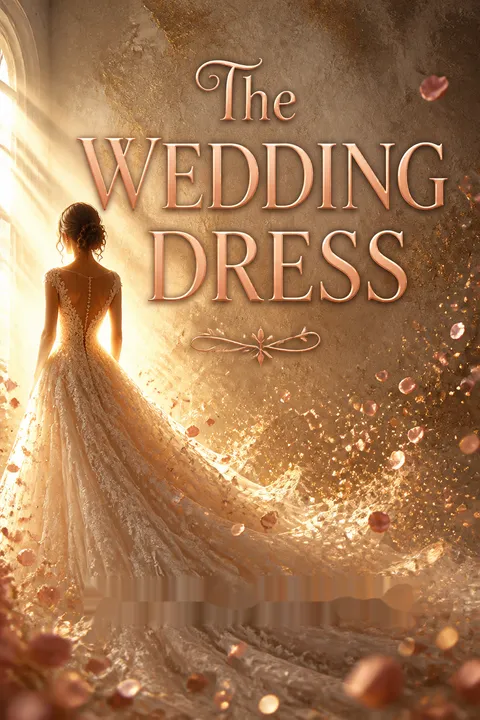
A single wedding dress, elegant and storied, becomes the thread connecting three women across generations. Suzanne, Bella, and Mandy each encounter the dress at pivotal moments in their lives, its fabric absorbing their hopes, fears, and transformations. The dress is more than silk and lace—it is a vessel for dreams, disappointments, and the courage to begin again. As it passes from one woman to the next, it gathers meaning, becoming a silent witness to love's complexities and the resilience of the human heart. Through joy and heartbreak, the dress endures, a symbol of continuity and the power of shared experience.
Suzanne's Whirlwind Romance
Suzanne, a pragmatic accountant, is swept off her feet by Darrell, a charming and enigmatic man she meets by chance. Their romance is a whirlwind—intense, passionate, and marked by Darrell's impatience to move forward. Despite her mother's skepticism and her own lingering doubts, Suzanne is drawn to Darrell's warmth and the promise of a new beginning. She chooses her wedding dress with hope, believing in the fairytale. Yet, beneath the surface, cracks begin to show: Darrell's secrets, his estranged family, and the speed of their engagement all hint at trouble ahead. Suzanne clings to the dream, determined to make it work.
Shadows and Sabotage
As the wedding approaches, Suzanne's happiness is threatened by a series of unsettling events: anonymous notes, slashed tires, and menacing phone calls. The source of the sabotage is unclear—Darrell's mysterious ex, a jealous friend, or someone closer? Suzanne's trust is tested, and her relationships with her mother and best friend are strained by suspicion and fear. The dress fitting, once a moment of joy, becomes fraught with anxiety. Suzanne is forced to confront the reality that love is not always enough to banish the shadows, and that sometimes, the greatest danger comes from those we think we know best.
The Unraveling Truth
On the morning of her wedding, Suzanne is confronted by Darrell's twin sister, Catherine, who reveals the devastating truth: Darrell is already married, a serial bigamist who has deceived multiple women. The fairytale shatters, leaving Suzanne humiliated and heartbroken. The dress, once a symbol of hope, now feels like a shroud. With the support of her friends and family, Suzanne finds the strength to walk away, refusing to become another of Darrell's victims. The dress is packed away, its story unfinished, waiting for a new beginning.
Bella's Fateful Ride
Bella, a vibrant young woman, joins her best friend's hen party at a theme park. A chance decision to ride a rollercoaster leads to disaster when the carriage crashes, leaving Bella gravely injured and trapped beside a stranger, Will. In the chaos and pain, a bond forms between them—a connection forged in trauma and mutual support. Bella's dreams of dancing at her friend's wedding and a future with her boyfriend, Aaron, are suddenly uncertain. The dress, now in a charity shop, waits for its next wearer as Bella faces a new reality.
After the Crash
Bella's recovery is long and painful, marked by surgeries, setbacks, and the slow realization that her life will never be the same. Aaron, unable to cope with her disability, drifts away, while Will becomes a constant presence, offering friendship and understanding. As Bella learns to navigate her new world, she discovers strength she never knew she had. The wedding she once dreamed of attending is now out of reach, but new possibilities emerge. The dress, a symbol of what was lost, becomes a beacon of hope for what might still be found.
Rebuilding and Letting Go
With time, Bella embraces her changed body and life, finding purpose in her work and joy in small victories. Will, too, is transformed by their shared ordeal, leaving behind his old life to pursue his passion for writing. Their friendship deepens into love, built on honesty and acceptance. When Bella is ready to marry again, the dress reappears, altered to fit her wheelchair and her new sense of self. The wedding is a celebration not just of love, but of survival, resilience, and the power to begin again.
Mandy's Secret Keeper
Mandy, a bright and sensitive teenager, is entrusted with her grandmother's secret: a late-in-life love affair with Josie, another resident at her retirement home. The revelation challenges Mandy's understanding of love, family, and loyalty. As she navigates her own first romance, Mandy becomes her grandmother's confidante and advocate, determined to help her find happiness despite the disapproval of others. The dress, now a cherished heirloom, becomes central to a new kind of wedding—one that defies convention and celebrates love in all its forms.
Love in the Golden Years
Amanda and Josie's relationship is met with skepticism and resistance, especially from Amanda's son, Gerald. The couple's desire to marry is complicated by generational attitudes, family expectations, and the logistics of aging. Mandy becomes their champion, organizing a wedding that honors their love and dignity. The dress, altered and worn with pride, is a testament to the enduring power of love and the importance of living authentically, no matter one's age.
Family, Fear, and Acceptance
The wedding preparations bring long-buried tensions to the surface. Gerald struggles to accept his mother's new life, torn between loyalty to his late father and the reality of Amanda's happiness. Mandy's own relationship with Jamie, a boy her father disapproves of, mirrors the larger family conflict. Through honest conversations, small acts of courage, and the unwavering support of the women around him, Gerald begins to let go of his fears. The wedding becomes a moment of healing, as family members choose love over judgment.
A Wedding for All
Amanda and Josie's wedding is a triumph of love over adversity. Surrounded by friends, family, and the staff of their retirement home, they exchange vows in a ceremony filled with laughter, tears, and music. Mandy gives her grandmother away, and the dress—now with a history as rich as its embroidery—shines anew. The event is a reminder that love is not bound by age, gender, or tradition, and that every person deserves to be seen, celebrated, and cherished.
The Dress's Next Journey
After the wedding, Mandy and her family decide to sell the dress, hoping it will bring joy to another bride. The process is bittersweet, as they reflect on all the memories woven into its fabric. The dress, now a symbol of resilience and hope, is ready to begin a new chapter. As it passes into new hands, its legacy grows, carrying with it the stories of the women who wore it and the lessons they learned.
Full Circle: New Beginnings
The dress is purchased by another bride, its journey coming full circle. Each woman who wears it adds her own chapter, her own dreams and struggles. The dress becomes a living archive of love's many forms—romantic, familial, and self-affirming. Its story is never truly finished, as long as there are women willing to hope, to risk, and to love.
The Meaning of the Dress
Throughout its journey, the dress represents more than just a garment—it is a symbol of hope, transformation, and the courage to embrace change. For Suzanne, it is a dream deferred; for Bella, a challenge overcome; for Amanda and Mandy, a celebration of authenticity. The dress teaches that love is not always easy, but it is always worth fighting for. Its legacy is one of resilience, connection, and the enduring power of the human spirit.
Love, Loss, and Legacy
The lives of Suzanne, Bella, and Mandy are forever changed by the dress and the choices they make. Each woman faces loss—of love, of dreams, of certainty—but also finds new beginnings. Their stories are a testament to the ways in which we are shaped by those who come before us, and the ways in which we, in turn, shape the future. The dress is both a link to the past and a promise for what is yet to come.
The Courage to Choose
At the heart of each woman's journey is the courage to choose: to walk away from what is wrong, to embrace what is right, to stand up for oneself and for others. The dress becomes a talisman, reminding them that they are worthy of love and happiness, no matter the obstacles. Their choices inspire those around them, creating ripples of change that extend far beyond their own lives.
The Power of Found Family
In the end, it is not just romantic love that sustains the women, but the bonds of friendship, chosen family, and community. The dress is a thread that weaves together mothers and daughters, friends and lovers, the young and the old. Through heartbreak and healing, the women discover that true family is made not just by blood, but by the people who stand by us, believe in us, and help us become our truest selves.
Analysis
Dani Atkins' The Wedding Dress is a moving meditation on the enduring power of love, the necessity of resilience, and the ways in which our lives are shaped by the choices we make—and the ones we inherit. By centering the narrative on a single wedding dress, Atkins crafts a powerful symbol of hope, transformation, and continuity. The dress becomes a silent witness to the joys and sorrows of three generations of women, each facing her own trials and triumphs. The novel deftly explores themes of authenticity, forgiveness, and the courage to begin again, challenging traditional notions of family, romance, and happily-ever-after. Through its interwoven stories, The Wedding Dress reminds us that love is not a static ideal but a living, evolving force—one that requires vulnerability, honesty, and the willingness to embrace change. Ultimately, the book is a celebration of found family, the healing power of community, and the quiet heroism of everyday women who choose, again and again, to hope.
Review Summary
Characters
Suzanne
Suzanne is a thirty-something accountant whose cautious nature is upended by a whirlwind romance with Darrell. Raised by a famous, fiercely independent mother and shaped by her parents' acrimonious divorce, Suzanne longs for stability and belonging. Her engagement to Darrell is both a leap of faith and an escape from loneliness. As the wedding approaches, Suzanne's anxieties mount—her mother's skepticism, Darrell's secrets, and a series of threatening incidents. When the truth of Darrell's duplicity is revealed, Suzanne is devastated but ultimately empowered. Her journey is one of self-discovery, learning to trust her instincts and value her own worth above the illusion of a perfect romance.
Darrell
Darrell is the enigmatic, charismatic man who sweeps Suzanne off her feet. Outwardly attentive and loving, he is haunted by a troubled past, estranged from his family, and prone to secrecy. His impatience and need for control mask deeper insecurities. As the story unfolds, Darrell's facade crumbles, revealing a pattern of manipulation and bigamy. His actions cause pain not only to Suzanne but to other women, including his twin sister and legal wife. Darrell embodies the dangers of unchecked charm and the importance of looking beyond appearances.
Bella
Bella is a vibrant, independent young woman whose life is irrevocably changed by a rollercoaster accident. Her journey from trauma to recovery is marked by physical pain, emotional upheaval, and the loss of her relationship with Aaron. Bella's resilience is tested as she navigates disability, grief, and the challenge of redefining her identity. Through her friendship—and eventual romance—with Will, she discovers new strengths and possibilities. Bella's story is one of transformation, embracing change, and finding joy in unexpected places.
Will
Will is the stranger who becomes Bella's lifeline during the accident and her anchor in the aftermath. Intelligent, empathetic, and quietly courageous, Will is also searching for meaning after his own heartbreak. His bond with Bella grows from shared trauma to deep friendship and, eventually, love. Will's decision to pursue his passion for writing mirrors Bella's journey of self-acceptance. He represents the healing power of connection and the importance of being seen for who we truly are.
Amanda (Gran)
Amanda is Mandy's grandmother, a woman who has lived a life of quiet compromise and duty. After her husband's death, she finds unexpected love with Josie, a fellow resident at her retirement home. Amanda's courage to live authentically in her later years challenges her family's assumptions and inspires those around her. Her relationship with Mandy is one of deep trust and mutual support. Amanda's story is a testament to the enduring nature of love and the importance of following one's heart, no matter the stage of life.
Josie
Josie is Amanda's partner, a kind and reserved woman who has spent much of her life hiding her true self. Her relationship with Amanda is a source of joy and healing, allowing both women to experience love and acceptance. Josie's vulnerability and strength complement Amanda's wisdom, and together they navigate the challenges of aging, family resistance, and societal expectations. Josie's journey is one of blossoming, finding happiness after years of loneliness.
Mandy
Mandy is Amanda's granddaughter, a thoughtful and sensitive teenager caught between loyalty to her family and her desire to support her grandmother. Mandy's own coming-of-age is intertwined with Amanda's late-in-life romance, as she learns about love, courage, and the importance of authenticity. Her relationship with Jamie, a boy her father disapproves of, mirrors the larger family conflict. Mandy's role as confidante, advocate, and wedding planner is central to the story's resolution, embodying the power of empathy and the impact of chosen family.
Gerald
Gerald is Amanda's son and Mandy's father, an accountant whose orderly worldview is challenged by his mother's new relationship. Loyal to his late father and shaped by generational expectations, Gerald initially reacts with denial and anger. His journey is one of gradual acceptance, learning to prioritize his mother's happiness over his own discomfort. Gerald's evolution reflects the broader theme of letting go—of the past, of control, and of fear.
Jamie
Jamie is Mandy's boyfriend, a working-class mechanic with a gentle heart and a rebellious streak. Despite Gerald's disapproval, Jamie remains steadfast in his love for Mandy, supporting her through family conflict and personal growth. His actions—helping Amanda and Josie, encouraging Mandy's independence—demonstrate the value of kindness and the importance of standing by those we love. Jamie's presence challenges stereotypes and expands the definition of family.
The Dress
The wedding dress is both a character and a plot device, its journey mirroring the arcs of the women who wear it. Each time it is donned, the dress absorbs new meanings—innocence, heartbreak, resilience, and joy. It is a vessel for dreams deferred and realized, a link between past and future. The dress's ability to adapt—to be altered, repaired, and worn anew—reflects the adaptability of the women it serves. Its legacy is one of continuity, transformation, and the enduring power of hope.
Plot Devices
The Wedding Dress as Narrative Thread
The central plot device is the wedding dress itself, which serves as a tangible link between three women across different generations and circumstances. The dress is not merely a garment but a repository of memories, emotions, and transformations. Its passage from Suzanne to Bella to Amanda (and beyond) allows the narrative to explore themes of love, loss, resilience, and renewal. The dress's journey is marked by pivotal moments—weddings planned and canceled, accidents survived, secrets revealed, and new beginnings forged. Through the dress, the novel weaves together multiple storylines, creating a tapestry of interconnected lives.
Multiple Perspectives and Interwoven Timelines
The story is told through the alternating perspectives of Suzanne, Bella, and Mandy, each with her own distinct voice and emotional arc. This structure allows for a rich exploration of character development, as the reader witnesses events from different angles and understands the ripple effects of choices made. The interwoven timelines create suspense and foreshadowing, as the consequences of one woman's actions reverberate in the lives of others. The use of flashbacks, parallel experiences, and mirrored relationships enhances the thematic depth and emotional impact.
Foreshadowing and Symbolism
The novel employs foreshadowing to build tension and anticipation—anonymous threats, hidden secrets, and unresolved conflicts all point toward future revelations. The dress itself is a powerful symbol, representing hope, transformation, and the passage of time. Other motifs—music, flowers, family heirlooms—reinforce the themes of continuity and change. The careful layering of symbols and hints invites the reader to look beyond the surface, uncovering deeper meanings and connections.
The Power of Community and Found Family
Throughout the novel, the protagonists are sustained not just by romantic love, but by the support of friends, family, and community. The importance of chosen family—those who stand by us in times of crisis—is a recurring plot device. Whether it is Mandy organizing her grandmother's wedding, Bella finding strength in Will and her friends, or Suzanne relying on her mother and best friend, the story emphasizes that healing and happiness are collective endeavors. The community's role in the weddings, recoveries, and reconciliations underscores the novel's message that we are stronger together.
About the Author









Download PDF
Download EPUB
.epub digital book format is ideal for reading ebooks on phones, tablets, and e-readers.








































