
Plot Summary
Orphans in Wartime Isfahan
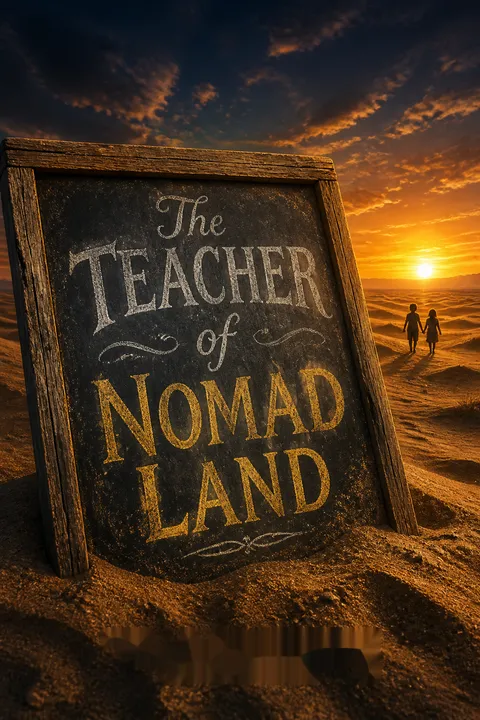
In 1941 Iran, thirteen-year-old Babak and his younger sister Sana become orphans after their father, a beloved teacher, is killed in a tragic misunderstanding during the Allied invasion. The siblings mourn at their parents' graves, Babak carving "Baba" into the cheap headstone with a fruit knife, desperate to preserve their father's memory. The city is tense, its people bracing for occupation, and the children's grief is compounded by uncertainty. Sana clings to Babak, fearing separation, while Babak promises to keep them together. Their world, once defined by family and learning, is now fractured by war, loss, and the looming threat of being split apart by well-meaning but overwhelmed relatives.
Separation and Survival
Auntie Joon, their brusque aunt, arrives to take charge, insisting the siblings must be separated for practical reasons—Sana to Granny's, Babak to work for a grocer. The children resist, but wartime leaves them powerless. Babak packs his father's blackboard and books, Sana her pillows, clinging to remnants of home. Their new lives are marked by chores, loneliness, and longing for reunion. Babak promises Sana they'll be together again, but both feel the sting of broken promises and the harshness of a world where children's wishes are secondary to adult survival. The siblings' bond is tested by distance, poverty, and the indifference of those around them.
Babak's Year of Waiting
Babak becomes an errand boy for Mr. Turani, running through Isfahan's streets, delivering groceries, and listening to endless debates about the war. He visits Sana at school, performing antics to make her laugh, and secretly saves every coin he earns, hoping to buy their freedom. The city is a crossroads of occupation, propaganda, and shifting allegiances. Babak's world shrinks to work, longing, and the hope of reuniting with Sana. He dreams of joining the nomads, who once welcomed their father, but feels inadequate. After a year, his hidden savings are discovered and taken by the Turanis, shattering his plans and forcing him to act.
Sana's Loneliness Grows
Sana's life with Granny is bleak—endless chores, cold rooms, and little affection. She waits for Babak's visits, asking each time when they can leave. Both siblings hide their suffering to protect each other. Sana's imagination is her refuge, and she proposes joining the nomads, who are preparing to migrate. The idea becomes their shared hope. When Babak's savings are stolen, the siblings decide to escape together, trusting that the nomads might accept them if they can offer work or teaching. Their reunion is bittersweet, marked by exhaustion, fear, and the fragile joy of being together again.
Escape into the Night
Under cover of darkness, Babak and Sana leave Isfahan, carrying only essentials and their father's blackboard. They navigate the city's uneasy streets, haunted by memories and the threat of discovery. Their journey is both physical and emotional—a return to the places they once felt safe, now altered by loss. As they reach the nomad encampment, they are uncertain of their welcome or their worth. The landscape is both a barrier and a promise, offering the possibility of belonging if they can prove themselves useful. The siblings' determination is fueled by love and necessity.
Among the Nomads
Babak and Sana approach Traveler, a friend of their father, and plead to join the Bakhtiari nomads on their migration. The tribe's leader, Mr. Hussein, is skeptical, seeing little value in city children who cannot herd or hunt. Sana's boldness and Babak's offer to teach the children win them a trial, but the acceptance is tenuous. The nomads' world is harsh, self-reliant, and wary of outsiders. Babak feels the weight of his father's legacy and his own inadequacy. The siblings must navigate new customs, languages, and expectations, hoping to transform their outsider status through service and learning.
The Teacher's Test
Babak is tasked with teaching the nomad children to read and write before the migration ends. His first attempts are met with indifference and mockery; the children are more interested in sheep than letters. Mr. Hussein is impatient, doubting the value of education in wartime. Babak's confidence falters as he realizes teaching is harder than he imagined, especially without authority or trust. Yet, a small breakthrough with a curious girl gives him hope. The lesson—"Father gave water"—becomes a fragile bridge between worlds. Babak learns that teaching is less about knowledge and more about connection, patience, and humility.
Lessons by the Fire
Around the campfire, Babak and Sana help prepare food, learning the rhythms of nomad life. Traveler, ever the gentle philosopher, reassures Babak that their presence is a fair exchange—teaching for shelter and food. The siblings begin to feel a tentative sense of belonging, sharing songs, stories, and laughter. Babak's self-worth grows as he sees the children's curiosity spark. The act of teaching, even imperfectly, becomes a way to honor his father and to carve out a place for himself and Sana. The warmth of the fire is both literal and symbolic—a momentary refuge from the coldness of war and exile.
The Alphabet of Belonging
Babak's lessons with the nomad children reveal the complexities of language, identity, and power. The children debate which alphabet to learn—Bakhtiari, Farsi, or English—mirroring the larger confusion of a country caught between empires. Babak's blackboard becomes a symbol of hope and frustration, marked by both progress and failure. The act of teaching names and letters is an act of resistance against erasure, a way to claim identity in a world that wants to reduce people to refugees or statistics. Babak's struggle is echoed in the children's desire to be seen and remembered.
Exile and Unwelcome Guests
Despite their efforts, Babak and Sana are ultimately deemed a burden by Mr. Hussein, who fears for the tribe's survival amid war and scarcity. Traveler offers comfort and practical help, but the siblings are forced to leave, carrying only their blackboard and a parcel of food. Their journey becomes one of wandering—lost in the mountains, searching for safety, and encountering the limits of hospitality. The world is full of uninvited guests, each drawing lines of belonging and exclusion. Babak and Sana's resilience is tested by hunger, exhaustion, and the ever-present threat of violence.
The Stranger Named Vulf
In the wilderness, Babak and Sana meet Vulf, a menacing stranger with unclear allegiances. Through a tense meal and awkward attempts at communication, they realize he is searching for a Jewish boy, marked by a star of David. Vulf's presence is a reminder that war's dangers are not only armies but also individuals driven by hatred or desperation. Sana's kindness and quick thinking help them survive the encounter, but the siblings are left shaken and more aware of their vulnerability. The blackboard, now scarred with a star, becomes a symbol of both threat and solidarity.
Hospitality and Danger
Desperate for water and food, Babak and Sana approach a British soldier, Callum, at an oil refinery. Unable to communicate through words, Babak uses the blackboard to draw and teach, forging a brief but meaningful connection. Callum responds with kindness, sharing food and learning their names. The exchange is a small victory—a moment of mutual recognition across language and cultural barriers. Yet, the siblings remain outsiders, dependent on the goodwill of strangers and the fragile alliances of wartime. Their journey is shaped by both the generosity and the limits of hospitality.
The Language of Need
Babak and Sana continue to survive through ingenuity and persistence, trading words and skills for sustenance. Sana learns to whistle, a small triumph that becomes a tool for safety. The siblings debate the ethics of begging versus trading, reflecting on dignity and dependence. Their encounters with soldiers, refugees, and locals reveal the complexities of survival in a world where everyone is negotiating for a place. The blackboard is both a burden and a lifeline, enabling communication and marking them as different. Each day is a lesson in adaptation, resilience, and the search for belonging.
Whistling in the Dark
As they travel, Babak and Sana are pursued by Vulf, whose intentions become increasingly clear and dangerous. The siblings are joined by Ben, a Jewish refugee boy on the run, whose presence complicates their journey but also offers new purpose. Together, they must navigate threats from both the environment and human malice. The children's resourcefulness and loyalty are tested as they face moral dilemmas—whether to help or abandon, to fight or flee. The darkness of war is both literal and metaphorical, but the children's courage and care for each other provide moments of light.
Paths and Priorities
The trio's journey leads them to a tense checkpoint where nomads, soldiers, and refugees are caught in a web of miscommunication. Babak's skills as a translator and teacher become crucial, as he orchestrates a multi-lingual negotiation using his blackboard to broker peace and passage. The scene is a microcosm of the war's chaos—languages, loyalties, and needs colliding. Babak's ability to bridge divides earns the siblings a place among the nomads and secures safe passage for many. The episode underscores the power of language, empathy, and ingenuity in overcoming conflict.
The Boy in Hiding
Ben reveals his harrowing journey as a Jewish refugee from Poland—deportation, loss, and survival through concealment and denial of identity. His story is one of trauma, resilience, and the longing for family. The children's interactions with Ben are fraught with mistrust, competition, and moments of compassion. Sharing food, stories, and lessons, they navigate the complexities of friendship and the ethics of survival. Ben's presence forces Babak and Sana to confront their own fears and prejudices, deepening their understanding of what it means to be both guest and host in a world of shifting alliances.
Ben's Story Unfolds
As the children journey together, tensions flare over food, fairness, and trust. Ben's survival instincts clash with Sana's sense of justice and Babak's desire for harmony. The trio's dynamic is shaped by their individual wounds and hopes. Through shared hardship, they begin to forge a fragile bond, teaching each other letters, stories, and the meaning of family. The act of learning and teaching becomes a way to heal, to remember lost loved ones, and to imagine a future beyond war. Their journey is a testament to the possibility of connection amid displacement.
The Coin and the Cliff
Vulf catches up with the children, demanding a mysterious coin from Ben. In a tense standoff at a cliff's edge, Ben sacrifices the coin to save Sana, and Babak, in a desperate act, pushes Vulf over the edge. The children flee, haunted by the violence and the knowledge that survival sometimes demands impossible choices. The coin, revealed to be a microfilm, is a symbol of the secrets and dangers that shadow refugees. The episode marks a turning point—the children are no longer just victims but actors in their own story, capable of both mercy and defense.
Negotiation at the Checkpoint
Reaching a military checkpoint crowded with nomads, soldiers, and refugees, Babak uses his blackboard and translation skills to mediate between conflicting parties. Through a chain of languages—Bakhtiari, Farsi, Polish, English, Russian, and French—the children broker a deal that allows the nomads to pass in exchange for livestock. The scene is a triumph of communication, empathy, and the practical power of education. Babak's role as a teacher and mediator is recognized, and the siblings are finally offered a place among the nomads. The moment is bittersweet, as Ben prepares to leave for Israel, carrying both hope and sorrow.
Farewells and New Beginnings
In Ahvaz, the children face one final confrontation with Vulf, who is ultimately apprehended with the help of Callum, the British soldier. Ben, at last, secures passage to join the other Jewish refugees bound for Israel, thanks to the siblings' sacrifice and Callum's intervention. The farewell is brief but heartfelt, marked by mutual gratitude and the recognition that, for a time, they were family. Babak and Sana, now accepted by the nomads, look forward to a new home and the chance to teach, learn, and belong. Their journey ends not with certainty, but with hope, resilience, and the enduring power of kindness.
Analysis
A modern fable of war, loss, and the redemptive power of teachingDaniel Nayeri's The Teacher of Nomad Land is a profound meditation on the meaning of home, family, and identity in a world fractured by war and displacement. Through the eyes of children, the novel explores the arbitrary lines drawn by adults—borders, languages, allegiances—and the ways in which these lines both divide and connect. The act of teaching, embodied in Babak's journey, becomes a form of resistance against erasure, a way to claim agency and dignity amid chaos. The story insists that even in the darkest times, small acts of kindness, learning, and solidarity can create islands of belonging. The novel's nuanced portrayal of language barriers, hospitality, and the ethics of survival resonates deeply in a modern world still grappling with refugees, cultural misunderstanding, and the search for meaning. Ultimately, the book teaches that to be a teacher—or simply a good human—is to give, to listen, and to draw the line around those we love, refusing to let the world's violence define our hearts.
Review Summary
The Teacher of Nomad Land is widely praised for its unique WWII setting in 1941 Iran, following orphaned siblings Babak and Sana. Reviewers consistently highlight Nayeri's ability to blend humor with heartfelt storytelling, his vivid characters, and the book's exploration of language, teaching, and survival. Many readers appreciated learning about Iran's lesser-known role in WWII. Common critiques noted the book's brevity, with several wishing for more story. The audiobook, narrated by the author, received particular praise. The novel has earned both the National Book Award and significant award recognition.
Characters
Babak Noori
Babak is a thirteen-year-old boy thrust into adulthood by war and loss. The son of a revered teacher, Babak is sensitive, introspective, and burdened by responsibility for his younger sister, Sana. His journey is one of self-discovery—learning to lead, to teach, and to survive in a world that often devalues children's voices. Babak's psychological arc is marked by guilt, doubt, and the longing to honor his father's legacy. He is resourceful but plagued by insecurity, especially when his efforts to protect Sana or teach others fall short. Through hardship, Babak grows into his role as a bridge-builder, finding meaning in small acts of kindness, learning, and connection.
Sana Noori
Sana, eight years old, is Babak's younger sister and emotional anchor. Her vivid imagination, stubbornness, and capacity for joy provide light in the siblings' darkest moments. Sana is both vulnerable and fiercely determined, refusing to be separated from Babak and insisting on hope even when circumstances are bleak. She is quick-witted, compassionate, and unafraid to challenge adults or peers. Sana's psychological resilience is rooted in her ability to find play, humor, and meaning amid chaos. Her development is seen in her growing agency—learning to whistle, negotiating with strangers, and ultimately helping to save herself and others.
Ben Poznanski
Ben is a Jewish refugee boy from Poland, marked by trauma, loss, and a fierce will to survive. His story is one of displacement, concealment, and the struggle to trust others. Ben's psychological defenses—mistrust, competitiveness, and bluntness—mask deep wounds and longing for family. He is both a burden and a gift to Babak and Sana, forcing them to confront their own values and fears. Ben's arc moves from isolation to tentative belonging, as he learns to accept help, share his story, and imagine a future beyond survival. His presence challenges and ultimately strengthens the siblings' bond.
Traveler
Traveler is a Bakhtiari tribesman and friend of Babak's father. He embodies wisdom, kindness, and the spirit of hospitality. Traveler serves as a mentor to Babak, offering guidance, comfort, and practical help. His philosophical musings and playful logic encourage Babak to see value in himself and others. Traveler's role is that of a mediator—between city and nomad, tradition and change, child and adult. He represents the possibility of belonging through generosity and open-mindedness. Psychologically, Traveler is grounded, patient, and quietly influential, shaping the children's journey with gentle authority.
Mr. Hussein
Mr. Hussein is the stern leader of the Bakhtiari nomads, responsible for the survival of his people. He is pragmatic, suspicious of outsiders, and slow to trust. His initial rejection of Babak and Sana reflects the harsh realities of wartime scarcity and the need to protect his own. Yet, Mr. Hussein is not without compassion; he listens to his wife and is ultimately swayed by the children's usefulness. Psychologically, he embodies the tension between tradition and adaptation, authority and vulnerability. His development is seen in his eventual acceptance of the siblings and recognition of Babak's value as a teacher.
The Lady
The Lady, Mr. Hussein's wife, is a figure of dignity, resilience, and understated influence. She is observant, decisive, and protective of her community. Her support is crucial in persuading Mr. Hussein to accept Babak and Sana. The Lady's psychological strength lies in her ability to balance tradition with empathy, authority with kindness. She serves as a role model for Sana, embodying the possibility of female agency in a patriarchal world. Her presence is felt more in actions than words, guiding the tribe and the children toward survival and belonging.
Auntie Joon
Auntie Joon is Babak and Sana's aunt, tasked with their care after their father's death. She is pragmatic, unsentimental, and focused on survival. Her decision to separate the siblings is driven by necessity rather than malice, but it causes deep pain. Auntie Joon's psychological makeup is shaped by the pressures of war, scarcity, and the need to prioritize the group over individual desires. She represents the adult world's limitations and the ways in which love can be expressed through difficult choices. Her role is both antagonist and reluctant protector.
Mr. Turani
Mr. Turani is Babak's employer, a grocer obsessed with news, survival, and the shifting tides of war. He is anxious, opinionated, and often self-absorbed, providing a window into the adult world's preoccupations. Mr. Turani's psychological landscape is one of fear and pragmatism; he values Babak's labor but is quick to exploit or dismiss him. His debates with neighbors reflect the confusion and moral ambiguity of wartime Iran. He is both a source of stability and a symbol of the city's indifference to children's suffering.
Vulf
Vulf is a mysterious, dangerous stranger—possibly a German spy—who pursues Ben and threatens the children. He is marked by violence, cunning, and a lack of empathy. Vulf's psychological profile is that of a predator, driven by ideology or personal gain, indifferent to the suffering of others. He represents the ever-present danger of war, not just as a political conflict but as a personal, existential threat. Vulf's encounters with the children force them to confront the limits of kindness, the necessity of defense, and the moral complexities of survival.
Callum Hargis ("Cabbage")
Callum is a British soldier stationed at an oil refinery, notable for his openness, humor, and willingness to connect despite language barriers. He becomes an unexpected ally to Babak and Sana, sharing food, learning their names, and ultimately helping to save them from Vulf. Callum's psychological makeup is marked by curiosity, decency, and a sense of responsibility. He represents the possibility of friendship and understanding across divides of language, nationality, and war. His presence is a reminder that even in conflict, individuals can choose compassion.
Plot Devices
Language Barriers and Translation
The novel's central plot device is the persistent challenge of language barriers—between Farsi, Bakhtiari, English, Russian, Polish, and Hebrew. Misunderstandings, mistranslations, and the struggle to be heard shape every major conflict and resolution. Babak's blackboard becomes a literal and symbolic tool for bridging divides, teaching, and negotiating. The narrative structure mirrors this device, with scenes of translation chains and moments where gestures or drawings substitute for words. This device underscores the themes of empathy, identity, and the power of education, while also highlighting the absurdities and tragedies of war.
The Blackboard
Babak's father's blackboard is a recurring object—heavy, awkward, and essential. It represents the weight of memory, the hope of teaching, and the possibility of connection. The blackboard is used to teach letters, broker peace, and communicate across languages. Its physical presence is both a burden and a lifeline, mirroring Babak's psychological journey. The scars and marks it accumulates—names, stars, negotiations—reflect the evolving story of survival, loss, and belonging.
The Coin/Microfilm
The mysterious coin Ben carries, later revealed as a microfilm, is a classic MacGuffin—sought by Vulf, coveted by spies, and ultimately the key to Ben's escape. It ties the children's personal struggles to the larger currents of war, espionage, and displacement. The coin's journey mirrors Ben's own—hidden, misunderstood, and ultimately revealed as valuable not for its material worth but for what it represents: secrets, survival, and the hope of a future.
Narrative Structure
The story unfolds as a linear journey—physical, emotional, and moral—punctuated by episodic encounters with adults, strangers, and institutions. Each chapter is a test, a lesson, or a negotiation, building toward moments of crisis and resolution. The structure allows for deep psychological exploration of the siblings' bond, the meaning of teaching, and the ethics of survival. Foreshadowing is used through repeated motifs—lines drawn, promises made, and the ever-present threat of separation.
About the Author
Other books by Daniel Nayeri
Download PDF
Download EPUB
.epub digital book format is ideal for reading ebooks on phones, tablets, and e-readers.








































