
Plot Summary
Mountain Shadows and Omens
Li-yan grows up in the remote Akha village of Spring Well on Nannuo Mountain, Yunnan, where every aspect of life is governed by tradition, ritual, and the belief that fate is inescapable. Her mother, A-ma, is the village midwife and healer, and her family's status is modest. The Akha way is strict: men rule, women serve, and taboos are enforced with unwavering certainty. Li-yan's childhood is marked by hunger, hard work, and the comfort of close friendships, especially with Ci-teh. Dreams and omens are taken seriously, and the spirit world is ever-present. The mountain's isolation both protects and confines, setting the stage for the collisions between ancient customs and the outside world that will define Li-yan's life.
The Law of the Akha
Akha Law is absolute, dictating every action from birth to death. When twins are born in the village, they are deemed "human rejects," and the taboo demands their immediate death and the banishment of their parents. Li-yan witnesses this horror firsthand, forever altering her view of her culture's rules. The event sows seeds of doubt about the justice of tradition and the price of conformity. The village's response—ritual cleansing, abstinence, and sacrifice—reveals both the strength and the cruelty of communal bonds. For Li-yan, the trauma becomes a catalyst, awakening her longing for knowledge, change, and a life beyond the mountain's boundaries.
Forbidden Love, Hidden Loss
As Li-yan matures, she excels in school, encouraged by Teacher Zhang, who sees her potential. She falls in love with San-pa, a boy from a neighboring village, despite the Akha taboo against their union—she is born on Pig Day, he on Tiger Day, an inauspicious match. Their love is passionate but fraught with obstacles: family disapproval, poverty, and the weight of tradition. When San-pa leaves to seek fortune, Li-yan discovers she is pregnant. Alone and desperate, she gives birth in secret and, unable to kill her "human reject" as custom demands, abandons her newborn daughter at an orphanage, leaving her with a tea cake as a token of love and identity. The loss haunts her, shaping every choice that follows.
The Mother Tree's Secret
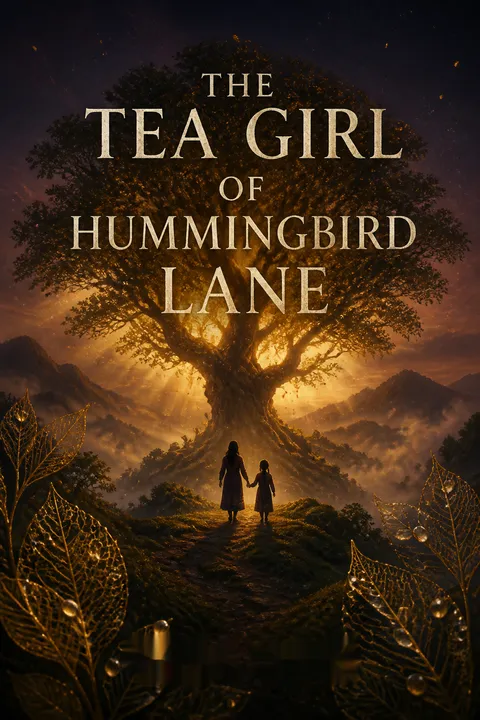
Li-yan's dowry is a hidden grove of ancient tea trees, passed down through the women of her family. The "mother tree" is revered for its age, resilience, and the mysterious yellow threads that grow upon it—believed to have healing powers. A-ma teaches Li-yan the secrets of the grove, its history, and its role in Akha medicine. The mother tree becomes a symbol of endurance, feminine strength, and the possibility of transformation. As the outside world encroaches, the grove's value—both spiritual and material—grows, foreshadowing the pivotal role it will play in Li-yan's journey and the fate of her people.
Tea and Transformation
The arrival of Mr. Huang, a wealthy tea connoisseur from Hong Kong, brings the outside world—and capitalism—to Spring Well. He seeks the rare Pu'er tea, igniting a frenzy of picking, processing, and experimentation. The villagers, guided by Li-yan's translation and knowledge, learn new methods and glimpse prosperity. Tea becomes a bridge between worlds, a source of pride, and a commodity. Yet, the pursuit of profit brings new dangers: exploitation, jealousy, and the erosion of tradition. For Li-yan, tea offers a path to independence, education, and self-worth, but also tempts her to betray the sacred trust of her mother's grove.
Exile and Abandonment
After abandoning her daughter, Li-yan is consumed by grief and guilt. Her family, bound by custom, cannot openly comfort her. She marries San-pa when he returns, but their life together in Thailand is marked by poverty, addiction, and disappointment. The dream of reunion with her lost child fades as San-pa succumbs to heroin and is ultimately killed by a tiger—a death steeped in Akha symbolism. Alone and disgraced, Li-yan is forced to leave her husband's village and, by Akha law, cannot return home. Her exile is both physical and emotional, propelling her toward reinvention in the wider world.
The World Beyond the Gate
With the help of Teacher Zhang and A-ma, Li-yan escapes her past by attending trade school in Kunming. She struggles to adapt to city life, learning new skills and shedding some of her Akha identity. The world is changing rapidly: China's economic reforms bring opportunity and upheaval. Li-yan's knowledge of tea and her connections to the mountain become assets, allowing her to enter the burgeoning tea trade. Yet, she remains haunted by her origins and the daughter she left behind. The tension between past and present, tradition and progress, becomes the central conflict of her adult life.
The Greedy Eyes Arrive
As Pu'er tea becomes a global sensation, fortunes are made and lost. Li-yan opens a tea shop in Guangzhou, partnering with friends and family from Spring Well. The market's frenzy attracts speculators, counterfeiters, and opportunists—including her childhood friend Ci-teh, whose ambition leads her to betray Li-yan and the village. The bubble bursts, leaving many ruined. The episode exposes the dangers of unchecked greed and the fragility of trust. For Li-yan, the collapse is both a personal and communal crisis, forcing her to confront the costs of success and the meaning of integrity.
Motherhood and Sacrifice
While Li-yan builds a new life, her abandoned daughter, renamed Haley, grows up in America, adopted by loving parents. Haley's journey is told through letters, therapy transcripts, and school assignments, revealing her struggles with identity, belonging, and the mystery of her origins. Both mother and daughter are marked by longing and loss, their lives shaped by the choices and sacrifices of women across generations. The tea cake, left as a clue, becomes a symbol of their enduring connection and the possibility of finding each other across continents and cultures.
Shredded Roots, Shifting Tides
The relationship between Li-yan and Ci-teh, once as close as sisters, is shattered by ambition and deceit. As the tea market collapses, Ci-teh's actions threaten the village's future and the integrity of their shared heritage. The elders, shamans, and villagers must decide whether to cling to tradition or embrace change. Li-yan, now a successful businesswoman, returns to mediate, invoking Akha law and the wisdom of the past. The confrontation forces all to reckon with the meaning of community, the dangers of envy, and the need for forgiveness and renewal.
Reunion and Ruin
Li-yan's return to Spring Well is both triumphant and painful. She is welcomed as a prodigal daughter, yet must face the consequences of her choices and the wounds left by betrayal. The village, transformed by prosperity and loss, stands at a crossroads. Through ritual, dialogue, and the rebuilding of the spirit gate, the community seeks healing. Li-yan's reconciliation with her family and the land is mirrored by her growing hope of finding her daughter. The cycles of exile and return, loss and restoration, echo through every relationship and ritual.
New Lives, Old Wounds
Li-yan remarries, finding love and stability with Jin, a successful entrepreneur. Together they have a son, Paul, and build a life that bridges China and America. Yet, the ache for her lost daughter remains. The birth of her son brings joy but also anxiety, as old taboos and new hopes collide. The family's fortunes rise and fall with the tea market and the tides of global change. Through it all, the bonds of kinship, tradition, and memory endure, shaping the destinies of mothers and children across generations.
The Bubble and the Betrayal
The Pu'er tea bubble bursts, exposing the illusions of wealth and the dangers of forgetting one's roots. Li-yan's business suffers, and the village faces hardship. The betrayal by Ci-teh is laid bare, and the community must decide how to move forward. Through ritual and dialogue, the villagers reaffirm their values and commit to authenticity and mutual support. Li-yan's leadership and integrity are recognized, and she is entrusted with the future of the village's tea. The crisis becomes an opportunity for renewal and the reassertion of identity.
The Long Chain of Life
As Li-yan's son grows, she teaches him the Akha ways, blending tradition with modern life. The family's story becomes part of a larger narrative of migration, adaptation, and resilience. The "long chain of life" links ancestors and descendants, mothers and daughters, across time and space. The search for Haley intensifies, fueled by hope, technology, and the enduring power of love. The mother tree, once a symbol of isolation, now represents the possibility of healing and reunion for all who are lost or uprooted.
Searching Across Oceans
Haley's life in America is shaped by questions of belonging, race, and the meaning of family. Through therapy, school, and friendships, she grapples with the complexities of transnational adoption. Her adoptive parents love her deeply, but the absence of her birth mother is a wound that never fully heals. The tea cake, a mysterious artifact, becomes the key to her identity. As she grows into adulthood, Haley's longing to know her origins leads her to China, setting in motion the final steps toward reunion.
The Pilgrimage Home
Haley's journey to Yunnan is both a scientific expedition and a personal quest. Guided by her tea cake and the patterns in its design, she travels to the tea mountains, seeking the place of her birth. Along the way, she encounters the landscapes, people, and rituals that shaped her mother's life. The pilgrimage is marked by moments of revelation, connection, and uncanny coincidence. The boundaries between past and present, self and other, blur as Haley draws closer to the truth of her origins.
The Map in the Leaves
In a hidden grove, Haley and Li-yan are finally reunited. The tea cake's design is revealed to be a map, leading daughter to mother, past to present. The moment is charged with emotion—recognition, relief, and the fulfillment of longing. The mother tree, witness to generations of suffering and hope, stands as a testament to endurance and the power of love. The reunion is not just personal but symbolic, healing the wounds of history and affirming the possibility of wholeness for all who are lost.
Full Circle, Full Heart
The story comes full circle as Li-yan and Haley, mother and daughter, embrace in the grove of the mother tree. The cycles of loss and reunion, tradition and change, are reconciled in a moment of grace. The legacy of the Akha, the wisdom of the elders, and the resilience of women are honored and renewed. The tea girl of Hummingbird Lane is no longer alone; her story, and that of her daughter, becomes a beacon for all who seek belonging, healing, and the courage to forge new paths while honoring the old.
Analysis
A modern meditation on tradition, identity, and the bonds of motherhoodThe Tea Girl of Hummingbird Lane is a sweeping, emotionally resonant novel that explores the collision between ancient tradition and modernity, the pain of separation, and the enduring power of maternal love. Through the intertwined stories of Li-yan and her lost daughter, Lisa See examines the costs and possibilities of change—how individuals and communities adapt, suffer, and ultimately heal. The novel is rich in cultural detail, offering a rare glimpse into the world of the Akha and the global journey of Pu'er tea. At its core, the book is about the search for belonging: the longing to be seen, known, and loved, whether by family, community, or oneself. The narrative suggests that while fate and tradition shape our lives, it is courage, compassion, and the willingness to embrace both past and future that allow us to find home. The final reunion between mother and daughter is both a literal and metaphorical healing, affirming that even the deepest wounds can be mended through connection, understanding, and the honoring of one's roots.
Review Summary
Most readers praise The Tea Girl of Hummingbird Lane for its immersive portrayal of the Akha people, rich cultural detail, and compelling mother-daughter storyline following Li-yan and her adopted daughter Haley. The historical research, particularly regarding Pu'er tea and Chinese adoption policies, is widely celebrated. However, some reviewers found the second half overly weighted with tea industry information, slowing the narrative's emotional momentum. The ending, though considered slightly convenient by some, was largely seen as satisfying. Overall rating: 4.29/5.
People Also Read









Characters
Li-yan
Li-yan is the heart of the novel—a girl born into the strictures of Akha tradition, marked by both obedience and a restless yearning for more. Her journey is one of transformation: from dutiful daughter and midwife's apprentice to a woman who dares to love, lose, and reinvent herself. Haunted by the abandonment of her daughter, she is driven by guilt, hope, and the desire for redemption. Her intelligence and adaptability allow her to bridge the worlds of mountain and city, tradition and modernity, China and the West. Through suffering and perseverance, she becomes a symbol of endurance, healing, and the enduring power of maternal love.
A-ma
A-ma, Li-yan's mother, is the village midwife and the keeper of Akha wisdom. She embodies the strength and contradictions of her culture: compassionate yet bound by taboo, nurturing yet stern. Her knowledge of herbs, dreams, and the mother tree's secrets is both a source of power and a burden. She guides Li-yan with love and discipline, hoping to prepare her for the hardships of life. A-ma's own sacrifices and regrets echo through the generations, and her eventual willingness to adapt—helping Li-yan escape and supporting her education—reveals a deep, if sometimes hidden, flexibility and love.
San-pa
San-pa is Li-yan's first love, a boy whose charm and ambition are undermined by circumstance and addiction. Their relationship is intense but doomed, shaped by Akha taboos and the pressures of poverty. San-pa's journey—from hopeful youth to exile, addict, and ultimately a violent death—mirrors the dangers of breaking with tradition and the unpredictability of fate. His weaknesses and failures haunt Li-yan, but his love also gives her the strength to endure and seek a better life.
Haley (Yan-yeh)
Haley, born Yan-yeh, is Li-yan's abandoned daughter, raised in America by adoptive parents. Her life is a tapestry of love, confusion, and longing. She excels academically but is haunted by questions of belonging and the mystery of her origins. Through therapy, friendships, and her own research, she seeks to reconcile her dual identities as Chinese and American, adopted and lost. The tea cake left by her mother becomes both a symbol and a map, guiding her toward reunion and self-acceptance. Haley's journey reflects the complexities of transnational adoption and the universal search for home.
Ci-teh
Ci-teh is Li-yan's childhood companion, as close as a sister but ultimately a foil. Her drive for wealth and status leads her to betray both friendship and tradition, exploiting the tea boom for personal gain. Ci-teh's choices force the village to confront the costs of change and the dangers of envy. Yet, her actions are also shaped by loss and the desire to restore her family's honor. Her arc is one of ambition, downfall, and the ambiguous possibility of redemption.
Mr. Huang
Mr. Huang is a wealthy tea merchant from Hong Kong whose arrival in Spring Well brings both opportunity and disruption. Driven by personal tragedy—the illness of his son—he seeks the healing power of Pu'er tea and the mother tree's secrets. His presence accelerates the village's transformation, introducing capitalism, competition, and the lure of the global market. Mr. Huang is both benefactor and exploiter, his motives a blend of love, greed, and curiosity. His relationship with Li-yan is complex, marked by mutual need, suspicion, and a shared reverence for tea.
Teacher Zhang
Teacher Zhang is the village schoolteacher, an exile from the city, whose belief in education and progress shapes Li-yan's destiny. He recognizes her intelligence and advocates for her continued schooling, often in defiance of tradition. His own losses and disappointments make him both compassionate and pragmatic. Teacher Zhang's guidance enables Li-yan to escape the confines of the mountain and find her place in the wider world. He represents the possibility of change, the value of knowledge, and the enduring impact of a good teacher.
Jin
Jin is Li-yan's second husband, a successful entrepreneur who offers her stability, respect, and love. Their marriage is a partnership of equals, blending tradition and modernity, East and West. Jin's own history of loss and guilt mirrors Li-yan's, and together they create a family that honors both past and future. His support allows Li-yan to heal, thrive, and pursue her dreams. Jin embodies the promise of renewal and the possibility of happiness after suffering.
Deh-ja
Deh-ja is a woman marked by the harshest taboos of Akha law—banished for giving birth to twins. Her journey through exile, poverty, and loss is a testament to endurance and the will to survive. She reenters Li-yan's life as a helper and companion, offering wisdom, humor, and support. Deh-ja's presence is a reminder of the costs of tradition and the resilience of women who endure its cruelties.
A-ba
A-ba, Li-yan's father, is a man shaped by Akha law and the demands of survival. He is stern, pragmatic, and often emotionally distant, yet his decisions are motivated by a desire to protect his family and uphold the community. Over time, he is forced to adapt, supporting Li-yan's education and eventual leadership. His arc reflects the tensions between authority and change, love and duty.
Plot Devices
Dual Narrative Structure
The novel employs a dual narrative, alternating between Li-yan's life in China and Haley's in America. This structure allows readers to experience the emotional resonance of separation, longing, and the search for identity from both perspectives. Letters, therapy transcripts, and school assignments provide Haley's voice, while Li-yan's story is told in close third person. The convergence of their narratives in the final chapters heightens the emotional payoff and underscores the universality of their quest for belonging.
Symbolism of Tea and the Mother Tree
Tea is more than a crop—it is a symbol of heritage, healing, and connection. The mother tree, with its ancient roots and mysterious yellow threads, represents the endurance of women, the secrets of the past, and the hope for renewal. The tea cake left with Haley is both a literal clue and a metaphorical map, guiding her home. Tea's transformation from sacred ritual to global commodity mirrors the characters' journeys from tradition to modernity.
Foreshadowing and Omens
Akha culture is steeped in omens, dreams, and taboos, which foreshadow key events and shape characters' choices. The birth of twins, the breaking of taboos, and the recurrence of certain symbols (dogs, birds, the spirit gate) create a sense of inevitability and tension. These devices reinforce the themes of destiny, the costs of defiance, and the possibility of change.
Coincidence and the Akha Aphorism
The narrative is driven by a series of coincidences—meetings, discoveries, and reunions—that echo the Akha belief in fate's mysterious workings. These moments, while sometimes stretching plausibility, serve to connect characters across time and space, suggesting that love and longing can overcome even the greatest distances.
Intergenerational Trauma and Healing
The novel explores how trauma—abandonment, exile, betrayal—is passed down through generations, but also how healing can occur through courage, forgiveness, and the reclamation of heritage. The relationships between mothers and daughters, friends and rivals, are shaped by both wounds and acts of grace. The final reunion is both personal and symbolic, offering hope for all who seek wholeness.
About the Author
Other books by Lisa See



Download PDF
Download EPUB
.epub digital book format is ideal for reading ebooks on phones, tablets, and e-readers.








































