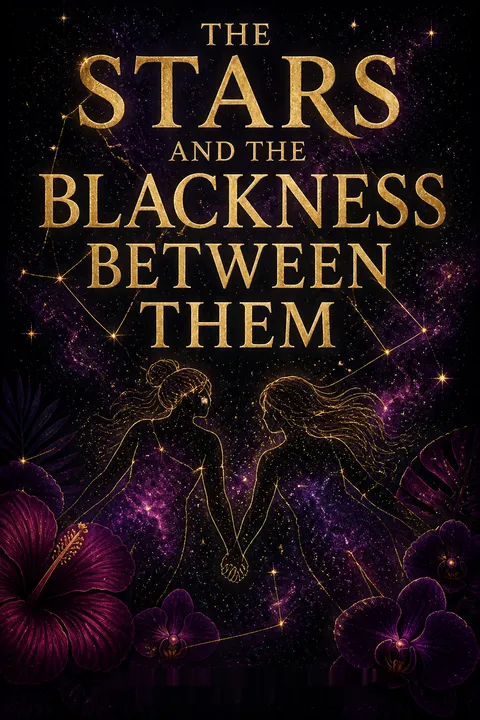

Plot Summary
Caribbean Roots, Shattered Hearts
Audre, a sensitive and spiritual teen, is deeply connected to her Caribbean roots, her grandmother Queenie, and the ocean. Her first love, Neri, is discovered by her mother, leading to violence and shame. Audre's mother, unable to accept her daughter's queerness, sends her away to live with her estranged father in America. The pain of exile is raw, and Audre's sense of self is fractured. Queenie, her anchor, offers comfort and ancestral wisdom, but Audre is forced to leave behind everything she knows—her love, her land, and her identity. The trauma of being uprooted and the longing for home set the emotional tone for her journey.
Night Songs and Ancestors
Queenie, Audre's grandmother, is a healer and spiritual guide, teaching Audre the power of ritual, dreams, and connection to ancestors. Through moonlit ceremonies, herbal baths, and stories, Queenie helps Audre process her pain and understand her spiritual gifts. The ancestral presence is palpable, offering both solace and a sense of destiny. Queenie's own history of migration, love, and loss weaves through Audre's memories, grounding her in a lineage of survival and magic. The chapter explores how Black women's wisdom and resilience are passed down, shaping Audre's sense of self even as she faces exile.
Minneapolis: New Beginnings
Uprooted from Trinidad, Audre lands in Minneapolis, where everything feels cold, alien, and lonely. Her father, Sunny, is gentle but distant, trying to bridge years of separation. Audre struggles to adapt, haunted by memories of Neri and the ocean. The city's unfamiliar rhythms and the absence of Caribbean warmth intensify her isolation. Yet, small gestures—a painted room, a thrifted velvet portrait—hint at her father's desire to connect. Audre's grief is heavy, but beneath it stirs a quiet hope that new beginnings might be possible, even in exile.
Black Eden and Butterfly Puberty
Mabel, a Minneapolis teen, finds comfort in her family's garden, Black Eden, and in music—especially Whitney Houston. She's a tomboy, layered and introspective, navigating crushes on both boys and girls. Her family is loving but imperfect, her father philosophical, her mother vibrant. Mabel's coming-of-age is marked by confusion about her sexuality, fleeting connections, and the ache of wanting to be seen. The garden becomes a metaphor for transformation, as she observes a chrysalis and wonders about her own metamorphosis. The seeds of friendship and self-discovery are planted.
Forbidden Love and Exile
Flashbacks reveal Audre's deepening relationship with Neri, the pastor's granddaughter. Their secret love blossoms by the ocean, a sanctuary from judgment. When discovered, the consequences are brutal—physical violence, spiritual condemnation, and forced separation. Audre's mother's inability to accept her daughter's queerness fractures their bond irreparably. The trauma of being sent away is compounded by the loss of Neri, who is also exiled. Letters and rituals become lifelines, but the pain of forbidden love and exile lingers, shaping Audre's sense of self and her longing for belonging.
Mabel's Quiet Storm
Mabel's nights are filled with music, memories, and longing. She obsesses over Whitney Houston's rumored queer love, projecting her own desires and uncertainties onto the pop icon. Mabel's family is supportive but doesn't fully understand her inner world. She navigates friendships, crushes, and the complexities of identity with humor and vulnerability. The quiet storm of her emotions is both a refuge and a source of anxiety. Mabel's introspection deepens as she senses something is changing within her body, foreshadowing the illness to come.
Crossing Oceans, Crossing Selves
Audre and Mabel meet through their fathers, who are friends. Their initial connection is tentative but charged with curiosity and recognition. Audre's Caribbean roots and Mabel's Midwestern life create a cultural exchange—food, language, music, and stories. They bond over shared feelings of otherness and the search for belonging. Cooking together, exploring the city, and sharing secrets, their friendship deepens. Each girl sees in the other a mirror of her own longing and possibility. The crossing of oceans becomes a metaphor for crossing into new selves.
Raspberries and Revelations
In Black Eden, Mabel and Audre share raspberries and stories, their connection growing more intimate. Audre's grief and homesickness are palpable, but Mabel's presence offers comfort. They navigate school, identity, and the complexities of being Black girls in America. Audre's accent, style, and spirituality set her apart, while Mabel's openness and humor draw Audre out of her shell. The garden becomes a sacred space for revelation and healing. As secrets surface, both girls begin to trust each other with their vulnerabilities, laying the groundwork for deeper love.
Friendship, Food, and Healing
Audre and Mabel's friendship is nurtured through shared meals, rituals, and care. Audre introduces Mabel to Ital cooking and Caribbean healing traditions, while Mabel offers the warmth of her family and home. Food becomes a language of love and survival, bridging cultural gaps and soothing homesickness. As Mabel's health begins to falter, Audre's healing instincts intensify. Their bond is tested by illness, but also strengthened by acts of care and mutual support. The kitchen and garden become sites of transformation and resistance.
School, Identity, and Belonging
Audre and Mabel face the challenges of high school—racism, invisibility, and the search for community. They find allies in friends like Ursa and Jazzy, and in supportive teachers. The Prism club offers a space for queer and questioning youth, though both girls grapple with coming out and the risks of visibility. Audre's spirituality and Mabel's love of astrology become tools for self-understanding. The struggle for belonging is ongoing, but moments of joy, solidarity, and self-acceptance emerge. School is both a battleground and a place of possibility.
Diagnosis: The Body's Betrayal
Mabel's mysterious fatigue and pain lead to a devastating diagnosis: a rare, aggressive leukemia-like cancer. The news shatters her family and friends, plunging them into grief and uncertainty. Mabel's world contracts to hospital rooms, treatments, and the relentless presence of mortality. Audre becomes her steadfast companion, offering healing rituals and emotional support. The specter of death intensifies the urgency of love, honesty, and connection. Mabel's illness becomes a crucible, revealing the depth of her relationships and the resilience of her spirit.
Letters Across the Void
As Mabel's illness progresses, she finds solace in writing letters—to Afua, a death row inmate whose memoir inspires her, and to Audre, who becomes her confidante and healer. Afua's story of incarceration, loss, and spiritual awakening resonates deeply, offering hope and perspective. Letters become a lifeline, bridging distances—between life and death, freedom and captivity, self and other. Audre also receives a long-awaited letter from Neri, revealing her survival and the existence of a queer community in Trinidad. Writing becomes an act of survival, resistance, and love.
Dreamo Rituals and Ancestor Magic
Audre draws on Queenie's teachings to create "dreamo" rituals for Mabel, blending Caribbean spirituality, herbal medicine, and ancestral magic. These rituals offer comfort, insight, and moments of transcendence, allowing Mabel to access dreams of past lives, ancestors, and alternate possibilities. The boundaries between worlds—living and dead, past and present, self and other—become porous. Through ritual, both girls find strength, healing, and a sense of belonging to something larger than themselves. The power of Black women's magic and ancestral wisdom is celebrated.
Afua's Story: Stars and Cages
Interwoven with Audre and Mabel's story is the memoir of Afua, a Black man on death row. His reflections on childhood, friendship, love, and the brutality of incarceration offer a cosmic perspective on suffering and resilience. Afua's study of astrology, dreams, and past lives becomes a means of survival and self-liberation. His correspondence with Mabel creates a bridge between two forms of captivity—his literal, hers existential. Afua's story underscores themes of systemic injustice, the search for meaning, and the possibility of spiritual freedom even in the darkest circumstances.
Walkouts and Wishes
Inspired by Mabel's wish to free Afua, Audre, Jazzy, and their friends organize a school walkout and social media campaign. The protest draws attention to Afua's case and the broader issues of incarceration and injustice. The community rallies around Mabel, transforming her dying wish into a collective act of resistance and hope. The power of youth activism, solidarity, and love is foregrounded. The chapter explores how personal pain can be transformed into political action, and how community can create change even in the face of overwhelming odds.
Love in the Face of Death
As Mabel's health declines, her relationship with Audre deepens into romantic love. They share their truths, fears, and desires, finding solace and joy in each other's arms. Their love is tender, sensual, and sacred—a defiant affirmation of life in the shadow of death. Family and friends gather, offering support and witnessing their bond. The boundaries between friendship and romance, life and death, blur. Love becomes a form of resistance, a way to claim agency and meaning even as time runs out.
Coney Island: Full Circle
Mabel's wish brings Afua to Coney Island for a day of freedom, family, and celebration. Surrounded by loved ones, Mabel and Afua share a moment of peace and connection, riding the Cyclone roller coaster together. The amusement park, with its lights and chaos, becomes a liminal space where the boundaries between worlds dissolve. In a moment of magic and mystery, Mabel and Afua vanish, their spirits released into the stars. The chapter is a culmination of longing, love, and liberation—a full circle from exile to transcendence.
Stardust, Memory, and Becoming
In the aftermath of loss, Audre, Mabel's family, and their community grapple with grief and memory. Audre finds comfort in rituals, dreams, and the knowledge that love endures beyond death. Mabel's legacy lives on in the hearts of those she touched, in the garden of Black Eden, and in the constellations above. The story ends with a sense of becoming—of transformation, healing, and the ongoing journey of the soul. The stars and the blackness between them become symbols of infinite possibility, connection, and hope.
Analysis
A luminous meditation on love, loss, and liberationThe Stars and the Blackness Between Them is a novel that pulses with lyricism, vulnerability, and radical hope. At its core, it is a story about Black girls loving each other—across oceans, traumas, and the boundaries of life and death. Through the intertwined journeys of Audre and Mabel, the book explores the pain of exile, the violence of homophobia, and the relentless presence of mortality. Yet, it is also a celebration of survival, ancestral wisdom, and the transformative power of love. The inclusion of Afua's narrative expands the scope, connecting personal suffering to systemic injustice and cosmic questions of fate and freedom. Ritual, dreamwork, and astrology are not escapist but deeply political, offering tools for healing and resistance. The novel insists that even in the face of death, joy, connection, and agency are possible. Its lessons are clear: love is a form of revolution, community is sacred, and the stars—like our ancestors—are always with us, illuminating the blackness between them.
People Also Read
Characters
Audre
Audre is a Trinidadian teen whose life is upended when her mother discovers her love for another girl. Sensitive, spiritual, and deeply connected to her grandmother Queenie, Audre is forced into exile in Minneapolis. She struggles with homesickness, grief, and the trauma of rejection, but her resilience is rooted in ancestral wisdom and ritual. Audre's journey is one of self-discovery, healing, and the search for belonging. Her relationships—with Queenie, Neri, and eventually Mabel—reveal her capacity for deep love, care, and transformation. Audre's arc is about reclaiming agency, embracing her queerness, and finding home within herself and her chosen family.
Mabel
Mabel is a Black American teen whose life revolves around family, music, and the search for identity. Layered, introspective, and quietly brave, she navigates crushes, friendships, and the complexities of being a queer girl in a loving but imperfect family. Mabel's world is shattered by a terminal illness, forcing her to confront mortality, meaning, and legacy. Her relationship with Audre becomes a lifeline, offering love, healing, and the courage to face death with honesty and grace. Mabel's arc is about embracing vulnerability, claiming joy in the face of loss, and leaving a legacy of love and resistance.
Queenie
Queenie is Audre's grandmother, a healer, dancer, and spiritual anchor. Her wisdom, rituals, and stories ground Audre in a lineage of survival and resilience. Queenie's own history of migration, love, and loss mirrors Audre's journey, offering both comfort and challenge. She represents the power of Black women's knowledge, the importance of ritual, and the possibility of healing across generations. Queenie's presence is felt even across oceans, her love and magic sustaining Audre through exile and transformation.
Neri
Neri is the pastor's granddaughter in Trinidad and Audre's first love. Their relationship is tender, secret, and ultimately tragic, torn apart by religious condemnation and familial violence. Neri's exile mirrors Audre's, and her survival—revealed through a long-awaited letter—offers hope and the possibility of queer community even in hostile environments. Neri embodies the pain and beauty of first love, the costs of repression, and the resilience of the spirit.
Sunny (Audre's Father)
Sunny is Audre's American father, a man shaped by loss, longing, and the desire to connect. He is gentle, awkward, and earnest, trying to make up for years of absence. His attempts to bridge cultural and emotional gaps are sometimes clumsy but always rooted in love. Sunny's own journey—through music, spirituality, and fatherhood—parallels Audre's search for belonging. He represents the possibility of healing fractured relationships and the importance of showing up, even imperfectly.
Coco (Mabel's Mother)
Coco is Mabel's mother, an artist and hustler whose love is both fierce and flawed. She is vibrant, opinionated, and deeply invested in her family's well-being. Coco's approach to parenting is a blend of humor, honesty, and tough love. She struggles with the impending loss of her daughter, oscillating between hope and despair. Coco's arc is about learning to let go, to grieve, and to honor her child's wishes, even when it breaks her heart.
Sequan (Mabel's Father)
Sequan is Mabel's father, a man of the earth whose wisdom is rooted in history, gardening, and music. He is gentle, reflective, and sometimes awkward, struggling to express his emotions but always present for his family. Sequan's love for Mabel is steady and unconditional, even as he grapples with her illness and the limits of his ability to protect her. His relationship with Black Eden symbolizes the possibility of growth, healing, and legacy.
Afua
Afua is a Black man on death row whose memoir and correspondence with Mabel form a parallel narrative. His reflections on childhood, friendship, love, and the brutality of incarceration offer a cosmic perspective on suffering and resilience. Afua's study of astrology, dreams, and past lives becomes a means of survival and self-liberation. His story underscores themes of systemic injustice, the search for meaning, and the possibility of spiritual freedom even in the darkest circumstances.
Jazzy
Jazzy is a vibrant, outspoken member of the Prism club and a close friend to both Mabel and Audre. She is confident in her queerness, supportive, and unafraid to challenge norms. Jazzy's relationship with Ursa and her activism in the school community provide a model of queer joy and resistance. She helps Audre process her feelings, organize the walkout, and embrace her identity.
Ursa
Ursa is Mabel's childhood friend, a math prodigy and poet who navigates multiple identities—Black, Muslim, queer. Her friendship with Mabel and relationship with Jazzy offer support, humor, and solidarity. Ursa's presence in the story highlights the importance of chosen family, the complexities of intersectional identity, and the power of friendship in the face of adversity.
Plot Devices
Dual Narrative Structure
The novel alternates between Audre and Mabel's perspectives, creating a tapestry of voices, cultures, and experiences. This dual narrative allows for deep psychological exploration, contrasting Caribbean and American Black girlhood, and highlighting the universality of longing, love, and loss. The inclusion of Afua's memoir as a third narrative thread expands the scope, connecting personal stories to systemic injustice and cosmic questions.
Letters and Rituals
Letters—between Audre and Neri, Mabel and Afua—serve as lifelines, connecting characters across distances and circumstances. Rituals, both spiritual and mundane, offer healing, structure, and meaning. These devices foreground the importance of communication, tradition, and intentionality in survival and transformation.
Ancestral Magic and Dreamwork
The novel is suffused with ancestral presence, dream rituals, and Caribbean spiritual practices. These elements are not mere background but active forces in the characters' lives, offering guidance, comfort, and the possibility of transcendence. Dreamo sessions blur the boundaries between worlds, allowing for healing, revelation, and connection with the past.
Astrology and Cosmic Perspective
Astrology recurs as a motif, offering characters a language for understanding themselves and their destinies. Afua's cosmic reflections, Mabel's study of signs, and Audre's rituals all point to a worldview that sees the self as part of a larger, interconnected universe. The stars and the blackness between them become metaphors for possibility, legacy, and hope.
Activism and Collective Action
The school walkout and social media campaign to free Afua demonstrate how individual suffering can catalyze collective resistance. The novel foregrounds the power of youth activism, community, and solidarity in challenging injustice and creating change.
Foreshadowing and Circularity
The narrative is rich with foreshadowing—dreams, rituals, and symbols that anticipate later events. The story's structure is circular, returning to themes of exile, homecoming, and transcendence. The final scenes at Coney Island echo earlier moments of loss and reunion, suggesting that endings are also beginnings.
Download PDF
Download EPUB
.epub digital book format is ideal for reading ebooks on phones, tablets, and e-readers.








































