

Plot Summary
After the Fire, Flight
Channing, reeling from a forced marriage to billionaire Win Halliday and a near-fatal encounter with his murderous mother, escapes to Europe. She buries herself in work, scouring antique shops for her boss Alistair, and tries to outrun the emotional wreckage left behind. Her marriage to Win was a contract, a shield against his mother's manipulations, but the lines between duty and desire have blurred. Channing's absence is both a balm and a wound—she's free from the Halliday shadow, yet haunted by guilt for abandoning her niece Winnie and the man she can't stop thinking about. The European cities offer distraction, but not peace. Channing's journey is less about distance and more about the impossible task of leaving her pain—and her complicated love for Win—behind.
Ashes and Unspoken Goodbyes
Determined to give her late sister Willow a resting place worthy of her spirit, Channing travels to a remote Italian island to scatter her ashes. The act is both a rebellion against her controlling family and a final, aching goodbye. She's joined unexpectedly by Winnie and Win, who track her down, making the farewell a shared act of healing. The moment is raw: Channing's guilt for almost excluding Winnie, her unresolved feelings for Win, and the weight of all they've lost converge. The sea wind carries away Willow's ashes and, with them, some of the pain. Yet, as the three stand together, it's clear that the past is not so easily released, and the secrets they carry will shape what comes next.
The Weight of Absence
Back in the States, Win recovers from his injuries, haunted by Channing's absence. He's angry, vulnerable, and forced to confront the emotional fallout of his mother's death and his own manipulations. Channing, meanwhile, is adrift—her work a distraction, her heart tethered to the family she left behind. Both are caught in a limbo of longing and resentment, unable to move forward or let go. Their marriage, once a transaction, now feels like a wound that won't heal. The distance between them is physical and emotional, and the question of forgiveness—of each other and themselves—looms large.
Reunion on Italian Cliffs
Win, Winnie, and Channing reunite on the Italian cliffs, the site of Willow's farewell. The encounter is charged with unresolved tension: gratitude for being together, anger for past choices, and the unspoken love that binds them. Channing is forced to face the consequences of her flight, while Win grapples with his own role in their pain. The reunion is not a neat reconciliation but a messy, necessary step toward healing. The three return to the States, carrying with them the hope of new beginnings and the scars of what they've survived.
Forgiveness and Fractures
Back home, Channing and Win circle each other warily. Their conversations are fraught—apologies, accusations, and the slow, painful work of rebuilding trust. Win reveals his plan to step down from the Halliday empire, seeking an even playing field with Channing. She, in turn, struggles to accept his gestures, wary of being indebted or controlled. Their dynamic shifts: no longer adversaries, not yet lovers, they are two wounded people trying to find common ground. Forgiveness is not a single act but a process, and both must decide if they're willing to risk their hearts again.
Homecoming and New Beginnings
Win, Channing, and Winnie settle into a renovated brownstone, a space that feels more like home than any Halliday mansion. The domesticity is unfamiliar but comforting—shared meals, laughter, and the tentative rhythms of family life. Yet, beneath the surface, old patterns persist: Channing's fear of commitment, Win's need for control, and Winnie's struggle to find her place. The brownstone becomes a crucible for change, forcing each of them to confront what they want and what they're willing to risk for love and belonging.
Teenage Rebellion, Old Fears
Winnie, finally free from her grandmother's oppressive influence, begins to test boundaries—ditching her security detail, befriending a mysterious boy named Ky, and seeking normalcy in a world that will never be normal for a Halliday. Her actions expose the family's vulnerabilities and force Channing and Win to reckon with their own fears: of losing her, of repeating the mistakes of their parents, of failing to protect the people they love. Winnie's coming-of-age is both a source of joy and a catalyst for crisis.
The Cost of Protection
Winnie's brush with danger—bullying at school, slipping her security—leads to real-world consequences. A trusted guard is fired, and the family's protective bubble is punctured. Win's efforts to shield Winnie from harm are both loving and suffocating, while Channing's desire for her niece to have a normal life clashes with the realities of their world. The cost of protection is high: trust is eroded, secrets multiply, and the line between safety and imprisonment blurs. The family must learn that true security comes not from walls or guards, but from honesty and connection.
Unraveling Family Ties
As Winnie's birthday approaches, old wounds are reopened. Channing's estranged father resurfaces, bringing chaos and danger in his wake. The revelation that Ky may be Channing's long-lost son—stolen from her as a teenager—throws the family into turmoil. The past, long buried, refuses to stay hidden. Channing is forced to confront the darkest chapter of her life, while Win must decide how much he's willing to sacrifice to protect the woman he loves. The family's foundation is shaken, and the threat of losing everything becomes very real.
Secrets, Scars, and Surrender
Channing's traumatic history—an abusive first marriage, a stolen child, years of silence—comes to the surface. She confides in Win, who responds with compassion and resolve. Their intimacy deepens, both physically and emotionally, as they learn to trust each other with their scars. The process is messy and nonlinear: old fears resurface, forgiveness is hard-won, and the specter of loss lingers. Yet, in sharing their secrets, they find the possibility of true connection and healing.
The Ghosts We Carry
Both Channing and Win are haunted by the legacies of their parents—abuse, manipulation, and the belief that love is conditional or dangerous. As they confront their respective families, they are forced to choose: repeat the patterns of the past or forge a new path. Channing stands up to her father, refusing to be his pawn any longer. Win, in turn, lets go of the Halliday empire, choosing love over legacy. Together, they begin to break the cycles that have defined them, offering hope for a different future.
The Price of Truth
The mystery of Ky's parentage is unraveled through painful investigation and DNA testing. The truth is bittersweet: Ky is not Channing's son, but the process of searching for him forces her to grieve the child she lost and the life she might have had. The ordeal exposes the depths of her pain and the lengths her father will go for money. Yet, it also brings clarity: Channing is not defined by her trauma, and her worth is not measured by what she's lost. The truth, though costly, sets her free.
Fathers, Failures, and Forgiveness
Channing's father escalates his schemes, culminating in Winnie's kidnapping. Archie, manipulated by guilt and longing, unwittingly aids the abduction. The family is thrown into crisis, forced to confront their failures and the limits of forgiveness. Win and Channing, united by love and desperation, work together to bring Winnie home. The ordeal is a crucible: relationships are tested, loyalties are revealed, and the true meaning of family is redefined. In the aftermath, forgiveness is not a given, but a choice—one that must be made again and again.
Kidnapped Hearts, Desperate Hands
Winnie's kidnapping is a test of everything the family has built. Win and Channing, each using their strengths, coordinate with authorities and follow their instincts to rescue her. The ordeal exposes the cracks in their armor and the depth of their love. Channing's trust in Win is finally absolute, and Win's willingness to risk everything for his family is proven. The rescue is not just a physical act, but an emotional reckoning—a chance to choose each other, fully and without reservation.
Trust, Betrayal, and Rescue
Winnie is found and brought home, but the scars of betrayal linger. The family must reckon with the consequences of their choices: Archie's guilt, Channing's pain, Win's relentless drive to protect. The ordeal forces them to confront what it means to trust, to forgive, and to move forward. The rescue is both an ending and a beginning—a chance to rebuild on a foundation of honesty and love.
Healing, Hope, and Home
In the aftermath, the family begins the slow work of healing. Channing and Win, now united in purpose and love, create a home that is both sanctuary and launching pad. Winnie, scarred but resilient, finds her own path. The ghosts of the past are not banished, but they no longer rule. The family, forged in fire and loss, emerges stronger and more connected. Hope, once a distant dream, becomes a daily practice.
Choosing Each Other
Channing, finally ready to choose Win not out of necessity but out of love, proposes in her own quirky, heartfelt way. Win, who has always wanted her to choose him freely, accepts with joy. Their marriage, once a contract, is now a covenant—a promise to face the future together, come what may. The proposal is not grand or perfect, but it is real, and it marks the beginning of a new chapter for both of them.
Letting Go, Moving Forward
The story closes with the family moving forward: Winnie leaves for college, Channing and Win prepare for new adventures, and the wounds of the past begin to heal. The cycles of pain and betrayal are not erased, but they are no longer the defining story. Instead, love—messy, hard-won, and enduring—takes center stage. The sound of secrets is replaced by the music of hope, and the family, at last, finds peace.
Analysis
Jay Crownover's The Sound of Secrets is a sweeping, emotionally charged exploration of trauma, love, and the possibility of breaking free from the cycles that bind us. At its core, the novel is about the transformative power of chosen family: how love, when freely given and bravely accepted, can heal even the deepest wounds. The book refuses easy answers—healing is messy, forgiveness is hard-won, and the past is never truly past. Yet, through its dual perspectives and richly drawn characters, the story insists that hope is possible, even in the aftermath of betrayal and loss. The marriage of convenience, initially a shield against harm, becomes a crucible in which both Channing and Win are remade—not as perfect partners, but as people willing to risk vulnerability for the sake of connection. The novel's modern resonance lies in its refusal to glamorize wealth or power; instead, it centers the messy, everyday work of building trust, setting boundaries, and choosing love over fear. In a world where secrets can destroy, The Sound of Secrets offers the radical proposition that honesty, however painful, is the first step toward freedom.
Review Summary
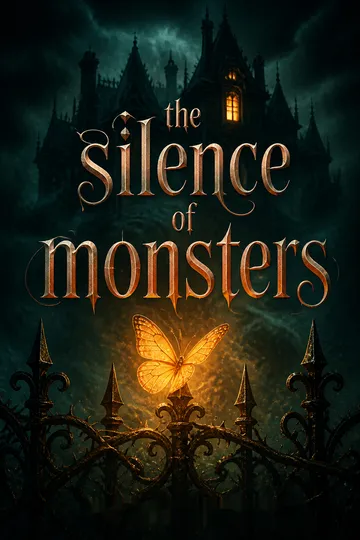
The Sound of Secrets receives mostly positive reviews (4.21/5 stars), praised as a satisfying conclusion to The Monsters Duet. Readers loved Win's protective nature and character growth, though some found Channing frustrating initially. The book explores Channing's traumatic past and her struggle to trust Win despite his devotion. Reviewers appreciated the suspense, emotional depth, and family drama, with many hoping for spin-offs featuring Winnie and other characters. Critics felt the book contained contrived drama and unnecessary content. Most agreed it's a page-turner requiring the first book beforehand.
Characters
Channing Harvey
Channing is the emotional heart of the story—a woman marked by loss, betrayal, and resilience. Forced into a marriage of convenience with Win Halliday, she initially sees herself as an outsider, unworthy of love or belonging. Her past is a tapestry of trauma: an abusive first marriage, a stolen child, a fractured family. Yet, beneath her defenses lies a fierce loyalty and a longing for connection. Channing's journey is one of learning to trust—not just others, but herself. Her relationship with Win evolves from adversarial to deeply intimate, as she confronts her fears and chooses love over self-protection. Her bond with Winnie is maternal and redemptive, offering her a second chance at family. Channing's arc is about reclaiming agency, breaking cycles of pain, and daring to hope for happiness.
Winchester "Win" Halliday
Win is both a product and a victim of his family's legacy—wealthy, powerful, and emotionally isolated. His mother's manipulations and violence have left him scarred, both physically and psychologically. Win's initial relationship with Channing is transactional, but he quickly becomes obsessed with her honesty and strength. His journey is one of vulnerability: learning to let go of control, to step down from the Halliday throne, and to risk his heart. Win's love for Channing and Winnie is transformative, forcing him to confront his own failings and to redefine what it means to be a protector. His arc is about choosing love over legacy, and finding redemption in the messy, imperfect work of family.
Winnie Halliday
Winnie is the next generation—a teenager caught between privilege and pain. Orphaned by her mother's death and traumatized by her grandmother's cruelty, she is both wise beyond her years and achingly vulnerable. Winnie's journey is one of self-discovery: testing boundaries, seeking normalcy, and learning to trust in a world that has repeatedly betrayed her. Her relationships with Channing and Win are central—she is both their charge and their teacher, forcing them to confront their own wounds. Winnie's arc is about survival, agency, and the hope that the future can be different from the past.
Archie Halliday
Archie, Win's younger brother and Winnie's father, is a man shattered by trauma—physically scarred, emotionally fragile, and wracked with guilt. Manipulated by Channing's father, he unwittingly aids in Winnie's kidnapping, a betrayal that nearly destroys him. Archie's journey is one of atonement: learning to forgive himself, to accept love, and to be present for his daughter. His arc is a cautionary tale about the dangers of unresolved pain, but also a testament to the possibility of healing.
Alistair DeVere
Alistair, Win's half-brother and Channing's boss, is a stabilizing force—charming, competent, and loyal. He offers Channing a lifeline when she needs it most, and his design firm becomes a space of belonging. Alistair's own journey is about finding his place in the Halliday legacy, balancing ambition with empathy, and learning to lead without losing himself. His relationship with Bellamy hints at future growth and the ongoing work of building family from the ashes of the past.
Paul Harvey
Channing's father is the story's human antagonist—a man driven by greed, resentment, and a bottomless need for control. He exploits his daughters, manipulates those around him, and is ultimately responsible for much of the family's suffering. Paul's actions force Channing to confront her deepest wounds and to choose whether to remain a victim or to reclaim her power. He is a cautionary figure, a reminder of the damage that unchecked selfishness can inflict.
Georgie Harvey
Channing's mother is a portrait of mental illness and the collateral damage of generational trauma. Her schizophrenia, exacerbated by loss and betrayal, makes her both a victim and, at times, a threat. Georgie's relationship with Channing is fraught—love and resentment, care and violence, hope and despair. Her arc is a sobering reminder of the limits of love and the necessity of boundaries.
Kyser "Ky" Kent
Ky is the enigmatic teenager who befriends Winnie and becomes the focal point of the story's central mystery. His resemblance to Channing's abusive ex-husband raises the possibility that he is her stolen son, a question that drives much of the plot. Ky is both a mirror and a foil—his presence forces the family to confront their secrets, their fears, and their capacity for forgiveness. His ultimate innocence is a bittersweet revelation, underscoring the randomness of pain and the possibility of redemption.
Rocco
Win's head of security, Rocco is the embodiment of loyalty and competence—until he fails to prevent Winnie's kidnapping. His guilt is profound, and his arc is one of reckoning with the limits of control and the inevitability of human error. Rocco's relationship with the family is both professional and personal, and his journey is about learning to forgive himself and to accept that even the best intentions cannot prevent all harm.
Bellamy Rose
Bellamy, the executive brought in to mentor Alistair, is a force of nature—brilliant, uncompromising, and unafraid to challenge the status quo. Her presence signals a shift in the Halliday legacy, from patriarchal power to collaborative leadership. Bellamy's relationship with Alistair is both contentious and full of potential, hinting at the ongoing evolution of the family and the company.
Plot Devices
Marriage of Convenience
The story's central device is the marriage of convenience between Channing and Win—a transaction meant to solve external problems (escaping Win's mother's control) that becomes the catalyst for internal transformation. The contract forces both characters to confront their fears, desires, and the possibility of real intimacy. The gradual shift from obligation to genuine love is the emotional engine of the narrative, allowing for exploration of themes like agency, trust, and the difference between being chosen and being needed.
Generational Trauma and Cycles
The narrative is structured around the idea that the sins and wounds of the past—abuse, neglect, betrayal—are inherited, but not immutable. Both Channing and Win are products of deeply dysfunctional families, and much of the plot revolves around their efforts to break these cycles. The story uses foreshadowing (parallels between Channing's and Winnie's experiences, echoes of parental behavior) and nonlinear revelations (secrets from the past coming to light) to underscore the difficulty and necessity of forging a new path.
Mystery and Suspense
The book employs classic suspense devices: missing persons, hidden parentage, and the threat of violence. The mystery of Ky's identity, the danger posed by Channing's father, and the ever-present risk of betrayal keep the stakes high and the narrative propulsive. Foreshadowing is used to build tension (hints about Channing's past, the reappearance of old enemies), while the eventual revelations provide both catharsis and new challenges.
Dual Perspectives and Shifting Narrators
The story alternates between Channing's and Win's perspectives, allowing readers to inhabit both the female and male experience of trauma, love, and healing. This duality enriches the emotional arc, providing insight into misunderstandings, internal conflicts, and the slow, painful work of reconciliation. The inclusion of Winnie's perspective in the epilogue signals the ongoing nature of the family's journey and the hope for a better future.
Symbolism of Home and Belonging
The settings—the Halliday manor, the Italian cliffs, the brownstone—are more than backdrops; they are symbols of the characters' internal landscapes. The destruction of the manor marks the end of an era; the brownstone represents the possibility of a new kind of family. The act of scattering ashes, renovating homes, and creating shared spaces mirrors the characters' efforts to build something lasting from the ruins of the past.
About the Author
Other books by Jay Crownover


Download PDF
Download EPUB
.epub digital book format is ideal for reading ebooks on phones, tablets, and e-readers.








































