
Plot Summary
The Sly One's Awakening
Raistlin Majere, frail and sharp-minded, grows up in the shadow of his robust twin, Caramon, and their fierce half-sister, Kitiara. From the start, Raistlin is set apart—physically weak, introspective, and gifted with a nascent magical talent that both isolates and empowers him. His family's poverty and his mother's madness deepen his sense of alienation, but also fuel his hunger for power and respect. When a visiting archmage, Antimodes, recognizes Raistlin's potential, the boy's path is set: he will study magic, not just as a means of survival, but as a way to forge his own destiny. The seeds of ambition and resentment are sown, and Raistlin's journey into the crucible of magic begins.
A Mage's First Lessons
Under the tutelage of Master Theobald, Raistlin enters the world of formal magic, quickly outpacing his peers in intellect but earning their scorn and his teacher's suspicion. The school is a place of both torment and revelation: Raistlin endures bullying, physical punishment, and the loneliness of being different, but also discovers the discipline and cost of magic. His first magical successes are hard-won, and he learns that power comes with pain—each lesson a blow of the hammer, each humiliation a drop in the forge. The support of Caramon is both a comfort and a chain, as Raistlin's pride wars with his dependence on his brother's strength.
Bonds of Blood and Fire
The Majere household is a crucible of conflicting loyalties. Kitiara, restless and ambitious, pushes her brothers toward self-reliance, while their mother, Rosamun, drifts in and out of reality. Caramon's unwavering devotion to Raistlin is both a shield and a source of resentment. As the twins grow, their differences sharpen: Caramon's physical prowess and easy popularity contrast with Raistlin's cunning and isolation. The siblings' love is fierce but fraught, each blow from the world outside forging their bond—and their rivalry—ever tighter. The family's struggles, losses, and small triumphs shape Raistlin's resolve to rise above his circumstances, no matter the cost.
The Hammer and the Anvil
Raistlin's journey is marked by suffering: illness, poverty, and the scorn of peers and teachers. Yet each hardship is a hammer blow that tempers his will. He learns to hide his vulnerabilities, to wield his intelligence as a weapon, and to manipulate those around him. The lessons of the forge are harsh—magic will not solve his problems, but it will give him the means to endure and to strike back. The world's cruelty becomes his teacher, and Raistlin's ambition hardens into something unbreakable. The anvil of adversity shapes not just his skills, but his soul.
The Price of Ambition
As Raistlin matures, his ambition becomes all-consuming. He excels in his studies, but his successes breed envy and fear. The cost of magic is steep: physical weakness, social isolation, and the suspicion of those in power. Raistlin's relationships suffer—he is both drawn to and repelled by the affection of others, especially Caramon's unconditional love. The more he achieves, the more he is set apart. The price of his ambition is loneliness, and the knowledge that every gain is paid for in pain. Yet he cannot turn back; the fire inside him demands to be fed.
Shadows in Solace
Tragedy strikes the Majere family: the deaths of Gilon and Rosamun leave the twins orphaned, and the shadow of the Widow Judith's fanaticism poisons the town. Raistlin's healing skills earn him respect, but also deepen his sense of being an outsider. The betrayal of trust—by friends, by family, by fate—drives Raistlin further into himself. He learns that the world is not just indifferent, but actively hostile to those who are different. The darkness within him grows, fed by grief, anger, and the realization that power is the only true protection.
The Test of Friendship
In the aftermath of loss, Raistlin and Caramon find new bonds among the outcasts of Solace: the dwarf Flint, the kender Tasslehoff, the half-elf Tanis, and the knightly Sturm. These friendships are uneasy, marked by suspicion and rivalry, but they offer Raistlin a glimpse of belonging. The companions' adventures—both comic and perilous—test their loyalty and reveal their strengths and weaknesses. Raistlin's role is ambiguous: he is both a valued ally and a potential threat, his magic both a boon and a source of fear. The forging of these friendships is as much a test as any spell.
The Widow's Curse
The rise of the cult of Belzor in Haven brings Raistlin face to face with the dangers of false faith and the power of manipulation. The Widow Judith, now a high priestess, uses miracles and fear to control the populace. Raistlin, recognizing the magic behind her deceptions, orchestrates her downfall—exposing her as a fraud and breaking her hold over the town. The victory is costly: Raistlin is nearly executed, and the experience leaves him both triumphant and scarred. The episode cements his belief that power—magical or otherwise—must be wielded with cunning and ruthlessness.
The Forge of Suffering
The years that follow are marked by hardship and growth. Raistlin's health deteriorates, his body weakened by the demands of magic and the scars of his trials. Yet his mind and will only grow stronger. The companions drift apart, each pursuing their own path, but the bonds forged in suffering remain. Raistlin's ambition is undimmed, but he is haunted by the cost: the loss of innocence, the burden of guilt, and the knowledge that every step forward is paid for in blood. The forge of suffering shapes his destiny, even as it threatens to consume him.
The Gathering of Companions
As the companions prepare to go their separate ways, they gather one last time at the Inn of the Last Home. The mood is bittersweet: old wounds are reopened, secrets are kept and revealed, and vows are made to reunite in five years' time. Raistlin, now on the cusp of his greatest challenge, is both part of the group and apart from it. The night is a crucible of memory and hope, a reminder that even the most solitary soul is shaped by the company he keeps. The bonds of friendship, though strained, endure.
The False God's Miracle
In Haven, Raistlin confronts the cult of Belzor, exposing the so-called miracles as mere magic and the high priestess as a charlatan. His actions spark chaos, nearly cost him his life, and force him to rely on the loyalty of his friends. The episode is a turning point: Raistlin proves his cunning and courage, but also his willingness to manipulate and risk others for his own ends. The victory is hollow—he is left physically weakened and emotionally isolated, but his reputation as a mage of power and resolve is cemented.
The Betrayal at Haven
The aftermath of the cult's downfall is marred by murder and betrayal. Raistlin is accused of killing the Widow Judith, and only the intervention of his friends saves him from execution. The true killer remains at large, and the episode leaves scars on all involved—especially Caramon, who is forced to confront the darkness in both his brother and his sister, Kitiara. The cost of secrets is high: trust is eroded, and the bonds of family and friendship are tested to the breaking point. Raistlin emerges victorious, but at a terrible price.
The Summons to Wayreth
Raistlin's achievements and notoriety earn him an unprecedented summons to the Tower of High Sorcery at Wayreth. The invitation is both an honor and a threat: the Test is known to be deadly, and few are called so young. Caramon is summoned as well, his presence both a comfort and a complication. The journey to the Tower is fraught with danger and uncertainty, but Raistlin is resolute. The fire that has forged him thus far now draws him toward the ultimate crucible—the Test that will determine his fate as a mage.
The Tower's Dark Bargain
Inside the Tower, Raistlin faces trials both magical and moral. Illusions and dangers test his skill, his resolve, and his very soul. The most perilous encounter is with the ancient lich Fistandantilus, who offers Raistlin power in exchange for his life-force. Raistlin, desperate and ambitious, accepts the bargain, but manages to outwit the lich—surviving where others have perished. The victory is pyrrhic: Raistlin's body is shattered, his health ruined, and his soul forever marked by the darkness he has embraced. The Test is passed, but at a cost that will haunt him forever.
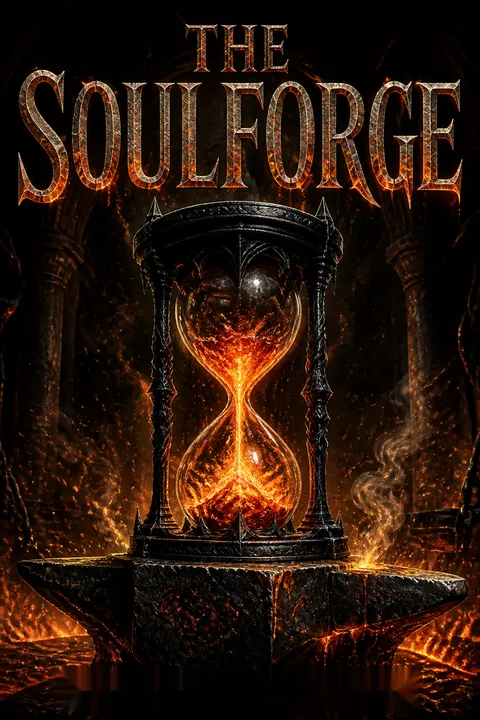
The Hourglass Eyes
Emerging from the Test, Raistlin is changed. His skin is tinged gold, and his eyes—now hourglass-shaped—see the decay and mortality in all things. This new vision is both a gift and a curse: it grants him insight and power, but also isolates him further from the world. The hourglass eyes are a constant reminder of the price he has paid, and the burden he now bears. Raistlin is no longer the boy he was; he is a mage, forged in fire and marked by time.
The Blade and the Fire
Raistlin's journey has been one of suffering, ambition, and transformation. The Test has tempered him, but also left him scarred—physically, emotionally, and spiritually. The blade of his soul has passed through the fire, emerging sharper but more brittle. The bonds with his brother and friends are strained, but not broken. Raistlin's path is set: he will pursue power, no matter the cost, and the world will tremble at his coming. The fire that forges him now burns within, a source of both strength and destruction.
The Red Robes' Burden
Raistlin dons the red robes of neutrality, neither wholly good nor evil, but balanced on the knife-edge between. His health is ruined, his soul marked, but his will is unbroken. With Caramon at his side, he sets out into the world, burdened by the knowledge of what he has become and what he may yet do. The journey is far from over—the blade must be honed, the fire tended. Raistlin's story is one of sacrifice and ambition, of love and betrayal, of the forging of a soul in the crucible of magic and fate.
Analysis
Margaret Weis's The Soulforge is a masterful exploration of the making of a mage—both the forging of power and the scars it leaves behind. At its heart, the novel is a meditation on ambition, suffering, and the price of greatness. Raistlin Majere's journey is both deeply personal and archetypal: the weakling who rises through intellect and will, the outcast who seeks belonging but finds only isolation, the seeker of power who discovers that every gain is paid for in pain. The narrative's structure—built around the metaphor of the forge and the motif of the Test—underscores the theme that true strength is born of adversity, but also that every blow leaves a mark. The relationships between Raistlin and his companions, especially Caramon, are rendered with psychological depth, revealing the complexities of love, rivalry, and dependence. The novel's use of illusion, both magical and psychological, invites readers to question the nature of reality and the stories we tell ourselves. Ultimately, The Soulforge is a cautionary tale about the dangers of unchecked ambition, the necessity of sacrifice, and the enduring power of choice. It asks: What are we willing to give up to achieve our dreams? And what, in the end, will survive of us beyond our overwhelming ambition?
Review Summary
Reviews for The Soulforge are overwhelmingly positive, with readers praising its deep character development, particularly of Raistlin Majere, who is widely considered one of fantasy fiction's most compelling and complex characters. Many appreciate how the book serves as both a standalone story and an origin prequel to the Dragonlance Chronicles. Fans enjoy the exploration of Raistlin's youth, his relationships, and his path toward magic. Some criticism includes pacing issues, occasional mediocre writing, and a desire for more magical content. Overall, the book holds nostalgic and emotional significance for many readers.
Characters
Raistlin Majere
Raistlin is the heart of the story—a physically weak but intellectually and magically gifted young man whose early life is marked by illness, poverty, and alienation. His relationship with his twin, Caramon, is both a source of strength and a wellspring of resentment: Caramon's physical prowess and easy popularity contrast painfully with Raistlin's isolation and cunning. Raistlin's ambition is relentless, driving him to master magic as both shield and weapon. His psychological complexity is profound: he is at once vulnerable and ruthless, craving love but fearing dependence, seeking power but haunted by the cost. The Test at Wayreth transforms him, granting him hourglass eyes that see the decay in all things—a gift that is also a curse, deepening his alienation and setting him on a path of both greatness and tragedy.
Caramon Majere
Caramon is Raistlin's physical opposite: robust, cheerful, and guileless, he is the archetype of the loyal brother. His love for Raistlin is unconditional, bordering on self-sacrifice, and he often serves as Raistlin's protector and anchor to humanity. Yet Caramon's simplicity is both his strength and his weakness—he is easily manipulated, slow to understand the darkness in others, and struggles to find his own identity apart from his twin. The Test forces him to confront the limits of his devotion and the pain of being both needed and resented. Caramon's journey is one of growing self-awareness, as he learns that love sometimes means letting go.
Kitiara uth Matar
Kitiara is a force of nature: bold, restless, and fiercely independent. Her influence on her brothers is profound—she pushes them toward self-reliance, but also sows seeds of rivalry and ambition. Kitiara's own path is marked by moral ambiguity: she is both protector and betrayer, her loyalties shifting with her desires. Her relationships—with her brothers, with Tanis, with the shadowy powers of the north—are complex and often self-serving. Kitiara embodies the theme of the blade in the fire: she is both forged and forger, shaping those around her even as she is shaped by her own choices.
Sturm Brightblade
Sturm is the embodiment of the Solamnic code: honorable, disciplined, and unwavering in his ideals. His friendship with the twins, especially Caramon, is a source of stability and inspiration, but also of tension—his rigid morality often clashes with Raistlin's pragmatism. Sturm's own journey is one of loss and longing: exiled from his homeland, haunted by the disappearance of his father, he seeks meaning and belonging in a world that no longer values his code. Sturm's presence in the group is both a challenge and a comfort, a reminder of what is at stake in the struggle between light and darkness.
Tanis Half-Elven
Tanis is a bridge between worlds—half-human, half-elf, belonging fully to neither. His role as a leader among the companions is marked by empathy, wisdom, and a deep sense of responsibility. Tanis's relationship with Kitiara is passionate but fraught, mirroring his own internal conflict between duty and desire. He is both confidant and rival to Raistlin, recognizing the mage's potential but wary of his ambition. Tanis's journey is one of self-discovery, as he seeks to reconcile the disparate parts of his identity and to find a place where he truly belongs.
Flint Fireforge
Flint is the archetypal dwarf: stubborn, practical, and fiercely loyal. His gruff exterior hides a deep affection for his friends, especially Tanis and the twins. Flint serves as both mentor and comic relief, his wisdom grounded in experience and his skepticism a counterbalance to the group's more idealistic members. His relationship with Tasslehoff is a source of both frustration and joy, and his presence anchors the companions in the realities of the world. Flint's journey is one of acceptance—of change, of loss, and of the enduring power of friendship.
Tasslehoff Burrfoot
Tasslehoff is a kender, driven by curiosity and an utter lack of fear. His antics often land the group in trouble, but his innocence and optimism are infectious. Tasslehoff's perspective is unique: he sees the world without prejudice or malice, and his loyalty to his friends is unwavering. Though often underestimated, Tas's quick thinking and courage prove invaluable. He serves as a mirror to the others, reflecting both their flaws and their virtues, and reminding them of the simple joys of life even in the darkest times.
The Widow Judith
Judith is a figure of manipulation and fanaticism, using the trappings of religion to control and exploit the vulnerable. Her rise to power in Haven is marked by deception, cruelty, and a willingness to sacrifice others for her own ends. Judith's confrontation with Raistlin is a battle of wills and wits, exposing the dangers of blind faith and the seductive power of charisma. Her downfall is both a personal and a communal reckoning, forcing the town—and Raistlin—to confront the cost of deception.
Par-Salian
Par-Salian is the head of the Conclave of Wizards, a figure of wisdom, authority, and inscrutability. His role in Raistlin's life is both mentor and judge, guiding the young mage toward his destiny while testing his resolve and character. Par-Salian embodies the theme of balance: he recognizes the necessity of both light and darkness, and his decisions are shaped by a long view of history and consequence. His actions are often enigmatic, but always aimed at preserving the fragile equilibrium of the world.
Fistandantilus
Fistandantilus is the specter of unchecked ambition—a once-great mage who sought godhood and was destroyed by his own hubris. His encounter with Raistlin during the Test is a pivotal moment, offering both a warning and a temptation. Fistandantilus represents the ultimate cost of power: the loss of self, the corruption of the soul, and the danger of becoming what one most fears. His presence haunts Raistlin, a reminder that the line between mastery and destruction is perilously thin.
Plot Devices
The Test of High Sorcery
The Test is the central plot device, serving as both a literal and metaphorical crucible for Raistlin. It is a rite of passage that tests not just magical skill, but character, resolve, and the willingness to confront one's own darkness. The Test's structure—illusions, moral dilemmas, and encounters with figures like Fistandantilus—forces Raistlin to make choices that reveal his deepest fears and desires. The narrative uses foreshadowing and misdirection, blurring the line between reality and illusion, to heighten tension and underscore the theme that true power comes at a terrible cost. The Test is both a climax and a turning point, shaping Raistlin's destiny and setting the stage for the conflicts to come.
Twinship and Mirror Imagery
The motif of twins—Raistlin and Caramon—serves as a constant reminder of duality: strength and weakness, love and resentment, dependence and autonomy. Their relationship is a living mirror, each reflecting and distorting the other's qualities. The narrative structure often juxtaposes their experiences, using parallel scenes and contrasting perspectives to explore the psychological complexity of their bond. The Test itself exploits this duality, forcing Raistlin to confront the possibility of destroying his brother—and, by extension, himself.
The Forge Metaphor
The recurring metaphor of the forge—the hammer, the anvil, the fire—frames the entire narrative. Each hardship, betrayal, and triumph is a blow that shapes Raistlin's soul, tempering his ambition and hardening his resolve. The narrative uses this metaphor to explore themes of sacrifice, transformation, and the cost of greatness. The forge is both a place of creation and destruction, and Raistlin's journey is one of being remade in the crucible of experience.
Illusion and Reality
Throughout the story, the line between illusion and reality is constantly blurred—both in the magical sense (spells, the Test) and in the psychological sense (self-deception, the masks people wear). The narrative structure uses unreliable narration, shifting perspectives, and dreamlike sequences to keep both Raistlin and the reader off-balance. This device reinforces the central question: what is real, and what is merely the shadow cast by ambition, fear, or desire?
The Hourglass Eyes
Raistlin's transformation—his golden skin and hourglass eyes—is both a plot device and a symbol. The eyes grant him the ability to see the decay in all things, a constant reminder of mortality and the impermanence of beauty and power. This vision isolates him, but also grants him insight into the true nature of the world. The hourglass eyes are a narrative device that externalizes Raistlin's internal journey, making visible the cost of his choices and the burden of his knowledge.
About the Author
Other books by Margaret Weis
Download PDF
Download EPUB
.epub digital book format is ideal for reading ebooks on phones, tablets, and e-readers.








































