
Summary Unavailable
This book is not suitable for a summary (it may be a textbook, workbook, cookbook, reference book, or collection). However, you can still explore the FAQs, about author, and other metadata below!
Plot Summary
A Collection of Diverse Sonnets
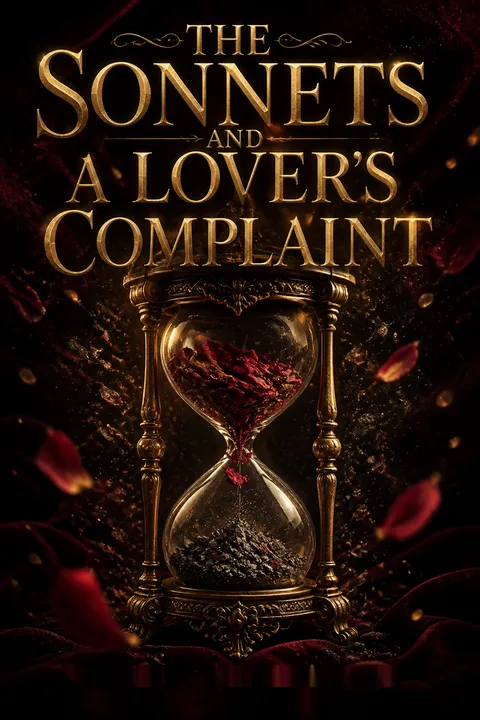
In 1609, Shakespeare's collection of 154 sonnets and a poem titled "A Lover's Complaint" was published. The sonnets are divided into three main groups: the first 126 are addressed to a beautiful young man, the next 26 to a mysterious dark lady, and the final two are epigrams about Cupid. The sonnets explore themes of beauty, time, love, and betrayal, with a complex interplay of emotions and relationships. The collection is not a straightforward narrative but a tapestry of interconnected poems that reflect on the nature of love and the passage of time.
The Young Man's Eternal Beauty
The first group of sonnets is dedicated to a young man of exceptional beauty. The poet urges him to procreate to preserve his beauty for future generations. These sonnets explore themes of admiration, the fleeting nature of youth, and the desire for immortality through offspring and poetry. The poet grapples with the inevitability of aging and the hope that his verses will grant the young man eternal life. The relationship is marked by deep affection and a sense of longing, as the poet seeks to capture the young man's essence in words.
The Dark Lady's Seductive Power
The sonnets addressed to the dark lady shift the focus to a woman of alluring but dangerous charm. The poet is drawn to her despite her infidelity and the pain she causes. These poems delve into themes of lust, betrayal, and the conflict between physical desire and moral integrity. The dark lady is portrayed as both a source of pleasure and a cause of anguish, highlighting the complexities of human relationships and the darker side of love. The poet's struggle with his feelings for her adds a layer of tension and introspection to the collection.
The Poet's Struggle with Time
Throughout the sonnets, the poet confronts the relentless passage of time and its impact on beauty and love. Time is depicted as a destructive force that erodes youth and vitality. The poet seeks to defy time through the immortality of his verse, hoping that his words will preserve the beauty and emotions of his subjects. This struggle is a central theme, reflecting the universal human desire to transcend mortality and leave a lasting legacy. The sonnets capture the tension between the ephemeral nature of life and the enduring power of art.
The Rival Poet's Challenge
The poet introduces the presence of a rival poet who also writes about the young man. This rival is depicted as possessing great skill and eloquence, which intimidates the poet. Despite this, the poet remains confident in the unique bond he shares with the young man, believing that his own verses, though simpler, are more genuine. This rivalry adds tension to the narrative, as the poet grapples with feelings of inadequacy and the fear of losing his muse to another.
The Nature of True Love
The sonnets explore the nature of true love, contrasting it with superficial attractions and fleeting desires. True love is depicted as unwavering and eternal, unaffected by time or circumstance. The poet reflects on the purity and depth of genuine affection, which stands in stark contrast to the fickle and self-serving nature of lust. This exploration of love's essence is a recurring motif, offering a philosophical meditation on the qualities that define authentic emotional connections.
The Poet's Self-Reflection
The poet turns inward, reflecting on his own role as a creator and the limitations of his art. He acknowledges the challenges of capturing the young man's beauty and essence in words, yet remains committed to his craft. This self-reflection is marked by a sense of humility and a recognition of the poet's own vulnerabilities. Through this introspection, the poet reaffirms the value of his artistic expression as a means of preserving the beauty and emotions he cherishes.
The Lover's Complaint Unveiled
"A Lover's Complaint" presents a narrative of a young woman lamenting her seduction by a charming but deceitful young man. She recounts her initial innocence and the gradual erosion of her virtue through the young man's persuasive words and actions. The poem explores themes of vulnerability, manipulation, and the loss of innocence, highlighting the emotional turmoil and regret that follow a betrayal of trust.
The Cycle of Love and Betrayal
The final section of the poem reflects on the cyclical nature of love and betrayal. The poet acknowledges the inevitability of such experiences, recognizing them as part of the human condition. Through the narrative of the maiden's complaint, the poem offers a meditation on the enduring power of love to both uplift and devastate, capturing the intricate dance of attraction, trust, and heartbreak that defines human relationships.
Analysis
A timeless exploration of love and time"The Sonnets and A Lover's Complaint" by William Shakespeare offers a profound exploration of love, beauty, time, and betrayal. Through the sonnets, Shakespeare delves into the complexities of human relationships, capturing the tension between the ephemeral nature of life and the enduring power of art. The young man's beauty and the dark lady's allure serve as muses for the poet's reflections, while the rival poet and the maiden's lament add layers of tension and introspection. The collection's rich use of metaphor and symbolism invites readers to engage with the text on multiple levels, uncovering deeper philosophical reflections on the nature of love and the passage of time. Ultimately, Shakespeare's work offers a meditation on the enduring power of poetry to immortalize human experience, transcending the limitations of mortality and capturing the essence of love's complexities and contradictions.
Last updated:
Report IssueReview Summary
The Sonnets and A Lover's Complaint receives mixed reviews, with many praising Shakespeare's poetic mastery and exploring themes of love, beauty, and time. Some readers find the language challenging but appreciate the emotional depth. Critics debate the autobiographical nature and intended subjects of the sonnets. While some struggle with the archaic language, others are deeply moved by Shakespeare's imagery and wordplay. The collection is generally regarded as a masterpiece of English literature, though individual preferences vary.
People Also Read

Characters
The Young Man
The young man is the central figure in the first group of sonnets. He is depicted as possessing extraordinary beauty and charm, inspiring the poet's admiration and desire to immortalize him through verse. The young man's allure is both a blessing and a curse, as it draws the poet into a complex emotional relationship marked by longing and unfulfilled desire. His beauty serves as a symbol of youth and vitality, and the poet's efforts to preserve it reflect a deeper meditation on the nature of art and immortality.
The Dark Lady
The dark lady is the enigmatic figure in the second group of sonnets. She is characterized by her captivating beauty and irresistible allure, which ensnare the poet despite her infidelity and deceit. The dark lady embodies the dual nature of love as both a source of pleasure and pain, highlighting the complexities of desire and the moral dilemmas it presents. Her presence in the sonnets adds a layer of tension and introspection, as the poet grapples with his conflicting emotions and the darker aspects of human relationships.
The Poet
The poet serves as the narrator and central consciousness of the sonnets. Through his reflections, the reader gains insight into the themes of beauty, time, love, and betrayal. The poet's voice is marked by a deep sense of longing and introspection, as he seeks to capture the essence of his subjects and transcend the limitations of mortality through his art. His struggle with the passage of time and the complexities of love adds depth and richness to the collection, offering a meditation on the enduring power of poetry to immortalize human experience.
The Rival Poet
The rival poet is introduced as a skilled and eloquent writer who also seeks to capture the young man's beauty in verse. His presence creates tension and competition, challenging the poet's confidence in his own abilities. Despite this, the rival poet's character serves to highlight the unique bond between the poet and the young man, as the poet believes his own verses are more genuine and heartfelt.
The Maiden
The maiden in "A Lover's Complaint" is a young woman who has been seduced and abandoned by a charming young man. Her character embodies the themes of vulnerability and regret, as she reflects on her lost innocence and the emotional scars left by her betrayal. Her lament serves as a poignant exploration of the consequences of love and deception.
The Compassionate Listener
The listener in "A Lover's Complaint" serves as a compassionate and empathetic figure, providing a sympathetic ear to the maiden's lament. Through his presence, the poem explores themes of empathy and understanding, emphasizing the importance of human connection in the face of emotional turmoil.
Plot Devices
Metaphor and Symbolism
The sonnets and "A Lover's Complaint" are rich with metaphor and symbolism, using imagery of nature, time, and art to explore complex themes. The young man's beauty is often likened to the fleeting beauty of nature, while the dark lady's allure is depicted through symbols of temptation and danger. Time is personified as a destructive force, and the poet's verse is portrayed as a means of defying mortality. These devices create a tapestry of layered meanings, inviting readers to engage with the text on multiple levels and uncover the deeper philosophical reflections embedded within the poetry.
The Sonnet Form
The sonnet form itself is a key plot device, providing a structured framework for the poet's exploration of themes. The constraints of the form—its rhyme scheme, meter, and length—challenge the poet to distill complex emotions and ideas into concise and powerful expressions. This structure mirrors the tension between the ephemeral nature of life and the enduring power of art, as the poet seeks to capture the essence of his subjects within the confines of the sonnet. The form's inherent discipline and creativity reflect the poet's mastery of language and his ability to convey profound insights through carefully crafted verse.
The Complaint Form
The complaint form in "A Lover's Complaint" provides a structured framework for the exploration of themes. The constraints of the form challenge the poet to distill complex emotions and ideas into concise and powerful expressions. This structure mirrors the tension between the ephemeral nature of life and the enduring power of art, as the poet seeks to capture the essence of human experience within the confines of the complaint.
FAQ
Synopsis & Basic Details
What is The Sonnets and A Lover's Complaint about?
- A Poetic Exploration: This collection features 154 sonnets and the longer poem "A Lover's Complaint," delving into themes of love, beauty, time, and betrayal. The sonnets are primarily addressed to a beautiful young man (Sonnets 1-126) and a mysterious "dark lady" (Sonnets 127-152), with two concluding epigrams on Cupid.
- Complex Relationships: The poems explore the poet's intricate emotional entanglements, including deep affection for the young man, a passionate but conflicted desire for the dark lady, and the pain of their intertwined betrayals. "A Lover's Complaint" adds a narrative of a young woman's seduction and lament.
- Quest for Immortality: A central concern is the struggle against the destructive power of Time, with the poet seeking to immortalize beauty and love through the enduring power of his verse, often contrasting this with procreation as a means of legacy.
Why should I read The Sonnets and A Lover's Complaint?
- Unparalleled Poetic Craft: Shakespeare's mastery of language, metaphor, and the sonnet form offers a rich, concentrated, and cumulative reading experience, revealing subtle modulations of material from poem to poem. The collection showcases his "myriad-mindedness" and finely moral intelligence.
- Deep Human Insights: Beyond surface narratives, the poems provide profound psychological and emotional analysis of love, desire, jealousy, and self-deception, resonating with universal human experiences. They explore the complexities of relationships, loyalty, and the human condition.
- Historical & Cultural Window: The collection offers a unique glimpse into Elizabethan and Jacobean sensibilities, including prevailing views on beauty, time, sexuality, and the role of poetry, enriching understanding of the era's intellectual and social landscape.
What is the background of The Sonnets and A Lover's Complaint?
- Jacobean Publication Context: Published in 1609, the volume appeared when Shakespeare was 45, already a renowned playwright. Its structure, featuring sonnets followed by an "anacreontic interlude" (Sonnets 153-154) and a "complaint," aligns with the "Delian tradition" of contemporary sonnet sequences, suggesting a conscious shaping of the collection for its early readers.
- Evolution from Private Circulation: Many sonnets circulated as "sugared sonnets among his private friends" before 1609, with evidence of revision over time. This suggests an organic development from occasional pieces to a more formally ordered collection, reflecting a shift from intimate readership to public presentation.
- Cultural Debates Reflected: The poems engage with contemporary intellectual and social currents, such as the impact of mechanical time on human perception of mortality, the conventions of panegyric and flattery in poetry, and the complex, often condemned, understanding of homoeroticism in Elizabethan England.
What are the most memorable quotes in The Sonnets and A Lover's Complaint?
- "Shall I compare thee to a summer's day?" (Sonnet 18): This iconic opening line from Sonnet 18 immediately establishes the central theme of immortalizing beauty against the fleeting nature of time, promising eternal life through verse. It's a pivotal moment where the poet asserts the power of his art.
- "Love is not love / Which alters when it alteration finds" (Sonnet 116): This definitive statement on the constancy of true love, often recited at weddings, paradoxically describes an ideal that the poet himself struggles to attain, highlighting the gap between aspiration and reality in human affection. It's a key quote for understanding themes in The Sonnets.
- "Th' expense of spirit in a waste of shame / Is lust in action" (Sonnet 129): A stark and unflinching psychological analysis of lust, this powerful line encapsulates the destructive, self-defeating nature of uncontrolled desire, standing as a profound, impersonal commentary on the dark lady sequence.
What writing style, narrative choices, and literary techniques does William Shakespeare use?
- Dense Figurative Language: Shakespeare employs rich metaphorical language, often drawing from nature, commerce, and warfare, to explore complex emotions and abstract concepts. For instance, Time is personified as a "scythe" (Sonnet 12) or a "tyrant" (Sonnet 115), and love is a "fever" (Sonnet 147), creating layered meanings.
- Intricate Wordplay & Ambiguity: The poems are replete with puns, double meanings, and syntactical ambiguities, such as the "will" sonnets (135, 136) or the "false compare" in Sonnet 130. This linguistic density invites multiple interpretations and reflects the complex, often contradictory, nature of the themes.
- Self-Conscious Poetic Commentary: Shakespeare frequently reflects on the act of writing itself, debating the efficacy of his "barren rhyme" (Sonnet 16) against Time's depredations or the "gross painting" (Sonnet 82) of rival poets. This meta-commentary highlights the poet's struggle with artistic representation and the inherent limitations of language.
Hidden Details & Subtle Connections
What are some minor details that add significant meaning?
- The "Mr. W.H." Dedication's Ambiguity: The publisher Thomas Thorpe's dedication to "Mr. W.H." (Introduction, p. 168) is a seemingly minor detail that has fueled centuries of biographical speculation about the young man's identity. However, the poet's deliberate omission of the youth's name within the sonnets (Introduction, p. 21-22) suggests a conscious artistic choice to universalize the figure, making the dedication a tantalizing, yet ultimately irrelevant, external detail for the poem's internal meaning.
- The "Will" Puns and Shakespeare's Name: Sonnets 135 and 136's obsessive wordplay on "will" (Commentary, p. 368-370) goes beyond mere bawdry; it subtly incorporates Shakespeare's own name ("my name is Will," Sonnet 136) into the fabric of the dark lady's promiscuity. This seemingly trivial linguistic quirk reveals the poet's deep-seated anxieties and self-implication in the moral complexities he describes, blurring the line between author and persona.
- The "Lilies that Fester" Proverb: Sonnet 94's concluding line, "Lilies that fester smell far worse than weeds," is a proverbial saying (Commentary, p. 260-261) that, while seemingly a general moral observation, gains profound significance when applied to the "unmovèd, cold" nature of the young man. It subtly foreshadows his moral decay and the poet's growing disillusionment, connecting a universal truth to a specific character's hidden flaws.
What are some subtle foreshadowing and callbacks?
- "Master-Mistress" Foreshadows Betrayal: Sonnet 20's description of the young man as "the master-mistress of my passion" subtly foreshadows the later love triangle involving the dark lady and the friend (Sonnets 40-42, 133-134, 144). This early hint of androgynous allure sets the stage for the complex sexual dynamics and emotional entanglements that unfold, revealing the young man's capacity to captivate both sexes.
- "Painted Beauty" Motif Echoes Deceit: The recurring motif of "painted beauty" (Sonnet 21, 82, 83, 94, 127) subtly links the superficiality of cosmetics and hyperbolic praise to the theme of deceit and moral corruption. This callback suggests that external adornment or excessive flattery can obscure inner truth, foreshadowing the dark lady's "false borrowed face" (Sonnet 127) and the young man's "fondness on praise" (Sonnet 84) that makes his "praises worse."
- "Time's Fickle Glass" and "Sickle Hour": Sonnet 126, the coda to the young man sequence, describes him holding "Time's fickle glass, his sickle hour." This imagery subtly recalls earlier sonnets where Time is a destructive force with a "scythe" (Sonnet 12, 60) and the poet counts "brief minutes" (Sonnet 14). The callback emphasizes Time's ultimate, inescapable victory over beauty, even for the idealized youth, bringing the initial themes of mortality to a poignant, unresolved close.
What are some unexpected character connections?
- The Maiden's Lover as the Sonnets' Youth: "A Lover's Complaint" subtly connects the deceitful young man who seduces the maiden to the "cold aspect" of the youth in the Sonnets (Introduction, p. 17). The description of his "crookèd curls" and "devastating sexual allure" (A Lover's Complaint, lines 85-133) mirrors the young man's beauty, suggesting a shared archetype of charming but callous promiscuity across the collection.
- The Poet's Self-Implication in Betrayal: Sonnets 110, 111, and 117 reveal the poet's own "old offences" and "harmful deeds," confessing to having "gone here and there" and "scanted all" in his love. This unexpected self-reproach complicates the moral high ground he often takes, particularly in the love triangle, suggesting a deeper, reciprocal pattern of infidelity and human fallibility that connects him to the very betrayals he laments.
- The Dark Lady and Cupid as "Sterile Love": The final two sonnets (153-154), which are imitations of a Greek epigram about Cupid, unexpectedly link the "little Love-god" and his "heart-inflaming brand" to the dark lady. This connection suggests that her "love" is a "sterile landscape" (Introduction, p. 62), contrasting sharply with the young man's association with "increase" and fecundity, thereby revealing a deeper thematic opposition between the two loves.
Who are the most significant supporting characters?
- The "Reverend Man" in A Lover's Complaint: This seemingly minor figure (A Lover's Complaint, line 57) serves as a crucial, yet passive, "compassionate listener" (Commentary, p. 425) to the maiden's lament. His presence highlights the maid's isolation and the self-undoing nature of her narrative, as her story remains "unanswered by the poet" (Introduction, p. 59), emphasizing the unresolved emotional turmoil.
- The "Fools of Time": In Sonnet 124, the poet calls "the fools of Time" to witness his love's constancy. These are not specific individuals but a collective representation of those who are "gulled by Time" (Commentary, p. 364), adapting their principles to expediency. They serve as a foil to the poet's idealized, unwavering love, highlighting the moral compromises of the worldly.
- The "Other" Poets/Muses: Sonnets 21, 78-86 introduce "that Muse" and "every alien pen" who also praise the young man. While often debated as specific historical figures, their primary significance lies in defining the poet's unique artistic approach. They represent conventional, hyperbolic praise, allowing Shakespeare to assert his "true plain words" (Sonnet 82) and critique the "false compare" (Sonnet 130) of his contemporaries.
Psychological, Emotional, & Relational Analysis
What are some unspoken motivations of the characters?
- The Young Man's Desire for Validation: Beyond mere narcissism, the young man's "fondness on praise" (Sonnet 84) suggests an unspoken motivation for seeking admiration from rival poets and perhaps even the dark lady. His beauty, while a gift, might also be a burden, driving a need for external validation that makes him susceptible to flattery and inconstancy.
- The Poet's Need for Control: The poet's obsessive attempts to "control" Time (Sonnet 58, 126) and to "engraft" the young man into his verse (Sonnet 15) reveal an unspoken motivation to exert agency in a world of inevitable decay and emotional volatility. This desire for artistic and personal mastery stems from a deep-seated anxiety about loss and the ephemeral nature of human experience.
- The Dark Lady's Power Play: The dark lady's actions, particularly her seduction of the young man, might be motivated by a desire for power and dominance, rather than just lust. Her "foul pride" (Sonnet 144) and ability to keep "hearts in liveries" (A Lover's Complaint, line 195) suggest a calculated enjoyment of her "tyrannous" (Sonnet 131) influence over others, including the poet and his friend.
What psychological complexities do the characters exhibit?
- The Poet's Self-Deception and Contradiction: The poet frequently exhibits psychological complexity through self-contradiction, such as believing his love is "ever-fixèd" (Sonnet 116) while confessing to "old offences" (Sonnet 110) and "errors" (Sonnet 117). This internal conflict reveals a deeply human struggle between idealization and reality, where the poet's "most true mind thus mak'th mine eye untrue" (Sonnet 113).
- The Young Man's "Unmovèd" Nature: Sonnet 94 describes those "that have power to hurt and will do none, / Who, moving others, are themselves as stone." This psychological portrait, implicitly applied to the young man, reveals a chilling complexity: his detachment and emotional imperviousness, while seemingly virtuous, are ultimately a source of moral danger, as "sweetest things turn sourest by their deeds."
- The Maiden's Self-Undoing Lament: In "A Lover's Complaint," the maiden's narrative is psychologically complex because it is "vehemence so self-undoing" (Introduction, p. 59). While lamenting her seduction, her detailed recounting of the youth's persuasive "Doublespeak" (A Lover's Complaint, lines 183-196) and her continued fascination with his charm reveal a complicity and unresolved desire that complicate her victimhood.
What are the major emotional turning points?
- Shift from Procreation to Poetic Immortality: An early emotional turning point occurs around Sonnets 15-19, where the poet shifts from urging the young man to "breed" (Sonnet 1) as a means of defying Time, to asserting the superior, "mightier way" (Sonnet 16) of his "eternal lines" (Sonnet 18) to grant immortality. This marks a crucial pivot in the poet's emotional investment from biological legacy to artistic legacy.
- The Introduction of the Love Triangle: Sonnets 40-42 mark a significant emotional turning point with the explicit introduction of the love triangle involving the poet, the young man, and the dark lady. The poet's initial "forgiveness" (Sonnet 40) and attempts to rationalize the betrayal ("my friend and I are one," Sonnet 42) reveal a complex emotional struggle between loyalty, jealousy, and self-deception.
- The Poet's Self-Confession of Infidelity: Sonnets 109-111 represent a major emotional turning point where the poet confesses his own "old offences" (Sonnet 110) and "harmful deeds" (Sonnet 111), acknowledging his "false of heart" (Sonnet 109) behavior. This moment of profound self-reproach and vulnerability shifts the emotional landscape, making the poet less of an idealized lover and more of a flawed, relatable human.
How do relationship dynamics evolve?
- From Idealization to Moral Ambiguity (Young Man): The relationship with the young man evolves from initial idealization, where he is a "world's fresh ornament" (Sonnet 1) and a "master-mistress" (Sonnet 20), to one fraught with moral ambiguity. The poet increasingly acknowledges the youth's "faults" (Sonnet 35), "inconstancy" (Sonnet 92), and "fondness on praise" (Sonnet 84), revealing a more complex and flawed dynamic.
- From Obsession to Disgust (Dark Lady): The poet's relationship with the dark lady evolves from intense, almost masochistic obsession ("my love is as a fever," Sonnet 147) to moments of profound disgust and moral condemnation ("black as hell, as dark as night," Sonnet 147). This trajectory highlights the destructive nature of lust and the poet's struggle to reconcile physical desire with moral judgment.
- The Shifting Power of the "Slave" (Poet): The poet's self-identification as a "slave" (Sonnet 57, 58) to the young man's "will" evolves from a declaration of absolute devotion to a more critical, almost resentful, acknowledgment of his own subjugation. This dynamic
About the Author
William Shakespeare was an English playwright, poet, and actor, widely considered the greatest writer in the English language. Born in Stratford-upon-Avon, he had a successful career in London as a writer and actor. Shakespeare's works include 39 plays, 154 sonnets, and narrative poems. His plays span genres from comedies to tragedies and are renowned for their poetic language and complex characters. Shakespeare's influence on literature and culture remains profound, with his works continually performed, studied, and adapted worldwide. Despite limited biographical information, his literary legacy has endured for centuries, cementing his status as England's national poet and the "Bard of Avon."
Other books by William Shakespeare








Download PDF
Download EPUB
.epub digital book format is ideal for reading ebooks on phones, tablets, and e-readers.








































