
Plot Summary
Ordinary Girl, Extraordinary Trouble
Channing Harvey, a thirty-something woman with a messy romantic history and a penchant for survival, is thrust back into the orbit of the powerful Halliday family when her niece, Winnie, runs away from their suffocating estate. Channing's life is defined by resilience and ordinariness, but her deep love for her late sister's daughter draws her into a world of old money, generational trauma, and secrets. The Hallidays, led by the icy matriarch Colette and the emotionally distant CEO Winchester "Win" Halliday, have always looked down on Channing's side of the family. Yet, when Winnie seeks refuge with her, Channing is forced to confront the ghosts of her past and the toxic legacy that binds both families together.
Runaway Niece, Reluctant Guardian
Thirteen-year-old Winnie flees the Halliday estate, overwhelmed by relentless expectations and the coldness of her guardians. She finds Channing at her city job, desperate for comfort and understanding. Channing, though estranged from the Hallidays, cannot turn her away. Win, Winnie's uncle and legal guardian, is furious and dismissive, but Channing insists on giving Winnie space to breathe. The tension between Channing and Win is palpable, rooted in years of mutual disdain and unresolved grief over the deaths of their siblings. As Channing tries to shield Winnie from the Halliday machine, she's drawn into a battle for the girl's well-being, setting the stage for a collision of values and power.
Family Feuds and Ghosts
The Halliday estate is a gilded cage haunted by tragedy—literally and figuratively. Winnie confides in Channing about strange noises, ghostly singing, and a sense of being watched. The house, rebuilt after the fire that killed her parents, is a symbol of both privilege and pain. Colette, the matriarch, is determined to mold Winnie into a perfect Halliday, while Win is emotionally absent, consumed by work and family duty. Channing, herself haunted by her sister's fate and her mother's mental illness, recognizes the signs of generational trauma. The estate's secrets begin to stir, and the lines between psychological and supernatural threats blur.
The Proposal No One Wanted
Pressured by his mother to marry and produce an heir, Win concocts a plan: a contract marriage with Channing. He offers her access to Winnie and financial security in exchange for playing the role of his wife, hoping to end Colette's matchmaking and stabilize the family. Channing is appalled, refusing to be manipulated or used as a pawn. But Win, ruthless in business and family alike, escalates his tactics—threatening her job, sabotaging her friends, and even endangering her vulnerable mother. With no way out, Channing is forced to accept, entering a marriage built on blackmail, resentment, and mutual sacrifice.
Blackmail and Bargains
Win's campaign to force Channing's compliance is relentless. He orchestrates her eviction, job loss, and even targets her loved ones, proving the Hallidays' reach is limitless. Channing's only leverage is her love for Winnie and her mother's safety. The marriage contract is cold and transactional, with strict terms and a ticking clock. Both parties are clear: this is not about love. Yet, beneath the surface, old grudges and buried desires simmer. Channing's entry into the Halliday world is both a victory and a defeat, as she trades her independence for proximity to the niece she adores.
Contracted Hearts, Fractured Homes
The courthouse wedding is joyless, witnessed only by lawyers and assistants. Channing moves into Win's private wing at the estate, where she's met with hostility from Colette and the staff. The house is divided—physically and emotionally. Channing and Win clash over everything: parenting, privilege, and the meaning of happiness. Yet, as they navigate their forced partnership, moments of vulnerability and unexpected attraction emerge. Winnie, caught in the crossfire, is both the glue and the wedge between them. The estate's haunted atmosphere intensifies, mirroring the unresolved grief and secrets that poison the family.
The Matriarch's Wrath
Colette refuses to accept Channing, unleashing a campaign of psychological warfare. She isolates Channing, blocks her from local employment, and turns the staff against her. Winnie is threatened with boarding school and institutionalization, her fears dismissed as madness inherited from her mother's side. The estate becomes a battleground, with Channing and Win forming an uneasy alliance to protect Winnie. Colette's manipulations reach new heights, revealing the depth of her control and the lengths she'll go to preserve the Halliday legacy. The family's history of mental illness, tragedy, and ambition comes to a head, threatening to destroy them all.
Haunted Halls, Hidden Wounds
The estate's haunting intensifies: objects disappear, strange noises echo, and Winnie is terrorized by visions of a "monster" with a melted face. Channing, determined to uncover the truth, suspects secret passageways and hidden rooms. Her investigation is met with resistance, but she persists, driven by a need to protect Winnie and confront the family's ghosts. Win, torn between skepticism and concern, begins to question his own complicity in the family's dysfunction. The line between psychological trauma and real danger blurs, as the house's secrets threaten to consume them all.
Enemies With Benefits
Forced proximity and shared battles ignite a reluctant passion between Channing and Win. Their physical relationship is fraught with anger, longing, and the residue of old wounds. Sex becomes both an escape and a battleground, blurring the boundaries of their arrangement. Channing resists emotional vulnerability, wary of repeating her past mistakes, while Win is confronted with feelings he's long suppressed. Their intimacy is raw and unfiltered, exposing the cracks in their armor. Yet, trust remains elusive, and the specter of betrayal looms over every encounter.
Secrets Beneath the Manor
Determined to solve the mystery of the hauntings, Channing discovers secret passageways beneath the estate, connecting the wings and providing access to every room. Her investigation leads her to the sealed-off nursery, where she finds evidence of someone living in the shadows—her missing belongings, Winnie's toys, and signs of recent habitation. The revelation is chilling: the "monster" haunting Winnie is real, and the estate's darkest secret is about to be exposed. Channing's courage and tenacity bring her face-to-face with the family's buried past.
Monsters in the Walls
Channing is attacked and drugged by a disfigured man—Win's brother Archie, long presumed dead in the fire that killed Channing's sister. Archie, kept alive and hidden by Colette, has been haunting the estate, his mind broken by years of isolation and manipulation. Colette's crimes are laid bare: she orchestrated the fire, murdered her daughter-in-law, and kept Archie as a secret weapon to control the family. The revelation shatters the Halliday myth, exposing the rot at the heart of their legacy. Channing, Win, and Winnie are caught in a deadly confrontation as the past comes roaring back.
The Return of the Dead
Win arrives to find Channing drugged, Archie confused, and Colette armed and unhinged. The confrontation is explosive—literally. Colette, desperate to maintain control, threatens to kill them all. Archie, in a moment of clarity, intervenes, and a struggle ensues. Guns are fired, oxygen tanks ignite, and the manor is engulfed in flames. Win is gravely injured, Archie is finally freed from his mother's grasp, and Colette's reign of terror ends in death. The estate, symbol of the Halliday curse, is left in ruins, and the survivors are forced to reckon with the cost of truth.
Explosions and Exposures
In the aftermath of the explosion, Win is hospitalized, his body and spirit shattered. Archie, traumatized but alive, is placed in care. Winnie, finally free from her grandmother's control, begins to heal with Channing's support. The truth about the Hallidays' crimes and cover-ups becomes public, and the family's reputation is destroyed. Win's assistant, Conrad, is revealed as a traitor, complicit in Colette's schemes. The survivors are left to pick up the pieces, their lives forever altered by the violence and secrets that defined their family.
The Fall of the Hallidays
As Win recovers, he confronts the emptiness of his legacy. The company, the estate, and the Halliday name are tainted by blood and betrayal. Channing, having fulfilled her promise to protect Winnie and expose the truth, prepares to leave, unwilling to be defined by the family's darkness. Win, recognizing the futility of clinging to power, decides to give up his shares and walk away from the life that has brought him nothing but misery. The Halliday dynasty, built on secrets and sacrifice, comes to an end.
Healing, Loss, and Letting Go
Winnie, Channing, and Win each begin the slow process of healing. Winnie, free from the estate's grip, finds solace in the city and the possibility of a normal life. Channing, scarred but unbroken, sets out to rediscover herself, refusing to be defined by her trauma or her connection to the Hallidays. Win, humbled and transformed by loss, chooses love and authenticity over legacy. The survivors forge new bonds, grounded in honesty and mutual respect, as they learn to live with the scars of the past.
Choosing Ordinary Over Legacy
In the end, the story is not about extraordinary wealth or power, but about the courage to choose an ordinary, honest life. Channing, once dismissed as "ordinary," proves to be the true hero—resilient, loving, and unafraid to confront the monsters, both real and metaphorical. Win, freed from the expectations of his family, embraces vulnerability and the possibility of happiness. Together, they chart a new path, one defined not by contracts or curses, but by the hard-won freedom to choose love, healing, and hope.
Analysis
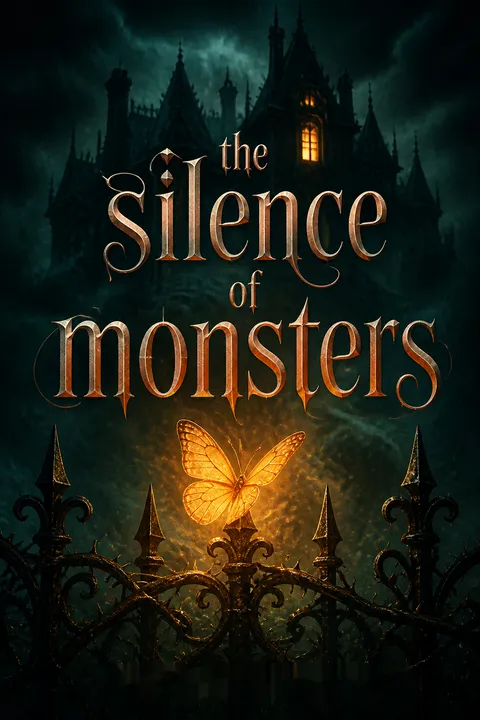
Jay Crownover's The Silence of Monsters is a modern gothic family saga that interrogates the corrosive effects of power, privilege, and generational trauma. By centering the story on an "ordinary" woman thrust into extraordinary circumstances, the novel subverts the billionaire romance trope, exposing the emptiness and danger at the heart of legacy families. The Halliday estate, with its haunted halls and hidden passageways, becomes a living metaphor for the secrets and wounds that fester when truth is buried. The contract marriage plot device, rather than offering a fantasy of rescue, becomes a crucible for agency, sacrifice, and the messy work of healing. Crownover's narrative is unflinching in its portrayal of mental illness, grief, and the ways families weaponize love and loyalty. The novel's emotional arc is one of hard-won liberation: Channing's journey from survival to self-determination, Win's from control to vulnerability, and Winnie's from victimhood to hope. Ultimately, The Silence of Monsters is a story about the courage to confront the monsters—both real and metaphorical—that silence us, and the possibility of choosing an ordinary, honest life over the seductive but deadly allure of legacy.
Review Summary
The Silence of Monsters receives mostly positive reviews (4.19/5), praised for its gothic atmosphere, enemies-to-lovers romance, and suspenseful twists. Readers appreciate the billionaire/poor woman dynamic between Winchester and Channing, forced into an arranged marriage to protect their shared niece. The Halliday Manor's dark secrets and the manipulative matriarch villain captivate audiences. Many note the story's soap opera vibes with plenty of drama and mystery. The cliffhanger ending divides opinion—some appreciate the need for continuation, others feel frustrated. A few readers disliked Win's controlling behavior and questioned the enemies dynamic when both characters harbor feelings.
Characters
Channing Harvey
Channing is the emotional heart of the story—a woman shaped by loss, instability, and the need to protect those she loves. Her relationship with her late sister and her niece, Winnie, is the driving force behind her actions. Channing's psychological complexity is rooted in her history of abandonment, her mother's mental illness, and her own fear of repeating family patterns. She is fiercely loyal, quick-witted, and unafraid to challenge the powerful Hallidays, even at great personal cost. Over the course of the novel, Channing evolves from a self-described "ordinary" woman into a force of nature, confronting generational trauma, exposing family secrets, and ultimately choosing her own happiness over the trappings of wealth and legacy.
Winchester "Win" Halliday
Win is the quintessential emo billionaire—burdened by privilege, emotionally repressed, and trapped by family expectations. His relationship with Channing is antagonistic, charged with unresolved grief and buried desire. Win's psychological profile is marked by guilt over his brother's death, resentment toward his mother, and a deep-seated fear of vulnerability. He is ruthless in business and relationships, using manipulation and power to get his way. Yet, beneath the armor, he yearns for connection and meaning. Win's journey is one of painful self-awareness, as he confronts the cost of his choices and ultimately sacrifices his legacy for love and redemption.
Winnie Halliday
Winnie is the embodiment of generational trauma—a child caught between worlds, haunted by loss, and suffocated by expectations. Her psychological struggles, including anxiety, depression, and a sense of being haunted, mirror the family's unresolved grief. Winnie's relationship with Channing is a lifeline, offering her the love and acceptance she craves. As the story unfolds, Winnie becomes both the reason for the family's conflict and the hope for its healing. Her courage in facing her fears and demanding agency over her own life is a quiet but powerful act of rebellion.
Colette Halliday
Colette is the story's true monster—a woman whose ambition, cruelty, and need for control drive the family's tragedies. Her psychological makeup is defined by narcissism, paranoia, and a willingness to destroy anyone who threatens her vision of the Halliday legacy. Colette's relationship with her children is transactional; she sees them as tools for her own advancement. Her hatred of the Harveys, her orchestration of the fire, and her manipulation of Archie reveal a capacity for evil that is both chilling and all too human. Colette's downfall is both a reckoning and a release for the family she has tormented.
Archie Halliday
Archie is the story's most haunting figure—a man presumed dead, kept alive and hidden by his mother, his mind shattered by trauma and isolation. Archie's psychological state is fragile, oscillating between confusion, longing, and moments of clarity. His relationship with Channing is a painful echo of his love for her sister, Willow. Archie's return forces the family to confront the consequences of their secrets and the true cost of survival. His final act of intervention is both a redemption and a tragedy, underscoring the novel's themes of loss and forgiveness.
Alistair DeVere
Alistair, Win's half-brother, is a product of the Halliday patriarch's infidelity—a reminder of the family's hypocrisy and the limits of blood ties. Alistair's psychological resilience is shaped by his outsider status and his struggle for acceptance. He becomes an unlikely friend and supporter to Channing and Winnie, offering them refuge and a different model of family. Alistair's presence challenges Win's assumptions about legacy and belonging, and his empathy provides a counterpoint to the Hallidays' coldness.
Conrad Beck
Conrad, Win's longtime assistant, is a study in divided loyalties and moral compromise. Pressured by his own family's expectations and seduced by Colette's promises, Conrad becomes complicit in the Halliday crimes. His psychological unraveling is marked by guilt, desperation, and a longing for approval. Conrad's betrayal is a devastating blow to Win, forcing him to confront the limits of trust and the corrosive effects of power.
Rocco Drach
Rocco, Win's head of security, is a stabilizing force amid the chaos. His military background and unwavering loyalty make him a reliable ally, but also a witness to the family's darkest secrets. Rocco's psychological insight and moral clarity provide a counterbalance to Win's indecision and Channing's impulsiveness. He is instrumental in uncovering the truth and ensuring the safety of those caught in the Halliday web.
Willow Harvey
Willow, Channing's late sister and Winnie's mother, is the story's absent center—a figure whose death haunts every character. Willow's psychological struggles, shaped by mental illness and the pressures of marrying into the Hallidays, are mirrored in her daughter's experiences. Her love for Channing and Winnie is a source of strength, even in death. Willow's fate is a cautionary tale about the dangers of silence, shame, and unchecked ambition.
Beverly Taylor
Beverly, a young opera singer and friend to Channing and Winnie, represents the possibility of healing and new beginnings. Her warmth, talent, and outsider perspective offer a contrast to the Halliday family's insularity. Beverly's relationship with Winnie provides a model of mentorship and support, helping the girl find her voice and reclaim her agency.
Plot Devices
Contract Marriage as Power Play
The central plot device is the contract marriage between Channing and Win—a transactional arrangement born of desperation, blackmail, and mutual need. This device subverts the traditional romance trope, using marriage not as a path to love, but as a battleground for power, agency, and survival. The contract's strict terms, time limits, and financial incentives create a ticking clock and constant tension, forcing the characters to confront their true desires and the cost of compromise.
Haunted House as Metaphor
The Halliday estate is both a literal and figurative haunted house—a place where the past lingers, secrets are buried, and the walls themselves seem to whisper. The supernatural elements (ghostly noises, missing objects, secret passageways) serve as metaphors for generational trauma, repressed grief, and the dangers of silence. The house's labyrinthine structure and hidden rooms symbolize the complexity of family dynamics and the difficulty of escaping inherited pain.
Generational Trauma and Mental Illness
The novel uses the motif of mental illness—schizophrenia, depression, anxiety—as both a source of stigma and a lens for understanding the characters' struggles. The fear of "tainted blood" and the threat of institutionalization are weapons wielded by Colette to control and isolate. The story interrogates the ways families perpetuate harm, the difficulty of breaking cycles, and the possibility of healing through honesty and connection.
Foreshadowing and Unreliable Perception
The narrative is laced with foreshadowing—strange noises, missing items, references to ghosts and monsters—that build suspense and uncertainty. The characters' perceptions are often unreliable, shaped by trauma, medication, and manipulation. This device keeps the reader off-balance, mirroring the characters' own confusion and fear, and heightens the impact of the final revelations.
Dual Protagonist Structure
The story alternates between Channing and Win's points of view, allowing the reader to inhabit both sides of the conflict. This structure deepens empathy, reveals hidden motivations, and underscores the theme that everyone is both victim and perpetrator in the family's drama. The dual narrative also allows for moments of dramatic irony, as the characters' misunderstandings and missed connections drive the plot forward.


Download PDF
Download EPUB
.epub digital book format is ideal for reading ebooks on phones, tablets, and e-readers.








































